Reviewed by Thomas B. · Last Updated September 24, 2026 · How we review
You prevent swarming by stopping the colony from starting queen cells in the first place. In practice that means four things, done on a seasonal schedule: keep plenty of laying room in the brood nest, add storage space before the bees need it, keep a young queen in every hive, and inspect every 7 days through swarm season so you catch the first cells before they are sealed. Once sealed swarm cells are present, you are no longer preventing a swarm. You are controlling one, and that takes a split or an artificial swarm.
Most swarm guides give you a list of tips. This one is a season-by-season playbook, with dates for a short northern season like ours in the Red River Valley, plus a decision table for what to do depending on what you find on the frames. For the biology of why colonies swarm, see our explainer on why bees swarm.
Written by Daniel M., who keeps about 45 colonies in eastern North Dakota and covers seasonal management and swarm prevention. Reviewed by Thomas B. (western Minnesota). Timing and methods are checked against the extension and research sources linked in the text.
Key Takeaways
- Prevention works before queen cells exist. After cells are started, removing them usually only postpones the swarm.
- Crowding matters because it blocks the queen’s pheromone from reaching the workers. In a controlled study, extra queen pheromone delayed swarming only in colonies that were not congested.
- Give room in two places: laying room in the brood nest (reversals, empty drawn comb) and storage room above it (supers added early).
- Young queens reduce swarming. Colonies that come out of winter with an older queen are the ones to watch hardest.
- In the northern Plains the swarm window is compressed into roughly late May through early July, so a one-week delay costs more here than in the South.
On this page
Why Prevention Has to Start Before Queen Cells
A colony’s first visible step toward swarming is the queen laying eggs in queen cups. According to the Mid-Atlantic Apiculture Research and Extension Consortium (MAAREC), those cells are capped about 8 days later and the new queens emerge roughly 7 to 8 days after that. The primary swarm, with the old queen and a large share of the workers, usually leaves around the time the first cells are sealed. MAAREC puts that share at one-half to two-thirds of the workers. For the day-by-day development of a queen cell, see our queen cell timing guide.
That timeline explains the 7-day inspection rule. If you look at a colony every 7 days, a cell started just after your last visit will still be open when you come back. If you stretch to 10 or 14 days, some cells will already be capped, and the swarm may have gone.
“If the queen cells are advanced or completed, removal will only postpone swarming.”
Crowding is the other half of the story. The queen’s mandibular pheromone tells workers a healthy queen is present, and it spreads as workers contact each other. In a controlled spring experiment, Winston and colleagues added synthetic queen mandibular pheromone to colonies. It delayed swarming in a dose-dependent way in large, uncongested colonies, with the highest dose delaying swarming by almost four weeks. In small, congested colonies, pheromone applied the same way had no effect (Winston et al., 1991, Journal of Insect Behavior). So space is not only about storing honey: a crowded brood nest stops the queen’s signal from reaching the workers.
The Four Prevention Levers
MAAREC groups the causes of swarming into three linked factors: population relative to room, the amount and spread of queen pheromone, and the hive environment. Those three factors give you four things you can actually control.
Laying room in the brood nest
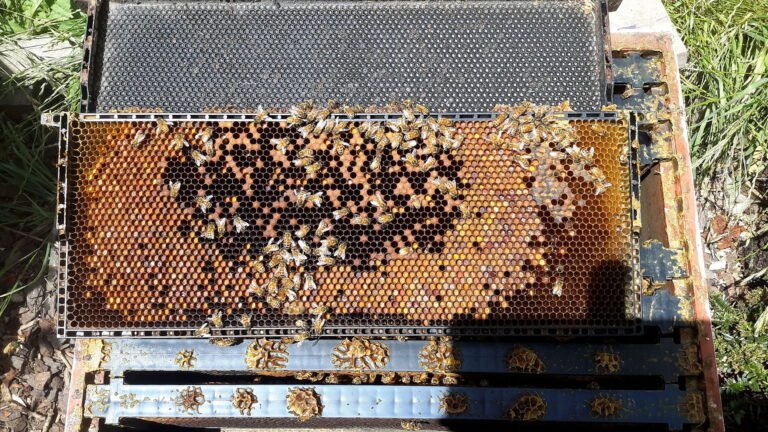
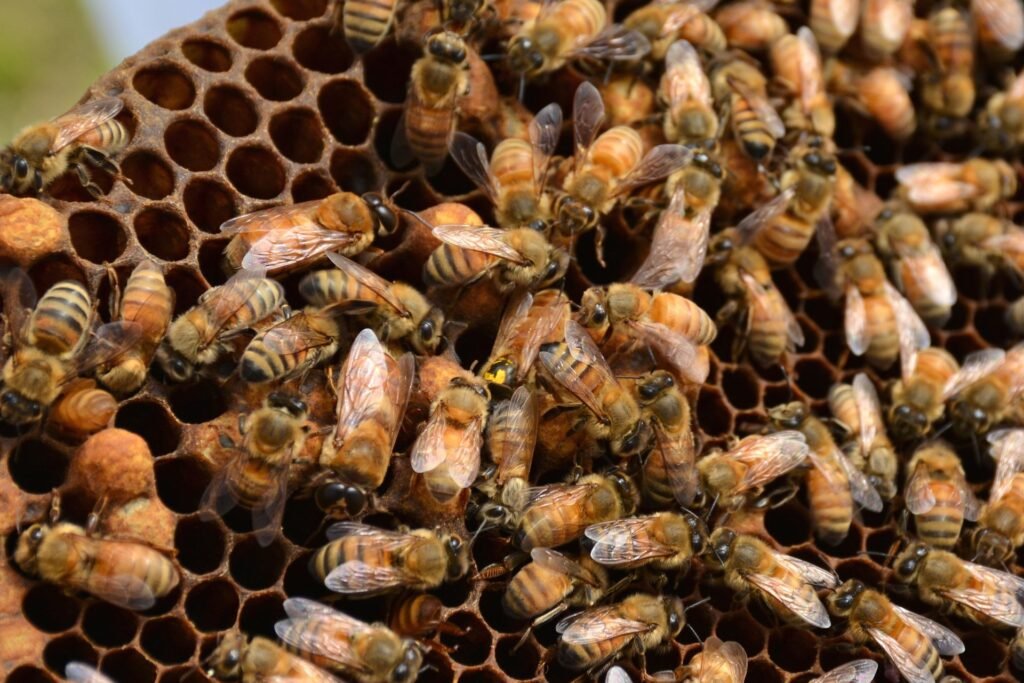
The queen needs empty, clean worker comb where she is laying, not just empty boxes somewhere in the hive. MAAREC notes that two deep hive bodies may not be enough room for brood rearing in strong colonies. The tools are reversing the brood boxes, moving an empty drawn comb into the brood nest, and techniques such as opening the sides of the brood nest. The warning sign is a honey-bound nest, where fresh nectar fills cells as bees emerge and the queen runs out of room. Our guide to the signs of an overcrowded hive shows how to measure this during an inspection.
Storage space above the brood
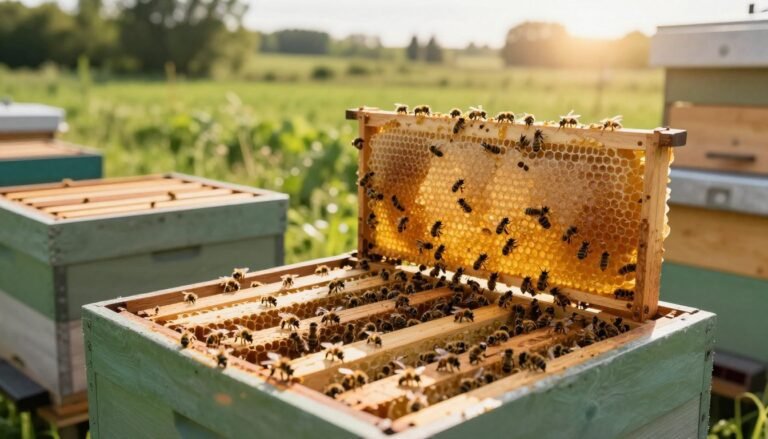
Supers need to go on before the flow, not after the brood nest is plugged. MAAREC recommends keeping some super space on from spring until late summer, and suggests “baiting” a new super by raising a frame of drawn comb or capped brood into it so the bees move up at once. Drawn comb is worth more than foundation here. Bees can store nectar in it straight away, where foundation has to be built out first. See how drawn comb affects spring buildup.
A young queen
MAAREC calls young queens heading every colony “a definite aid” to swarm prevention. It also recommends requeening with stock bred for low swarming tendency. Our article on how queen age affects colony performance covers the details. Marking queens makes it quicker to see whether the queen you find is last year’s or a newer replacement. A queen marking color chart keeps that straightforward.
Ventilation and hive environment
Remove winter entrance reducers once bees are flying strongly and give an upper vent in hot weather. MAAREC notes that extra ventilation can invite robbing, so reduce entrances again in a dearth.
The Seasonal Prevention Playbook
The table below shows when each job happens. The dates are for eastern North Dakota and western Minnesota in a typical year. Go by what the bees are doing rather than the calendar. If spring is early or late, shift the whole plan to match.
| Period (Red River Valley, typical year) | Colony stage | Main prevention jobs | Inspection interval |
|---|---|---|---|
| March to mid-April | Clustered, first brood expanding | Check stores, plan equipment, checkerboard strong colonies, order queens | Quick checks on warm days |
| Mid-April to mid-May | Rapid buildup on willow, maple, dandelion and fruit bloom | Reverse brood boxes, open the brood nest, remove entrance reducers, equalize colonies | 7 to 10 days |
| Late May to early July | Peak population, queen cups appear | Supers on ahead of need, look for cells every visit, split or use an artificial swarm when cells appear | Every 7 days |
| July to mid-August | Main flow (sweet clover, alfalfa, canola, sunflower) | Keep supers ahead, check for late cells, manage splits made earlier | 7 to 14 days |
| Mid-August to October | Population falling | Requeen weak or old-queen colonies where possible, record which colonies swarmed or built cells | As needed |
Late Winter and Early Spring: Set Up the Season
Much of swarm prevention happens before the bees are flying in numbers. On the first warm days, heft each hive to check stores. MAAREC recommends colonies keep 15 to 20 pounds of honey in spring as protection against starvation. Colonies that come through winter very strong are the ones most likely to swarm in late May, so mark them in your records now.
For strong colonies wintered in two boxes, checkerboarding is a late-winter option. You alternate empty drawn comb with capped honey above the cluster, so the colony keeps expanding instead of deciding its stores are full. It needs to be done weeks before swarm season, not during it.
Get equipment ready now, too: spare drawn comb, supers and a nuc box for every two or three strong colonies.
Spring Buildup: Keep the Brood Nest Open
Over winter a colony in two deep boxes moves up, so by spring the bottom box is often nearly empty. When the top box is full of brood and the bottom one is mostly empty comb, swap them so the queen has empty comb above her. MAAREC suggests reversing every 8 to 10 days in colonies kept in one and a half or two brood boxes, and the University of Minnesota Bee Lab teaches reversals as part of its spring swarm-prevention routine. If brood spans both boxes, don’t reverse; add space instead.
During buildup, look for three things at each visit:
- Frames of bees in the top box. When bees cover most of them, add drawn comb or a super.
- Nectar in the brood nest. A band of fresh nectar across the middle of brood frames means the queen is running out of room. Move a capped honey frame up and put an empty drawn comb in its place.
- Queen cups. Empty cups are normal in spring. Cups with eggs or larvae mean the colony has started.
This is also the time to equalize: a frame of capped brood moved from a booming colony to a weaker, healthy one slows the first and helps the second.
The Peak Swarm Window: Inspect Every 7 Days
In our area the risk is highest from late May until the main flow starts in early July. The quickest useful check is to tip up the top brood box and look along the bottom bars of its frames. That is where swarm cells are most often built. If you see cells with larvae or royal jelly, do a full inspection that day. Cells on frame faces happen too, so do a full frame-by-frame check at least every other visit. Our guide to how to tell if a hive is preparing to swarm covers the outside and inside signs in detail.
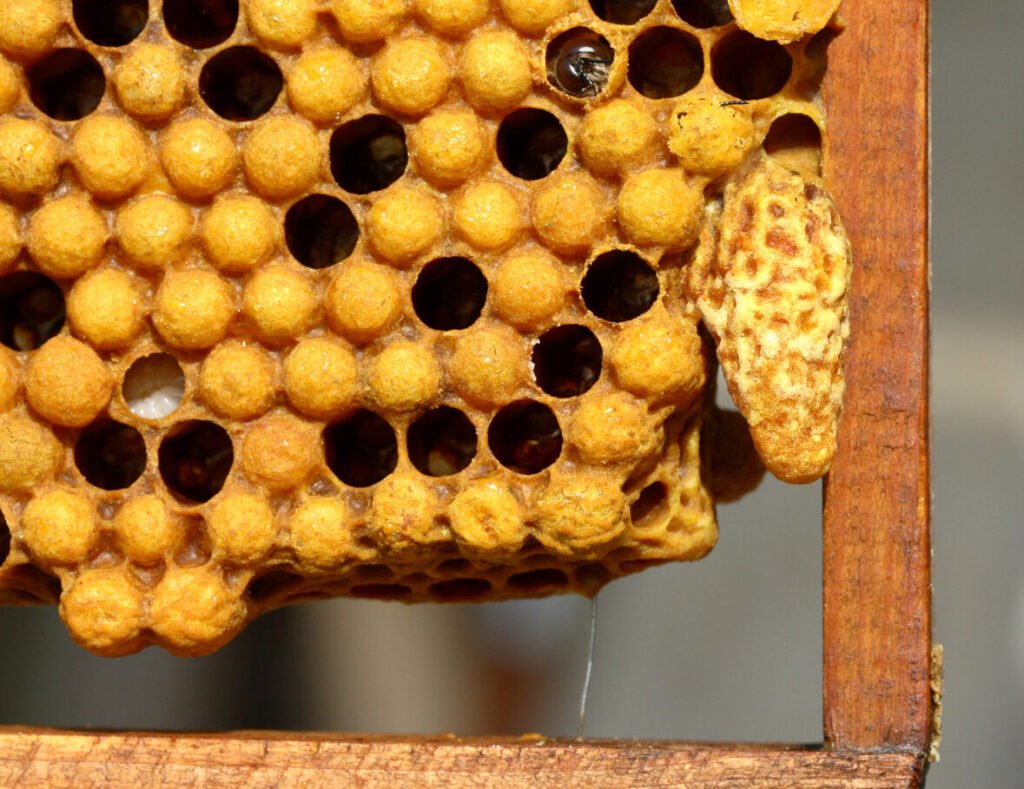
Not every queen cell is a swarm cell. One to three cells mid-frame under a failing queen are more likely supersedure, and destroying them can leave a colony queenless. Check swarm cells vs supersedure cells and how to spot supersedure before you cut anything.
Once a colony has started cells, you need a control method that separates the queen from the brood or the foragers. Pick one in advance:
- Nuc split: move the queen with 3 to 5 frames of brood, food and bees to a nuc on a new stand, and leave the parent colony to raise a queen from one good cell. See splitting hives: when and how.
- Pagden artificial swarm: the queen stays on the old stand in a new box, and the foragers return to her. The colony gets the swarm without losing the bees.
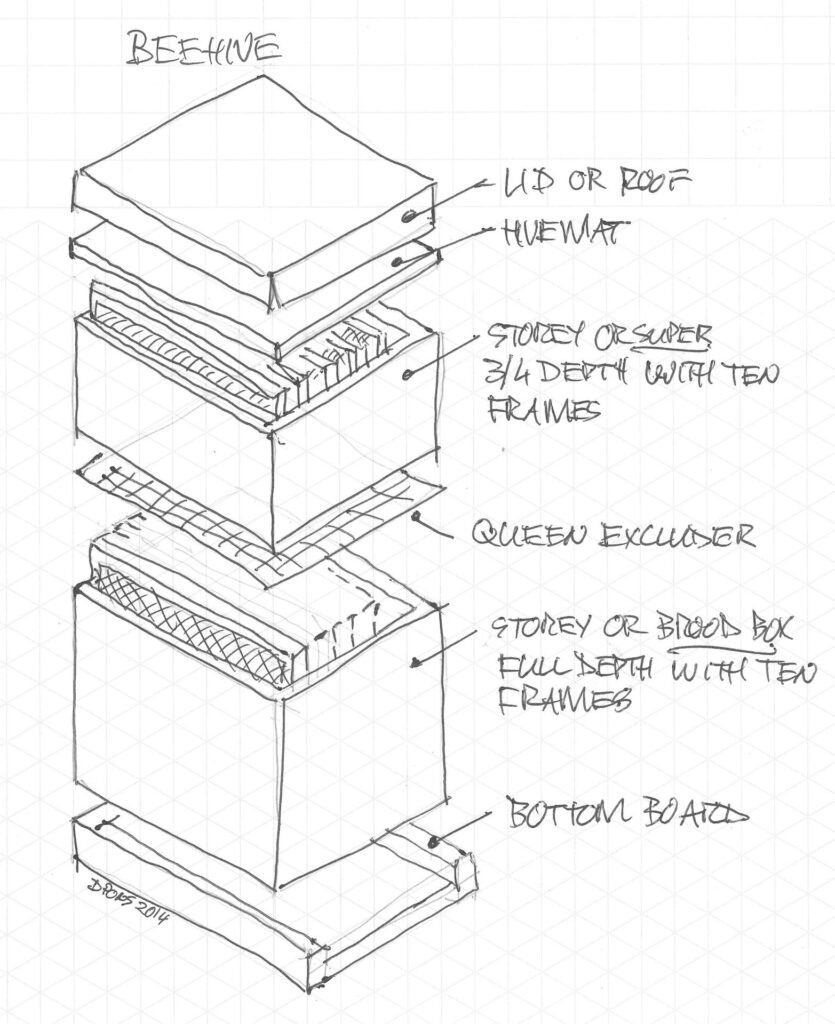
- Demaree: the queen stays below an excluder, and brood is moved up above supers. This keeps one colony for the honey crop. MAAREC describes queen and brood separation as the most widely used swarm control practice.
- Snelgrove board: a vertical split that uses a double screen with wedge doors to redirect foragers.
Main Flow and Late Summer: Lock In Next Year
Once the main flow is on and bees are filling supers, swarm pressure usually drops. Keep supers ahead of the bees and keep checking for cells. Late swarms in July do happen, mostly from colonies that were never given enough room.
Late summer also sets up next year. Colonies that built swarm cells this year are good candidates for requeening. Write down which colonies swarmed or started cells and when; a few seasons of notes show your own apiary’s timing better than any calendar. Before requeening or splitting, see our best time to requeen guide.
What to Do Based on What You Find
The further down this table you are, the fewer options you have.
| What you find | What it means | What to do |
|---|---|---|
| Empty queen cups, room in the brood nest | Normal spring colony | Carry on with 7-day checks; add space before it is needed |
| Empty cups, nectar in brood nest, top box full | Congested, prevention still possible | Reverse or add drawn comb in the brood nest; add a super; equalize |
| Cups with eggs or young larvae | Swarm preparations have started | Add room and split or make an artificial swarm now; destroying cells alone rarely works |
| Sealed swarm cells, queen still present | Swarm is imminent | Remove the queen to a nuc or do a Pagden at once; leave one good cell in the parent to reduce the risk of a cast swarm |
| Sealed or emerged cells, no eggs, fewer bees | The colony has probably already swarmed | Do not destroy all the remaining cells; leave one good cell and check for a laying queen in 2 to 3 weeks |
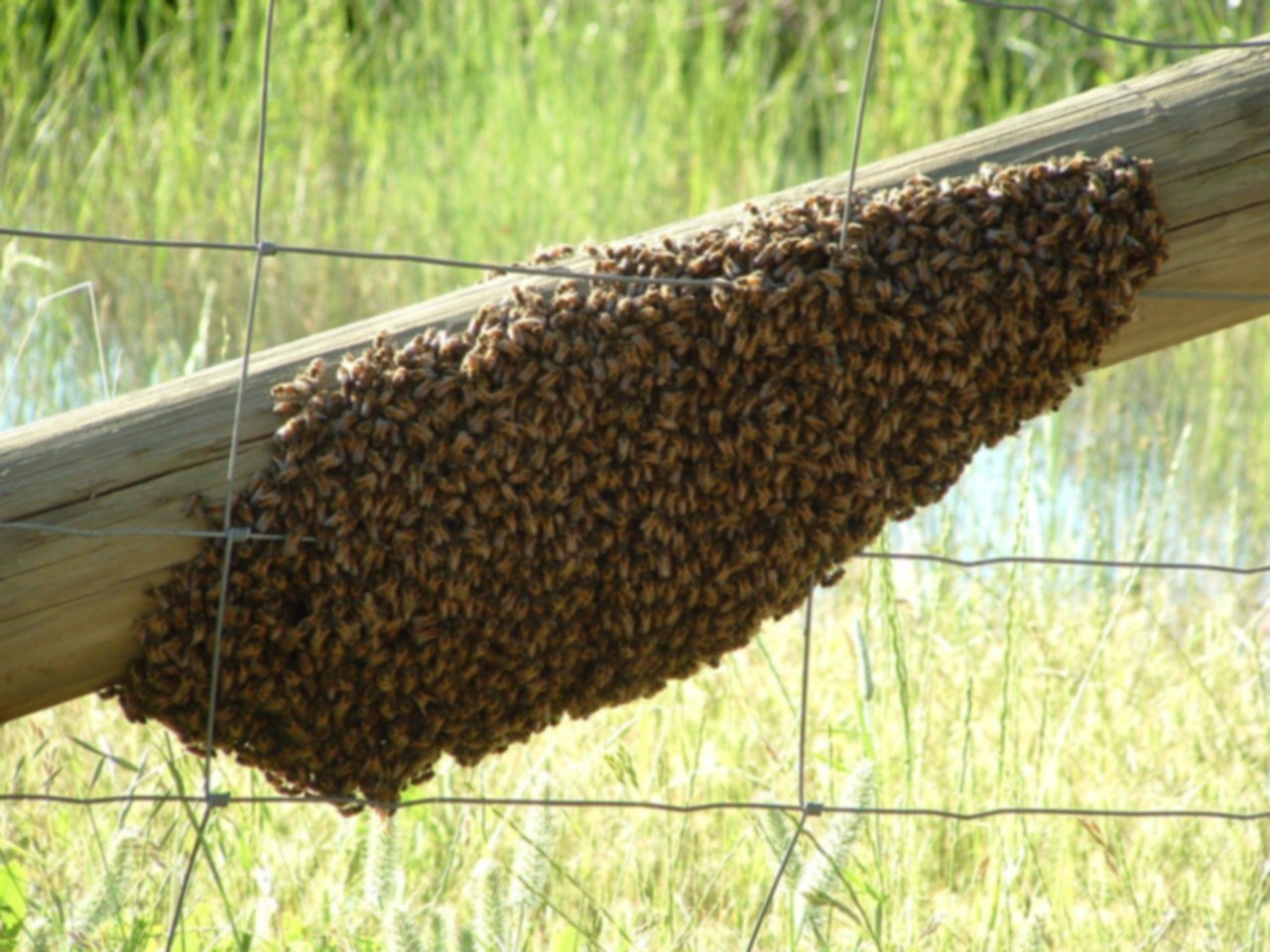
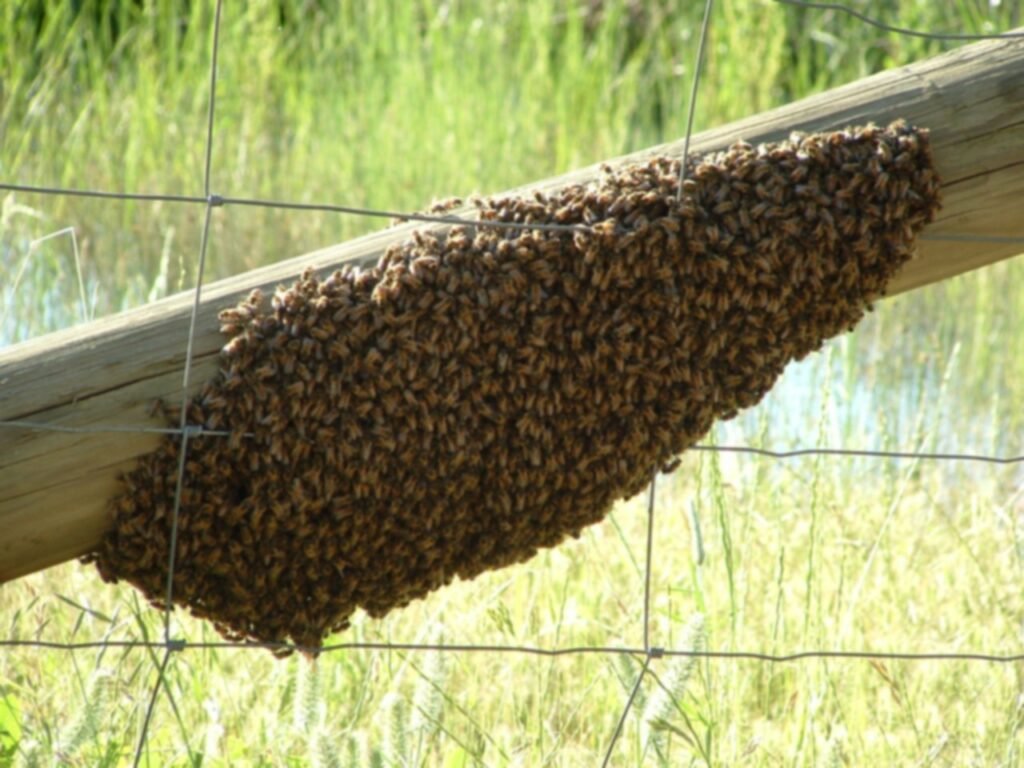
If the colony has already swarmed and the cluster is hanging nearby, see catching a swarm safely. A bait hive near the apiary is a reasonable backup for swarms you miss. Our swarm trap box design guide covers the setup.
Common Prevention Mistakes
- Adding supers but leaving the brood nest plugged. Empty space above an excluder doesn’t give the queen more laying room.
- Cutting every queen cell and walking away. This delays a colony that has decided to swarm, and it can leave a swarmed colony with no queen at all. MAAREC says to re-examine within a week to 10 days if you do cut cells.
- Clipping instead of inspecting. A clipped queen can’t fly off with the swarm, so the colony may wait for a virgin queen instead, and you can lose the swarm and its bees anyway. See clipping queen wings: pros and cons.
The Bottom Line
Swarm prevention is mostly timing: set colonies up in late winter, keep the brood nest open during buildup, inspect every 7 days in the peak window, and have one control method ready for colonies that start cells anyway. If your state requires apiary registration, the North Dakota Department of Agriculture apiary program covers registration and inspection.
Frequently Asked Questions
What is the best way to prevent bees from swarming?
Keep the colony from starting queen cells. Give laying room in the brood nest, add supers before the flow, keep young queens, and inspect every 7 days through the swarm season. If cells appear anyway, split or make an artificial swarm.
When is swarm season in North Dakota and Minnesota?
In a typical year in the Red River Valley, the highest risk runs from late May to early July, between spring buildup and the main clover and alfalfa flow. An early or late spring shifts this by a week or two in either direction.
Does adding a super prevent swarming?
It helps, but not if the brood nest is already congested or filled with nectar. Combine supering with reversals or empty drawn comb in the brood nest.
Should I remove swarm cells?
Only if they are new and you also fix the crowding, then re-check within 7 to 10 days. Removing sealed cells usually just delays the swarm, and in a colony that has already swarmed it can leave it queenless.
Do young queens swarm less?
Generally yes, which is why MAAREC lists young queens as a definite aid to prevention. But a young queen in a crowded hive can still swarm.
How often should I inspect for swarm cells?
Every 7 days during the peak swarm window. A queen cell is capped about 8 days after the egg is laid, so weekly checks find new cells while they are still open.