Reviewed by Michael R. · Last Updated September 24, 2026 · How we review
The best time to requeen a hive is when three conditions overlap: nectar is coming in (or you are feeding), the colony is strong enough to accept and support a new queen, and enough season remains for her to lay the bees that will carry the colony through winter. Across much of the US that means late spring or late summer. In eastern North Dakota, the Red River Valley and western Minnesota, where the average frost-free season at Fargo runs only from about May 14 to September 24, the practical window is early June through mid-August. Late July to mid-August is the prime slot for a queen who will head the colony into winter. After the last week of August, requeen only to rescue a queenless colony. Otherwise, combine it or wait for spring.
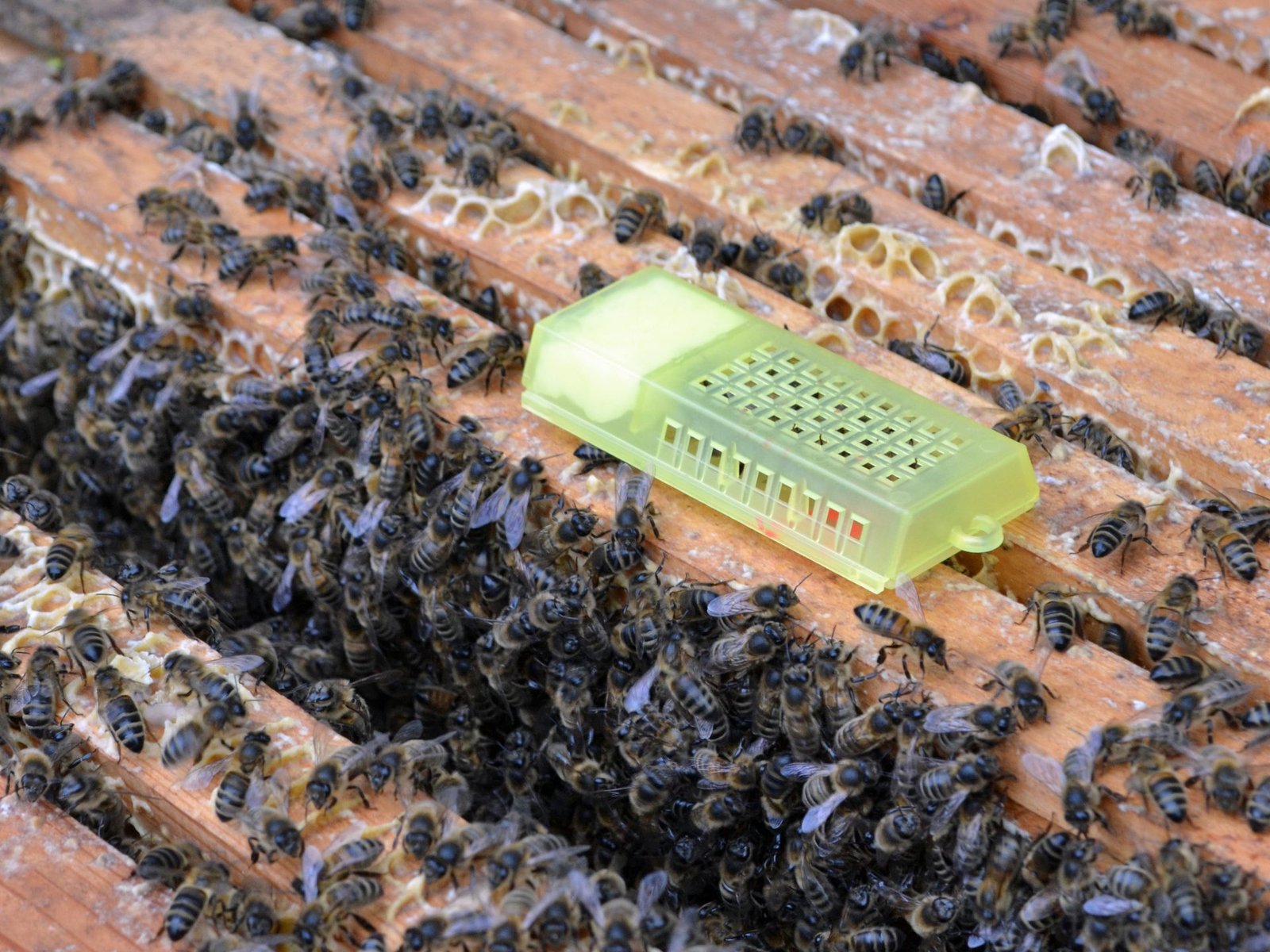
This guide covers when to requeen. For the hands-on method, see our step-by-step guide to requeening a hive successfully and the walkthrough on introducing a queen with a push-in cage.
Key Takeaways
- Acceptance is best during a nectar flow or while feeding, and worst in a dearth, a heat wave or a cold snap.
- In the Red River Valley, plan requeening for early June to mid-August. Late July to mid-August lets a young queen lay the long-lived winter bees.
- Most published “best month” advice comes from southern states. Florida’s recommended September is too late on the northern plains.
- Colony condition overrides the calendar. A queenless colony or a drone-laying queen needs action now, while a colony that just swarmed usually needs patience.
- Queen cells and walk-away requeening add two to four weeks before eggs appear, so their cutoff dates are earlier than for a mated queen.
Table of Contents
- Three Conditions That Make a Good Requeening Window
- Spring vs Late Summer vs Fall
- A Red River Valley Requeening Calendar
- Mated Queen, Queen Cell or Walk-Away: Different Deadlines
- Colony State Matters More Than the Date
- Why Queen Age Is a Timing Question
- When Not to Requeen
- Frequently Asked Questions
Three Conditions That Make a Good Requeening Window
There is no single best calendar date to requeen. The right time depends on three things, and it is worth checking each one before you order a queen.
Condition 1: Forage or feed
Workers accept a new queen far more readily when nectar and pollen are coming in. During a dearth the colony is defensive, robbing pressure rises, and a caged queen is more likely to be balled or killed on release. If you must requeen in a dearth, feed light syrup for several days beforehand. Our guide to requeening during a dearth covers that case.
Condition 2: A colony that can support her
A new queen needs nurse bees to feed her and brood to care for. A colony with a few frames of bees, eggs or young larvae, and some stores is a good candidate. A tiny, starving or heavily mite-loaded colony often isn’t. In that case a new queen won’t fix the underlying problem.
Condition 3: Enough season left
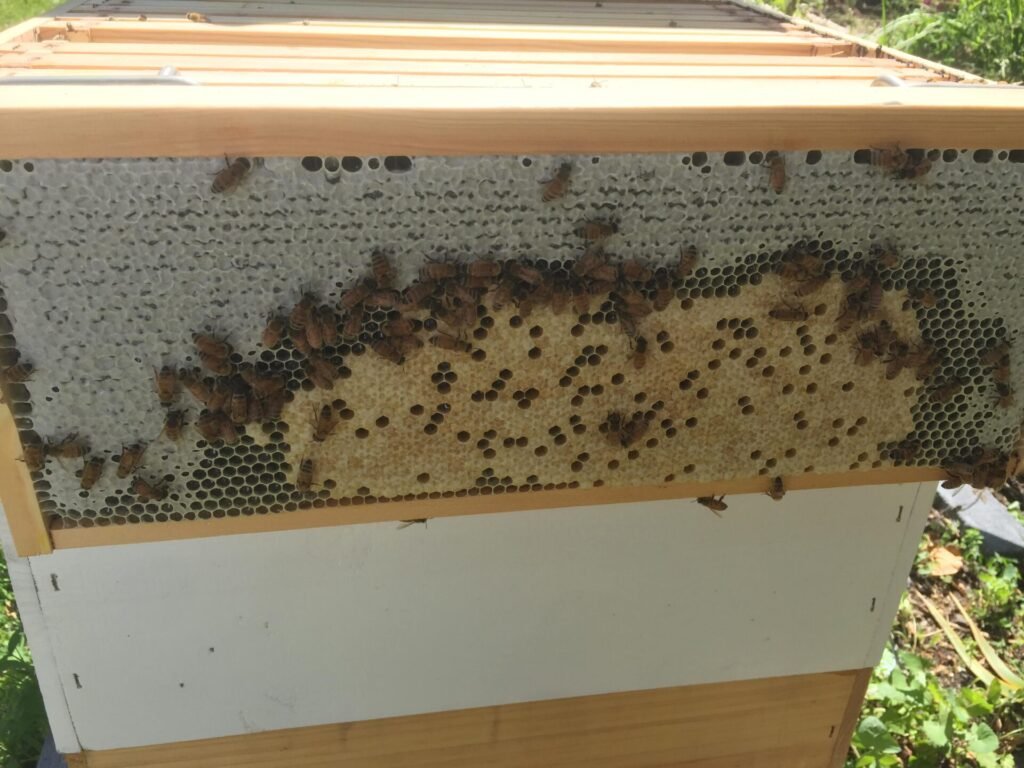
A worker takes 21 days from egg to adult. Everything the new queen lays after her release still has three weeks of development ahead of it. In the north, the question is not only “will they accept her?” but also “will her first bees emerge before brood rearing winds down?”
Spring vs Late Summer vs Fall: How the Seasons Compare
Most requeening advice falls into one of two schools: requeen in spring before the main flow, or in late summer ahead of winter. Both work. They trade different risks.
| Season | Advantages | Drawbacks | Best used when |
|---|---|---|---|
| Early spring (April–May) | A young queen heads the colony through build-up and swarm season | Only southern-reared queens are available; cold snaps stall acceptance; the brood break comes right before the flow | A colony came out of winter queenless or with a failing queen |
| Late spring to early summer (June) | Good forage, strong colonies, northern-mated queens start to be available | Busy season; the brood gap can cost some honey if it overlaps the main flow | You want a new queen well before the main flow |
| Mid to late summer (late July–mid August in the north) | The new queen lays the winter bees; young queens are less prone to swarming the next spring | Flows taper off; you need to watch robbing; mite loads peak at the same time | Planned, routine requeening for winter survival |
| Fall (September onward in the north) | Few beekeepers see any advantage this late | Low acceptance, few drones, too little time for her bees to emerge before winter | Emergency only; combining is usually better |
| Winter | None | You cannot safely open the brood nest | Never; wait for spring |
University of Florida Extension recommends requeening four to six weeks before the principal nectar flow or in late summer, and notes the benefit of a new queen producing “a large population of winter bees and spring bees.” Their full recommendation is:
“September is a good time to requeen a colony because queens are readily available and less expensive during this month.”
That advice is sound for northern Florida, where September is the middle of a long season. Moving that same date to Fargo is the most common timing mistake northern beekeepers make. By late September the Red River Valley is at or near its average first frost.
A Red River Valley Requeening Calendar
This calendar works backward from local climate data. The Fargo climate summary published by the Minnesota DNR gives an average growing season of May 14 to September 24 (133 days), with first frost as early as late August in some years. Main flows here are built largely on clover, alfalfa, canola and sunflower in mid-summer, and they vary with local crops and rainfall. Adjust these dates to your own bloom calendar.
| Month | Requeening outlook | Notes for eastern ND / western MN |
|---|---|---|
| April | Emergency only | Cold nights and short inspection windows. Queens are shipped from the south. |
| May | Fair | Workable once daytime highs are reliably in the 60s °F. Watch for cold snaps after installing a queen. |
| June | Good | Colonies are growing and forage is improving. This is a good slot to requeen ahead of the main flow. |
| July | Good (with a trade-off) | Acceptance is usually high during the flow, but the brood gap reduces the next generation of foragers. |
| Late July to mid-August | Best for winter | A queen laying by mid-August produces bees that emerge in September, the core of the winter cluster. |
| Late August | Marginal | Only with a mated queen, a strong colony and feeding. Avoid queen cells this late because drones are declining. |
| September onward | Avoid | If a colony is queenless now, combining it with a queenright colony is usually the safer choice. |
The late-summer slot matters because of what the queen lays next. Penn State Extension notes that winter bees live up to six months, compared with about six weeks for summer bees, and carry larger fat bodies (Honey Bee Management Throughout the Seasons). A queen released in mid-August has roughly five weeks of laying before Fargo’s average first frost, and her eggs become those long-lived bees. A queen released at the end of September has almost no time left.
Mated Queen, Queen Cell or Walk-Away: Different Deadlines
How you requeen changes the latest safe date, because each method has a different gap before the first eggs appear.
| Method | Typical gap to first eggs | Latest sensible start in the Red River Valley |
|---|---|---|
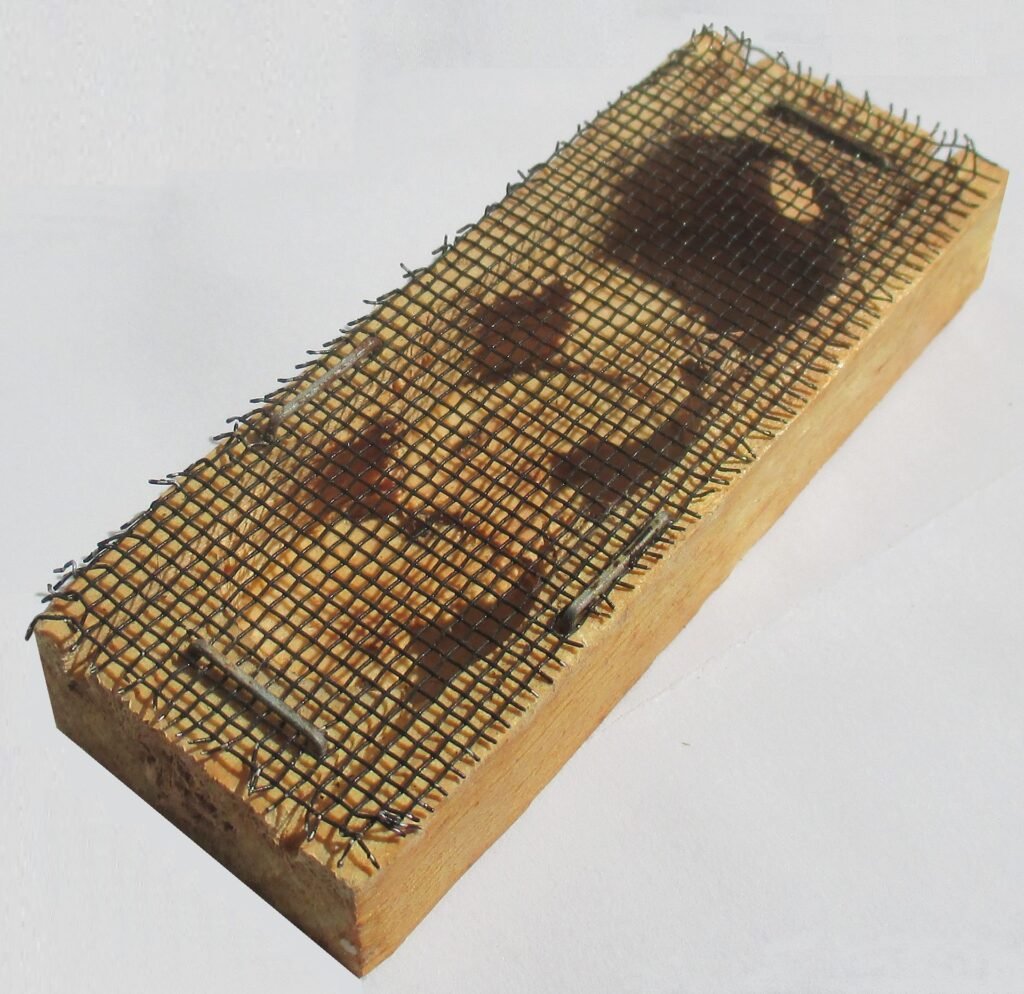
| Caged, mated queen | About 1–2 weeks (release plus settling in) | Mid-August |
| Ripe queen cell or virgin queen | About 2–3 weeks (emergence, mating flights, onset of laying) | Late July |
| Walk-away (colony raises its own queen from eggs) | About 4 weeks or more (16 days to emerge, then mating) | Early July |
Queen cells and virgins depend on flying weather and on drones. Both become unreliable toward late summer, when colonies start expelling their drones. Our mating-flight timeline explains the weather side, and how soon a new queen should start laying covers what to expect afterward. If you cannot find the old queen, the timing is the same but the method changes. See requeening without finding the old queen.
Colony State Matters More Than the Date
The calendar tells you when requeening is easiest. The colony tells you whether it has to happen now.
Requeen now, whatever the month
- Queenless with no eggs or young larvae. The colony cannot raise its own queen, and laying workers will follow. See signs of laying workers and how to requeen a laying-worker hive.
- A drone-laying or clearly failing queen. Scattered brood with bullet-shaped drone cappings in worker cells means she is out of sperm or damaged. Our guide to finding a failing queen on frames helps confirm it.
- Dangerously defensive temperament. Temperament is largely genetic. Requeening changes it over about six weeks as the old workers die off. See how to requeen an aggressive colony.
Wait before requeening
- A colony that just swarmed. A virgin queen may be out on mating flights. Give it about three weeks, then look for eggs before assuming the colony is queenless.
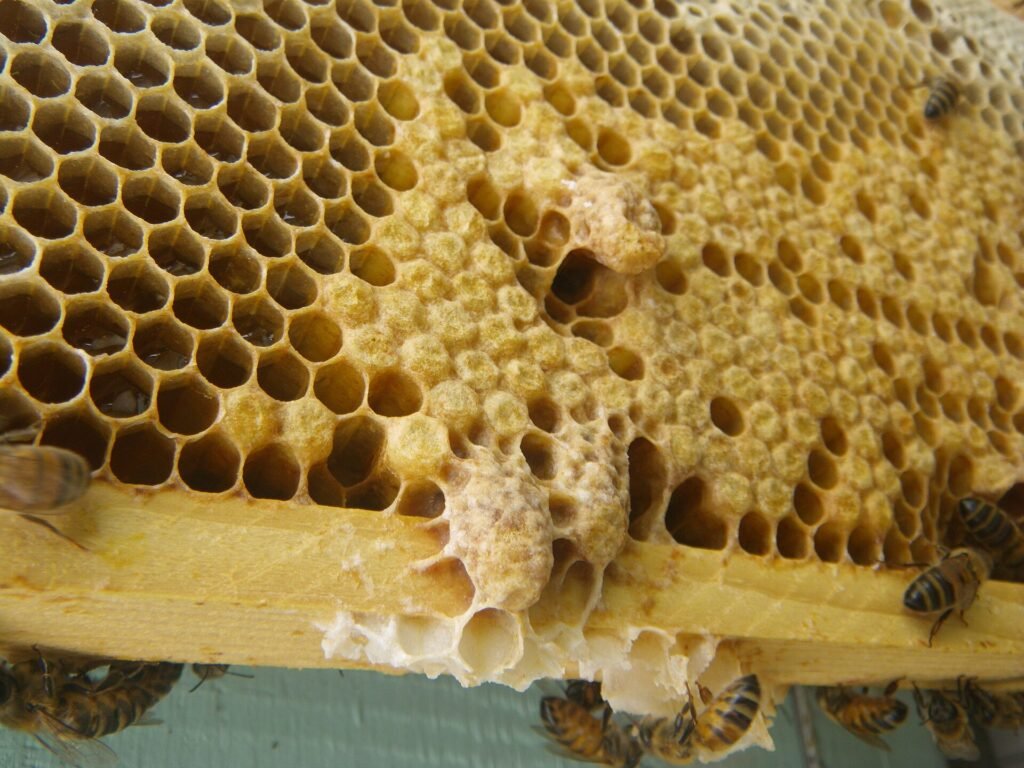
- Supersedure cells on the face of the comb. The colony is already replacing its queen. Let the process finish unless the season is too late for mating.
- A weak new package. Slow early build-up is often the package, not the queen. Our weak package guide explains how to tell the two apart.
Why Queen Age Is a Timing Question
Queens can live several years, but their output usually declines after the first couple of seasons. In the German bee monitoring project, which followed more than 1,200 colonies over four years, queen age was one of the factors significantly related to winter losses, along with high varroa levels, autumn virus infections and weak colonies going into autumn (Genersch et al., 2010, Apidologie 41:332–352). UF/IFAS goes further and recommends requeening every year to reduce swarming. Many hobbyists compromise on every one to two years.
In practice, that makes late summer a routine decision point in the north. If a queen is entering her third season, or her brood pattern slipped this summer, replacing her in late July or early August combines the benefit of a younger queen with the winter-bee timing described above. Young queens also swarm less the following spring, which supports the swarm prevention plan you start in May.
When Not to Requeen
- During a hard dearth without feeding, or when robbing is active in the apiary.
- During a heat wave, or when nights are dropping near freezing.
- Within about six weeks of your expected first frost. In Fargo that means after mid-August, unless it is an emergency.
- When the real problem is mites or disease. A new queen in a colony with high mite counts does not fix it, so test first.
- When the colony is too small to winter anyway. Combining it with a queenright colony often gives a better result than a late queen.
Frequently Asked Questions
What month is best to requeen a hive?
There is no universal month. In southern states, spring and September are both common choices. In eastern North Dakota and western Minnesota, June and late July to mid-August work best. June suits requeening before the main flow, and late summer suits requeening for winter.
Can you requeen in the fall?
In the northern plains, fall requeening is an emergency measure. Acceptance drops as forage ends, drones disappear, and a queen installed in late September has almost no time to lay bees before brood rearing shuts down. Combining a queenless colony with a queenright one is usually safer.
How often should you requeen?
UF/IFAS recommends every year to limit swarming. Many hobbyists replace queens every one to two years, or whenever the brood pattern or temperament declines. Queen age is linked to higher winter losses, so an older queen going into autumn is a reasonable trigger.
Is it better to requeen in spring or late summer?
Both work. Spring requeening puts a young queen in charge through swarm season and the main flow. Late-summer requeening gives you a young queen to lay the winter bees and a colony less likely to swarm the next year. In the north, late summer is usually the better routine choice.
Should I requeen a colony that just swarmed?
Usually not right away. The colony normally leaves queen cells or a virgin queen behind. Wait about three weeks, then check for eggs. Introduce a mated queen only if there are still no eggs, no queen and no young larvae.
Can I requeen during a nectar flow?
Yes. A flow is one of the easiest times for acceptance. The trade-off is that the brood break reduces the next round of foragers, so some beekeepers requeen just before or just after the main flow.
The Bottom Line
Requeen when forage, colony strength and season length line up. In the Red River Valley that means June for a pre-flow change, late July to mid-August for a winter-ready queen, and emergencies only after that. Check colony state first, allow extra weeks if you use queen cells, and don’t copy a southern calendar onto a northern apiary.