Last Updated September 14, 2026
A hive that stings without provocation usually isn’t defending itself against something you did in that moment — it’s reacting to the queen’s genetics, recent handling history, or a stress factor in the environment, and replacing the queen is the most reliable long-term fix. Temperament traces back to handling, smoke technique, and the queen herself far more often than to any inherent “bad” trait in the bees. Before replacing a queen, inspect frames, watch for signs of stress, and judge safety for both people and insects.
Managing a difficult box takes patience. The queen largely shapes the colony’s behavior, and a properly introduced new queen can restore calm and productivity within a season. This guide covers what is different about a hot colony; the general procedure — timing, cage placement, candy release, and acceptance checks — is in our step-by-step guide to requeening a hive. Longtime UK beekeeper Roger Patterson, writing on Dave Cushman’s beekeeping reference site, makes the same point: poor handling and smoke misuse provoke far more defensive behavior than the bees’ underlying nature does. Practical steps, such as splitting strong hives and using careful smoke techniques, are covered in guides like this guide on changing the attitude of a hot hive and this site’s own apiary expansion guide.
Key Takeaways
- Assess temperament and safety before action.
- The queen largely drives hive behavior.
- Handling and smoke misuse often cause hostility.
- Replacing queens can calm and improve productivity.
- Use professional protocols and seek mentorship when needed.
Table of Contents
- Assessing Hive Temperament and Aggression
- How to Requeen an Aggressive Colony Safely
- Managing Flying Bees During the Process
- Advanced Techniques for Difficult Hives
- Conclusion
- Frequently Asked Questions
Assessing Hive Temperament and Aggression
Quick observations at the hive entrance reveal a lot about temperament and risk. Watch traffic, listen for persistent buzzing, and note flight patterns during a brief walk-around. A single bee batting at a veil is often normal; experienced keepers say it does not equal true aggression.
Video summary: Black Mountain Honey walks through a full requeening of a genuinely defensive colony, from suiting up and locating the old queen to caging and releasing the replacement — a practical, step-by-step visual companion to the process described below.
Distinguishing nuisance from real defense
Beekeepers should separate nuisance incidents from natural defense. If neighbors report multiple stings, that becomes a public-safety issue. If a food source is cut off, colonies may defend more vigorously for a short period.
“Bad handling and overuse of smoke provoke defensive behavior more than the bees’ nature.” — Roger Patterson, dave-cushman.net
Environmental factors that influence behavior
Weather, nectar flow, and water access shape responses. In dry spells or when greenhouse water stops, bees can turn protective quickly. The queen remains central: her genetics and pheromones set the mood for the hive, and often she is the one to assess when changes are needed.
- Keep checks short and calm.
- Bring a fellow beekeeper for extra help when needed.
- Learn signs of temporary defense versus lasting temperament; see an assessing hive temperament guide and natural management tips.
How to Requeen an Aggressive Colony Safely
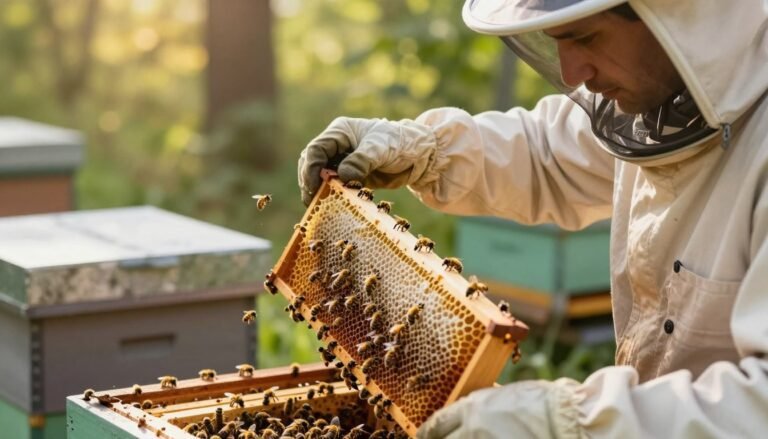
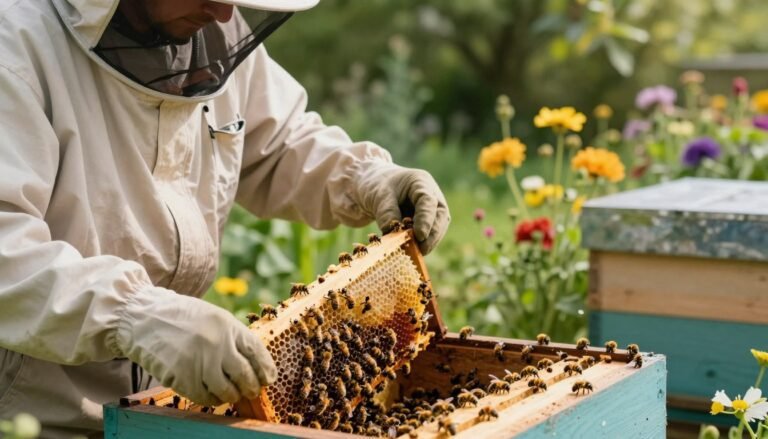
Replacing a problematic queen begins with a calm, systematic search through brood frames. First, plan entry, suit up, and keep smoke minimal so the queen does not bolt. Use steady, slow movements and an escape plan if the bees show high defense.

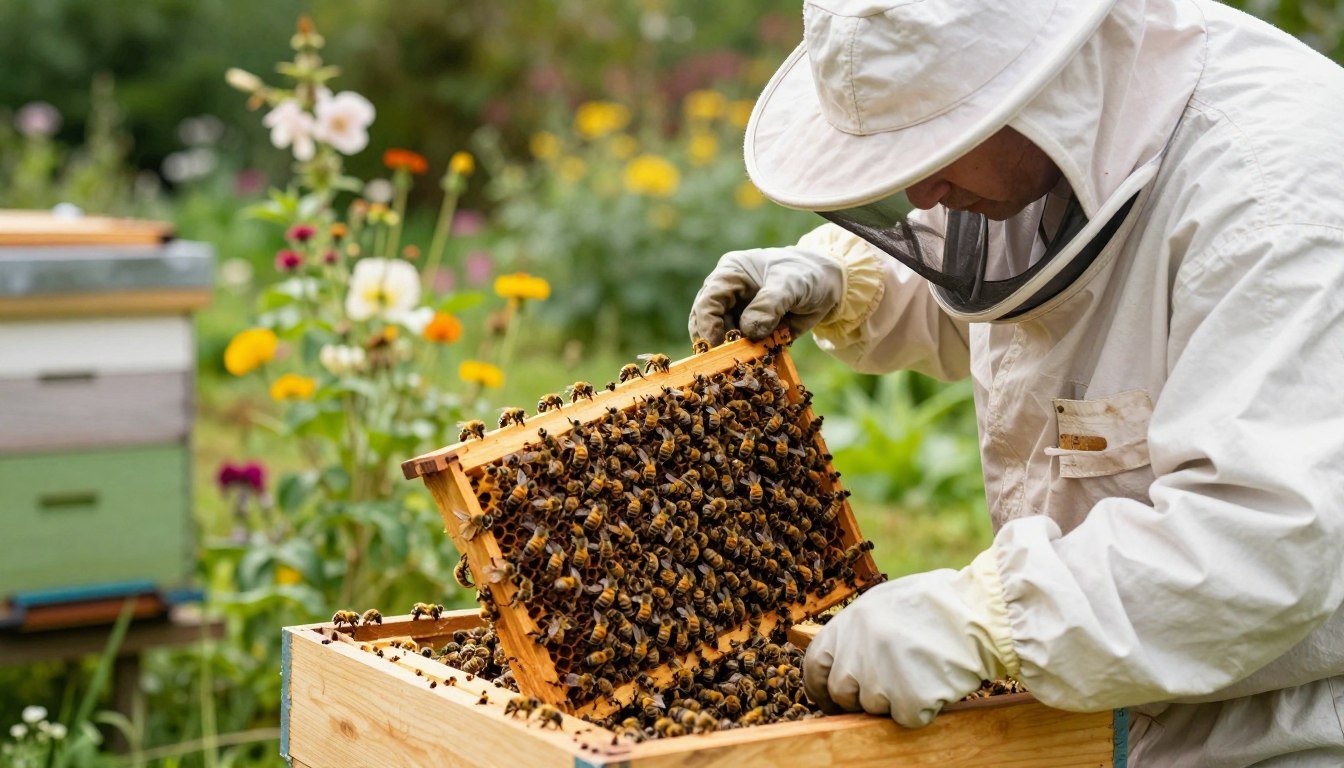
Locate the old queen among the brood. When you find her, remove and humanely kill the old queen; keeping her keeps the same genetics and behavior. Place the new queen in a cage between two frames for introduction.
Remember that change takes time: eggs require 21 days to become a worker. Expect several weeks before the hive temperament shifts and new queen pheromones spread through the brood.
- Use smoke sparingly—too much drives the queen into hard-to-reach areas.
- If you cannot work safely in place, moving the hive more than 3 miles can help reset for acceptance.
- Always wear protection and have help on hand when working difficult hives; safety matters for both keeper and bees.
For cage options and step-by-step introduction tips, consult a guide on queen cages for introduction (the same Dave Cushman reference cited above also covers aggressive-colony queen replacement in more depth). Once the old queen is out, the standard 24-hour wait, cage placement, and candy-release sequence is the same as for any colony — follow the general requeening guide from that point.
Managing Flying Bees During the Process
Move timing and small displacement matter when you need a calmer hive for inspection and introduction work.
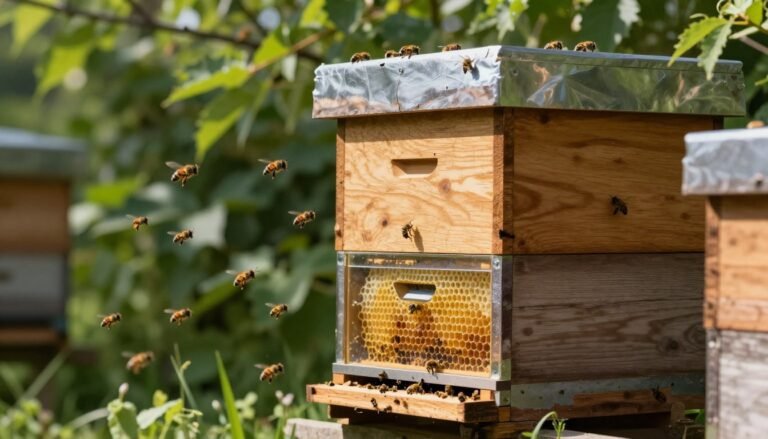
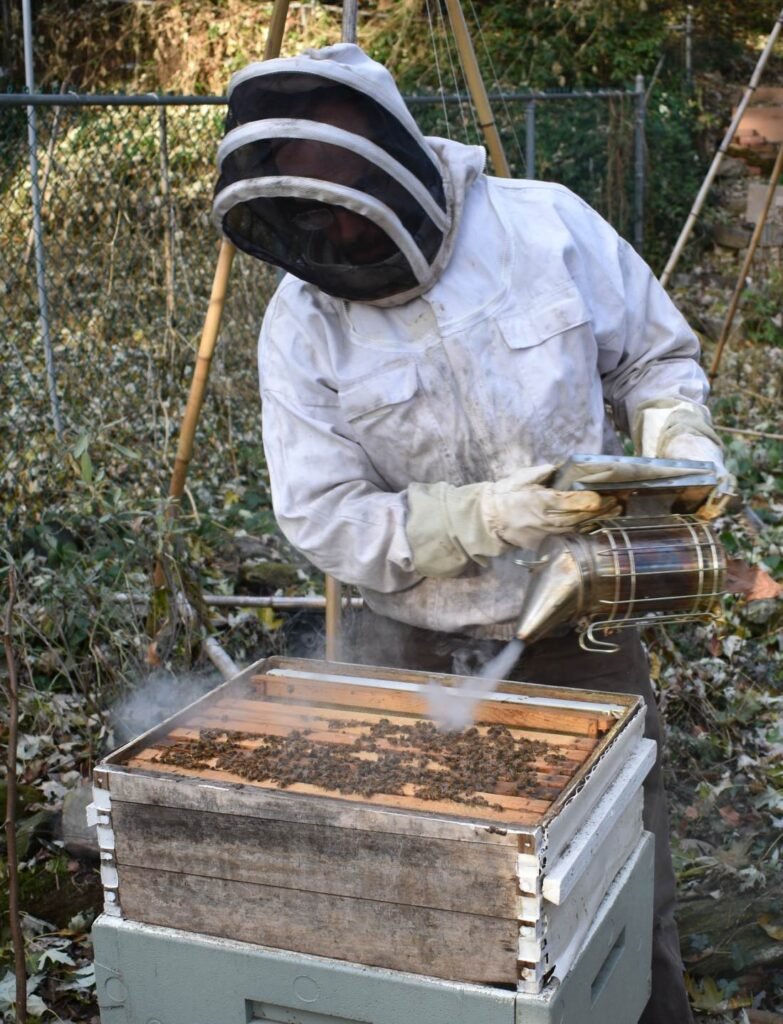
On warm, sunny days most foraging bees will be away. That leaves mostly young bees in the box. A brief, planned shift of the hive a few feet while foragers are out will reduce the number of flying bees at the entrance.
Utilizing Hive Displacement Tactics
Place a nuc on the original location after the short move. Returning foragers will fly back and enter the new box at the old site. This action effectively bleeds off the more defensive flying bees and protects the young bees left behind to care for the queen.
Cage the queen in the new setup for several hours or a day. A queen cage gives her protection from the influx of returning foragers and helps the hive accept new pheromones without heavy conflict.
- Use a light sugar-water spray to keep foragers occupied and limit heavy smoke.
- After a few hours, entrance activity often drops, making it easier to find queen and inspect frames.
- Once the flying bees have gone, the remaining young bees are far less likely to sting during frame work.
Timing and gentle displacement give the keeper a safer window for critical tasks.
For step-by-step rescue and handling techniques, see a practical guide at queen replacement notes, read targeted advice on dealing with defensive hives at defensive hive strategies, or explore rescue options at bee rescue techniques.
Advanced Techniques for Difficult Hives
When a hive shows persistent defense, advanced splits and protected introductions offer safer options.
Splitting into Nucleus Colonies
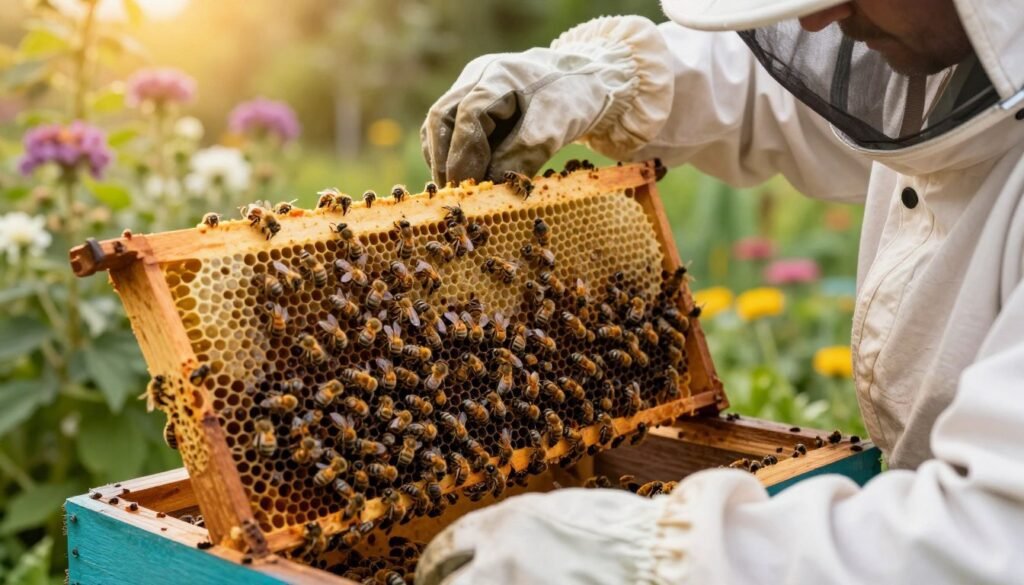
If the hive is too vicious for a full inspection, move frames into two or three nucs. Small boxes make it easier to find queen and reduce flying bees. After a few hours, behavior in each nuc will often reveal which holds the old queen.
Introducing Protected Queen Cells
When the queen cannot be located, place a protected queen cell between frames and leave it for three weeks. This option limits direct conflict during introduction and gives brood a chance to accept new stock.
Monitoring for Acceptance
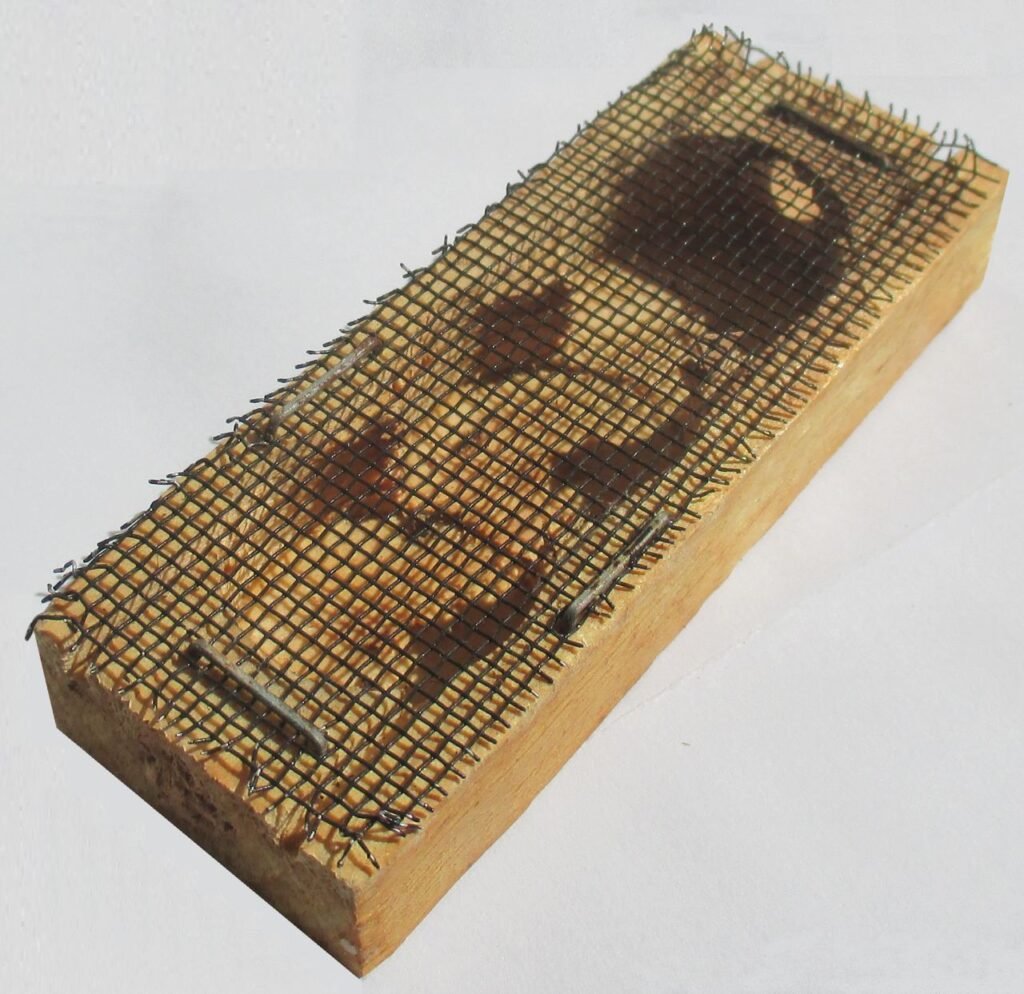
Once a new queen arrives in a queen cage, leave her for 48 hours before release. Check after 48 hours to confirm the bees have not killed her.
- Tip: Young bees in nucs accept new queens more readily than returning foragers.
- Release carefully by removing the cage tab or opening the cage manually after a few days.
| Action | Timing | Expected Result |
|---|---|---|
| Split into 2–3 nucs | Hours | Isolate queen; easier search |
| Introduce new queen in cage | 48 hours | Protected introduction; higher acceptance |
| Place protected queen cell | 3 weeks | Natural replacement when queen is unknown |
The same source on changing the attitude of a hot hive offers further practical notes on temperament. For placement and setup guidance, see beehive installation.
Conclusion
The final steps you take determine whether a new queen settles and colony temperament actually improves. Give the introduction enough time, confirm steady egg-laying before declaring success, and don’t judge temperament again until several weeks of new-queen pheromone have spread through the colony. If a first attempt fails, the fix is usually technique, not the bees.
Frequently Asked Questions
What signs show a hive needs a new queen?
Look for increased sting reports, frantic flight, frequent chasing of the beekeeper, and persistent aggression around the entrance. Poor brood patterns, many laying workers, or a gap in egg laying over several days also indicate queen problems. Check frames for uneven brood and scattered drone cells.
When is the best time for introducing a new queen?
Introduce a mated queen in spring or early summer when brood rearing and forage are strong. Warm, calm days reduce stress. Avoid introducing during dearths or heavy nectar flows. Plan introductions when frames of brood and young nurse bees are present for better acceptance.
Should I remove the old queen before placing a new one?
Removing the old queen first often lowers fighting and pheromone confusion, but it can increase aggression temporarily. Many beekeepers cage the replacement and let workers adjust pheromones over several days before release. Use a queen cage with candy or a Jenter-style introduction box for staged acceptance.
How long does it take for a colony to accept a new queen?
Acceptance ranges from a few days to a few weeks. With a proper introduction and strong nurse population, expect acceptance within 3–7 days; full calming and normalized behavior can take several weeks as the queen’s pheromones spread and new brood appears.
Will replacing with a young queen calm a hot-tempered hive?
Yes. Young, mated queens from gentle strains like Buckfast or Carniolan often improve temperament over time. Combined with removing old, aggressive workers through splits or nucs and ensuring ample brood, temperament usually moderates within a season.
What if the new queen is killed or rejected?
If rejection occurs, re-evaluate technique: ensure adequate nurse bees and introduce in a cage, delay release several days, and minimize disturbance. Consider introducing via a queen cell or performing a full split into a nuc with frames of brood and stores to increase likelihood of success.