Reviewed by Michael R. · Last Updated October 8, 2026 · How we review
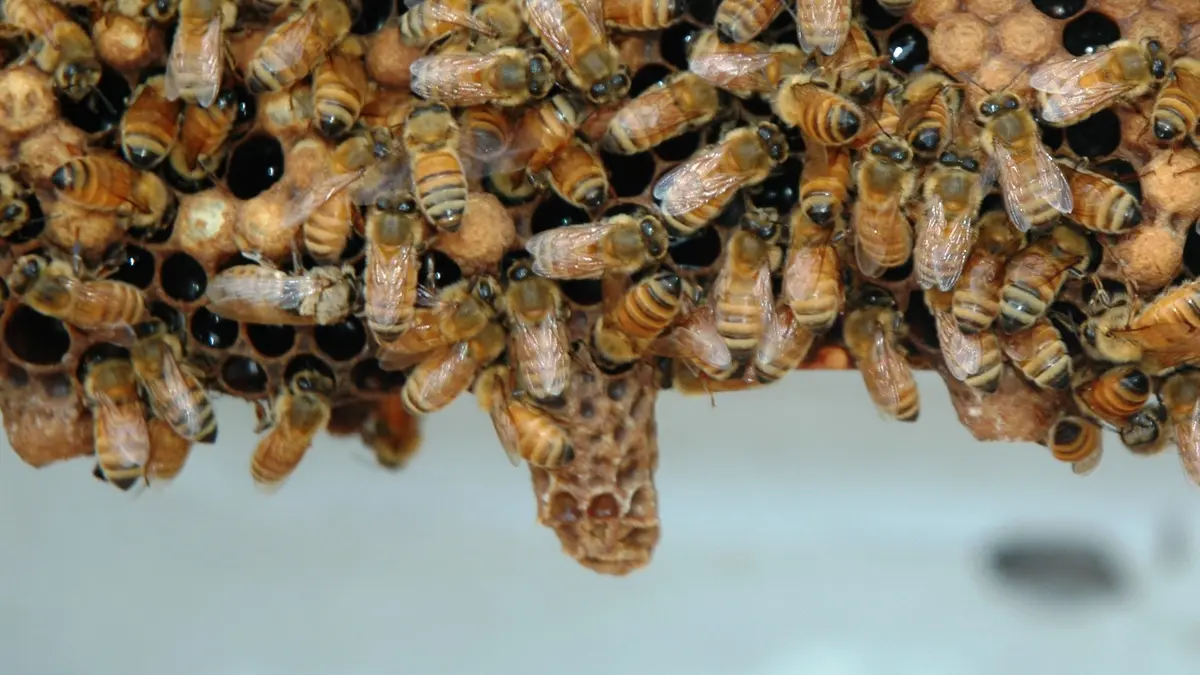
Your hive is preparing to swarm when queen cups along the bottom and side edges of the brood frames hold eggs or larvae in royal jelly, in a colony packed with bees and short of open comb. Backfilled nectar in the brood nest, plenty of drone brood and a queen laying less back that up. Once the first cell is capped, about eight days after the egg was laid, the old queen and half or more of the workers can leave at any time.
This page covers the signs. To head swarming off earlier, see our season-by-season swarm prevention playbook; for the biology, see why bees swarm and how to stop it.
Key Takeaways
- Empty queen cups are normal. A cup holding an egg or larva is a queen cell, and in a crowded colony it is the clearest swarm sign.
- Queen cells are capped about 8 days after the egg is laid, and the prime swarm usually leaves around then.
- Weekly inspections in swarm season catch every new cell while it is still open; a two-week gap can miss that stage.
- Crowding matters more than colony size. Backfilling, drone brood and a slimmer queen support the diagnosis but do not prove it.
- Swarming peaked from early April to early May in a six-year USDA study in Louisiana, and comes in late spring and early summer further north.
Table of Contents
- Queen Cups vs. Charged Queen Cells
- The Swarm Countdown: How Much Time You Have
- Crowding and a Backfilled Brood Nest
- Drones and Changes in the Queen
- Signs You Can See From Outside the Hive
- When Swarm Season Peaks in the US
- Frequently Asked Questions
- The Bottom Line
Queen Cups vs. Charged Queen Cells
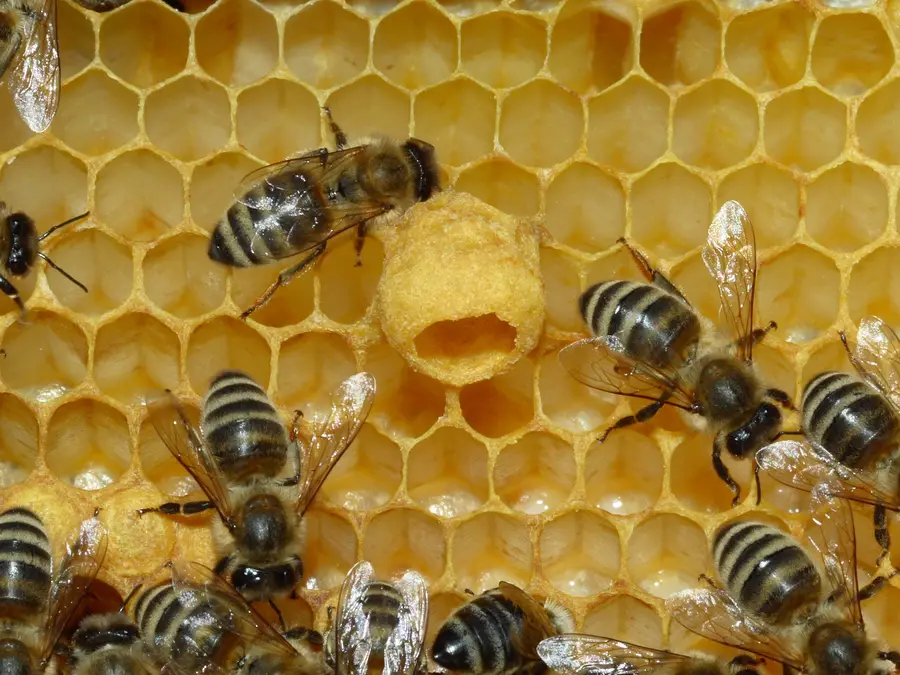
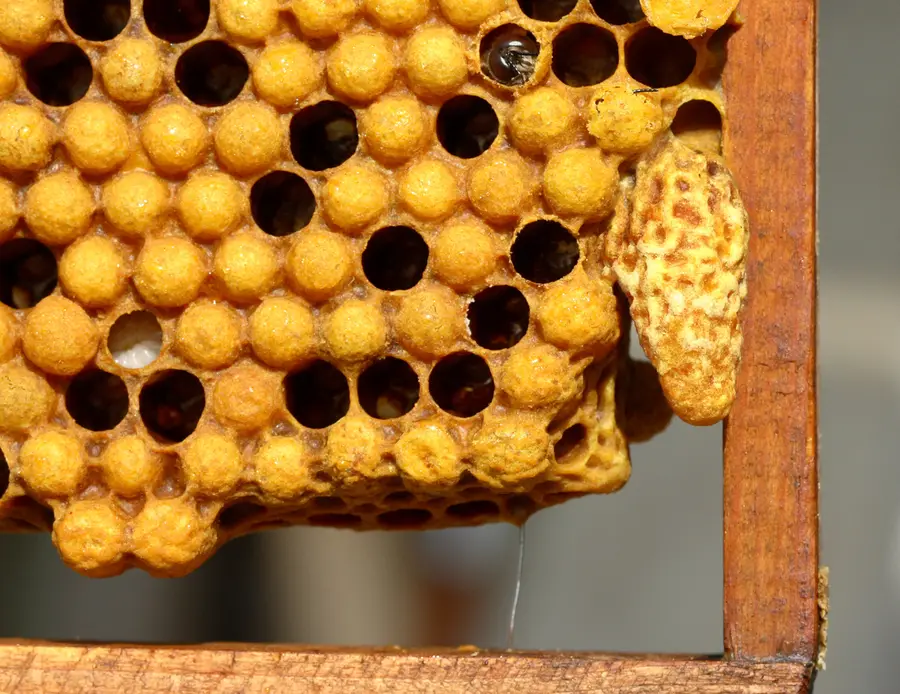
Queen cups are the shallow, downward-facing wax bowls bees build on the edges of comb. On their own they are not a warning: when M. Delia Allen followed 81 colonies over four summers for a 1965 paper in the Journal of Apicultural Research, every colony built cups at some point. A cup becomes a queen cell once the queen lays an egg in it and workers start lengthening it, as the University of Florida’s swarm-control guide puts it.
How to check a cup
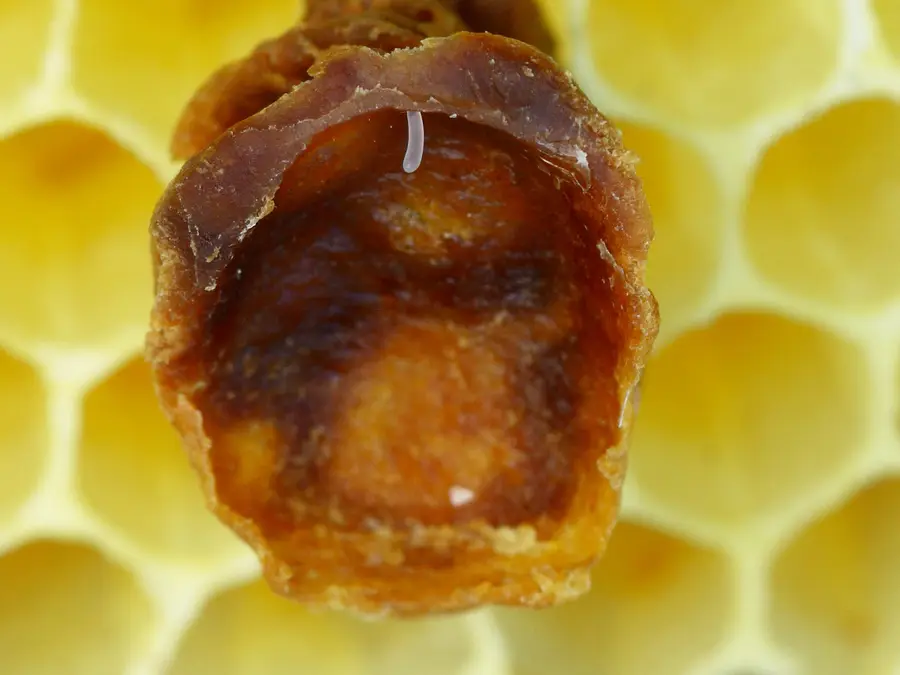
Tilt each brood frame toward the light and look into every cup along the bottom bar and side edges; a flashlight helps. An egg on the floor of the cup, or a larva in a pool of royal jelly, means it is charged. UF/IFAS says swarm preparations have likely begun when a colony with its queen has several such cells with larvae being fed.
Swarm cells or supersedure cells?
Penn State Extension explains that crowded colonies rear queens on the frame edges, where the queen’s pheromone is weakest, and that many queen cells are often the first visible cue. The Texas supplier The Bee Supply puts the usual swarm-cell count at 5 to 20. Supersedure cells are typically few and on the face of the comb, though UF notes a queen can be reared anywhere on a frame. See swarm cells vs. supersedure cells and spotting supersedure before the hive swarms.
Context matters: of the 25 colonies in Allen’s study that sealed queen cells, 16 superseded their queen and only 3 swarmed. Many cells in a crowded colony in spring point to swarming; one or two in a colony with patchy brood point to a failing queen.
The Swarm Countdown: How Much Time You Have
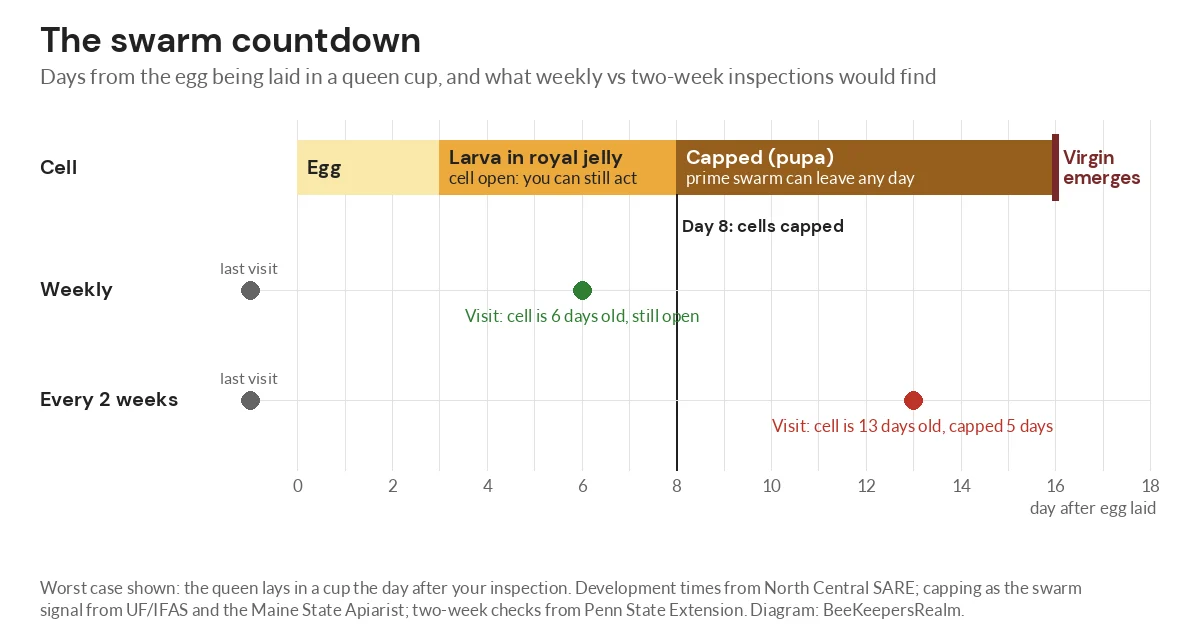
A queen develops on a fixed clock, so the cells tell you how far along the colony is. Days count from the egg being laid in the cup.
| What you find | Day | What it means |
|---|---|---|
| Empty, polished cups | None | Normal; no countdown yet |
| An egg in one or more cups | 0 to 3 | Queen rearing has begun |
| Larvae in royal jelly, cells lengthening | 3 to 8 | Swarm preparation under way; decide on this visit |
| First cells capped | About 8 | The signal to swarm; the prime swarm can leave any day |
| Capped cells, no eggs, no queen, far fewer bees | After 8 | The prime swarm has probably left |
| Virgin queens emerging | About 16 | Afterswarms led by virgin queens are possible |
Sources: development times, North Central SARE’s honey bee life-cycle sheet; capping as the swarm signal, UF/IFAS and the Maine State Apiarist.
“Once queen cells are capped, it is nearly impossible to stop your bees from swarming.”
Why weekly checks catch it
Inspect every 7 days and any new cell is at most about 7 days old when you see it, so still open. Penn State notes beekeepers typically check at least every two weeks, since a queen takes about 16 days to develop. That beats emergence but not capping: a cell started the day after an inspection is about 13 days old at the next one, capped for 5 days, and the swarm may be gone. That is our arithmetic from the published times, and why weekly checks are safer at the peak.
Crowding and a Backfilled Brood Nest
“Thus it is not necessarily that strong colonies swarm but rather that crowded ones do.”
Crowding makes queen mandibular pheromone, which normally holds back queen rearing, harder for workers to detect, and leaves the queen too few empty cells, UF explains. The Bee Supply’s rule of thumb: a top box more than 80% full of bees in spring or early summer is at risk.
Then watch the cells workers have just emerged from. In a colony heading for a swarm they are refilled with nectar instead of eggs, so the brood nest shrinks inward. Betterbee describes backfilled cells as often half to three-quarters full with a concave surface, unlike a young larva lying in a thin layer of brood food. Backfilling can also just mean a strong flow with no room in the supers, so read it alongside the queen cells.
Drones and Changes in the Queen
Penn State ties the late-spring population surge to the rearing of both new queens and drones. Look for domed drone cappings on frame margins and in burr comb between boxes. Betterbee’s rule: if no colony in your yard is raising drones, it is probably still too early for swarming. Drone brood alone proves nothing, since healthy colonies raise drones all spring and summer.
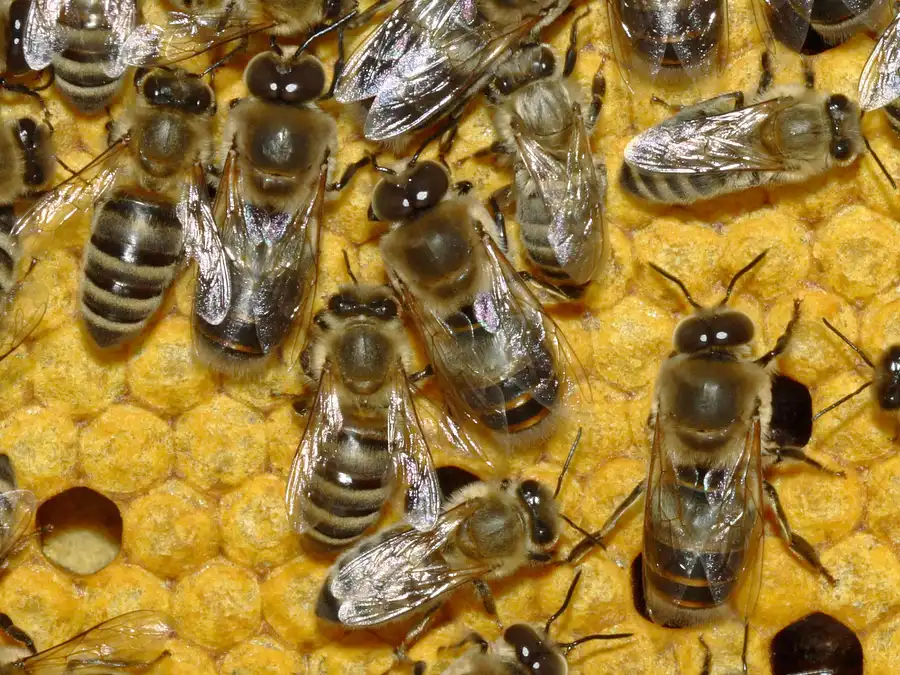
The queen changes too. A laying queen is often too heavy to fly, so before a swarm workers feed her less and “run” her around the frames until she loses weight and lays fewer eggs, the Maine State Apiarist explains. In a 1959 study in Animal Behaviour, Allen found workers shook the queen more often once swarm preparations began, peaking around the time the swarm left. On the frames, look for fewer eggs than the crowd of bees suggests and a queen who looks smaller. Neither is reliable alone; with charged cells, they confirm the colony is close.
Signs You Can See From Outside the Hive
- Bearding. Bees hanging on the hive front on hot evenings are usually cooling the colony; see why bees beard outside the hive. It points to swarming only in mild weather, in a hive already packed with bees.
- Scouts at empty equipment. European honey bees scout nest cavities before and right after the colony divides, a USDA-ARS study of swarming in Louisiana notes. Bees investigating stacked boxes or bait hives may be scouts; see what scout bees do before a colony swarms.
- Swarm day. Workers gorge on honey, foraging slows and the hive gets noticeably louder, according to UF/IFAS and the Maine State Apiarist. By then it is too late to inspect.
When Swarm Season Peaks in the US
The window moves with latitude and the nectar flow. UF/IFAS advises watching from about 2 to 4 weeks before the main flow.
| Region | When colonies swarm | Source |
|---|---|---|
| Southeast Louisiana | Peak early April to early May; nearly 20% of swarms in the last 10 days of April | Villa, USDA-ARS, 176 swarms, 1989 to 1994 |
| Southern Texas | Swarming stopped only in December and January | Rubink and colleagues, 1996, cited by Villa |
| Florida | Early spring, just before and during the main flow | UF/IFAS |
| Pennsylvania | Later in spring, ahead of the May and June flows | Penn State Extension |
| Maine | Spring, around the first good nectar flow | Maine State Apiarist |
Between about 32 and 50 degrees north, studies Villa reviewed found more than 80% of swarms within roughly two months of early spring, though UF notes crowded colonies occasionally swarm in fall. Cornell biologist Thomas Seeley, whose research we cover in Thomas Seeley and honeybee democracy, sums up the northern pattern:
“Beekeepers have long observed, and lamented, the tendency of their hives to swarm in the late spring and early summer.”
Frequently Asked Questions
Do queen cups mean my bees are going to swarm?
Not by themselves. Look inside: an egg or larva means queen rearing has started.
How long after queen cells are capped do bees swarm?
Usually right around capping, about 8 days after the egg. UF calls capping the signal to swarm; the Maine State Apiarist says the old queen leaves just before cells are capped.
How can I tell if my hive has already swarmed?
Capped queen cells, no eggs, no queen and far fewer bees than last week. Leave the cells: the Maine State Apiarist warns that cutting them after the queen has gone leaves the hive queenless.
What month do bees stop swarming?
There is no fixed month. Most swarms come in a spring window of about two months, earlier in the South; a crowded colony can occasionally swarm in fall.
How long does a swarm stay in one place?
From minutes to a couple of days, says the Maine State Apiarist. Louisiana swarms averaged about 20 daylight hours of scouting before moving.
The Bottom Line
The signs tell you when; the response is a separate decision. Penn State calls a split the most effective option once queen rearing starts; see when and how to split a hive, or keep the colony together with the Demaree method or a Snelgrove board. Plan next year with late-winter checkerboarding, and if a swarm has left, see how to catch a swarm safely.