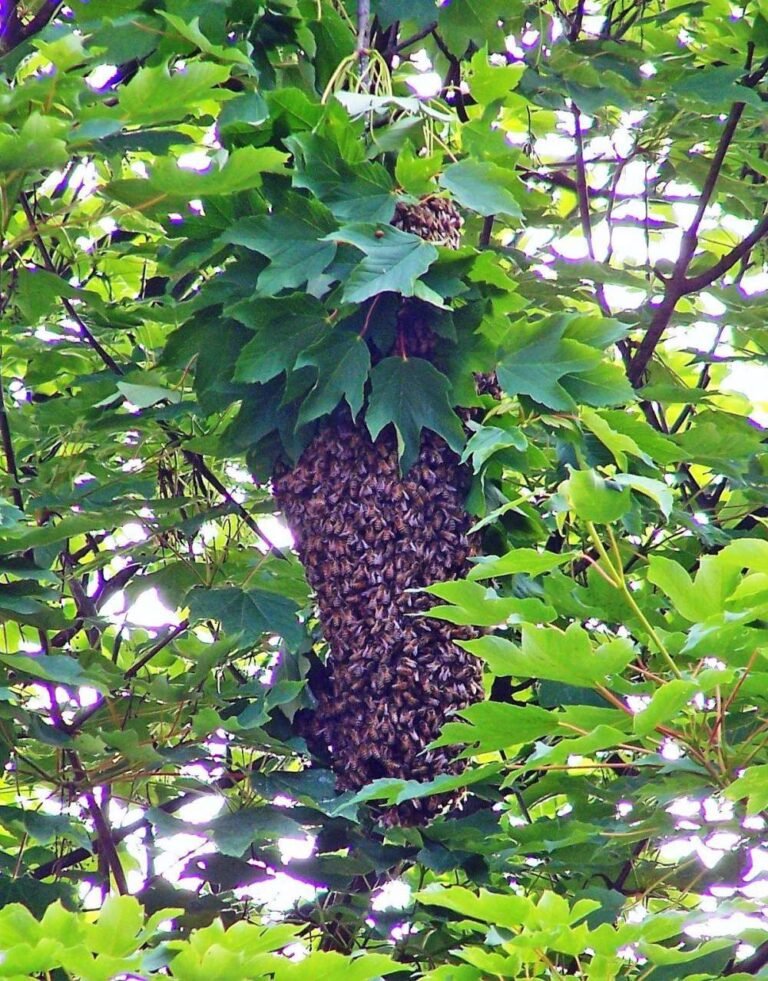
Thomas Seeley and the Discovery of Honeybee Democracy
Cornell biologist Thomas Seeley spent decades proving that honeybee swarms choose a new nest site through a genuine collective, democratic process run entirely by scout bees.

Swarming is how a colony reproduces. This section explains what triggers it, the pre-swarm signs to look for at inspections, and how scout bees choose a new home. It also covers how to prevent or control swarming using established methods such as the Demaree, Snelgrove board, Pagden, Taranov, checkerboarding and opening the brood nest (OSBN).
It also covers making splits and increase, and what to do once bees are in the air: catching a swarm safely, and attracting one with bait hives and pheromone lures.
Start here:
Cornell biologist Thomas Seeley spent decades proving that honeybee swarms choose a new nest site through a genuine collective, democratic process run entirely by scout bees.

Table of Contents What Swarm Lures Actually Do How Synthetic Pheromone Lures Work Swarm Commander Other Common Lure Options Where and How to Apply Lure Lure Alone Isn’t Enough: Trap…

Table of Contents What a Cut-Down Split Is Why Sending the Queen Away Maximizes Honey The Opposite of Pagden: A Useful Way to Understand It When to Do a Cut-Down…
Table of Contents What the Taranov Method Is Why This Sorting Actually Works Where the Method Comes From Equipment Needed Step-by-Step Process What Happens to the Parent Colony Hiving the…
Table of Contents What the Pagden Method Is Why Moving Hives Works as Swarm Control Where the Method Comes From Equipment Needed Day 1: Initial Setup Day 6-7: The Second…
Table of Contents What OSBN Is Why Triggering Wax-Building Prevents Swarming Who This Method Is Built For Equipment Needed Initial Setup: 3 Weeks Before Swarm Season Repeat Schedule: Every 7-10…
Table of Contents What a Snelgrove Board Is The Key Principle: Separating Foragers from Nurse Bees Where the Method Comes From Why the Door Sequence Actually Works Equipment Needed Day…
Table of Contents What Checkerboarding Is The Theory: Survival Before Reproduction Where the Method Comes From What You Need Step-by-Step Process Timing Is Everything Checkerboarding vs. the Demaree Method Honest…
Table of Contents What the Demaree Method Is Why It Works: Separation Without Splitting Demaree vs. a Regular Split The Box-by-Box Setup Step-by-Step Instructions The One-Week Follow-Up: Removing Queen Cells…
Learn the signs of an overcrowded hive before swarm cells appear: seam counts, nectar in the brood nest, bearding look-alikes, and what to do at each stage.

Learn how to split a hive without killing the queen safely with our step-by-step guide. Discover expert tips and best practices for successful beekeeping.

Learn about why bees swarm and how to stop it. Discover effective methods to prevent swarming and maintain healthy bee colonies.

Learn the steps for catching a swarm safely with our expert guide. Discover best practices for safe beekeeping and successful swarm capture.
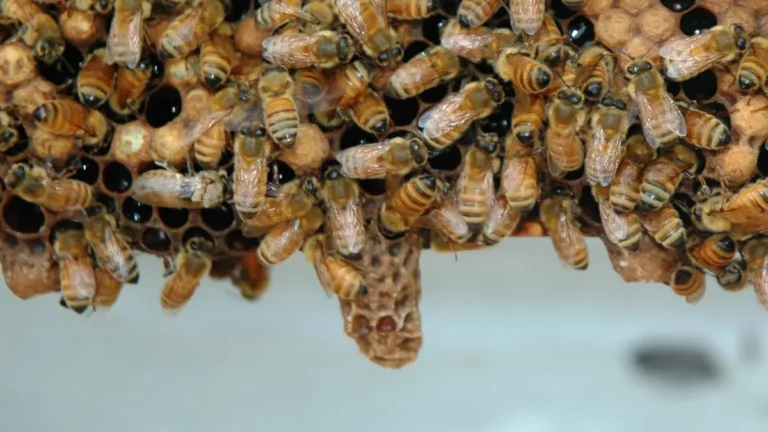
Queen cups holding eggs or larvae along the frame edges of a crowded hive are the clearest sign of swarm preparation. How to read them, how many days you have, and when swarm season peaks across the US.
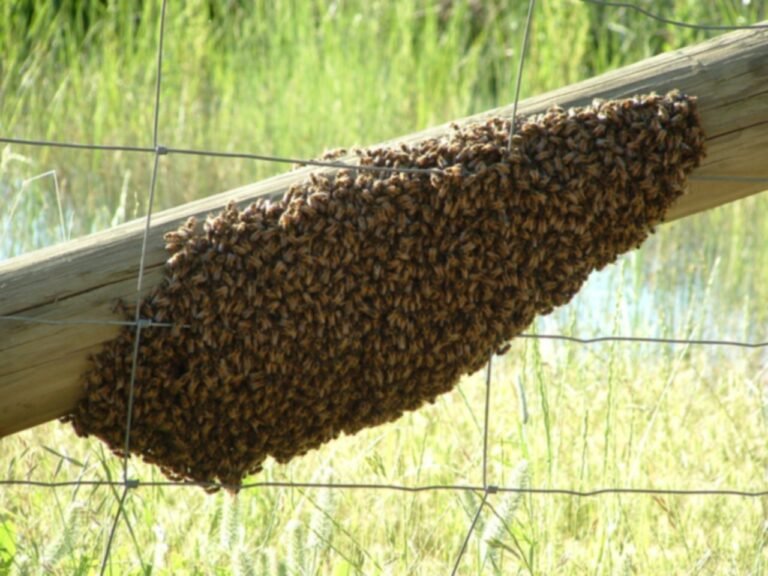
Prevent swarming by stopping queen cells before they start: a season-by-season plan for space, reversals, young queens and 7-day checks, plus what to do next.

When to split a beehive and how: strength and timing rules from four university extension programs, three splitting methods, and a day-by-day timeline from split to laying queen.

Discover the best methods on how to attract bees to a new hive. Expert advice for a thriving bee colony.

Learn about Nest-site scouting: how bees evaluate cavities with our expert guide. Discover the science behind bee decision-making.
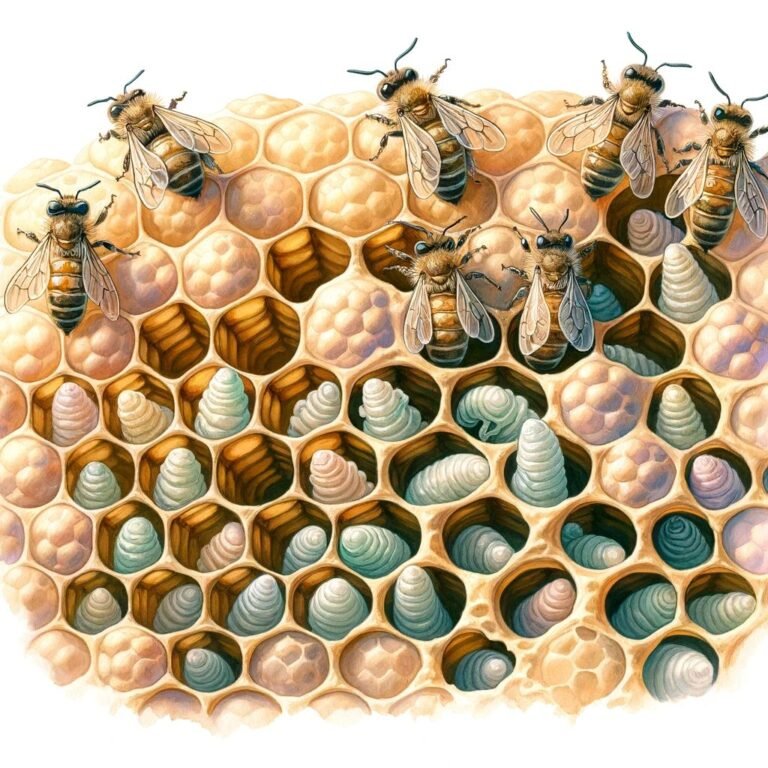
The real difference between swarming and supersedure: one is how a colony reproduces, the other is how it replaces a failing queen.

How scout bees search for a new nest site, signal quality through the waggle dance, and reach consensus through quorum sensing.