Last Updated September 15, 2026
Heather honey is a gel, not a liquid, straight out of the comb — a genuine physical property called thixotropy, meaning it stays firm until stirred or agitated, at which point it temporarily turns liquid — and that single trait is why it can’t be spun out in a normal extractor and has to be pressed from the comb instead. Produced mainly from ling heather (Calluna vulgaris) on the moorlands of Scotland, the wider British uplands, and a handful of other heathland regions, it’s one of the most labor-intensive honeys a beekeeper can produce, and the reasons why are worth understanding before buying or attempting to harvest it.
Key Takeaways
- Heather honey’s thixotropic gel consistency means it can’t be extracted by a standard centrifugal extractor — beekeepers press it from the comb using a linen or cheesecloth bag and a fruit press, or a purpose-built “heather press.”
- Ling heather’s nectar flow window is extremely short — commonly cited as only 4 to 6 days of significant flow during the entire flowering season — which is the main reason heather honey is produced in small, prized quantities.
- British beekeepers have a real, dated tradition of moving hives to the moors around August 12 (known as the “Glorious Twelfth,” also the opening of grouse-shooting season) to catch the ling heather bloom.
- The flavor is genuinely distinctive: reddish-orange to dark amber in color, with a strong, slightly bitter, tangy, smoky taste that lingers — not a honey most first-time tasters mistake for a mild clover or wildflower variety.
- Moorland terrain is difficult to access, which adds real logistical cost (moving hives to remote sites) on top of the low yield and labor-intensive pressing, explaining why heather honey commands a premium price relative to more common varietals.
Table of Contents
- Why Heather Honey Is a Gel, Not a Liquid
- Pressing: The Extraction Method It Requires
- The Glorious Twelfth and a Brutally Short Bloom
- Flavor, Color, and Where It’s Produced
- Frequently Asked Questions
Why Heather Honey Is a Gel, Not a Liquid
Most honey is a supersaturated sugar solution that eventually crystallizes into a solid if left undisturbed, but stays liquid enough to pour immediately after extraction. Ling heather (Calluna vulgaris) nectar behaves differently: it produces honey with a real, named physical property called thixotropy — the honey sets into a firm, spreadable gel in the comb and in the jar, but turns temporarily liquid when stirred, shaken, or agitated, then re-thickens once left still again. This isn’t crystallization and isn’t a sign of anything wrong with the honey; it’s a distinct rheological property of the honey itself, caused by its particular protein content interacting with its sugars.
The practical consequence is significant: a jar of genuine heather honey won’t pour out of the jar the way a liquid honey does until you stir it, and even then it will set back into a gel again shortly after.
Pressing: The Extraction Method It Requires
Because a standard centrifugal extractor relies on liquid honey flinging outward under spin, it doesn’t work on heather honey’s gel — the comb simply won’t release it that way. Instead, beekeepers cut or scrape the wax comb down close to the midrib, pack it into a linen or cheesecloth bag, and squeeze the honey out under pressure, either in a repurposed fruit press or a purpose-built “heather press” designed specifically for this job. Keeping the temperature under roughly 95°F (35°C) during pressing matters, since heating the gel to force it to flow would degrade the honey’s flavor and enzyme content rather than solve the extraction problem cleanly.
This pressing step is genuinely more labor-intensive than a normal extraction run, and it yields less honey per pound of comb than spinning does, since some honey inevitably stays trapped in the pressed wax — a real, direct cost that gets reflected in the honey’s retail price.
The Glorious Twelfth and a Brutally Short Bloom
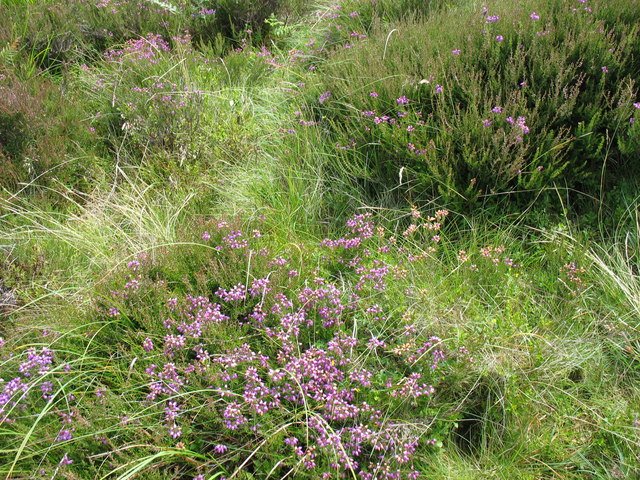
Ling heather’s nectar flow isn’t just seasonal — it’s narrow within its own season. Beekeepers who chase it commonly report a peak flow lasting only about 4 to 6 days within the several-week flowering window, meaning a hive has to be in exactly the right place, with a strong enough population to capitalize on it immediately, or the opportunity passes for the year. British beekeepers have built a real, dated tradition around this: moving hives up to the moors around August 12, a date better known as the “Glorious Twelfth,” which also marks the traditional opening of the UK grouse-shooting season — an odd but genuine historical overlap between two very different countryside traditions sharing the same date because both depend on the same heather-covered upland terrain coming into its short annual window.
Moving hives to remote, often difficult-to-access moorland adds real logistical cost most beekeepers don’t face with a stationary apiary — a further, compounding reason heather honey stays a limited, prized product rather than a mainstream commodity honey.
“At a time of year when bees can struggle to find sufficient forage elsewhere, moorland provides the perfect location for bees.”
— Gavin Ramsay, Science Officer, Scottish Beekeepers Association
Flavor, Color, and Where It’s Produced
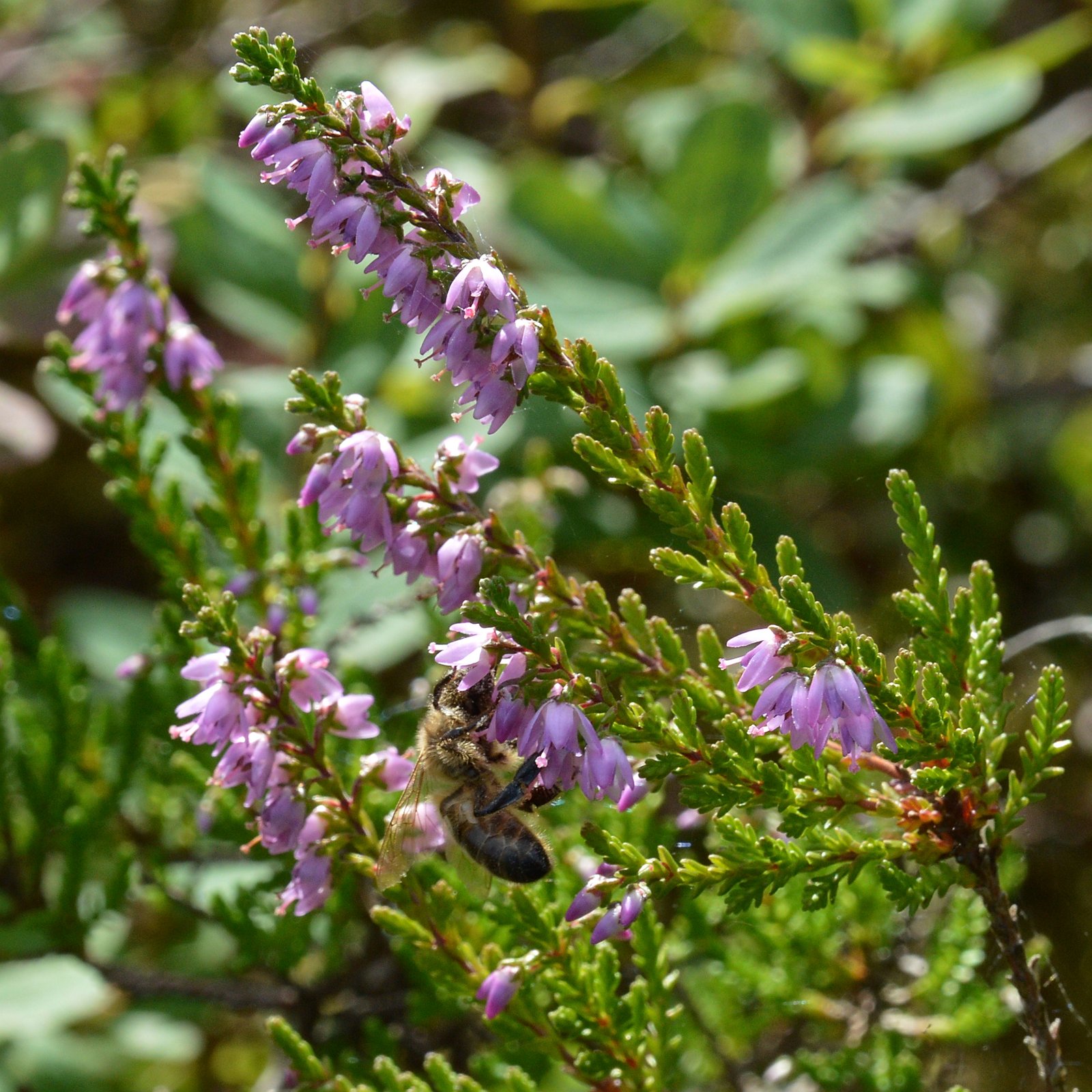
Genuine heather honey has a distinctive, strong flavor profile: reddish-orange to dark amber in color, with a taste commonly described as slightly bitter, tangy, and smoky alongside its sweetness, and an aroma reminiscent of the heather flower itself — a lingering, warm, woody character that’s noticeably different from a mild wildflower or clover honey. Scotland and the wider British uplands (including Wales) are the best-known production regions, but ling heather also grows and is worked by beekeepers in Germany’s historic Lüneburg Heath, and in parts of Spain, France, Norway, Denmark, Italy’s Piedmont region, and New Zealand.
Heather honey isn’t just prized for scarcity — it also tests well for antioxidant content. A 2025 study of Irish monofloral honeys published in the International Journal of Molecular Sciences found heather honey had the highest total phenolic content of the varieties tested, at 104.8 mg gallic acid equivalents per 100g, ahead of manuka honey’s 93.86 mg/100g in the same comparison (Browne, Kavanagh & Devery, 2025). The same study measured heather honey’s antioxidant capacity via ORAC assay at roughly 71.5 µM Trolox equivalent per gram.
| Property | Heather Honey | Typical Wildflower Honey |
|---|---|---|
| Texture | Thixotropic gel (sets firm, liquefies when stirred) | Free-flowing liquid |
| Extraction method | Pressed from comb | Centrifugal extractor |
| Total phenolic content | ~104.8 mg GAE/100g | Typically lower, varies by floral source |
| Nectar flow window | 4–6 days of peak flow | Often several weeks |
| Relative price | Premium | Standard |
Frequently Asked Questions
Is heather honey supposed to be a gel instead of liquid?
Yes — this is a real, named property called thixotropy, not a defect or crystallization. Genuine heather honey sets as a firm gel and only turns liquid temporarily when stirred or shaken.
Why can’t heather honey be extracted with a normal honey extractor?
Its gel-like consistency won’t fling out of the comb under centrifugal spin the way liquid honey does. Beekeepers press it out of the comb instead, using a cloth bag and a fruit press or a purpose-built heather press.
Why is heather honey more expensive than most other honey varieties?
A combination of factors: an extremely short annual nectar flow (often just 4–6 days), the added cost and difficulty of moving hives to remote moorland, and a labor-intensive pressing extraction method that yields less honey per pound of comb than spinning.
What does heather honey taste like?
Distinctive and strong — commonly described as reddish-orange to dark amber in color, with a slightly bitter, tangy, smoky taste and a warm, woody aroma that lingers, quite different from a mild clover or wildflower honey.
What is the “Glorious Twelfth” and what does it have to do with honey?
August 12 is a traditional date in Britain when beekeepers historically move hives onto heather moorland to catch the ling heather bloom. The same date is also the traditional opening of the UK’s grouse-shooting season — an unrelated coincidence tied to the same upland terrain coming into season.
Where is most heather honey produced?
Scotland and the wider British uplands (including Wales) are the best-known sources, though ling heather is also worked by beekeepers in parts of Germany, Spain, France, Norway, Denmark, Italy, and New Zealand.
Readers interested in the underlying source can consult National Honey Board.
Related Reading
Image credits: Photo: Ryan Hodnett, CC BY-SA 4.0, via Wikimedia Commons.