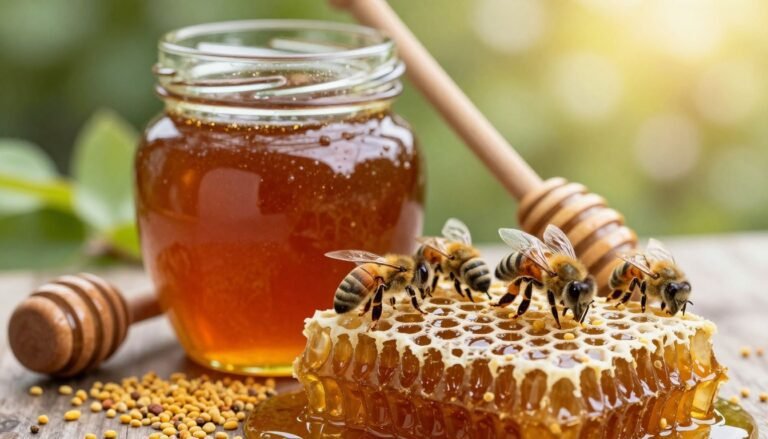
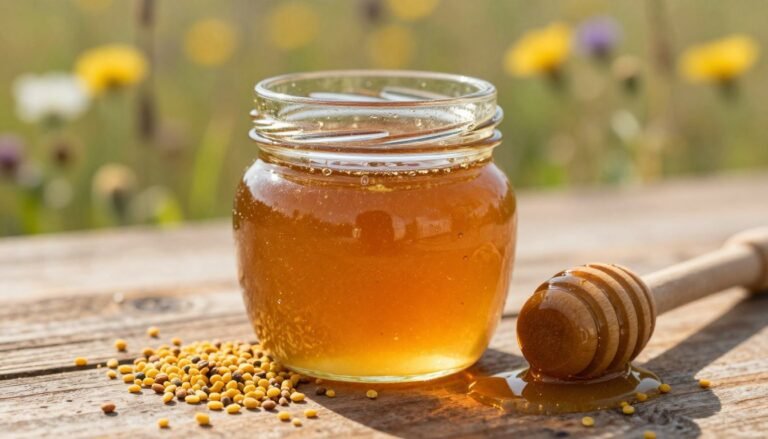
Among American single-source honeys, sourwood occupies a genuinely unique position: it’s produced almost exclusively in a narrow band of the southern Appalachian Mountains, harvested during a bloom window that sometimes lasts only two to three weeks, and prized by serious honey enthusiasts for a flavor complexity that’s difficult to find anywhere else. This guide covers what sourwood honey genuinely is, the specific tree and mountain terrain that make it so geographically limited, its distinctive and layered flavor profile, and exactly why it commands a premium price rooted in real, biological scarcity rather than clever marketing.
Table of Contents
- What Sourwood Honey Actually Is
- Why It’s Confined to a Narrow Slice of Appalachia
- The Flavor: Buttery, Caramel, and a Hint of Spice
- A Genuine Rarity: Resistance to Crystallization
- Why Harvesting It Is So Labor-Intensive
- A Genuine Cultural Tradition: The Sourwood Festival
- How It Compares to Other Rare Single-Source Honeys
- Common Mistakes
- Culinary Pairings Worth Trying
- Frequently Asked Questions
What Sourwood Honey Actually Is
Sourwood honey is a monofloral honey produced when honeybees forage predominantly on the blossoms of the sourwood tree, Oxydendrum arboreum, a species native specifically to the southern Appalachian Mountains, with meaningful commercial production concentrated in parts of North Carolina, Tennessee, Virginia, and Georgia. The sourwood tree itself, sometimes called the “lily of the valley tree” for its cascading clusters of small, bell-shaped white flowers, blooms for a genuinely brief window in early-to-mid summer, and beekeepers who genuinely want to produce a jar of true sourwood honey have to have hives positioned in exactly the right mountain locations at exactly the right moment in the calendar to capture it before the window closes.
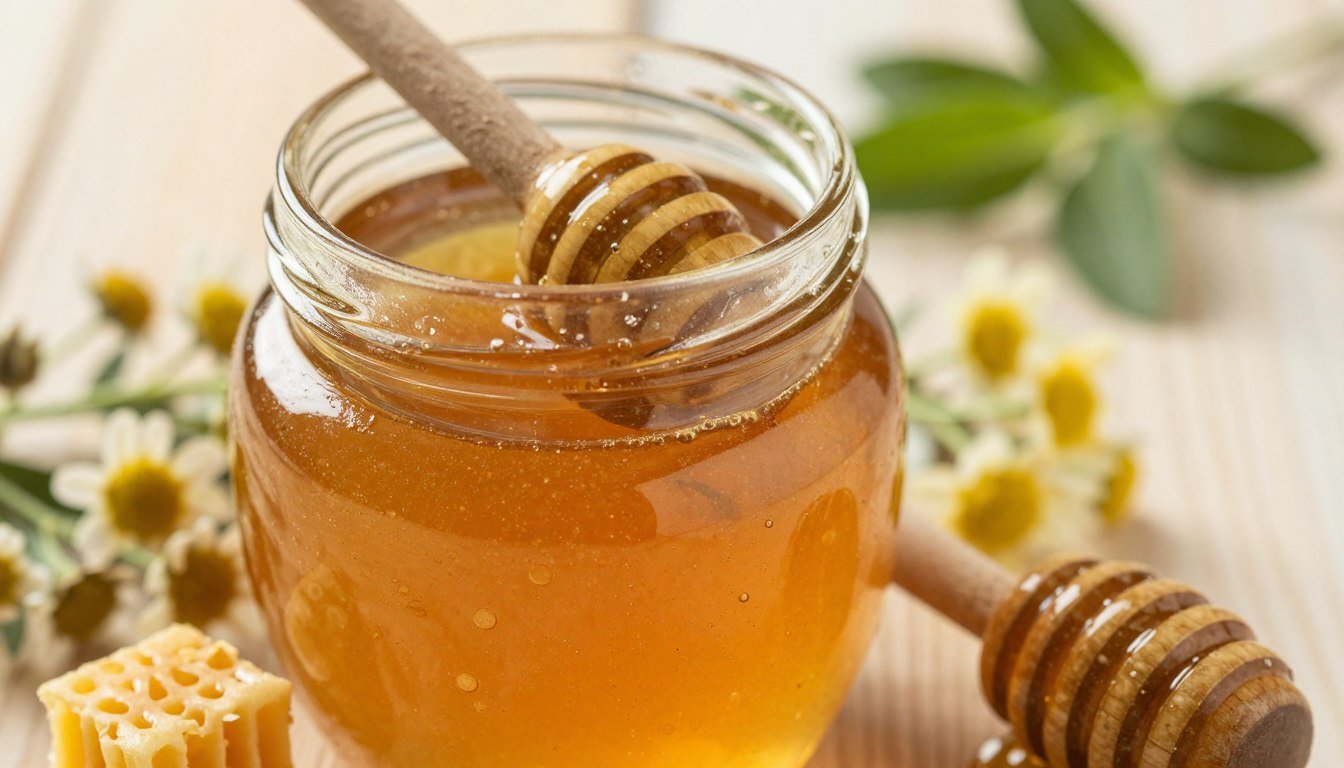
Are there other plants nicknamed “sourwood” that might cause confusion?
The common name “sourwood” is specific enough that confusion is rare, though the tree is also sometimes called “sorrel tree” or “lily of the valley tree” in different regional traditions, all referring to the same species, Oxydendrum arboreum, rather than to different, unrelated plants.
Why It’s Confined to a Narrow Slice of Appalachia
Sourwood trees have a genuinely limited native range, growing primarily in the acidic soils, shaded slopes, and cool mountain hollows characteristic of the southern Appalachians, terrain that isn’t easily replicated or expanded into elsewhere. This already narrow geographic range is further compounded by the sourwood tree’s genuinely brief annual bloom period, typically just a few weeks sometime in June or July depending on elevation and that year’s specific weather, meaning even beekeepers with hives in the right general region need favorable timing and weather during that exact window to produce a meaningful sourwood harvest at all. This combination, limited native range plus a narrow annual bloom window, is the real, biological reason behind sourwood honey’s scarcity, distinct from purely artificial scarcity sometimes used as a marketing device for other specialty products.
The Flavor: Buttery, Caramel, and a Hint of Spice
Sourwood honey’s flavor is frequently described by honey enthusiasts as one of the most complex and distinctive of any American single-source honey. Tasting notes commonly mention a smooth, buttery sweetness with a caramel-like finish, underpinned by subtle spice notes that some tasters describe as anise-like or faintly reminiscent of clove, a combination that sets it apart from the simpler, more one-dimensional flavor profile of many wildflower or clover honeys. The color typically runs light amber to golden, and the overall tasting experience is often compared favorably to the complexity found in fine wine or specialty coffee, a large and genuine part of why sourwood has developed such a loyal, devoted, and genuinely enthusiastic following specifically among serious honey collectors and connoisseurs across the country over the years.
Do bees have a preference for sourwood blossoms over other summer forage?
Honeybees will readily work other available summer forage alongside sourwood, so a truly monofloral sourwood harvest depends heavily on beekeepers positioning hives specifically where sourwood trees genuinely dominate the surrounding forage, minimizing competing bloom sources during that narrow window rather than relying on the bees’ preference alone to produce a purely single-source result.
A Genuine Rarity: Resistance to Crystallization
Most raw, unprocessed honey crystallizes eventually, some varieties within weeks, others over many months, a natural process driven largely by a honey’s specific glucose-to-fructose ratio. Sourwood honey is a genuine outlier here, remaining pourable and liquid for an unusually long time, often many months to well over a year, without the granulation that affects most other raw honey varieties in a comparable timeframe. This trait adds further to its desirability among honey enthusiasts, since a jar of sourwood honey tends to stay in its most visually and texturally appealing liquid state considerably longer than most alternatives without needing any special storage precautions.
Does weather variability from year to year significantly affect sourwood honey quality or quantity?
Yes, considerably more than for honey varieties drawing on a longer, more forgiving bloom season; a poorly timed cold snap, drought, or heavy rain during the brief sourwood bloom window can meaningfully reduce or even eliminate a given year’s harvest for beekeepers in the affected area, part of why experienced Appalachian producers pay such close attention to that specific window each summer.
Why Harvesting It Is So Labor-Intensive
Producing sourwood honey commercially is genuinely demanding work compared to harvesting honey from more accessible, lower-elevation forage. Beekeepers often need to physically relocate hives into remote, steep, mountainous terrain specifically to position them near blooming sourwood stands, sometimes hauling equipment up narrow mountain roads or trails that aren’t easily accessible by standard truck. Because the sourwood bloom window is genuinely so brief each year, correctly timing hive placement, arriving at the right spot neither too early nor too late relative to that particular year’s actual bloom, requires considerable accumulated local knowledge and hard-won beekeeping experience, and a single mistimed or weather-disrupted season can mean a beekeeper produces little to no true sourwood honey that year despite the effort invested.
A Genuine Cultural Tradition: The Sourwood Festival
Sourwood honey’s regional importance runs deep enough to support its own long-standing cultural celebration: the Sourwood Festival, held annually in Black Mountain, North Carolina, has drawn visitors for decades specifically to celebrate the local honey harvest, featuring honey tastings, local beekeeper vendors, and Appalachian crafts and music. Events like this reflect something genuine about sourwood honey’s place in southern Appalachian culture, not merely a specialty product marketed to outside honey enthusiasts, but a harvest with real, longstanding local significance tied to the region’s identity and mountain beekeeping tradition.
Is sourwood honey judged and awarded at any competitions?
Yes, sourwood honey is regularly entered into honey competitions and county fair judging across the Appalachian region, and a strong showing at these competitions has become a genuine point of pride for local beekeepers, further reinforcing the honey’s standing as a serious, respected product rather than merely a tourist novelty.
How It Compares to Other Rare Single-Source Honeys
Sourwood shares the broad category of geographically-limited, connoisseur-prized American single-source honey with a couple of other varieties covered on this site, though each has its own distinct story. Tupelo honey, sourced from white tupelo gum trees in the Apalachicola River Basin, shares sourwood’s slow-to-crystallize trait but comes from an entirely different tree, region, and flavor profile. Buckwheat honey, by contrast, is dark, bold, and molasses-like, essentially sourwood’s flavor opposite despite both being prized single-source American varieties. Together, these three represent some of the most distinctive regional honey stories available in the US, each rooted in genuine botanical and geographic scarcity rather than manufactured rarity.
Is sourwood tree pollen used for anything besides honey production?
Sourwood trees are also valued ornamentally for their attractive white summer blooms and vivid red-to-purple fall foliage, and some beekeepers and landowners plant additional sourwood trees specifically to help support and expand future honey production potential in a given area, a long-term investment given how many years a young sourwood tree needs before it blooms reliably.
What should someone new to sourwood honey expect the first time they try it?
A pleasant surprise if their prior experience is limited to generic grocery-store wildflower or clover honey; the buttery, caramel-forward sweetness with a lingering, faintly spiced finish often reads as noticeably more complex and layered than most everyday honey, closer in spirit to sampling a well-made artisanal product than a standard pantry staple, which is exactly the reaction that has built sourwood’s devoted following among serious honey enthusiasts over the years.
One final consideration for buyers: because a genuine sourwood harvest depends so heavily on that year’s specific weather during the bloom window, prices and available quantity can fluctuate noticeably from one year to the next, so buyers who find a good, reasonably priced source in a strong harvest year may reasonably want to stock up rather than assume the same supply and pricing will hold the following season.
Common Mistakes
A common mistake is assuming any honey labeled “mountain honey” or produced generally in Appalachia is genuine sourwood honey, when true single-source sourwood requires bees foraging predominantly on sourwood blossoms specifically during that brief bloom window, not just general regional origin. Another mistake is assuming sourwood honey’s resistance to crystallization means it can be stored indefinitely without any degradation; like all honey, it can still darken, lose some aroma complexity, or eventually ferment if stored improperly, even if visible granulation specifically remains unusually slow to develop. People sometimes also balk at sourwood’s premium price without understanding the genuine, biology-driven scarcity behind it, unlike some specialty honey pricing that reflects marketing positioning more than actual production difficulty.
Culinary Pairings Worth Trying
Sourwood’s buttery, caramel-spiced complexity makes it a genuinely versatile choice in the kitchen, particularly for pairings that let its flavor stand on its own rather than getting lost in stronger competing flavors. It’s frequently recommended drizzled over warm biscuits or cornbread, a distinctly Appalachian pairing tradition, as well as over vanilla ice cream, plain yogurt, or a mild cheese board where its caramel and spice notes have room to come through clearly. Because genuine sourwood honey is a premium, relatively expensive product, most enthusiasts recommend reserving it for these kinds of simple pairings rather than baking with it directly, since high heat can diminish some of the more delicate aromatic complexity that makes sourwood worth seeking out in the first place. Buyers concerned about authenticity when purchasing any premium single-source honey, sourwood included, can find general guidance in this site’s guide to spotting fake or adulterated honey.
For where sourwood fits among the other nectar trees, see the U.S. nectar tree bloom table.
Sources
For additional authoritative detail on this topic, see the National Honey Board’s honey varietal guide.
Frequently Asked Questions
Can sourwood trees be grown outside the Appalachian region to expand production?
Sourwood trees can technically be planted as ornamentals in a somewhat broader range than their wild native habitat, but replicating the specific combination of acidic soil, elevation, shade patterns, and cool mountain microclimate that produces commercially meaningful bloom density has proven difficult outside its native Appalachian range, which is a large part of why sourwood honey production hasn’t meaningfully expanded to other regions despite the honey’s popularity and premium price.
Roughly how much genuine sourwood honey is produced in a typical year?
Total annual production is relatively small compared to major commodity honey varieties, concentrated among a limited number of Appalachian beekeepers with hives positioned specifically for the sourwood bloom, and total output can swing meaningfully from year to year depending on how favorable weather was during that particular season’s brief bloom window.
Why is sourwood honey more expensive than typical wildflower honey?
Its price reflects genuine scarcity: a narrow native tree range confined to the southern Appalachians, a brief annual bloom window of just a few weeks, and the labor-intensive process of positioning hives in remote mountain terrain to capture it.
Does sourwood honey ever crystallize at all?
Eventually, yes, since essentially all raw honey crystallizes given enough time, but sourwood is notably slower to do so than most other varieties, often remaining liquid for many months to over a year under normal storage.
How can I tell if a jar labeled “sourwood honey” is genuine?
Buying from a known, reputable Appalachian producer, ideally one transparent about hive location and harvest timing, is the most reliable approach, since sourwood’s distinctive buttery, caramel, faintly spiced flavor profile is difficult to convincingly fake with a blended or mislabeled product.