Last Updated September 15, 2026
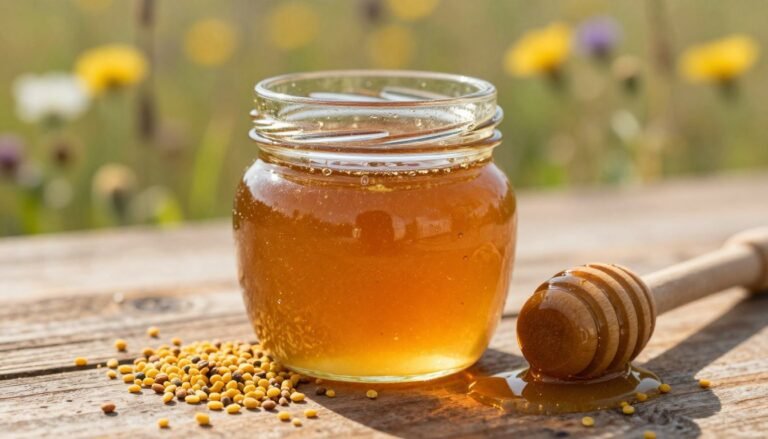
Tasmania’s most famous honey variety comes from a tree that will only grow in one place: the island’s old-growth temperate rainforest wilderness. Leatherwood honey, produced from the Leatherwood tree native specifically to Tasmania, is a genuinely distinctive specialty honey with a strong, spicy, aromatic character unlike most other honey varieties covered on this site – including Jarrah honey, Western Australia’s own regional specialty. Leatherwood’s story is also a genuinely direct conservation story: because the tree depends on undisturbed old-growth forest habitat, much of it within World Heritage-listed wilderness areas, Tasmania’s Leatherwood honey industry has real, documented economic interest in old-growth forest preservation specifically.
Key Takeaways
- Leatherwood accounted for 768 tonnes of Tasmania’s honey production in 2020-21 – 76% of the state’s total honey output that year, worth an estimated $9.4 million, according to Tasmanian government survey data.
- A leatherwood tree takes more than 70 years to reach nectar-bearing maturity, which is why the industry’s habitat dependency is structural, not just a marketing narrative.
- In 2015, Cradle Mountain Tasmanian Leatherwood Honey (Australian Honey Products) was named the world’s best honey at the Apimondia World Beekeeping Awards in Korea, a career-defining moment for a honey once dismissed in parts of the trade as a filler variety.
- The forestry-beekeeping tension is real and has produced real institutional responses: Sustainable Timber Tasmania’s Planning Guidelines for Apiary Values, agreed with the Tasmanian Beekeepers Association, and a November 2019 memorandum of understanding between the Association, the Australian Honey Bee Council, and Sustainable Timber Tasmania.
Table of Contents
- The Leatherwood Tree
- A Genuinely Distinctive Flavor Profile
- Tasmania’s Signature Honey
- A Real Old-Growth Forest Dependency
- The Genuine Tension With Forestry Practice
- World Heritage Wilderness Connection
- What to Look For When Buying Leatherwood Honey
- Culinary Reputation
- Leatherwood in the Wider World of Terroir Honeys
- Leatherwood vs. Jarrah Honey
- Common Misconceptions
- FAQ
The Leatherwood Tree
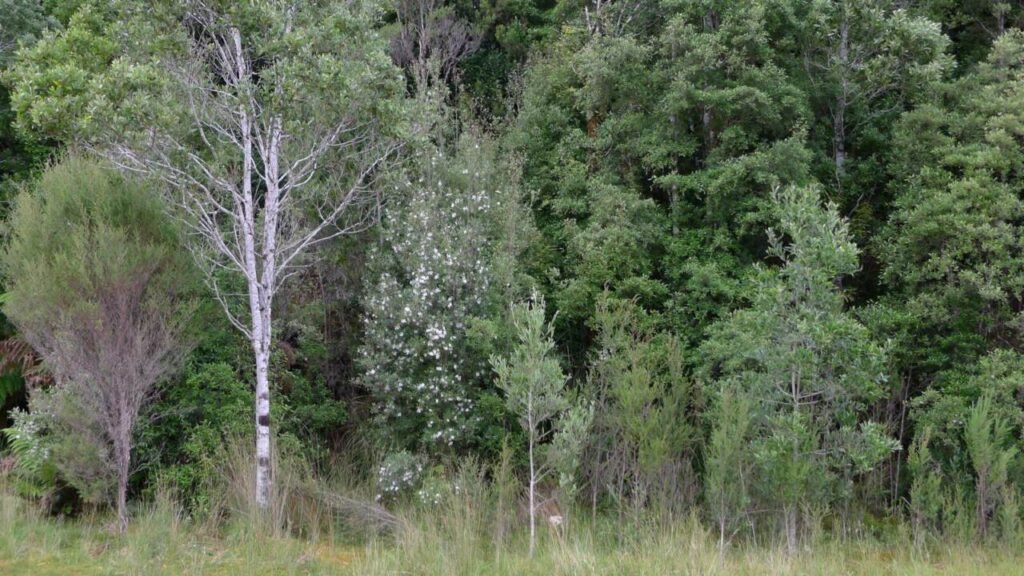
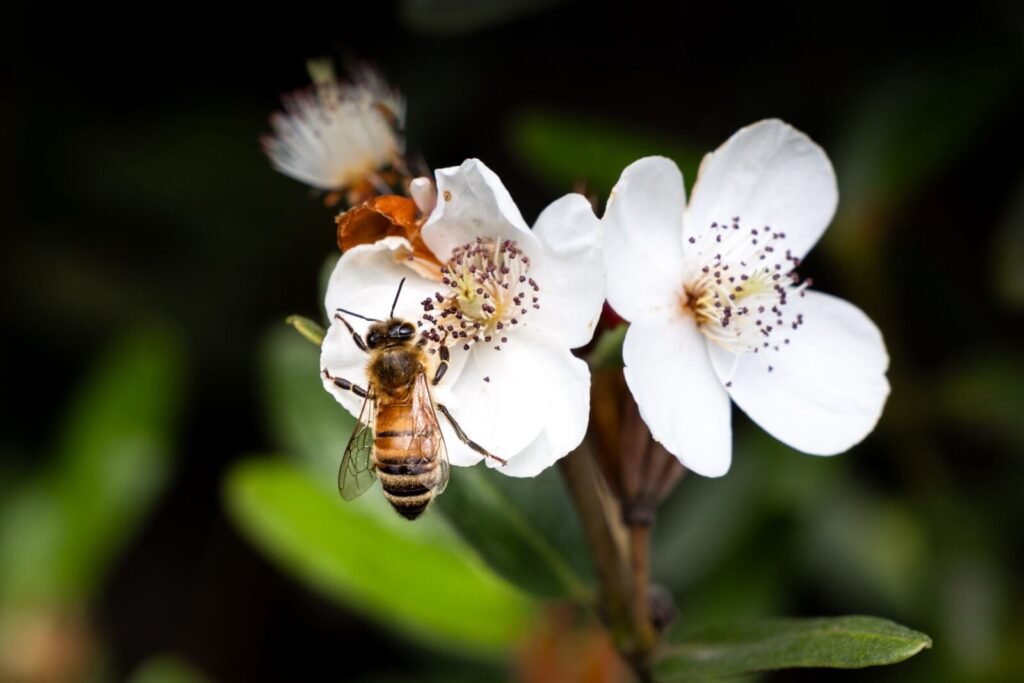
Eucryphia lucida, commonly known as Leatherwood, is a flowering tree native specifically to Tasmania’s temperate rainforest regions, particularly concentrated in the island’s western and southwestern wilderness areas. This genuinely narrow geographic distribution – a single Australian state, and specifically its wilder, less-developed regions within that state – gives Leatherwood honey a real geographic exclusivity comparable in spirit to other tightly regional honey varieties covered elsewhere on this site, even though the specific tree, climate, and forest type involved are entirely different. The tree grows slowly: it takes more than 70 years to reach nectar-bearing maturity, which is a large part of why its habitat can’t simply be replanted or fast-tracked once disturbed.
A Genuinely Distinctive Flavor Profile
Leatherwood honey is widely recognized for a strong, spicy, aromatic flavor character, often described as having a distinctive perfumed quality that sets it apart clearly from milder, more generic wildflower honeys – a genuinely different flavor identity than Jarrah’s malty, treacle-like character, giving these two well-known Australian specialty honeys clearly distinguishable sensory profiles despite both originating from the same country. That distinctiveness once counted against it: before a landmark 2015 award, the dark, musky leatherwood variety was undervalued in parts of the trade and sometimes blended into other honey as a filler rather than sold on its own merits. In 2015, Cradle Mountain Tasmanian Leatherwood Honey, produced by Australian Honey Products, was judged the world’s best honey at the Apimondia World Beekeeping Awards in Daejeon, South Korea – a result that changed how the variety is marketed and valued.
Tasmania’s Signature Honey
Leatherwood honey holds genuine status as Tasmania’s most recognized and commercially significant honey variety. Tasmanian government survey data put leatherwood at 768 tonnes of honey production in 2020-21 – 76% of the state’s total honey output that year, worth an estimated $9.4 million – making it by far the island’s dominant honey type by both volume and value. This regional-identity status gives Leatherwood honey real marketing and export significance for Tasmania specifically, similar in spirit to how Anzer honey functions as a genuine regional specialty tied to a specific area of Turkey, even though the underlying tree, climate, and cultural context are entirely unrelated.
A Real Old-Growth Forest Dependency
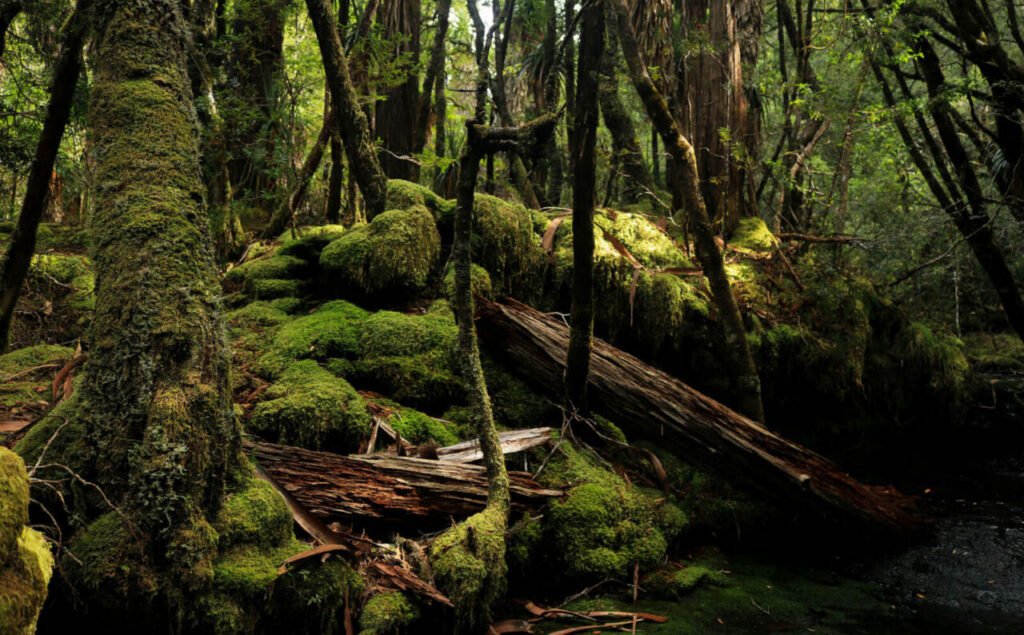
Leatherwood trees are genuinely concentrated in undisturbed, old-growth temperate rainforest habitat rather than being a species that readily establishes in cleared or heavily disturbed land, meaning healthy Leatherwood honey production depends directly on the continued existence of intact old-growth forest specifically, not simply “some forest somewhere.” Combined with a 70-plus-year maturation timeline before a tree even begins producing nectar, this is a real, structural ecological dependency worth taking seriously – unlike more adaptable forage species that can thrive across a range of disturbed and undisturbed habitats, Leatherwood’s honey industry has a genuinely narrow, specific habitat requirement tying its long-term viability directly to old-growth forest conservation outcomes.
The Genuine Tension With Forestry Practice
Tasmania’s forestry industry and its old-growth forests have been the subject of real, longstanding, well-documented public debate – most visibly the 2012-2013 Tasmanian Forests Intergovernmental Agreement, a negotiated “forest peace deal” that set aside roughly 356,000 hectares of high-conservation-value forest for protection alongside compensation for the forestry sector, before a change of state government partially unwound the deal from 2014 onward. Leatherwood honey beekeepers have a genuine, direct economic stake in that broader debate given their industry’s specific dependence on preserved old-growth forest habitat. That tension has produced real institutional responses rather than staying purely adversarial: Sustainable Timber Tasmania has established Planning Guidelines for Apiary Values, agreed with the Tasmanian Beekeepers Association, and in November 2019 the Association signed a memorandum of understanding with the Australian Honey Bee Council and Sustainable Timber Tasmania to formalize a collaborative approach on shared forestry-and-apiary issues – a genuine point of real-world conflict this article does not attempt to fully adjudicate, but is honest to name directly, including its concrete resolution attempts, rather than glossing over.
World Heritage Wilderness Connection
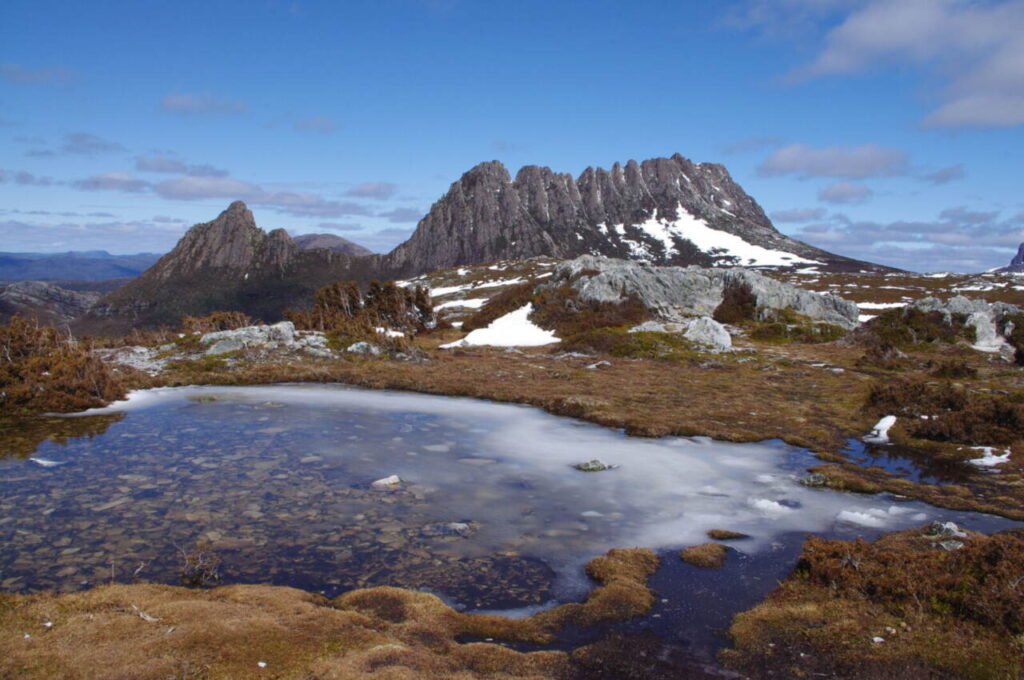
Significant portions of Tasmania’s wilderness, including areas supporting Leatherwood forest habitat, fall within the Tasmanian Wilderness World Heritage Area, giving parts of the Leatherwood honey industry’s forage base a level of formal international conservation recognition genuinely comparable to the UNESCO-listed sites already documented elsewhere in this series, including Spain’s Cuevas de la Araña rock art site. This formal World Heritage status is a real, meaningful marker of the ecological significance of the landscape Leatherwood honey depends on, not merely a marketing talking point.
What to Look For When Buying Leatherwood Honey
Genuine Leatherwood honey should carry clear Tasmanian regional provenance, and buyers interested in supporting sustainably managed apiary operations within or near World Heritage wilderness areas may find producer transparency about sourcing practices genuinely relevant, consistent with the same authenticity and provenance verification principles covered in our guide to detecting adulterated honey.
Culinary Reputation
Leatherwood honey has built a genuine culinary reputation both within Australia and internationally, valued by chefs and honey connoisseurs specifically for its unmistakable, strongly aromatic character that distinguishes it clearly from more generic blended or wildflower honey – a reputation the 2015 Apimondia award helped cement on the world stage. This distinctive identity has helped Leatherwood honey achieve real recognition as a genuine specialty product in its own right, comparable in market positioning to how other tightly regional, distinctively flavored honey varieties covered elsewhere in this series have built dedicated followings based on flavor character rather than health-property claims.
Leatherwood in the Wider World of Terroir Honeys
Leatherwood honey belongs to a genuine global category of honey varieties whose value rests substantially on terroir – a distinctive flavor and character tied inseparably to a specific, geographically limited natural environment, similar in underlying logic to how wine and certain specialty foods derive value from a specific place of origin. What makes Leatherwood’s case within this broader terroir-honey pattern particularly notable is how directly and visibly its terroir depends on active habitat preservation – unlike many terroir products where the connection between land and product is more abstract, Leatherwood’s dependence on specific old-growth forest survival, and a 70-year tree-maturation timeline, makes the land-product link genuinely concrete and immediate.
Leatherwood vs. Jarrah Honey
| Aspect | Leatherwood Honey | Jarrah Honey |
|---|---|---|
| Source tree | Eucryphia lucida | Eucalyptus marginata |
| Origin | Tasmania (old-growth rainforest) | Southwest Western Australia |
| Flavor character | Strong, spicy, aromatic/perfumed | Malty, treacle-like, robust |
| Share of state honey production | ~76% of Tasmania’s honey (2020-21) | Niche specialty, no equivalent dominant share |
| Primary distinguishing feature | Distinctive flavor, old-growth forest dependency | Documented antibacterial activity |
Understanding Leatherwood honey’s genuine dependence on old-growth forest is ultimately what separates it from a purely marketing-driven “wilderness” branding story – the ecological connection is real, structural, and directly tied to the tree’s specific habitat requirements rather than an abstract or exaggerated claim.
Common Misconceptions
- “Leatherwood honey’s main appeal is medicinal, like Jarrah or Manuka.” Its primary reputation rests on its genuinely distinctive flavor character, not documented antibacterial properties the way Jarrah and Manuka are specifically known for.
- “Leatherwood trees can grow in any Tasmanian forest.” They are genuinely concentrated in undisturbed old-growth rainforest habitat specifically, not readily established across all forest types, and take over 70 years to reach nectar-bearing maturity.
- “The forestry-beekeeping tension is a minor or invented issue.” It reflects a real, longstanding, well-documented point of public debate in Tasmania, directly tied to beekeepers’ genuine economic dependence on old-growth forest preservation – one significant enough to produce a formal 2019 memorandum of understanding between industry bodies.
Frequently Asked Questions
What tree does Leatherwood honey come from?
Eucryphia lucida, commonly known as Leatherwood, a flowering tree native specifically to Tasmania’s temperate rainforest regions that takes more than 70 years to reach nectar-bearing maturity.
What does Leatherwood honey taste like?
It has a strong, spicy, aromatic, often perfumed flavor character, genuinely distinctive from milder wildflower honeys and clearly different from other Australian specialty honeys like Jarrah – a character good enough to be judged the world’s best honey at the 2015 Apimondia World Beekeeping Awards.
Why is Leatherwood honey tied to old-growth forest conservation?
The Leatherwood tree depends on undisturbed old-growth rainforest habitat rather than readily establishing in cleared or disturbed land, and takes over 70 years to mature – giving the honey industry a direct, real economic stake in preserving that specific, slow-growing forest type.
Is there real tension between Tasmania’s forestry and honey industries?
Yes – it traces back to the contested 2012-2013 Tasmanian Forests Intergovernmental Agreement, and Leatherwood honey beekeepers have documented economic interest in old-growth forest preservation given their industry’s dependence on it. That tension has also produced real cooperation: Sustainable Timber Tasmania’s Planning Guidelines for Apiary Values and a 2019 memorandum of understanding between the Tasmanian Beekeepers Association, the Australian Honey Bee Council, and Sustainable Timber Tasmania.
Is Leatherwood forest habitat protected as World Heritage land?
Significant portions fall within the Tasmanian Wilderness World Heritage Area, giving parts of the Leatherwood honey industry’s forage base formal international conservation recognition.
Does Leatherwood honey have any documented antibacterial or medicinal properties?
Leatherwood honey’s primary and best-established reputation rests on its distinctive flavor character rather than documented antibacterial activity of the kind covered for Jarrah or Manuka honey – this article does not claim Leatherwood carries the same scientifically established medicinal-grade properties those other varieties are specifically known for, since its value proposition is genuinely built on a different foundation.
How is Leatherwood honey different from Jarrah honey?
They come from entirely different trees in different Australian regions with different flavor profiles – Leatherwood is known primarily for its distinctive spicy, aromatic character and dominates Tasmania’s honey production (about 76% in 2020-21), while Jarrah is known primarily for documented antibacterial activity alongside its malty flavor.
Further Reading
- Jarrah Honey: Australia’s Antibacterial Specialty
- How to Spot Fake Honey: Complete Guide to Detecting Adulterated Honey
Primary sources: botanical reference on the Tasmanian leatherwood tree; Tasmanian Beekeepers Association; background on the Tasmanian Forests Intergovernmental Agreement.