Last Updated September 14, 2026
A small seal on a honey jar reading “True Source Certified” isn’t a marketing flourish — it’s the honey industry’s own answer to a problem regulators alone couldn’t stop: mislabeled, transshipped honey entering the U.S. market to dodge anti-dumping duties, verified today using isotope ratio mass spectrometry precise enough to flag when a jar’s sugar signature doesn’t match what a bee actually made. Understanding what the label actually verifies — and what it doesn’t — is genuinely useful for a shopper deciding which jar earns the extra few dollars.
Key Takeaways
- True Source Honey, LLC was founded in 2010 by companies within the honey industry itself, specifically to address illegal trade that circumvented U.S. anti-dumping duties on honey.
- The certification builds hive-to-jar traceability, requiring third-party audits and documented tracking through exporters, packers, and processors.
- Verification includes laboratory testing — specifically isotope ratio mass spectrometry (13C EA/LC IRMS) — capable of detecting added sugars or misdeclared geographic origin.
- This is a different tool than the honey-quality judging covered elsewhere on this site; True Source Certified is about supply-chain fraud prevention, not flavor, color, or crystallization quality.
- The label doesn’t guarantee “raw” or “local” status — those are separate claims a seller makes independently, not part of what True Source verifies.
Table of Contents
- Why the Program Exists: The Problem It Was Built to Solve
- How Hive-to-Jar Traceability Actually Works
- The Isotope Test: How Fraud Actually Gets Detected
- What the Label Does Not Tell You
- Spotting the Seal and What to Do Without It
- Frequently Asked Questions
Why the Program Exists: The Problem It Was Built to Solve
True Source Honey, LLC launched its certification program in 2010, created directly by companies within the honey industry rather than by a government agency — a telling detail, since it means the program exists because the industry itself judged that existing enforcement wasn’t catching enough of a specific, well-documented problem. That problem is honey laundering: relabeling honey’s country of origin, often to dodge anti-dumping duties imposed on honey from certain countries, or blending in cheaper adulterants to stretch volume while still selling the product as pure honey. This site has covered the most notorious version of that fraud directly in its piece on honey laundering and the real trade fraud scandal — True Source Certified is the industry’s structural, ongoing response to exactly that kind of scheme, not a one-time enforcement action. The scale of the underlying fraud is well documented: in one federal case alone, the U.S. Attorney’s Office for the Northern District of Illinois charged two companies and five individuals with transshipping Chinese-origin honey through other countries to avoid roughly $180 million in anti-dumping duties — part of a wider set of prosecutions, sometimes referred to as “Operation Honeygate,” that also uncovered honey adulterated with antibiotics not approved for use in the product. According to True Source Honey’s own site, the not-for-profit now counts more than 750 members across the honey supply chain, and roughly 40% of honey sold in the US and Canada now carries the True Source Certified seal.
How Hive-to-Jar Traceability Actually Works
The mechanism is traceability, enforced through paperwork and audits rather than trust. A certified supply chain lets a load of honey be followed through every hand it passes through — exporters, packers, processors — with third-party audits and record-keeping requirements at each stage. The goal is to make it structurally difficult for honey to quietly change its declared origin somewhere in the middle of that chain, the way laundered honey typically has in documented fraud cases.
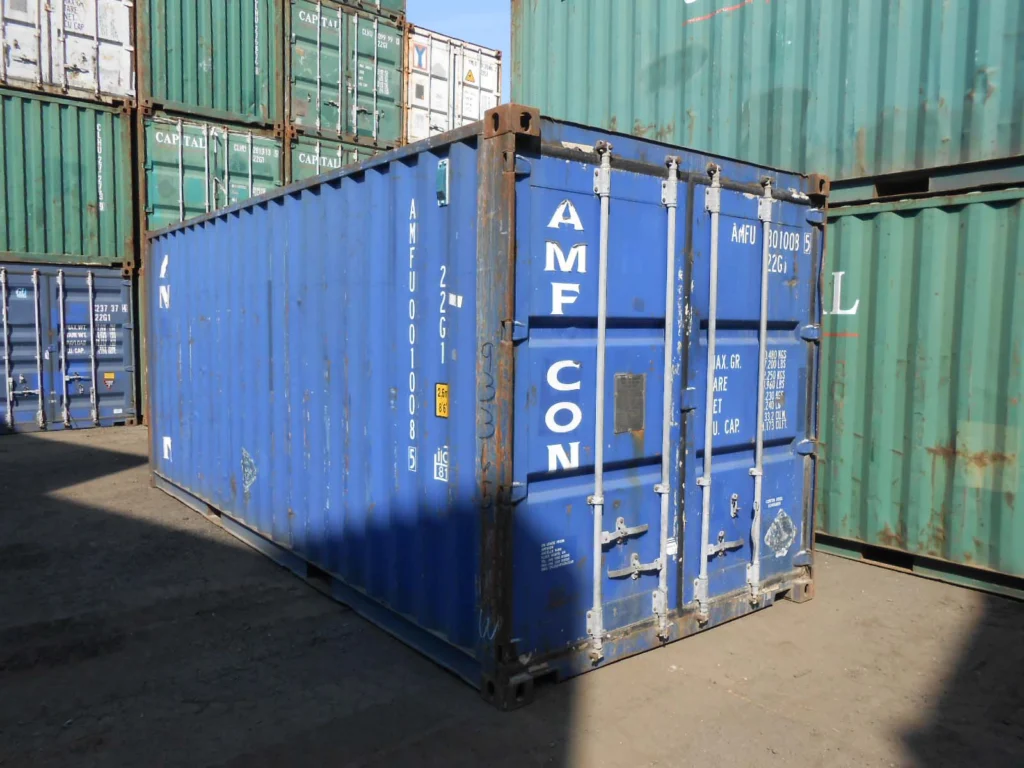
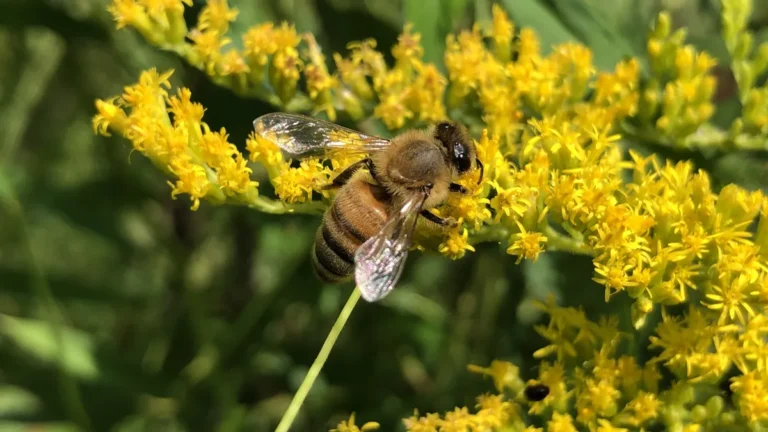
Every jar sold through a multi-step supply chain like this one has traveled through exporters, packers, and processors — the exact chain a program like True Source Certified is built to make traceable back to its real origin.
The Isotope Test: How Fraud Actually Gets Detected
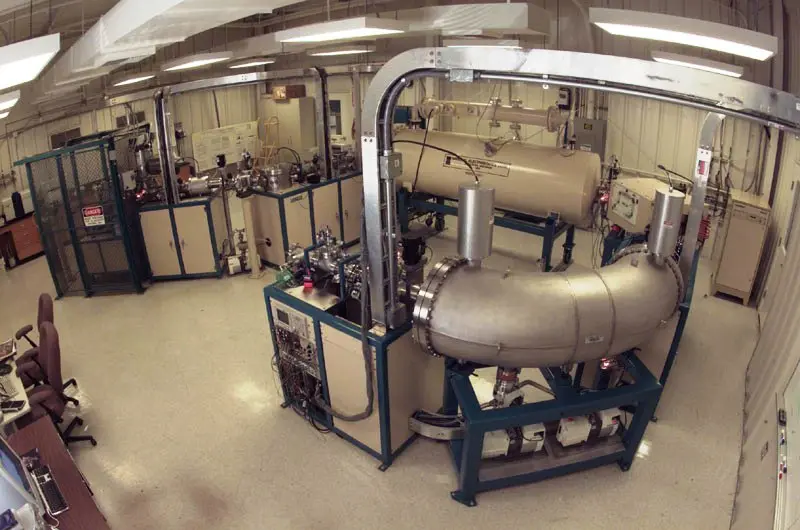
Paperwork traceability is backed by real laboratory science, not just an honor system. The core testing method is 13C EA/LC IRMS — isotope ratio mass spectrometry measuring carbon-13 values across a honey sample’s different components: protein, fructose, glucose, disaccharides, and more. Genuine honey has a predictable, narrow relationship between these isotope values, reflecting the plant sugars bees actually foraged. When cheap bulk sugar syrup has been added to stretch a batch, or when a sample’s overall isotopic signature doesn’t match its declared floral or geographic origin, the values deviate from that expected pattern in ways a standard sensory or visual inspection would never catch — this is chemistry doing the job that looking at a jar’s color and texture simply can’t do.
Peer-reviewed purity-assessment research published in the Journal of AOAC International describes the underlying method this way: genuine honey’s carbon isotope values fall within a tight, well-characterized range, and a sample whose measured deviation exceeds the established purity criterion is flagged as suspect at a defined statistical confidence level
What the Label Does Not Tell You
It’s worth being just as clear about what True Source Certified doesn’t promise, because conflating fraud-prevention with quality is an easy mistake. The seal says nothing about whether honey is raw, unfiltered, single-origin, or locally sourced — those are separate marketing and quality claims a seller makes independently, verified (if at all) through entirely different means, including the DIY-friendly checks covered in this site’s guide to how to tell if honey is fake. A jar can be True Source Certified and still be a completely ordinary blended commercial honey; the certification’s job is narrower and more specific — confirming the supply chain behind it hasn’t been used to launder mislabeled or adulterated product — not vouching for the honey’s overall quality or character.
| True Source Certified DOES verify | True Source Certified does NOT verify |
|---|---|
| Country-of-origin traceability through the supply chain | Whether the honey is raw or minimally processed |
| Isotope/lab testing to detect added sugar syrup | Flavor, color, or crystallization quality |
| Third-party audits of exporters, packers, processors | Local or single-origin sourcing claims |
| Compliance with anti-dumping/anti-transshipment rules | Whether it won a taste or quality award |
Spotting the Seal and What to Do Without It
In practice, the certification matters most for shoppers buying from larger commercial brands where the supply chain runs through multiple intermediaries — imported blended honey is exactly the category where the fraud this program targets has historically concentrated. It matters far less for honey bought directly from a known local beekeeper, where the “supply chain” is one person and a jar, and traceability isn’t really in question in the first place. A useful rule of thumb: treat the True Source seal as one more data point on a shelf-bought jar from an unfamiliar brand, and treat direct knowledge of your producer — the kind this site covers in its guide to spotting fake honey — as the stronger signal when it’s available at all.
To read the label, see manuka-specific grades (UMF and MGO).
Certification is not the same as raw; True Source does not mean raw, and here is what raw means.
Frequently Asked Questions
When was True Source Certified founded, and by whom?
It was launched in 2010 by companies within the honey industry itself, in response to documented honey laundering and mislabeling fraud.
Does True Source Certified mean the honey is raw or unfiltered?
No. The certification verifies supply-chain traceability and authenticity against fraud, not raw status, filtration, or floral origin claims — those are separate.
How does the isotope testing actually detect fraud?
It measures carbon-13 isotope ratios across different components of the honey; added sugar or misdeclared origin creates measurable deviations from the pattern expected in genuine, unadulterated honey.
Is a jar without the True Source seal automatically suspect?
Not necessarily — many small, direct-from-beekeeper honey sellers aren’t certified simply because their short, one-person supply chain doesn’t need the same fraud-prevention infrastructure large commercial blends do.
Is this the same thing as winning a honey quality award or judging contest?
No — those evaluate flavor, clarity, and craftsmanship. True Source Certified is strictly about verifying the supply chain hasn’t been used for mislabeling or adulteration fraud.
Related Reading
You can find more background in our guide to honey ph vs acidity explained.
Image credits: Photo: IPL Management, CC BY-SA 4.0, via Wikimedia Commons; Photo: Erkaha, CC BY-SA 4.0, via Wikimedia Commons.