Reviewed by Michael R. · How we review
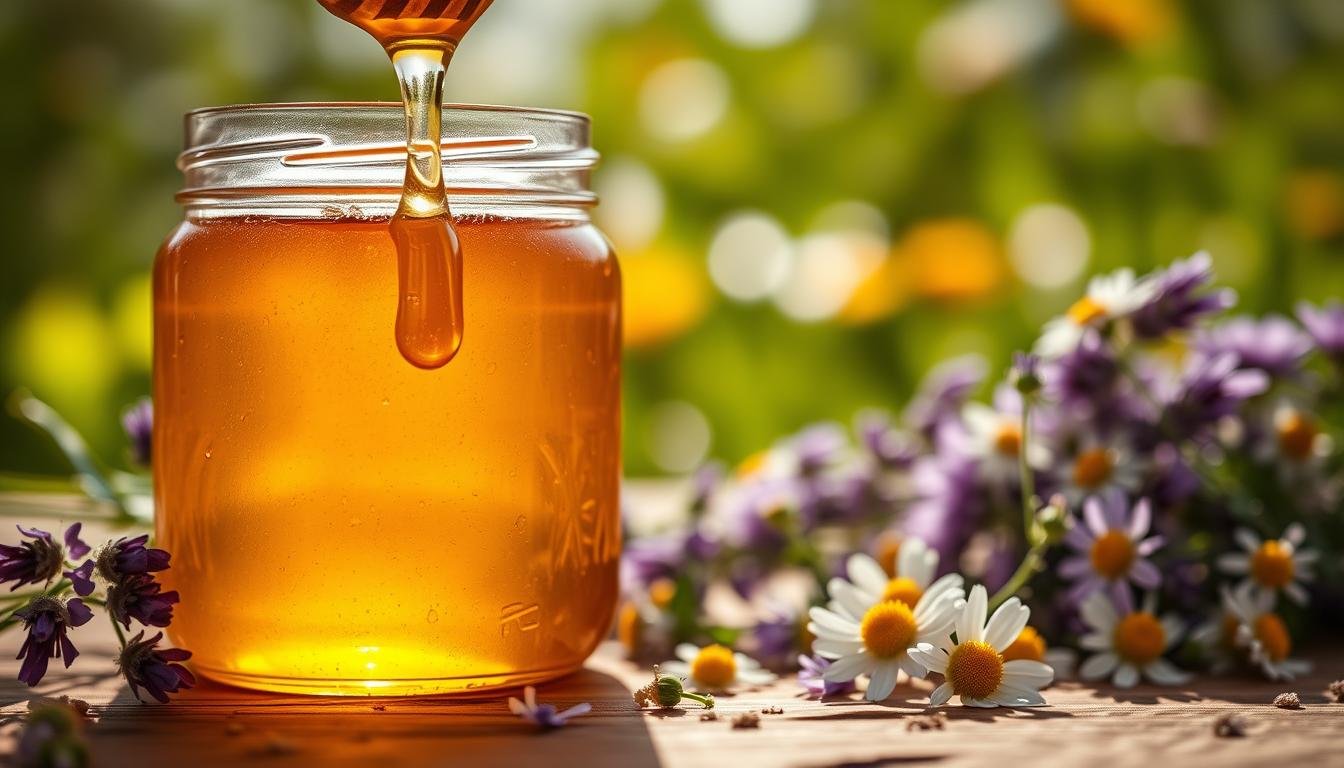
Mixed floral honey is a natural sweetener made when bees gather nectar across a wide range of floral sources. Each jar captures seasonal blooms and local landscapes, giving it a unique flavor profile and enticing aroma.
Compared with single-flower varieties, this polyfloral product often shows more complex taste notes and, in darker batches, a richer antioxidant profile. Traditional use and research point to antimicrobial and antioxidant properties, and many people use it for soothing coughs or as a gentle digestive aid.
Quality matters: raw, unfiltered choices preserve delicate enzymes and pollen that influence taste and perceived health effects. For sourcing tips and deeper context on regional varieties, see this multiflora honey guide.
Key Takeaways
- Made when bees collect nectar from many flowers, producing varied taste and aroma.
- Often richer in antioxidants, especially in darker varieties.
- Shows antimicrobial and anti-inflammatory properties in traditional use and studies.
- Choose raw, unfiltered jars to preserve enzymes and pollen for better quality.
- Not safe for infants under 12 months; people with severe pollen allergies should take care.
Table of Contents
- What Mixed Floral Honey Is and Why It Matters Today
- The benefits of mixed floral honey
- Flavor, aroma, and terroir: understanding variety in every jar
- How to use, choose, and store for maximum quality and effect
- Conclusion
- FAQ
What Mixed Floral Honey Is and Why It Matters Today
When bees visit many blossoms in a season, the result is a jar that reflects local bloom cycles and varied aromas.
Definition: This product forms when worker bees collect nectar from multiple flowers. The blend shifts as nearby sources change, so aroma and tasting notes vary by season.
From multifloral to wildflower: diverse floral sources, one golden nectar
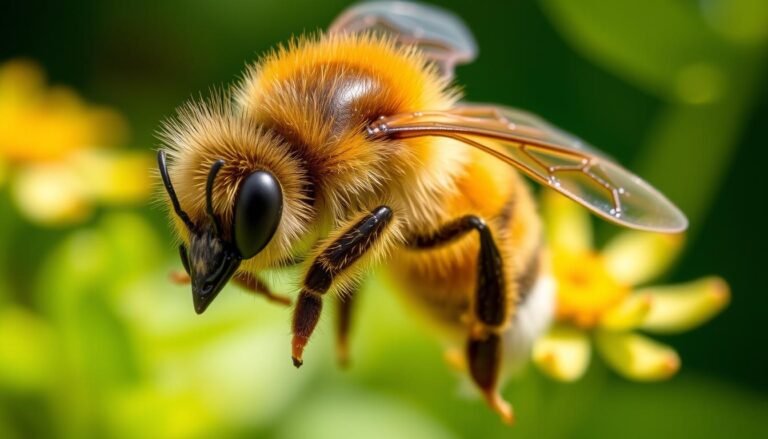
Worker bees use their proboscis to gather nectar into a honey stomach where enzymes begin conversion. Forager bees then perform trophallaxis, passing the partly processed nectar to house bees. Those bees spread it thinly across comb cells while fanning wings to cut moisture from about 70–80% to near 17–18%.
Sealing the crop: once concentrated, bees cap cells with wax. A single bee makes roughly 1/12 teaspoon in its life, and most forage within a three-mile range. That range gives each jar a local signature tied to blooming sources.
“Variation is a hallmark of authenticity, not a flaw.”
- Contrast with monofloral: blends combine compounds and notes from many plants.
- Why it matters: compounds and enzymes added during the process shape useful properties beyond sweetness.
- Buyer tip: check labels and learn grading standards like the honey grading standards to spot pure, raw jars.
The benefits of mixed floral honey
A single jar can carry a spectrum of plant compounds that work together to support overall wellness. Darker jars often show higher levels of flavonoids and phenolic acids, key antioxidant compounds linked to reduced oxidative stress.

Immune system support may come from enzyme activity like glucose oxidase, tiny propolis residues, and pollen. These components can modulate immune responses while also offering antimicrobial action in raw jars. See this propolis collection for more on propolis’ role.
For cough and throat comfort, clinical reviews and agencies such as the WHO and American Academy of Pediatrics recognize it as a useful remedy for children over one year. A viscous layer soothes irritated tissue and can reduce cough frequency.
Digestive support stems from prebiotic oligosaccharides and mild enzymes that help carbohydrate breakdown. These actions may favor good gut microbes and discourage some stomach and intestinal pathogens.
“Health effects arise from a network of compounds, not a single miracle agent.”
Topical use creates a moist, protected environment that aids minor wound healing and skin hydration. Medical-grade dressings use this trait; clean, raw jars can help with small cuts and irritations at home.
Quick natural sugars give fast energy and a more complex taste than refined sugar. Note: never give any jarred product to infants under 12 months. People with severe pollen allergies should use raw versions with caution and consult clinicians when needed.
Flavor, aroma, and terroir: understanding variety in every jar
Each jar carries a seasonal story — a layered profile that shifts as local blooms change.
Seasonal shifts: spring jars often taste light and floral from early fruit blossoms and clover. Summer can bring intense taste from basswood or blackberry. Fall tends toward deep, warm notes from goldenrod and aster.
Seasonal shifts: spring lightness, summer intensity, fall depth
Color and depth change with the season. Lighter amber often feels bright; darker amber can carry higher antioxidant content and richer notes.
Regional character: how a 3-mile foraging range shapes flavor notes
Bees forage close to the hive, so nearby meadows, gardens, and woods shape local aromas and flavors. That limited range creates a clear regional signature.
“Terroir foraged by bees makes each harvest a portrait of place and time.”
| Season | Typical flowers | Expected notes |
|---|---|---|
| Spring | Fruit blossoms, clover | Bright, floral |
| Summer | Basswood, blackberry | Robust, fruity |
| Fall | Goldenrod, aster | Deep, warm |
Taste and aroma work together: subtle herbal, fruity, or woody compounds shape a layered finish. Try lighter varieties with tea or fresh cheese and fuller jars with coffee or roasted dishes.
For more sensory reading, see a detailed sensory report and a practical beekeeping guide to learn how sources and nectar conditions alter final effects.
How to use, choose, and store for maximum quality and effect
Practical handling changes how a jar performs in the kitchen and at the table. Follow simple rules to keep properties and flavor intact while using this sweetener every day.

Everyday culinary uses
Drizzle on oatmeal or yogurt, stir into coffee or tea, and balance vinaigrettes. Use as a glazing agent for roasted vegetables or meats to boost caramelization.
Baking smart
When replacing sugar, reduce other liquids by about 1/4 cup per cup of sweetener. Add 1/4 teaspoon baking soda to offset acidity and lower oven temperature by 25°F to prevent over-browning. Sugars in recipes keep baked goods moist and extend shelf life.
Daily wellness routines
For throat comfort, dissolve one tablespoon in warm (not hot) water with lemon. This soothes cough and preserves heat-sensitive enzymes. Never give to infants under 12 months.
Selecting quality and storage
Choose raw honey and unfiltered jars so honey contains more enzymes and pollen. Look for clear labeling and local beekeeping sources that explain harvest timing and processing.
| Goal | Tip | Why it matters |
|---|---|---|
| Cooking | Use as a sweetener for glazes and dressings | Enhances caramelization and flavor depth |
| Baking | Reduce liquids, add baking soda, lower temp | Controls acidity and browning |
| Storage | Keep sealed at room temperature; warm gently if crystallized | Preserves enzymes and prevents spoilage |
“Match a jar’s variety to dishes—light jars suit delicate fare; fuller jars stand up to robust sauces.”
Evaluate producers on handling, sources, and transparency. Start small if you have pollen sensitivities and consult a clinician when needed.
Conclusion
A jar made from many blossoms can serve the kitchen and simple wellness routines alike.
Mixed floral jars reflect nearby nectar and the three-mile foraging range that gives each harvest a local signature. Darker jars often carry higher antioxidants and may ease inflammation for some people.
Practical uses include soothing cough or throat irritation for children over one year and gentle digestive support via natural enzymes and prebiotic sugars. Remember: never give to infants under 12 months and avoid if severely pollen-sensitive.
Choose raw, unfiltered, transparently sourced jars and store at room temperature away from light. Explore this multiflora honey guide to learn more and support local producers while you sample different jars over time.
FAQ
What is mixed floral honey and how does it differ from single-source varieties?
Mixed floral honey, often labeled multifloral or wildflower, combines nectar from many plant species collected by bees during their foraging range. Unlike monofloral types such as clover or manuka, this blend yields a more complex flavor profile and a broader mix of pollen, enzymes, and bioactive compounds that reflect local seasonal and regional plant diversity.
How does floral variety affect antioxidant content and color?
Nectar source and flower pigments influence both hue and antioxidant levels. Darker jars generally contain higher concentrations of phenolic compounds and flavonoids, while lighter varieties may offer delicate aromas and milder antioxidant activity. Seasonal blooms and regional flora together shape this chemical range.
Can mixed floral honey support the immune system?
Yes. Raw, unfiltered jars carry pollen particles, trace propolis, and active enzymes that can contribute to immune support and microbial balance. These compounds work alongside antioxidants to provide mild protective effects, though honey should complement—not replace—medical care.
Is raw, unfiltered honey better than processed honey?
Raw options retain natural enzymes, pollen, and volatile aromatics that heat-treated honey loses. Those elements enhance flavor and may improve prebiotic and antioxidant properties. Choose reputable brands that test for purity and avoid excessive heating for maximum quality.
Does mixed floral honey help with coughs and throat irritation?
Many health authorities recognize honey as a soothing option for cough and throat discomfort. Its viscosity coats mucous membranes, while antimicrobial agents in raw honey can reduce irritation. Use according to age guidelines and consult a clinician for persistent symptoms.
How can honey aid digestion and gut health?
Certain oligosaccharides and enzymes in unprocessed honey act as mild prebiotics, supporting beneficial gut bacteria. Honey can also ease minor stomach upset, but people with fructose sensitivity or strict diets should monitor intake and consult nutrition guidance.
Is honey effective for skin care and wound healing?
Medical-grade honey, like sterilized manuka, is used for wound dressings due to its osmotic action, low pH, and antimicrobial compounds. Culinary-grade raw honey can help minor cuts or dry skin by creating a moist barrier and supplying antioxidants, but serious wounds require professional care.
How does the taste vary by season and region?
Spring harvests often bring lighter, floral notes; summer yields richer, more intense flavors; fall can produce deeper, robust tones. Regional vegetation within a bee’s roughly three-mile foraging radius imparts unique terroir—wildflower mixes from one area will taste distinct from another.