Table of Contents
- What “Hawaiian” or “Kona” Queens Actually Means
- The Climate That Makes Year-Round Breeding Possible
- Geographic Isolation as a Genetic Advantage
- The No-Africanized-Bees Advantage
- How Much of the U.S. and Canadian Queen Supply Comes From Hawaii
- The Early-Season Shipping Advantage
- How Hawaiian Queens Actually Reach the Mainland
- Hawaiian Queens vs. Other Genetic Lines
- Who Should Consider Sourcing From Hawaii
- Notable Hawaiian Queen Producers
- Varroa Management in Hawaiian Operations
- Economic Significance for the Island Community
- Best Timing for Ordering Hawaiian Queens
- Introducing a Long-Distance-Shipped Queen Successfully
- Cost Compared to Mainland-Sourced Queens
- Matching Hawaiian Stock to Your Own Climate
- Tracking Hawaiian Queen Performance in Your Own Apiary
- Interstate Shipping Regulations to Be Aware Of
- Package Bees vs. Queen-Only Shipments From Hawaii
- A Small Agritourism Angle
- Common Mistakes
What “Hawaiian” or “Kona” Queens Actually Means
“Hawaiian” or “Kona” queens refer to mated queen bees produced by breeding operations based on Hawaii’s Big Island, particularly around the Kona region, which has grown into one of the largest queen-breeding centers in the world despite Hawaii’s small size and distance from the mainland U.S. Unlike Buckfast or Saskatraz, which describe specific genetic lineages, “Hawaiian” or “Kona” describes a production origin — the underlying genetics of a Hawaii-bred queen can vary by breeder and stock selection, though the region’s unique advantages shape why so many breeders operate there in the first place.
The Climate That Makes Year-Round Breeding Possible
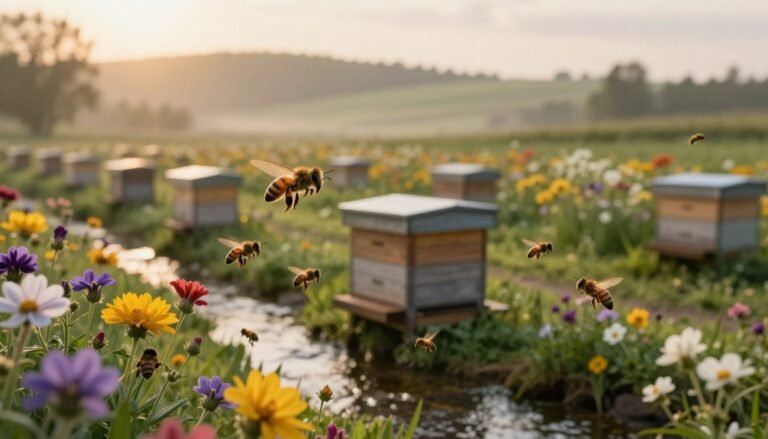
Successful queen mating requires specific weather conditions — sunny skies, minimal wind, and temperatures generally between 69 and 104°F — that most mainland U.S. regions only reliably offer during a limited seasonal window. The Kona region, situated on the protected leeward side of Mauna Loa at roughly 1,000 feet elevation, meets these conditions almost year-round, allowing continuous queen production that most other U.S. locations simply cannot match on their own climate alone.
Geographic Isolation as a Genetic Advantage
Hawaii’s physical isolation from the mainland provides genuine genetic-control benefits for breeding programs — controlled mating yards face less risk of unwanted genetic contamination from unrelated, uncontrolled drone populations than a similar operation would face on the mainland, where drone drift from surrounding apiaries is a much harder variable to fully control. This isolation advantage is conceptually similar to the controlled-mating principles behind Brother Adam’s Dartmoor breeding station for Buckfast bees, just achieved through natural island geography rather than deliberately selected remote terrain.
The No-Africanized-Bees Advantage
Hawaii’s isolation has also kept the islands free of Africanized honey bee genetics, which have spread through much of the southern mainland U.S. and complicate breeding programs there by requiring active management to prevent unwanted African-genetics drift into managed stock. This gives Hawaiian breeding operations a genuinely cleaner starting genetic environment for maintaining predictable, gentle temperament in their breeding lines compared to mainland operations in Africanized-bee territory.
How Much of the U.S. and Canadian Queen Supply Comes From Hawaii
Hawaii supplies roughly a quarter of the queen bees shipped to the mainland United States and a substantial majority — around three-quarters — of queens shipped to Canada, a remarkable concentration of national and continental supply coming from a small, geographically isolated set of operations. Individual major producers ship several hundred queens monthly during peak season, reflecting genuinely large-scale commercial production rather than a small boutique industry.
The Early-Season Shipping Advantage
Because Hawaii’s climate supports queen production essentially year-round, Hawaiian breeders can begin shipping mated queens as early as January, well ahead of most mainland breeders who typically can’t begin reliable production until April given their more limited seasonal mating-weather window. This early-season availability is a genuine competitive and practical advantage for mainland beekeepers needing queens for early spring requeening or package-bee operations before mainland-bred queens become available.
How Hawaiian Queens Actually Reach the Mainland
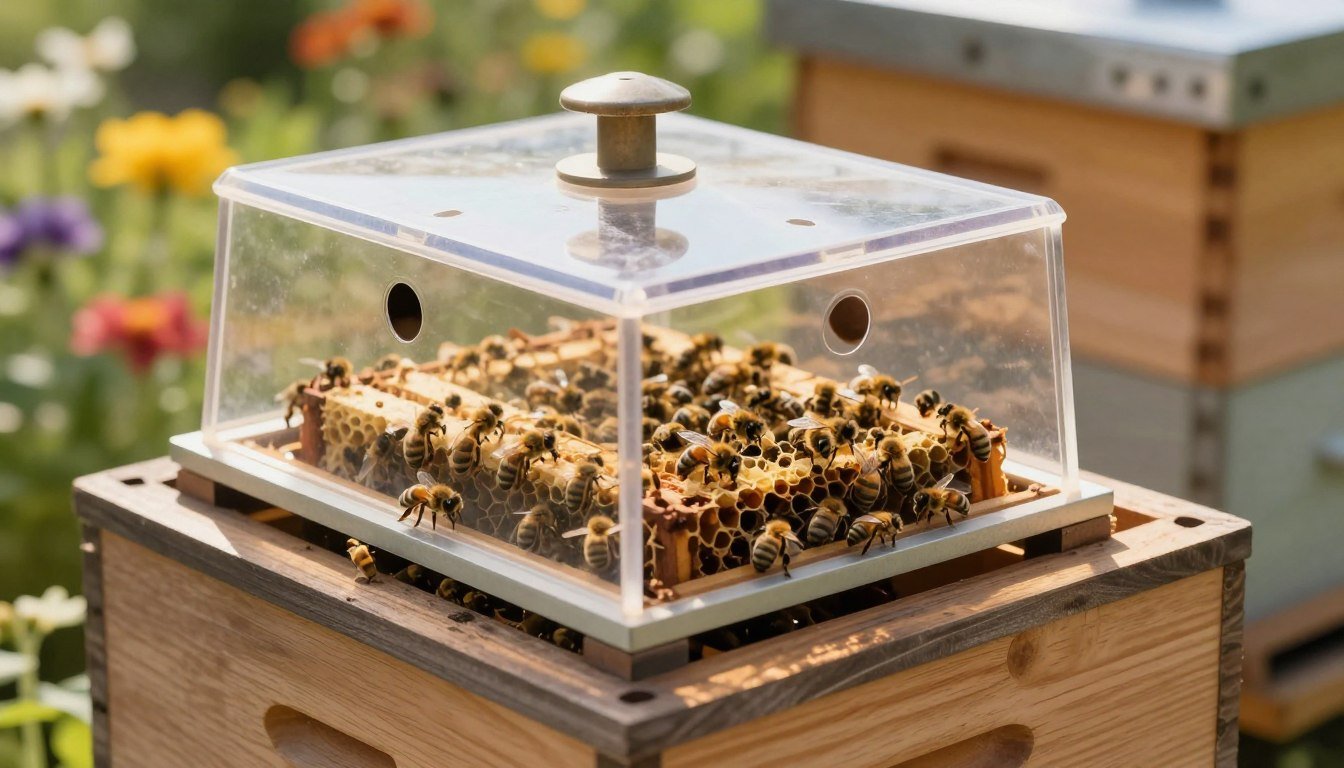
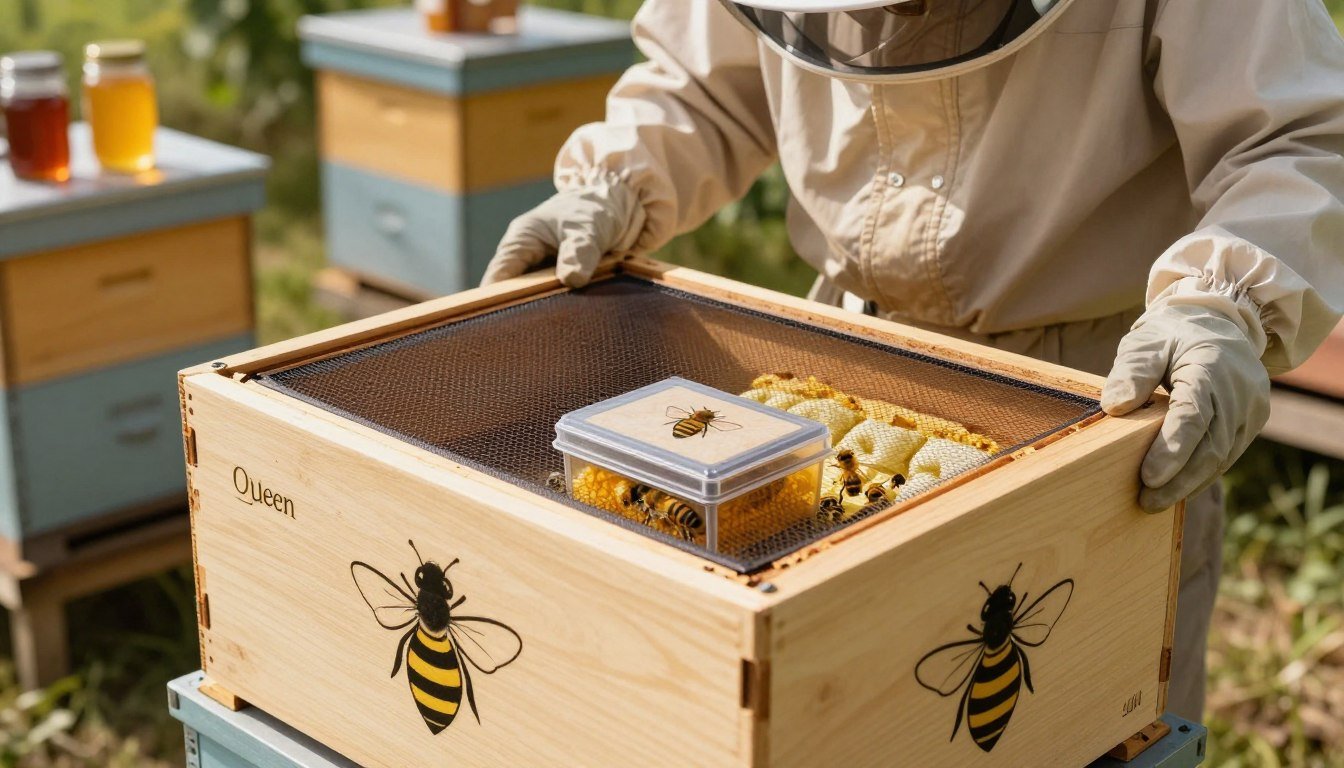
Mated queens are shipped from Hawaii via air freight and the U.S. Postal Service in specialized ventilated shipping cages, similar in principle to standard mainland queen-shipping methods but covering considerably more distance and transit time — a logistical challenge Hawaiian breeders have refined over decades of commercial operation. Queens generally tolerate this transit well when properly packaged, though buyers should follow standard careful-introduction practices upon arrival regardless of shipping origin.
Hawaiian Queens vs. Other Genetic Lines
| Factor | Hawaiian/Kona-Sourced | Named Genetic Line (Buckfast, Saskatraz, etc.) |
|---|---|---|
| What it describes | Production origin/region | Specific breeding lineage |
| Genetic consistency | Varies by individual breeder’s stock | Defined by the line’s own breeding program |
| Main advantage | Early availability, isolation-driven quality control | Documented, specific trait selection |
These aren’t mutually exclusive categories — many Hawaiian breeders maintain their own selectively bred lines within the advantages the region provides, so a buyer can potentially get both a documented genetic line and the early-season, isolation-driven production advantages Hawaii offers.
Who Should Consider Sourcing From Hawaii
Beekeepers needing queens earlier in the season than mainland breeders can typically supply, and those specifically valuing the genetic-isolation quality-control advantage Hawaiian operations offer, are the strongest fits for sourcing Hawaiian queens. A beekeeper prioritizing a specific documented genetic line above all else should confirm which line a given Hawaiian breeder actually maintains, rather than assuming “Hawaiian” alone specifies particular traits beyond production origin.
Notable Hawaiian Queen Producers
Several established commercial operations, including Kona Queen Hawaii, have built decades-long reputations as major suppliers to mainland and Canadian beekeepers, developing their own selected breeding stock and refined shipping logistics specifically around Hawaii’s unique production advantages. Researching a specific producer’s own stated breeding priorities and stock lineage, rather than treating “Hawaiian-sourced” as a single uniform product, gives a clearer picture of what you’re actually buying beyond the shared regional advantages every Hawaii-based operation benefits from.
Varroa Management in Hawaiian Operations
While Hawaii’s isolation has provided real historical advantages against some pests, varroa mites are present in Hawaiian bee populations as they are throughout most of the world’s beekeeping regions, meaning Hawaiian breeding operations still implement standard mite monitoring and management practices rather than operating in some kind of mite-free environment. Buyers shouldn’t assume Hawaiian-sourced queens carry any inherent mite-resistance advantage beyond whatever specific genetics a given breeder has actually selected for — the region’s real advantages are climate and isolation-driven breeding control, not automatic pest immunity.
Economic Significance for the Island Community
Beyond its role supplying mainland and Canadian beekeepers, the queen-breeding industry represents a genuinely significant agricultural sector for Hawaii’s Big Island economy specifically, providing sustained employment and export revenue in a region where large-scale commercial agriculture options are otherwise fairly limited by geography and land availability. This economic dimension is part of why the industry has continued investing in infrastructure and shipping logistics refinement over decades, rather than remaining a small niche operation.
Best Timing for Ordering Hawaiian Queens
Given the January-start production advantage covered above, beekeepers wanting the earliest possible spring requeening or package installation should place orders well ahead of the season, since peak-demand early-season windows can sell out from major producers given the industry’s overall scale relative to national demand. Ordering with enough lead time also gives more flexibility around actual shipping and delivery scheduling, rather than needing a rushed, last-minute arrangement during an already-busy early spring period.
Introducing a Long-Distance-Shipped Queen Successfully
Queens that have traveled a longer distance benefit from the same careful, slow-release introduction practices recommended for any mail-order queen, similar to those covered in our guide to shipping queen bees safely — checking she’s alive and appears healthy on arrival, allowing a brief rest period before introduction if she seems stressed from transit, and using a standard cage-release method rather than direct introduction — with no fundamentally different protocol required just because of the longer Hawaii-to-mainland shipping distance specifically.
Cost Compared to Mainland-Sourced Queens
Hawaiian queens often carry a modest price premium over mainland-sourced queens once shipping costs are factored in, reflecting the longer transit logistics and the value of early-season availability specifically — for beekeepers who don’t need queens earlier than mainland breeders can provide, the premium may not be worth paying, but for those who do need genuinely early spring stock, the premium buys access to supply that simply isn’t otherwise available at that time of year.
Matching Hawaiian Stock to Your Own Climate
Because Hawaiian breeding operations work in a consistently warm, tropical climate quite different from most mainland regions, beekeepers in significantly colder or more seasonally variable climates should treat overwintering performance as a genuine open question worth tracking in their own apiary, since a queen’s genetics alone don’t guarantee identical performance across dramatically different climate conditions from where she was originally bred and mated.
Tracking Hawaiian Queen Performance in Your Own Apiary
Keeping simple records on any Hawaiian-sourced queen’s performance — acceptance success, honey production, overwintering results, and general colony temperament — over her working lifespan gives you real, locally relevant data specific to your own climate and management style, rather than relying purely on the general regional advantages covered here to guide future sourcing decisions.
Interstate Shipping Regulations to Be Aware Of
Shipping live bees, including queens, between states and to Canada is subject to agricultural inspection and import regulations that vary by destination, and established Hawaiian breeders generally have well-refined compliance processes given decades of interstate and international shipping experience. Buyers don’t typically need to manage this regulatory complexity themselves when ordering from an established commercial breeder, though it’s worth being aware the process exists and contributes to why working with a reputable, experienced producer matters for smooth delivery.
Package Bees vs. Queen-Only Shipments From Hawaii
Hawaii’s queen-breeding operations primarily focus on shipping mated queens rather than full packages of bees, since package shipping over the much longer Hawaii-to-mainland distance presents greater logistical and bee-survival challenges than the more established queen-only shipping model — beekeepers wanting a complete package (queen plus worker bees) generally still source that from mainland suppliers, while using Hawaiian sources specifically for early-season or specialty queens to requeen existing colonies or combine with mainland-sourced packages.
Common Mistakes
Assuming “Hawaiian” or “Kona” queens automatically share one specific genetic profile overlooks that this describes a production region, not a single defined breeding line — actual genetics vary by individual breeder. Ordering Hawaiian queens without accounting for the longer shipping transit time and distance compared to a mainland source risks scheduling mismatches if timing is tight. Assuming shipping distance alone makes Hawaiian queens meaningfully less viable on arrival ignores decades of refined commercial shipping practice specifically built around this exact long-distance logistics challenge.
A Small but Notable Agritourism Angle
Some Hawaiian queen-breeding operations also welcome visitors interested in learning about the industry, occasionally offering tours or educational programming connected to the region’s broader agritourism activity — a small but genuine additional dimension to the industry beyond its core commercial role, worth knowing about if you’re ever visiting the Big Island and curious to see a working queen-breeding operation firsthand.
Sources
Climate, isolation, and supply-scale details reflect published reporting on Hawaii’s commercial queen-breeding industry and its role in U.S. and Canadian queen bee supply. For current, authoritative detail, see the USDA Agricultural Research Service’s Honey Bee Breeding, Genetics and Physiology Research Unit.
FAQ
Why is Hawaii such a major source of queen bees?
Its climate allows nearly year-round queen mating weather, its geographic isolation supports controlled breeding and keeps the islands free of Africanized bee genetics, and it can begin shipping queens months earlier than most mainland breeders each year.
Is “Hawaiian queen” a specific breed?
No — it describes a production region, not a single genetic line; actual genetics vary by the individual breeder’s own selected stock.
How much of the U.S. queen supply comes from Hawaii?
Roughly a quarter of queens shipped to the mainland U.S., and around three-quarters of queens shipped to Canada.
Do Hawaiian queens survive the long shipping distance well?
Generally yes, when properly packaged in specialized ventilated shipping cages — Hawaiian breeders have refined this long-distance shipping process over decades of commercial operation.
Can Hawaiian queen breeders ship internationally beyond the U.S. and Canada?
Some do ship more broadly depending on the specific breeder and destination-country import regulations, though the mainland U.S. and Canada represent the industry’s primary, most established markets given proximity and regulatory familiarity.
Does Hawaii’s isolation mean Hawaiian queens are disease-free?
No — while isolation supports controlled breeding and has kept the islands free of Africanized bee genetics, standard bee diseases and pests, including varroa mites, are present in Hawaiian bee populations, and standard health precautions still apply.