In 1772, at Jubilee Gardens in London, a beekeeper named Daniel Wildman rode a horse standing upright on the saddle, bridle held in his teeth, with a live mask of honeybees clustered across his head and face — then fired a pistol as a cue that sent one group of bees marching across a table while another swarmed into the air and back. Admission was two shillings for a box seat. His uncle, Thomas Wildman, was the more serious figure behind the showmanship: a genuine innovator in hive design and the author of one of eighteenth-century England’s most important beekeeping texts, A Treatise on the Management of Bees (1768).
Key Takeaways
- Thomas Wildman (died 1781) published A Treatise on the Management of Bees in 1768, a serious beekeeping manual illustrated with three folding engraved plates and drawing on genuine continental beekeeping knowledge unusual for an English text of that era.
- His hive design allowed for far more manageable comb inspection and manipulation than the standard fixed-comb straw skep of the period — a real technical precursor to the removable-frame concept Langstroth would formalize nearly a century later.
- Wildman and his nephew Daniel were genuine public showmen, performing bee-beard and swarm-clustering stunts for paying audiences in London, including a documented 1772 “Exhibition of the Bees on Horseback” at Jubilee Gardens.
- The book was published in London and sold by T. Cadell; a digitized original survives via the Biodiversity Heritage Library and the Royal Collection Trust.
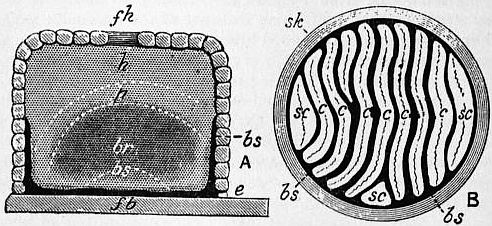
- No confirmed free-licensed portrait of either Wildman survives — the image accompanying this article is a generic period skep illustration, not a depiction of either man.
Table of Contents
- Who Was Thomas Wildman?
- The 1768 Treatise: What Made It Notable
- Wildman’s Hive Design
- The Showman Beekeepers: Daniel Wildman’s Stunts
- A Book Fit for a King’s Library
- Where Wildman Fits in Beekeeping History
- Frequently Asked Questions
Who Was Thomas Wildman?
Thomas Wildman was an English beekeeper active in London in the third quarter of the eighteenth century; he died in 1781. Relatively little biographical detail about his personal life survives compared to what’s known about his published work, which is itself telling — Wildman is remembered almost entirely through his book and through the public performances he and his nephew staged, rather than through any conventional institutional career. What does survive makes clear he was a serious, technically literate beekeeper rather than merely an entertainer who happened to work with bees.
The 1768 Treatise: What Made It Notable
Wildman’s A Treatise on the Management of Bees, Wherein Is Contained the Natural History of Those Insects was published in London in 1768 and sold by T. Cadell, illustrated with three folding engraved plates. According to the Royal Collection Trust’s own catalog description, the book also covers the natural history of wasps and hornets and how to control them. Contemporary and modern assessments both note that the work displays “an unusual knowledge of continental beekeeping” for an English text of the period — Wildman had evidently studied or absorbed techniques and observations from beekeeping traditions on the European mainland that most of his English contemporaries hadn’t engaged with directly. A full digitized original is preserved by the Biodiversity Heritage Library, and the Royal Collection Trust holds a copy in its own catalog.
Wildman’s Hive Design
Beyond the writing itself, Wildman designed a hive that allowed for meaningfully better comb management than the standard fixed-comb straw skep most English beekeepers used at the time. Skeps required destroying the colony or cutting comb blind to harvest honey, since there was no way to inspect or remove individual combs without wrecking the structure. Wildman’s design moved toward comb that could be inspected and managed with far less disruption — a genuine conceptual step on the long road toward the fully removable-frame hives Lorenzo Langstroth would patent in the United States more than eighty years later. Wildman wasn’t working from Langstroth’s later frame-spacing insight specifically, but the underlying problem he was solving — how to inspect and manage comb without destroying it — was the same one that would eventually make modern beekeeping possible.
The Showman Beekeepers: Daniel Wildman’s Stunts
Thomas Wildman and his nephew Daniel were, by every surviving account, genuine showmen as well as serious apiarists — a combination that seems unusual today but made real commercial sense in eighteenth-century London, where public demonstrations were also advertising for a beekeeper’s expertise and, often, for swarms sold directly to audience members afterward. The best-documented example, recorded in university library exhibits including the University of Massachusetts Amherst’s Du Bois Library special collections, is Daniel Wildman’s 1772 “Exhibition of the Bees on Horseback” at Jubilee Gardens: riding with a mask of live bees clustered on his head and face, standing upright on the saddle with the bridle held in his mouth, and using a pistol shot as a cue to direct one group of bees to march across a table while another swarmed into the air and returned to their hive on command. Tickets ran two shillings for boxes and gallery seats, one shilling for cheaper seating, and Wildman sold live swarms to interested spectators after the show.
Wildman performed “trick performances with bees, including the wearing of a bee beard” — a documented, real eighteenth-century public spectacle, not an apocryphal legend, according to period accounts preserved in university and auction-house archival descriptions of his work.
Jubilee Gardens itself was part of London’s broader eighteenth-century pleasure-garden culture — commercial outdoor venues that mixed music, spectacle, fireworks, and novelty entertainment for a paying public, the period’s rough equivalent of a modern variety show or fairground attraction. Performing a bee-clustering act at a venue like Jubilee Gardens placed the Wildmans’ beekeeping demonstrations squarely within that established entertainment economy rather than presenting them as an isolated curiosity; London’s pleasure-garden audiences of the era were primed to expect exactly this kind of dramatic, slightly dangerous-looking novelty act, which likely explains why bee performances could draw a genuine paying crowd rather than being dismissed as a fringe curiosity.
These weren’t isolated stunts. Bee-beard and bee-clustering performances were something the Wildmans repeated and refined as a public draw, built on a real, practical understanding of how to induce a swarm to cluster calmly on a controlled surface — the same underlying bee behavior that makes modern scout-bee swarm decision-making and clustering possible in the first place, just deployed for spectacle rather than research.
A Book Fit for a King’s Library
One measure of how seriously Wildman’s contemporaries took the treatise is where copies ended up: the Royal Collection Trust holds an original in its own catalog today, cataloged alongside other significant eighteenth-century natural history works acquired for the royal library. That’s a meaningfully different reception than a purely commercial pamphlet aimed at working farmers would have received, and it suggests Wildman’s book circulated among a genuinely educated readership interested in natural history for its own sake, not just practical hive management. The Annual Register, a serious contemporary periodical of political and cultural record, also excerpted Wildman’s management advice directly in 1768 under the heading “Directions for the Management of Bees; from Mr. Wildman’s Treatise on that Subject” — further evidence the book registered as noteworthy well beyond the beekeeping community itself.
Where Wildman Fits in Beekeeping History
Wildman is a minor figure in most general histories of beekeeping compared to Langstroth, Dadant, or Huber, but he represents something historically useful in his own right: proof that serious technical innovation in hive design and genuine showmanship were not seen as contradictory in eighteenth-century apiculture, and that continental European beekeeping knowledge was already influencing English practice well before the major nineteenth-century innovations most modern histories focus on. For more on the broader arc of hive-design innovation, see our profile of François Huber, the blind beekeeper who revolutionized hive science, whose leaf-hive design a few decades after Wildman solved the same comb-inspection problem from a different angle, and our roundup of other famous people who kept bees.
Frequently Asked Questions
What did Thomas Wildman actually write?
A Treatise on the Management of Bees, Wherein Is Contained the Natural History of Those Insects, published in London in 1768 with three folding engraved plates, covering both bee management and the natural history of wasps and hornets.
Did Thomas Wildman invent the modern beehive?
No. He designed a hive that allowed for better comb management than the standard fixed-comb skep of his era, a real conceptual step forward, but the fully removable-frame hive most beekeepers use today wasn’t patented until Lorenzo Langstroth’s design more than eighty years later.
Who was Daniel Wildman?
Thomas Wildman’s nephew, active as a beekeeper from roughly 1772 to 1812, best known for public bee-clustering and bee-beard performances, including a documented 1772 “Exhibition of the Bees on Horseback” show at Jubilee Gardens in London.
Is there a surviving portrait of Thomas Wildman?
No confirmed free-licensed portrait of Thomas Wildman has been located. Any period skep illustration accompanying an article about him depicts a generic hive type of the era, not the man himself.
Where can I read Wildman’s original 1768 treatise today?
A full digitized copy is available through the Biodiversity Heritage Library, and the Royal Collection Trust holds an original in its own catalog.
Was bee-beard performance common in the eighteenth century?
It was unusual enough to draw paying crowds and specific historical documentation, but the Wildmans were not the only performers of the era to exploit bees’ tendency to cluster calmly on a still surface — the underlying technique relied on real, well-understood swarm-clustering behavior rather than any special trick beyond controlled handling.