In January 2023, the USDA’s Center for Veterinary Biologics granted a conditional license to Dalan Animal Health for the world’s first vaccine for any insect — a vaccine designed to protect honeybee colonies against American foulbrood, the most destructive bacterial brood disease in beekeeping. This wasn’t a symbolic first; it was a genuine regulatory and scientific milestone, and as of late 2025 the company has completed efficacy trials and is pursuing full licensure, which industry coverage suggests could arrive as early as 2027.
This site has already covered American vs. European foulbrood, the history of American foulbrood laws and apiary inspection, and antibiotic treatment options like Terramycin — this article is about the newest development in that century-plus-old fight, and it’s a genuinely different approach from anything that came before it.
Key Takeaways
- American foulbrood, caused by the spore-forming bacterium Paenibacillus larvae, has historically had no real cure — the only options have been antibiotic suppression (which doesn’t eliminate spores) or destroying the affected colony and equipment.
- Dalan Animal Health’s vaccine contains killed whole-cell Paenibacillus larvae bacteria and is administered by mixing it into queen feed — the queen then transfers immune-triggering material to developing larvae via royal jelly.
- It received a conditional USDA license in January 2023, meaning limited commercial distribution was authorized while further efficacy data was collected, rather than an unrestricted, fully approved product.
- As of late 2025, Dalan announced successful completion of efficacy trials and is submitting data toward full USDA licensure, which trade press coverage has suggested could be granted as early as 2027.
- This is the first-ever licensed vaccine for any insect, not just the first for honeybees specifically — a genuine scientific first that extends beyond apiculture.
The Problem the Vaccine Is Trying to Solve
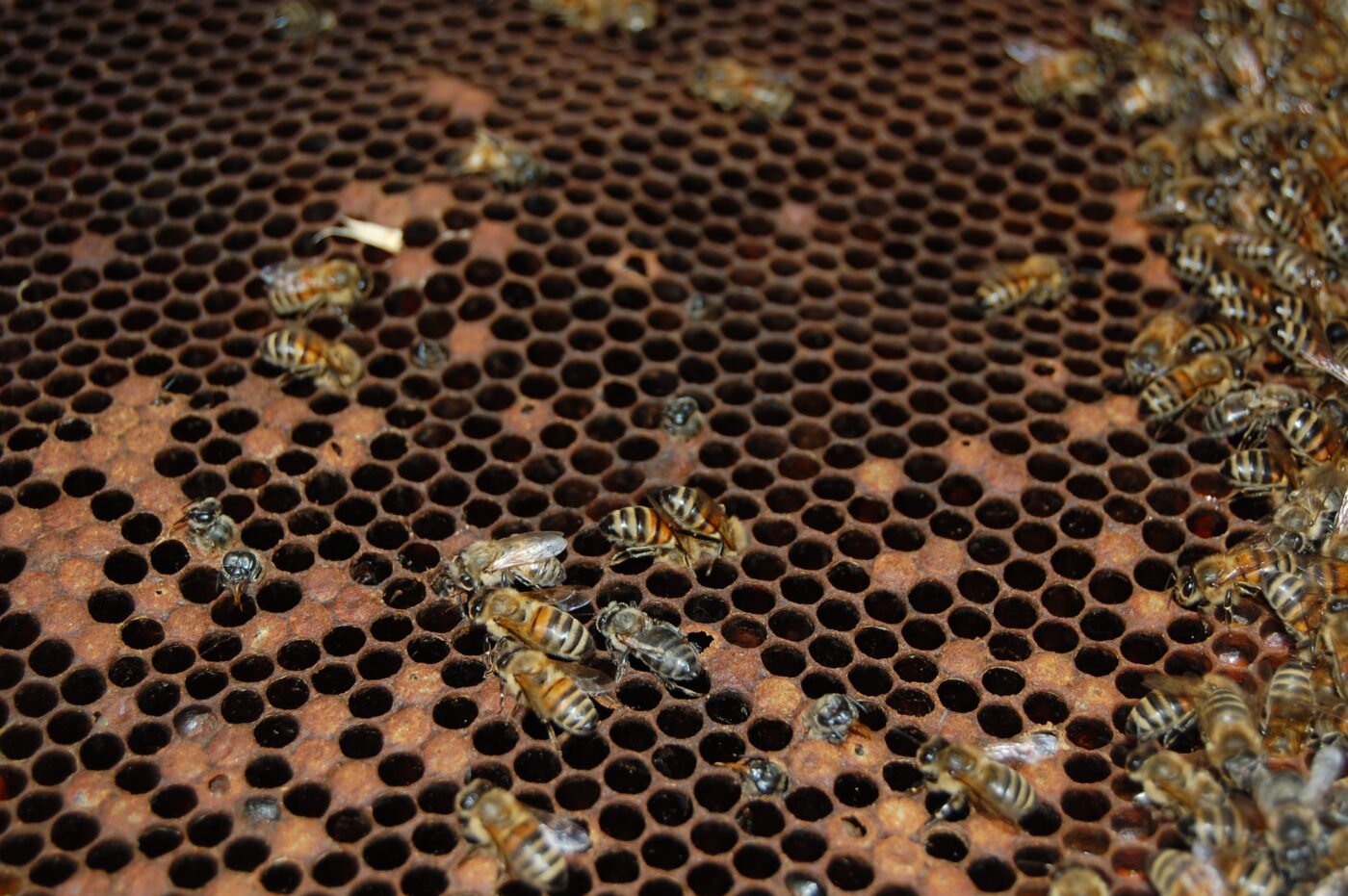
American foulbrood is widely considered the most consequential bacterial disease in managed honeybee colonies, caused by the spore-forming bacterium Paenibacillus larvae. Its spores are extraordinarily durable — they can remain viable in old equipment, comb, and honey for decades — which is exactly why the traditional response to a confirmed infection has so often been the destruction of the entire hive and its equipment by burning, rather than an attempt at treatment. Antibiotics like Terramycin (oxytetracycline) can suppress active infection but don’t eliminate the underlying spore contamination, meaning the disease can resurface once antibiotic pressure lifts. It’s a genuinely hard problem, and it’s been a hard problem for over a century of organized apiary inspection.
How the Vaccine Actually Works
Dalan’s vaccine takes a different approach entirely from any prior American foulbrood control method: it contains killed, whole-cell Paenibacillus larvae bacteria, and is administered by being mixed into the queen’s feed. From there, the mechanism relies on the queen’s own biology — material from the vaccine is incorporated into the royal jelly and other secretions she produces, which is then fed to developing larvae, priming an immune response in the next generation of bees before they’re ever exposed to a real infection. This is conceptually closer to how some other animal vaccines confer passive, maternally-transferred protection than it is to a typical human vaccine given directly to the individual being protected.
| Approach | How it works | Limitation |
|---|---|---|
| Colony destruction (traditional) | Burn infected hive and equipment to eliminate spore contamination | Total economic loss of the colony and equipment; purely reactive |
| Antibiotic treatment (e.g., Terramycin) | Suppresses active bacterial infection in the colony | Doesn’t eliminate durable spores; infection can resurface |
| Dalan’s vaccine | Killed-bacteria material fed to the queen, transferred to larvae via royal jelly to prime immune response | Conditionally licensed pending full efficacy data; not yet a universally available, fully licensed product |
What “Conditional License” Actually Means
The USDA’s Center for Veterinary Biologics grants conditional licenses to allow a promising veterinary product limited market availability while the manufacturer continues collecting the efficacy data required for full licensure — it’s a genuine regulatory pathway, not an informal workaround, but it does mean the vaccine has not gone through the complete approval process a fully licensed product has. Since the January 2023 conditional license, the vaccine has been distributed on a limited basis to commercial beekeepers, manufactured by Diamond Animal Health of Des Moines, Iowa (a Heska Corp. subsidiary) on Dalan’s behalf.
The USDA granted a conditional license to Dalan Animal Health for “a first-in-class vaccine to protect honeybees against American Foulbrood disease caused by Paenibacillus larvae” — the announcement that marked the first licensed vaccine for any insect species in history.
Where It Stands Now
As of late 2025, Dalan Animal Health announced it had successfully completed the efficacy trials required to support full USDA licensure, and is submitting that data for review. Trade press coverage of the announcement has suggested full licensure could realistically arrive as early as 2027, which would move the vaccine from limited conditional distribution to a fully approved, more widely available product. Full licensure would also likely mean more independent, published efficacy data becomes available for beekeepers and researchers to evaluate directly, rather than relying primarily on the company’s own trial announcements.
What This Means for Beekeepers Right Now
For most beekeepers today, the honest, practical answer is: not much changes immediately. The vaccine remains conditionally licensed and distributed on a limited basis, primarily to commercial operations, rather than being a shelf-available product for hobbyists. The existing toolkit — good apiary hygiene, the inspection and reporting requirements most states still enforce, and antibiotic treatment where appropriate and legal — remains the operative reality for now. What’s genuinely worth tracking is the path toward full licensure, since a fully approved, more widely distributed vaccine would represent the first real preventive tool against a disease beekeeping has otherwise only ever been able to react to.
Frequently Asked Questions
Can I buy the American foulbrood vaccine for my own hives right now?
It remains conditionally licensed and has been distributed on a limited basis, primarily to commercial beekeeping operations, rather than being broadly available to hobbyist beekeepers — availability may change as the company pursues full licensure.
Does the vaccine replace the need to report a confirmed American foulbrood case?
No — state apiary inspection and reporting requirements for confirmed American foulbrood remain in effect regardless of vaccine use, since the vaccine is a preventive tool aimed at reducing new infections, not a substitute for existing disease-control regulations.
Is this really the first vaccine ever made for an insect?
Yes — coverage of the January 2023 USDA conditional license specifically describes it as the first licensed vaccine for any insect species, not just the first for honeybees, making it a genuine first in veterinary science broadly.
How is the vaccine actually given to a colony?
It’s mixed into queen feed; the queen incorporates vaccine material into royal jelly and other secretions fed to developing larvae, priming their immune response before exposure to a real infection — beekeepers aren’t vaccinating individual larvae or adult bees directly.
Whether or not full licensure arrives on the timeline industry coverage currently expects, the vaccine already represents something beekeeping has never had before against American foulbrood: a genuine attempt at prevention, rather than just faster detection and destruction after the fact.