

Reviewed by Elena P. · Last Updated September 23, 2026 · How we review
Laboratory testing for honey bee diseases means sending adult bees or brood comb to a diagnostic lab to confirm what an inspection only suggests: foulbrood, Nosema, tracheal mites, Varroa load or, at some labs, viruses. The free U.S. option has long been the USDA Bee Research Laboratory in Beltsville, Maryland. It does not test for viruses or pesticides, though, and its campus is closing in 2026. The real question is which lab answers the question you actually have, and how to read what comes back.
Key Takeaways
- Test when field signs are ambiguous or the stakes are high: suspected American foulbrood (AFB), brood disease you cannot name, or a collapse you cannot explain.
- The USDA Beltsville service is free and covers bacterial, fungal and microsporidian diseases plus Varroa, tracheal mites and small hive beetle. It does not cover viruses or pesticides.
- Viruses and species-level Nosema results need a fee-based molecular (qPCR) lab. North Dakota beekeepers have one in Fargo.
- A positive result is not a diagnosis on its own. In USDA data from sick colonies, 99.7% of samples carried Nosema, so the load is what matters.
- Call Beltsville before shipping in 2026. Contact your state apiary inspector first if you suspect AFB.
Table of Contents
When a Lab Test Is Worth It
Most colony problems can be solved in the yard. A lab earns its place in four situations:
- Suspected AFB. Spores survive for decades and most states regulate the disease. A wrong call either burns equipment you did not need to burn or spreads AFB through the apiary. The rope test is a field screen. It is not confirmation.
- Brood disease you cannot name. EFB, sacbrood and parasitic mite syndrome can look alike. See our AFB vs. EFB and PMS vs. foulbrood comparisons.
- Unexplained adult decline, such as spring dysentery or crawling bees, where Nosema or tracheal mites are suspects.
- A dead-out you want explained before its comb goes to healthy colonies.
Routine mite monitoring does not need a lab. An alcohol wash in the yard is faster and free.

Which Test Answers Which Question
The most common mistake is sending a sample to the wrong kind of lab, such as mailing dying bees to a free service hoping to learn about viruses it does not test. Match the question to the method first:
| Your question | What to send | Method | Where |
|---|---|---|---|
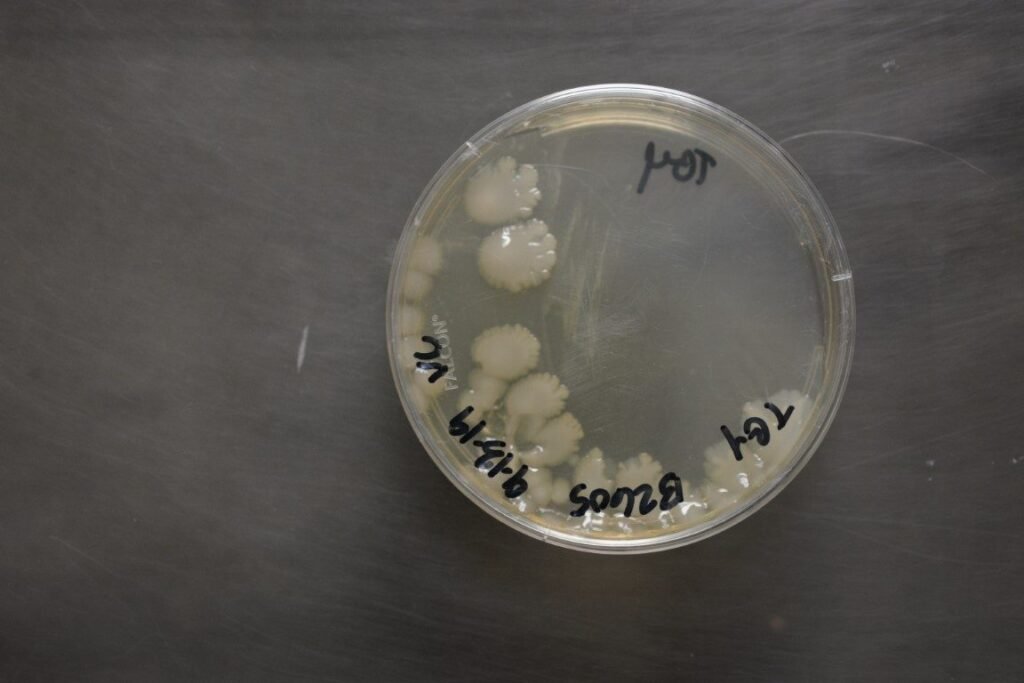
| AFB or EFB? | Brood comb, 2 x 2 in minimum, no honey | Microscopy, culture, sometimes PCR | USDA Beltsville (free), state labs |
| Will AFB respond to antibiotics? | Comb with AFB scale | Culture plus oxytetracycline and tylosin sensitivity | USDA Beltsville, on request |
| How heavy is the Nosema load? | 100+ adult bees in 70% alcohol | Spore count (million spores per bee) | Beltsville, NDDA Bismarck office, or at home |
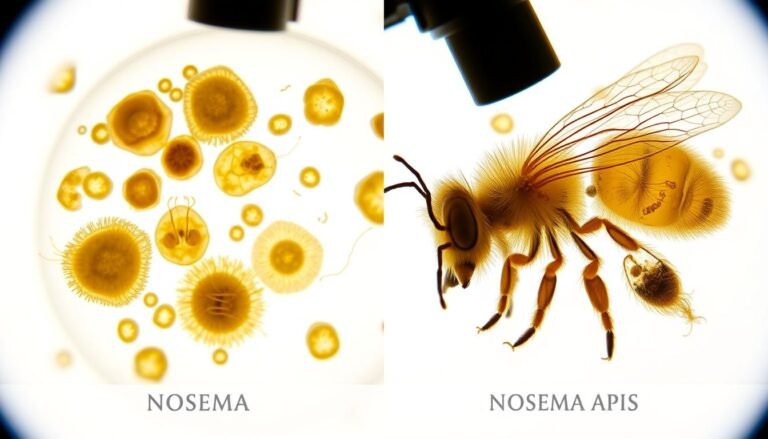
| Nosema apis or ceranae? | Adult bees | PCR | Molecular labs only |
| Which viruses, how much? | Adult bees, per lab instructions | Quantitative PCR panel | Fee-based labs, e.g. NAGC (Fargo) |
| Pesticide kill? | Fresh dead bees, frozen, per lab instructions | Residue analysis | Specialist labs, usually via your state agriculture department |
Lateral-flow strips, covered in our Vita AFB/EFB kit guide, give a fast foulbrood screen at the hive. A positive strip means call your inspector. It is not the final word.
Where to Send Samples in 2026
USDA Bee Research Laboratory, Beltsville
According to the USDA ARS Bee Disease Diagnosis Service, the lab examines adult bees and comb for bacterial, fungal and microsporidian diseases, two parasitic mites and small hive beetle. The service is free for U.S. samples. Its published rules:
- Adult bees: at least 100 dying or recently dead bees in 70% ethyl, methyl or isopropyl alcohol, with the excess poured off before mailing.
- Comb: at least 2 x 2 inches, with as much discolored brood as possible and no honey. Wrap it in paper and pack it in a cardboard box. Never use plastic, foil, waxed paper or glass, because the sample molds in transit.
USDA is closing the entire Beltsville research campus, and staff received relocation offers this summer. As of September 2026 the service page carries no suspension notice, but its future is unsettled, so phone ahead. We follow this in our Beltsville closure coverage. For packing detail, see how to bag and send bee samples.
Northern Plains options
The North Dakota Department of Agriculture offers free hive inspections on request and checks Nosema levels at its Bismarck office. It says it can sometimes help with testing costs. It also refers beekeepers to the National Agricultural Genotyping Center (NAGC) in Fargo. NAGC runs a fee-based quantitative panel whose listed targets include AFB, EFB, chalkbrood, both Nosema species, tracheal mites, Tropilaelaps and the major bee viruses.
“Since NAGC is a testing facility, we are unable to make treatment or management recommendations based on the pathogen results.”
National Agricultural Genotyping Center, Honey Bee Pathogen Panel
A molecular lab gives you numbers. Deciding what to do with them is your job, ideally with your state apiary inspector.
How to Read Your Results
This is the step lab pages skip. The best public dataset on real submissions comes from Beltsville’s own scientists. Abban and colleagues (2024, Scientific Reports 14:1726) analyzed samples beekeepers sent to the free service from 2015 to 2022:
- Nosema is nearly universal in sick colonies. It appeared in 99.7% of 2,994 samples, at an average of 6.8 million spores per bee. “Nosema detected” means little by itself. The count carries the information.
- Season shifts the numbers. Average spore counts ran about 2 million per bee from July to October and about 15 million in winter. Mite levels stayed above the 4% critical level in every month except June to September.
- Our region runs high. The Upper Midwest (Iowa, Michigan, Minnesota, Wisconsin) had the highest mite infestation, at 13.9 mites per 100 bees, and the highest Nosema load, at 10.5 million spores per bee. North Dakota had the highest state Nosema average of any state in 2021.
“Our data, which originated from ailing bee colonies, showed significantly higher rates of maladies compared to data from healthy colonies obtained by the USDA-APHIS National Honey Bee Survey.”
Abban et al., Scientific Reports, 2024
So compare your numbers to healthy baselines, such as those from the APHIS National Honey Bee Survey, not to zero. Three rules of thumb from our own yards:
- Virus results usually point back to Varroa. Deformed wing virus spreads mainly through mites, so a high load usually means mite control failed.
- AFB confirmation is a regulatory event in many states. Call your inspector before you move, treat or burn comb.
- When a report names several problems, fix the one you control fastest first. That is usually mites.

Frequently Asked Questions
Is honey bee disease testing free in the United States?
USDA’s Beltsville service has been free for U.S. beekeepers for bacterial, fungal and microsporidian diseases and mites. Virus and pesticide tests cost money at other labs. With Beltsville closing, confirm it is still accepting samples before you ship.
How long do lab results take?
It depends on the test. Microscopy is fairly quick once a sample is processed. Bacterial culture adds several days. Free services can take a few weeks in busy periods, so ask for a current estimate when you call.
Can a lab test for viruses in my bees?
Yes, but not at the free USDA service. You need a molecular lab running quantitative PCR, such as NAGC in Fargo. Expect a per-sample fee and follow that lab’s own shipping rules.
Should I send samples from a dead-out?
Yes, if the colony died recently. Brood comb with dead larvae or scale can still confirm foulbrood. Dried or decomposed adult bees are far less useful, so sample dying bees from a weak colony when you can.
What should I do while waiting for a foulbrood result?
Treat the colony as infected. Move no frames or equipment out of it, reduce the entrance to limit robbing, and clean your tools between hives. If AFB looks likely, call your state apiary inspector without waiting.
Does a positive Nosema test mean I need to treat?
Not necessarily. Nosema showed up in 99.7% of symptomatic USDA samples, so its presence is normal. Weigh the spore count and the season against colony strength. Our Nosema ceranae vs. apis guide explains why the species matters.
Conclusion
Lab testing pays off when you pick the right lab for the question and read the answer against a realistic baseline. Use the free USDA service for foulbrood, Nosema and mites while it lasts, and call first. Use a molecular lab for viruses and species-level answers. Bring your state inspector in early for anything that might be AFB.

.jpg)
