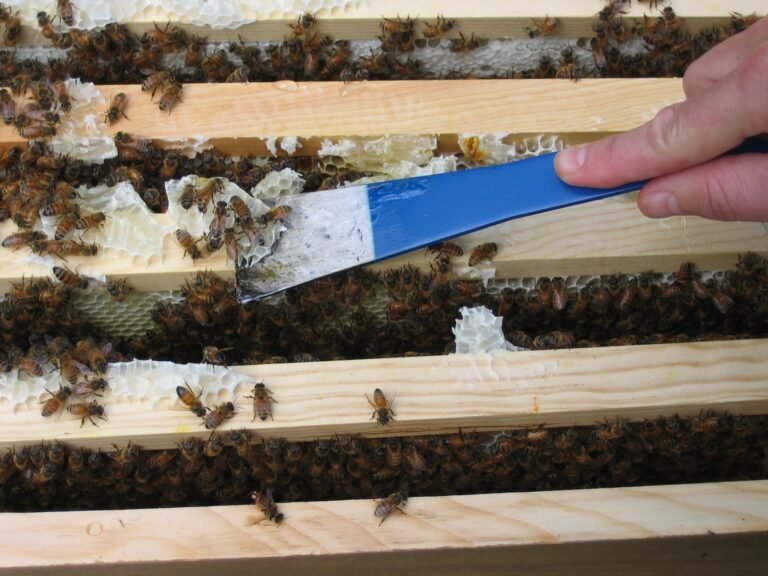
How to Disinfect Hive Tools After Disease (AFB and EFB)
Scrape to bare metal, then match the method to the disease: soda plus bleach for EFB, 0.5% bleach or flame for AFB. Why alcohol and the smoker fail.

Most brood problems look alike from three feet away: a patchy pattern, some sunken cappings, a few dead larvae. What they mean depends on details that take a minute to check. A spotty pattern with multiple eggs per cell or drone brood in worker cells is a queen problem, not a disease. Sunken, perforated cappings over discolored larvae point toward a brood disease, though hygienic bees also open cappings to pull out mite-damaged pupae, so check underneath first.
Smell and texture separate the foulbroods: European foulbrood gives a sour smell and twisted, yellowed larvae that die before capping, while American foulbrood smells foul and a matchstick pushed into a dead cell draws out a brown rope. Dead larvae in uncapped cells at the nest edge after a cold snap are more often chilled brood than infection. The adult-bee cases get the same treatment: trembling, hairless black bees may mean chronic bee paralysis virus or a pesticide hit, and dysentery on the hive front does not by itself confirm nosema.
When field signs will not settle it, the section covers lab testing and when to call an apiary inspector. Quarantine anything suspect first; a diagnosis can wait a week, spread cannot.
Start here:
Scrape to bare metal, then match the method to the disease: soda plus bleach for EFB, 0.5% bleach or flame for AFB. Why alcohol and the smoker fail.
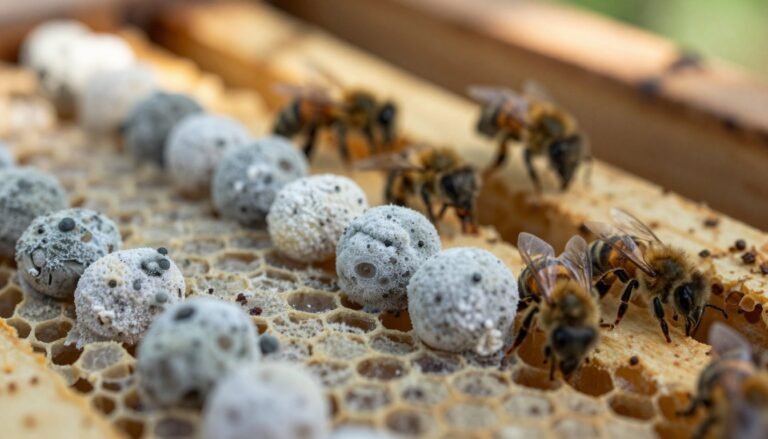
Learn how to identify and manage chalkbrood mummies in front of hive to protect your beehive from fungal infections with our expert guide.
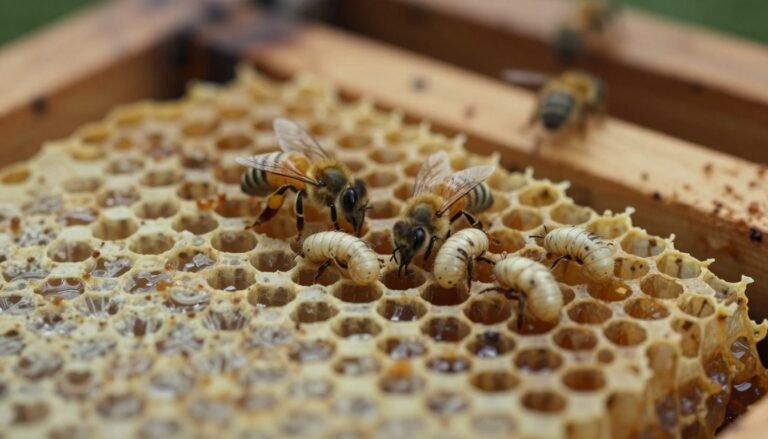
Discover the causes of dead larvae in uncapped cells and learn how to address this issue in your beehive with our comprehensive guide.
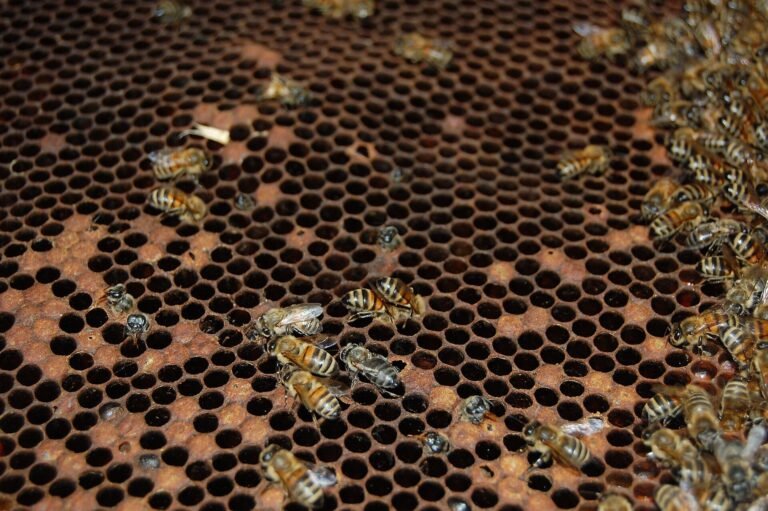
American foulbrood smells sulfurous and rotten, EFB sour, but the smell shows up late. What causes it, what gets mistaken for it, and how to confirm it.
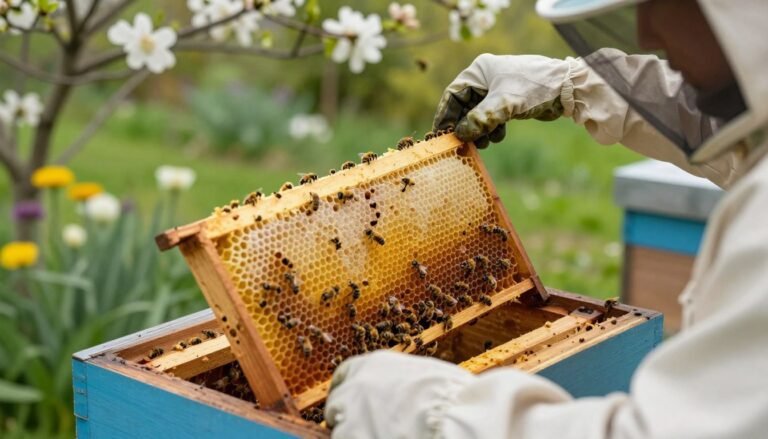
The rope test flags American foulbrood when dead brood stretches into a brown, elastic thread. Step-by-step method, what length counts, and ND and MN rules.
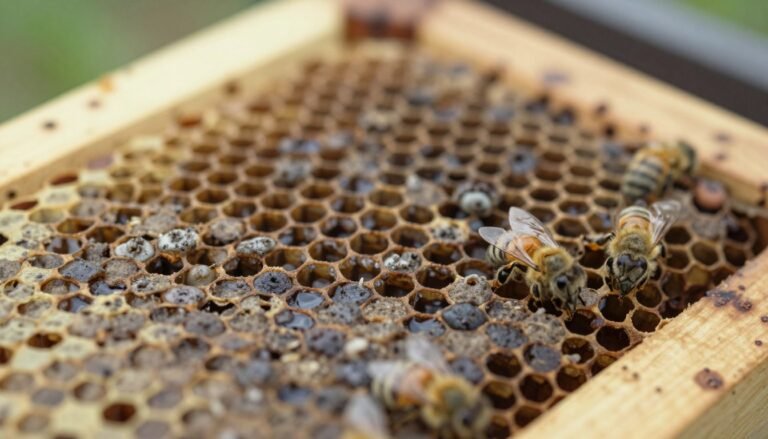
Understand the spotty brood pattern and know when to worry. Our comprehensive guide provides actionable advice for beekeepers to manage the issue.
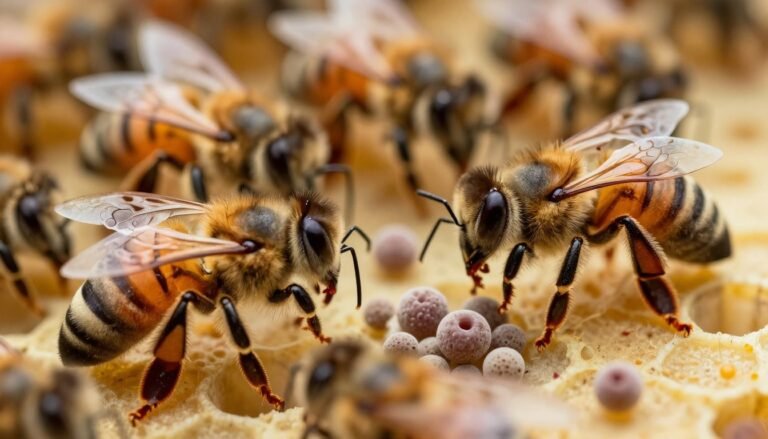
"Learn the key differences between dysentery vs nosema in bees, two conditions affecting bee health, causes, symptoms, and management strategies."
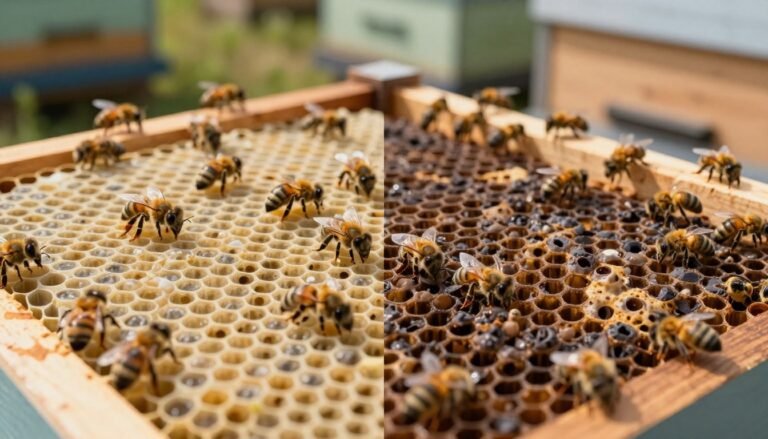
Discover the differences between queenless brood pattern vs diseased brood. Our step-by-step guide helps beekeepers diagnose and address common beehive problems.
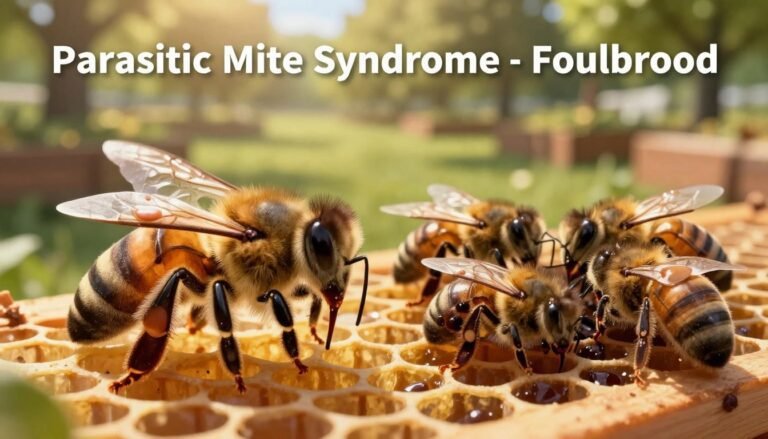
Discover the key differences between parasitic mite syndrome vs foulbrood. Explore their distinct symptoms, causes, and treatments to improve bee health and colony management.
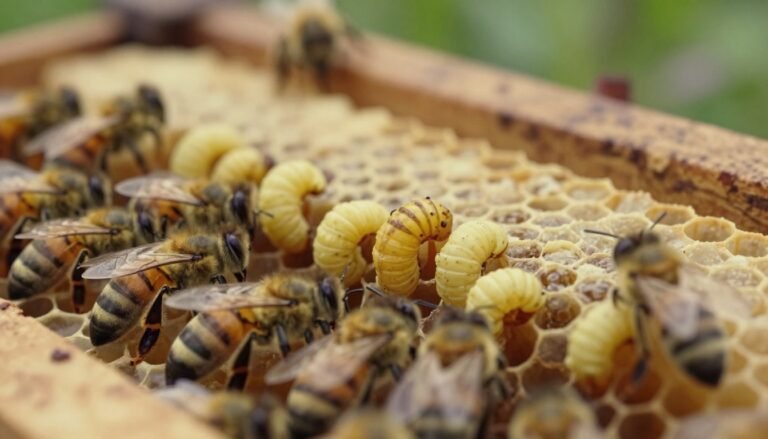
Understand sacbrood virus symptoms in honey bees and learn how to diagnose and manage the disease. Get expert advice for a healthy bee population.
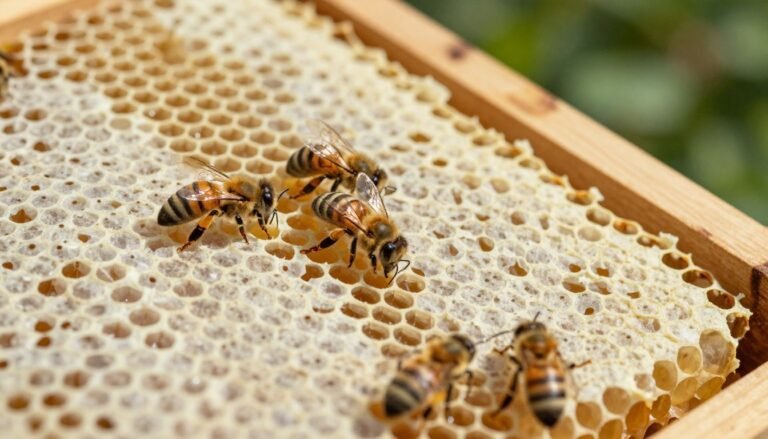
Learn about perforated cappings what they mean and their significance in various applications. Discover how to understand and utilize them effectively.
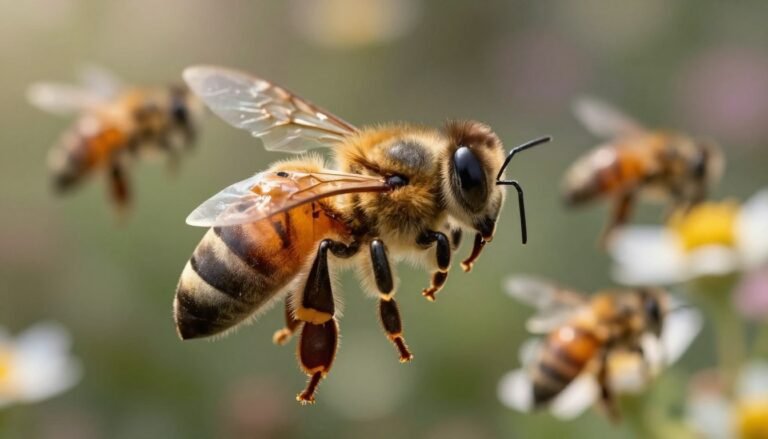
Learn to identify deformed wing virus signs in adult bees with our expert guide. Discover the key indicators and take action to protect your colony effectively now.
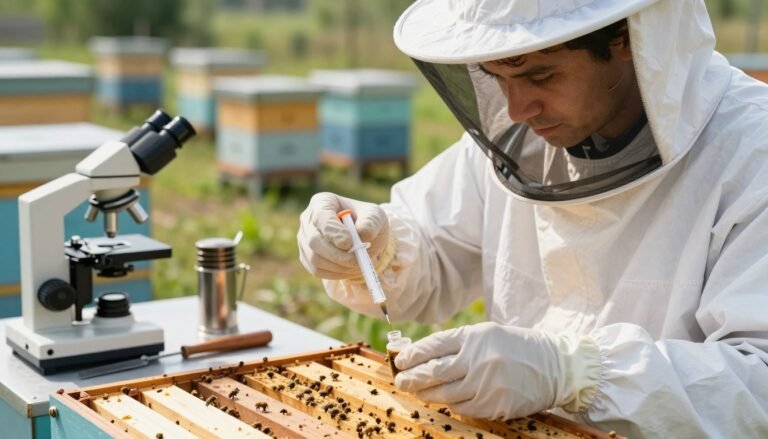
Understand the process of how to collect a bee disease sample for testing. Our detailed guide covers essential techniques for beekeepers and researchers.
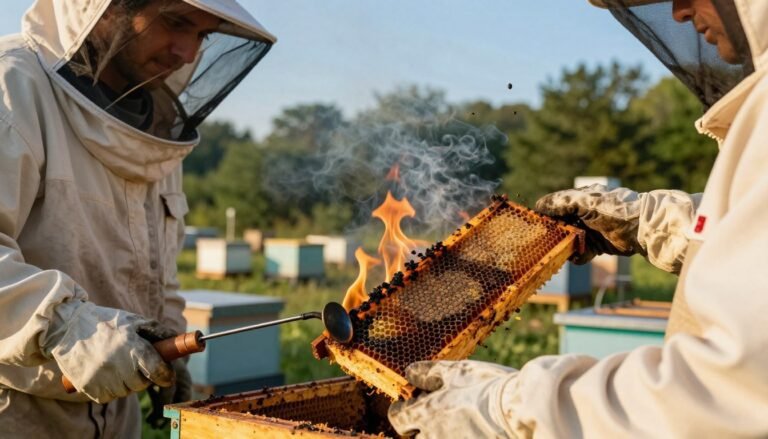
Learn when to burn comb after American foulbrood and discover the steps to effectively manage this beekeeping issue in the future. Expert guidance provided.
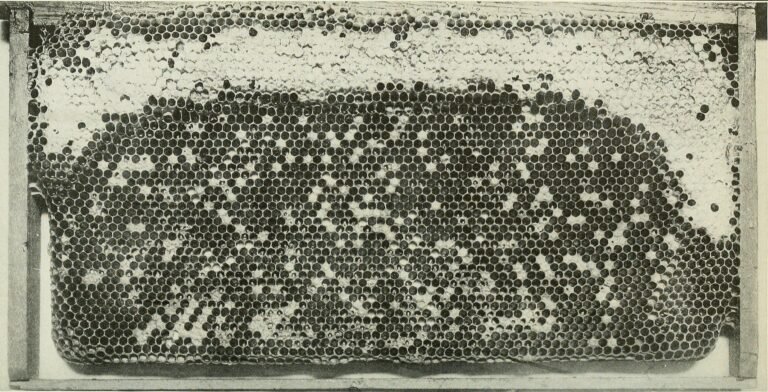
Understand the distinct characteristics of sacbrood vs chilled brood and how to address these issues in your bee colonies for better health. (156 characters)
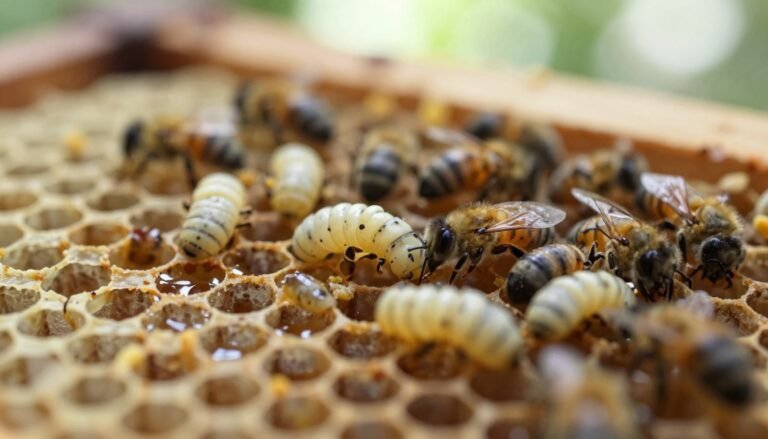
Understand the causes of larval discoloration in bee brood and implement our proven solutions. Enhance your beekeeping skills with our detailed how-to guide.
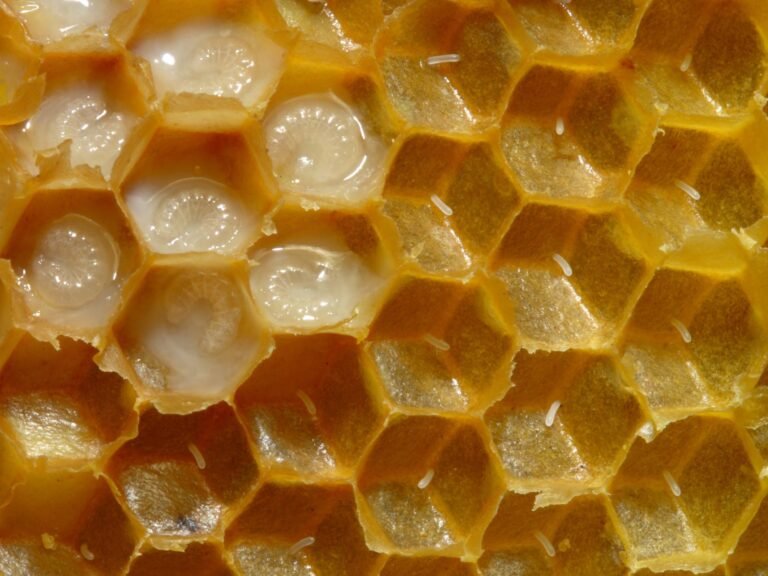
The first signs of European foulbrood hide in open brood: twisted, dull or yellowing young larvae. Learn how to scan for them, count cells, and confirm it.
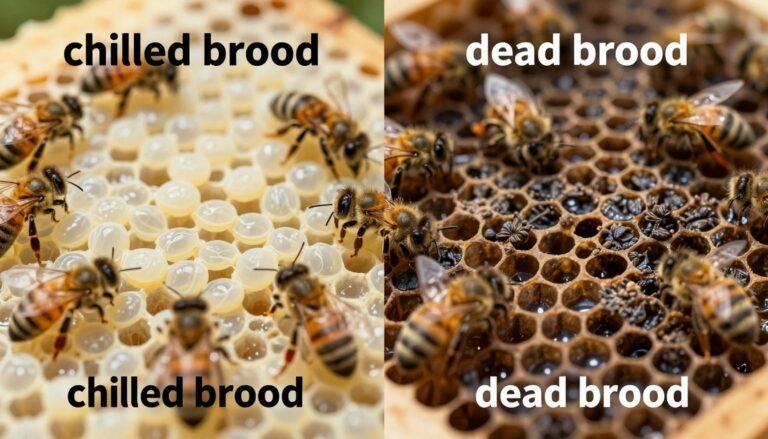
Learn the key differences between chilled brood vs dead brood in beekeeping. Understand the signs and implications for your hive's health.
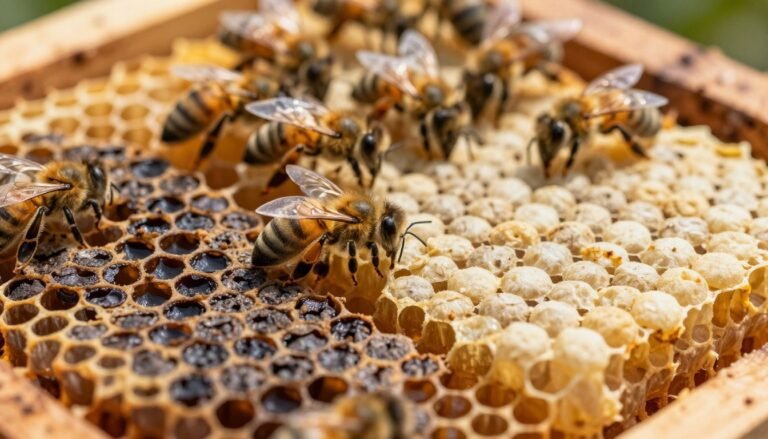
Discover the key differences between sunken cappings vs healthy brood cappings and understand their implications for beekeeping today.
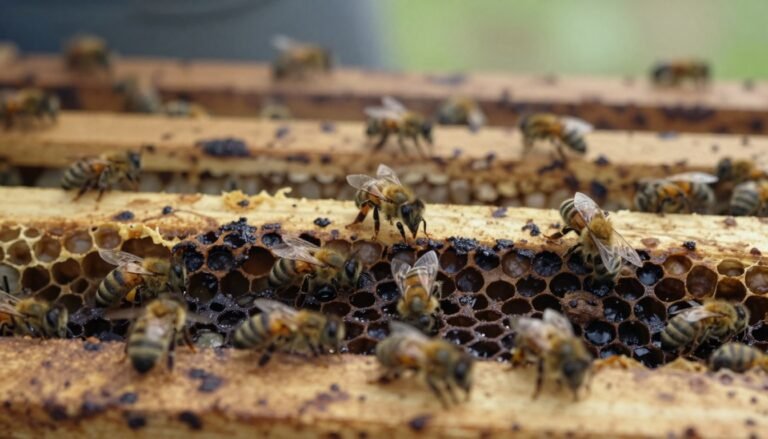
Discover the causes and solutions for sour brood smell in a hive with our comprehensive troubleshooting guide. Learn how to identify and resolve issues effectively.
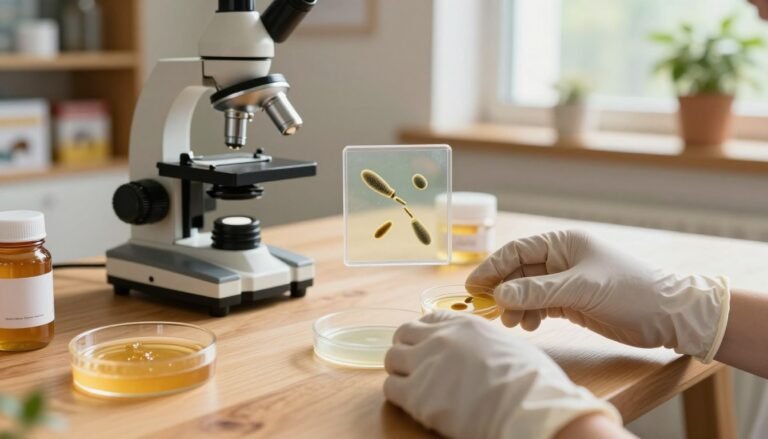
Learn how to test for nosema spores at home with our step-by-step guide. Discover simple methods for detecting nosema disease in bees.
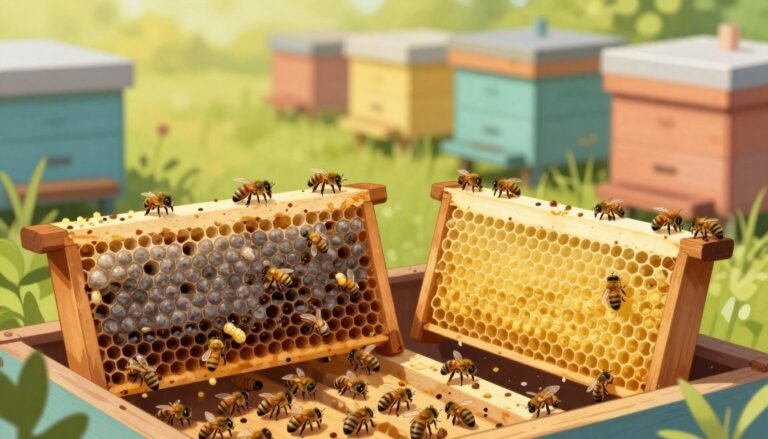
Compare American foulbrood vs European foulbrood: understand the distinct characteristics, symptoms, and control measures for these bee diseases. Get expert insights.
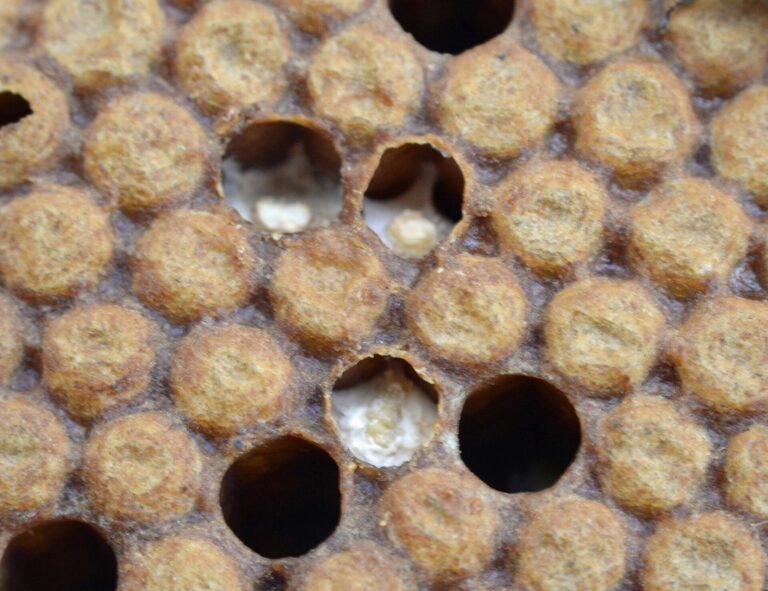
No chemical is registered to treat chalkbrood. Match your response to severity: tighten space, fix ventilation, replace old comb, requeen with hygienic stock.