Table of Contents
- What Fumagilin-B Is
- Nosema Apis vs. Nosema Ceranae
- How Fumagilin-B Works
- How It’s Administered
- The Honest Effectiveness Question for N. Ceranae
- When Treatment Is Typically Used
- Non-Chemical Nosema Management
- Safety and Label Guidance
- Who Should Consider Treatment
- Recognizing Possible Nosema Symptoms
- How Spore-Count Testing Actually Works
- Storage and Shelf Life Considerations
- Understanding the Research Landscape Behind the Effectiveness Question
- Nosema’s Connection to Winter Dysentery
- Regional Nosema Prevalence Patterns
- Cost Context for Treatment Decisions
- Colony Stress Factors That Worsen Nosema Impact
- Keeping Records Across Treatment Seasons
- Lab Testing vs. Visual Assessment
- Common Mistakes
What Fumagilin-B Is
Fumagilin-B is a commercial antifungal product used for the prevention and control of Nosema disease in honey bees, formulated from a natural extract derived from the fungus Aspergillus fumigatus, and administered by mixing into sugar syrup feed. It remains one of the only widely available licensed treatment options specifically targeting Nosema, and understanding both how it works and its real, documented limitations is important before relying on it as part of your colony health management.
Nosema Apis vs. Nosema Ceranae

Nosema disease in honey bees is caused by two distinct microsporidian parasites — the older, longer-studied Nosema apis, and the more recently emerged Nosema ceranae, which has spread globally and now represents the more commonly encountered species in many regions. This distinction matters directly for treatment decisions, since as covered in detail below, Fumagilin-B’s documented effectiveness differs meaningfully between the two species.
How Fumagilin-B Works
Fumagilin-B works by inhibiting the reproduction of Nosema spores within infected bees’ digestive tracts, reducing overall spore load in the colony over the treatment period rather than providing instant elimination of an existing infection. This mechanism is well-documented specifically for Nosema apis, the species it was originally developed and most thoroughly tested against.
How It’s Administered
Fumagilin-B is mixed into sugar syrup feed following manufacturer-specified ratios that vary by package size and target hive count — for example, a smaller bottle mixed with several gallons of syrup treating a handful of hives, with different dosing for spring versus fall application per the product label. Because exact ratios and preparation steps (including recommended water temperature during mixing) vary by product size and formulation, the current package insert is the authoritative source for exact dosing — general guidance summarized in secondhand articles, including this one, should never substitute for reading your specific product’s actual label before use.
The Honest Effectiveness Question for N. Ceranae
While Fumagilin-B’s effectiveness against Nosema apis is well-established in older research, its effectiveness against Nosema ceranae specifically has been genuinely questioned in more recent scientific literature — some published research has found uncertain or limited benefit against N. ceranae, and independent field observations (including from experienced beekeeper-researchers) have documented colonies with high N. ceranae spore counts despite treatment. This is an important, honest distinction: if N. ceranae is confirmed as the specific species affecting your colonies (increasingly the more common scenario in many regions), Fumagilin-B’s real-world benefit may be less certain than its reputation as “the” Nosema treatment might suggest.
When Treatment Is Typically Used
Fumagilin-B is typically applied during spring buildup and again in fall before winter cluster formation, timed to reduce spore loads during the two periods when Nosema-related colony stress is most consequential — spring, when a heavily infected colony struggles to build up properly, and fall, when going into winter with a high spore load can worsen winter losses. Following the specific seasonal dosing guidance on your product’s label, rather than treating at an arbitrary time, matters for getting the documented benefit the product testing was actually based on.
Non-Chemical Nosema Management
Beyond chemical treatment, general colony-health practices support Nosema management as a complementary (not necessarily sufficient alone) approach: ensuring adequate ventilation to reduce excess moisture that can worsen Nosema-related dysentery, avoiding unnecessary colony stress during inspections in cold or wet conditions, and maintaining strong overall nutrition. These practices don’t replace treatment when a genuine infection is confirmed, but they reduce the conditions that let Nosema populations expand in the first place.
Safety and Label Guidance
As with any bee-health medication, follow your specific product’s current label instructions for dosing, timing, and any pre-harvest interval requirements before honey supers go on, since regulations and label guidance can be updated and this article is not a substitute for that current, authoritative source. If you have specific questions about appropriate use for your operation, consulting your local agricultural extension office or a veterinarian familiar with apiary medicine is the appropriate next step beyond general information like this guide.
Who Should Consider Treatment
Beekeepers with a confirmed Nosema diagnosis (via microscopy or lab testing showing significant spore counts), particularly during spring buildup or pre-winter preparation, are the clearest candidates for considering treatment, following current label guidance. Beekeepers without confirmed infection, or those specifically dealing with N. ceranae where effectiveness is less certain, should weigh the treatment decision alongside the honest effectiveness question covered above rather than treating prophylactically as an automatic default.
Recognizing Possible Nosema Symptoms
Nosema infection can present as reduced colony population growth, visible dysentery (fecal streaking on the outside of the hive, particularly after winter confinement), and general colony weakness without an obvious alternative cause, though none of these signs are exclusively specific to Nosema on their own. Because symptoms overlap meaningfully with other colony stressors, treating visible symptoms as a presumptive diagnosis without actual spore-count confirmation risks both unnecessary medication use and, just as importantly, missing whatever the actual underlying problem really is if it isn’t Nosema at all.
How Spore-Count Testing Actually Works
Confirming a Nosema diagnosis typically involves crushing a sample of bee abdomens in water and examining the resulting solution under a microscope to count spores, a technique some experienced beekeepers perform themselves with basic lab equipment, while others send samples to a diagnostic lab or agricultural extension service for confirmation, particularly when distinguishing between N. apis and N. ceranae specifically matters for the treatment decision. Given the effectiveness question covered above, knowing specifically which species you’re dealing with is more directly useful for a Fumagilin-B treatment decision than it would be for many other bee-health conditions.
Storage and Shelf Life Considerations
Fumagilin-B and similar bee-health medications generally have specific storage requirements (typically cool, dry conditions away from direct light) and a limited shelf life once opened, both of which affect the product’s actual potency at the time of use — a beekeeper using an old, improperly stored bottle may get meaningfully reduced effectiveness compared to fresh product, independent of the species-specific effectiveness question covered above. Checking the expiration date and following storage instructions printed on the label is a simple step worth confirming before assuming a treatment failed for a different underlying reason.
Understanding the Research Landscape Behind the Effectiveness Question
The uncertainty around Fumagilin-B’s effectiveness against N. ceranae isn’t a fringe concern — it reflects a genuine, ongoing area of active research, with some published studies finding limited measurable benefit and others noting the parasite can persist despite treatment even when spore counts temporarily decrease. This is a good example of why staying current with published apiculture research, rather than relying on a product’s original reputation from decades of use against a different (though related) parasite species, matters for making genuinely informed treatment decisions today.
Nosema’s Connection to Winter Dysentery
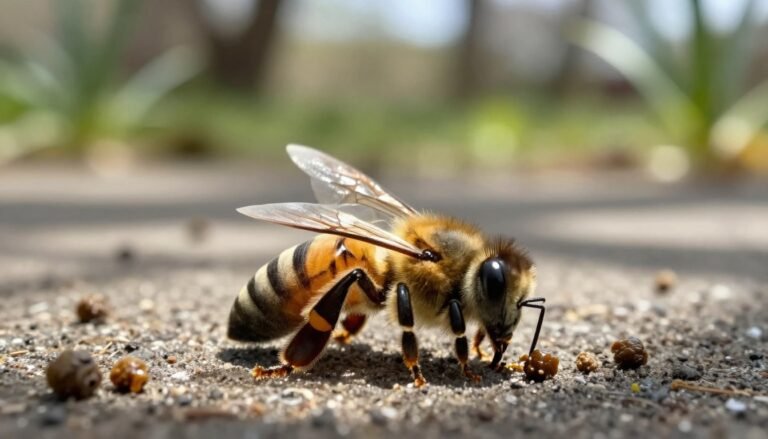
Nosema-related dysentery specifically occurs when infected bees, unable to hold their feces during extended winter confinement due to gut irritation from the infection, are forced into cleansing flights or defecate inside the hive when flight isn’t possible, worsening both individual bee stress and hive sanitation during an already vulnerable period — see this practical guide on dealing with bee dysentery after winter cleansing flights for how to respond once you see it. This is part of why fall treatment timing (ahead of winter cluster formation) is specifically emphasized on many product labels — reducing spore load before the confinement period begins addresses the problem before its worst seasonal consequence, rather than trying to manage an active dysentery outbreak mid-winter when treatment options are more limited.
Regional Nosema Prevalence Patterns
Nosema ceranae prevalence has increased substantially in many beekeeping regions worldwide over the past two decades, in some areas becoming more commonly detected than the older N. apis, though the exact regional balance between the two species varies and continues to shift over time. Checking with your local agricultural extension office or beekeeping association about which species is more commonly reported in your specific region can help inform how much weight to give the N. ceranae effectiveness question when deciding on a treatment approach.
Cost Context for Treatment Decisions
Fumagilin-B represents a modest recurring cost for beekeepers who treat routinely each spring and fall, and weighing that ongoing cost against the genuine effectiveness uncertainty for N. ceranae specifically is a reasonable part of the treatment decision, particularly for beekeepers managing many colonies where the cost scales with hive count. Some beekeepers reasonably choose to treat only colonies with confirmed significant spore counts rather than treating their entire apiary prophylactically every season, a more targeted approach consistent with the diagnostic-first guidance covered above.
Colony Stress Factors That Worsen Nosema Impact
Colonies already under stress from other factors — high varroa loads (worth checking with a Varroa EasyCheck), poor forage availability, or recent transport and handling stress — tend to show more severe Nosema-related impacts than otherwise healthy colonies with a similar spore count, since a colony’s overall resilience affects how well it tolerates any single pathogen’s presence. This is a useful reminder that Nosema management works best as part of broader integrated colony health practices rather than an isolated single-issue fix, consistent with how most bee-health challenges interact with overall colony condition rather than existing in isolation.
Keeping Records Across Treatment Seasons
Tracking spore-count results, treatment dates, and subsequent colony performance across multiple seasons gives you genuinely useful data specific to your own apiary on whether treatment is making a measurable difference, rather than relying purely on general research findings or product marketing claims to guide an ongoing management decision that affects real costs and effort every season.
Common Mistakes
Treating for Nosema without any diagnostic confirmation, based purely on nonspecific symptoms that could indicate several different problems, risks unnecessary treatment for a condition that isn’t actually present. Assuming Fumagilin-B provides the same well-documented benefit against N. ceranae that it does against N. apis overlooks the genuine, research-documented uncertainty specific to the newer species. Using outdated or secondhand dosing information instead of the current product label risks incorrect application that doesn’t match what current testing and regulatory guidance actually supports.
Lab Testing vs. Visual Assessment: Which Matters More
While visible dysentery or population lag can prompt a beekeeper to suspect Nosema, an actual spore count from microscopy or lab testing remains the more reliable basis for a treatment decision than visual assessment alone, since visible symptoms typically only appear once an infection has already reached a fairly advanced stage — testing can catch a developing problem earlier, while it’s still more manageable, rather than waiting for visible confirmation that the colony is already under significant stress.
Sources
Treatment mechanism and species-specific effectiveness information reflect published apiculture research and manufacturer product documentation; readers should consult current product labels and a veterinarian or extension office for specific application guidance. See Penn State Extension’s Nosema Disease of Honey Bees guide for additional authoritative detail.
FAQ
Does Fumagilin-B work equally well against both Nosema species?
No — its effectiveness against Nosema apis is well-established, but research on its effectiveness against the more recently emerged Nosema ceranae has produced more uncertain results, an important distinction to know before relying on it as a complete solution.
How do I know if my colony actually has Nosema?
A confirmed diagnosis generally requires microscopy or lab testing to detect spore counts, since Nosema symptoms can overlap with other colony health issues — treating based on guesswork alone risks unnecessary medication use.
When should Fumagilin-B be applied?
Typically during spring buildup and again in fall before winter, following your specific product’s current label guidance for exact timing and dosing rather than a generic schedule.
Can Nosema be managed without medication?
General colony-health practices like adequate ventilation (see our guide to beehive ventilation) and reduced stress during inspections support Nosema management as a complementary approach, though they aren’t necessarily sufficient alone for a confirmed significant infection.
Is dysentery always a sign of Nosema?
Not necessarily — dysentery can also result from poor-quality winter stores, excess moisture in the hive, or extended confinement alone, so visible fecal streaking should prompt further investigation rather than an automatic Nosema diagnosis on its own.