Table of Contents
What Shook Swarming Is
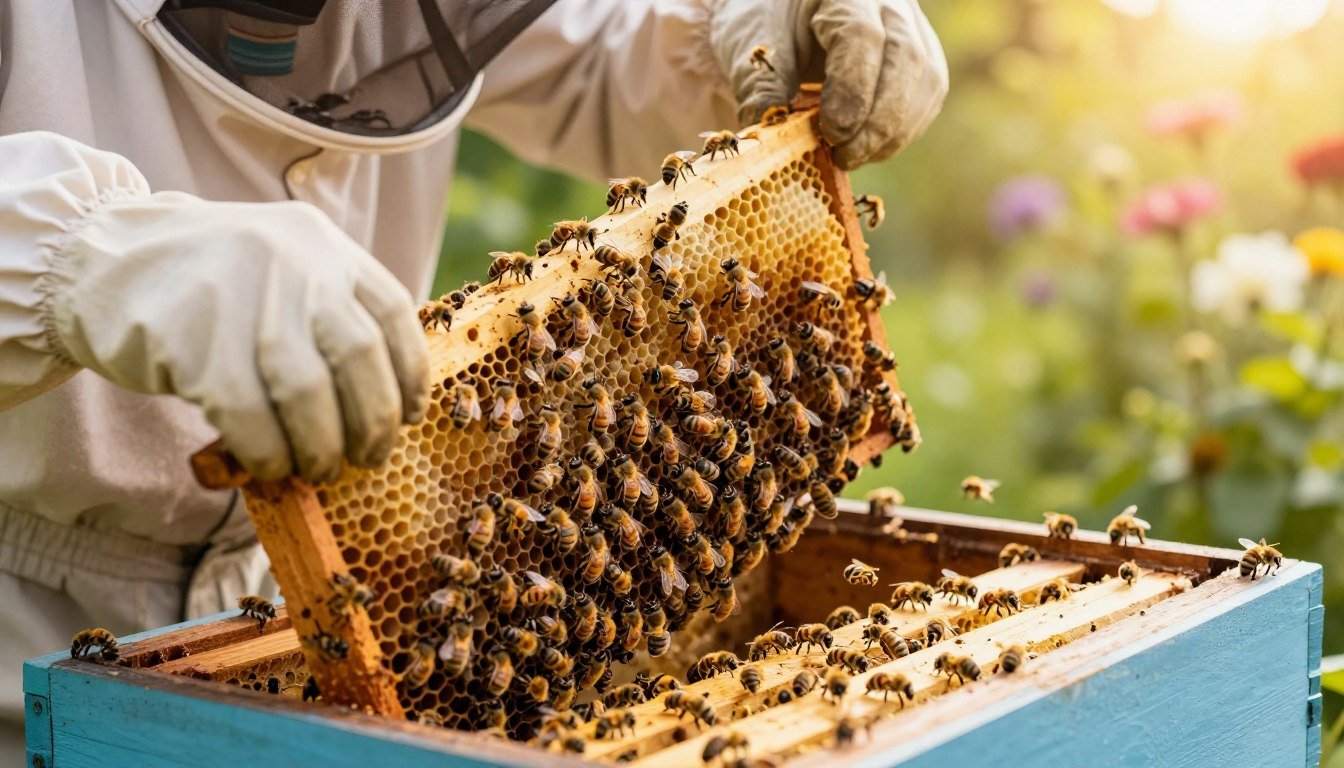
A shook swarm (also called a shakedown) is a technique where a beekeeper physically shakes every adult bee off the old combs of a hive and into a new box fitted with fresh foundation or drawn comb, then discards or quarantines the old combs entirely. The colony effectively starts over on completely clean comb, with none of its previous brood, stored honey, or pollen carried forward. It’s a deliberately disruptive technique, used specifically because that disruption accomplishes something gentler methods can’t.
Why Beekeepers Do It
Old comb accumulates things a colony is better off without: disease spores that survive in wax for years (notably American and European foulbrood spores), pesticide or miticide residue that builds up in wax over repeated treatments, and mite populations that are disproportionately concentrated in capped brood cells. This is the same capped-brood limitation that affects treatments like oxalic acid vaporization — a shook swarm sidesteps it entirely by removing the capped brood (and the mites inside it) from the colony altogether. Moving the colony onto fresh comb removes all of that in a single step, rather than trying to treat or manage it in place. It’s also used simply to renew old, dark comb that’s become structurally weak or contaminated over years of use, independent of any specific disease concern. For background on the specific disease this technique is most associated with, see European foulbrood: recognize the early symptoms and American vs. European foulbrood: key differences.
Which Colonies Are Good Candidates
Shook swarming works best under specific conditions:
- A strong colony — this is not a technique for a small or already-weak colony, since it temporarily strips away all stored food and brood investment, and a weak colony may not have the population to recover from that shock.
- A young, productive queen — the colony needs to rebuild quickly, which depends heavily on a queen laying well.
- A genuine reason to do it — confirmed disease, known chemical contamination in the comb, or comb old and dark enough to warrant renewal. It’s a disruptive technique, not a routine seasonal chore.
Equipment Needed
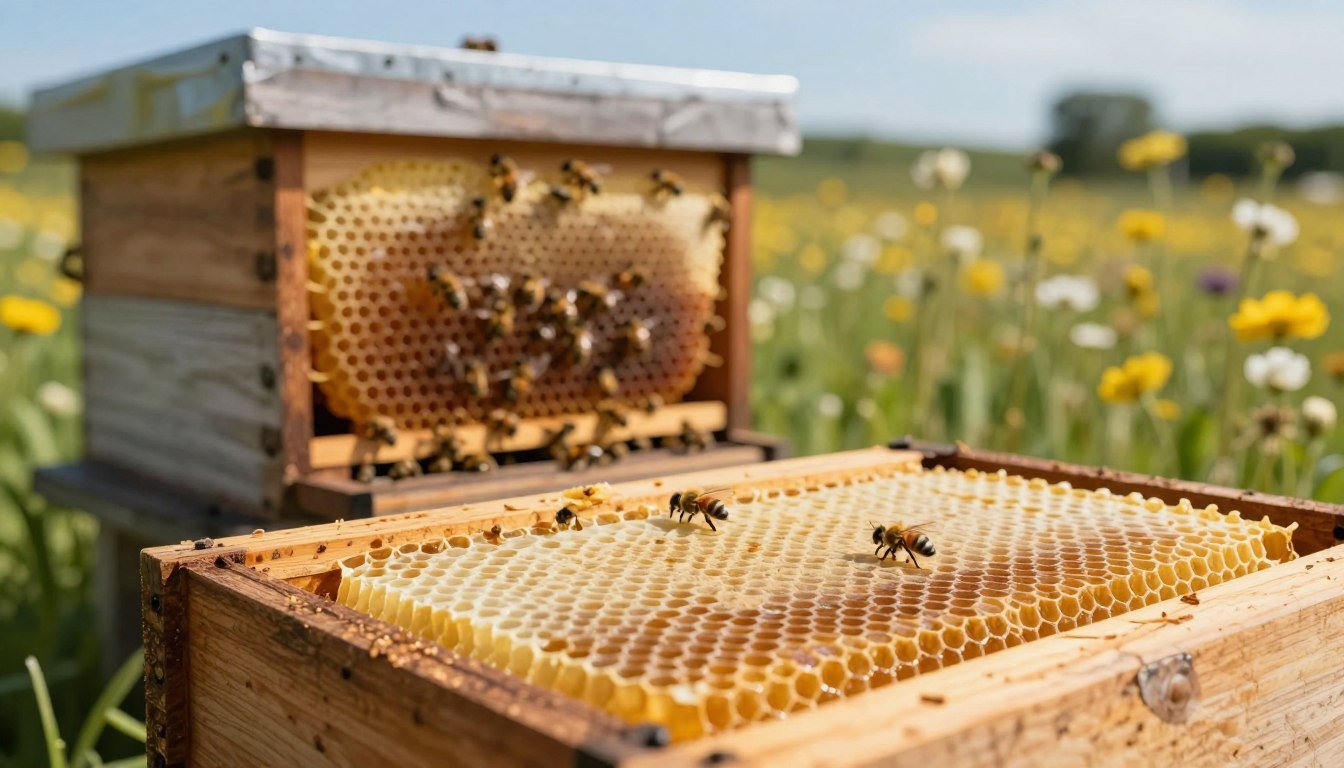
- A clean hive box with a full set of fresh foundation (or clean, disease-free drawn comb if available)
- A queen cage, in case you need to temporarily confine the queen during the process
- A feeder, since the colony will have zero stored food immediately after the process
- 1:1 sugar syrup and, in most cases, a pollen patty, to fuel rapid comb-drawing and brood-rearing
- A way to safely dispose of or quarantine the old combs and box (covered below)
Step-by-Step Process
- Set up the new box beside the original hive, fully fitted with fresh foundation.
- Locate the queen as you go through the old box, and once found, cage her temporarily and set the cage inside the new box.
- Shake each frame of bees from the old box into the gap between the new foundation frames — hold the frame about a third of the way into the new box and give it a firm, sudden downward shake so bees fall off into the new box rather than needing to be brushed.
- Work through every frame in the old box this way, checking each one for the queen if you haven’t already found her.
- Confirm the queen is in the new box before closing it up, then release her from the cage.
- Move the new box onto the original hive stand, so returning foragers find it at the familiar location.
- Remove the old box and combs from the apiary immediately, handled per the disposal guidance below.
Feeding Afterward — and the EFB Exception
Because the colony now has zero stored food and zero drawn comb, feeding is critical to a successful recovery. A common feeding schedule is roughly a half-gallon of 1:1 sugar syrup every couple of days, plus a pollen patty sized so the colony consumes it within about four days, continued until the new comb is substantially drawn out. There’s one important exception: if the shook swarm is specifically being done to treat European foulbrood, many experienced sources recommend withholding syrup feeding immediately afterward, since honey stores the bees are still carrying in their own bodies from before the shake can still harbor the bacteria and get incorporated into newly drawn comb, partially undermining the point of the fresh start. Follow disease-specific guidance from a local extension service or experienced mentor for the exact timing in an EFB-driven shook swarm rather than defaulting to the standard feeding schedule.
Best Timing
Spring through early summer is the standard window, giving the colony enough of the growing season left to draw new comb, rebuild brood, and put up adequate stores before the next winter. Doing this too late in the season risks the colony not having enough time to fully recover and build adequate winter stores on entirely new comb. A strong colony that’s shook-swarmed well can rebuild to a full hive body of drawn comb in as little as about two weeks under good conditions, but that timeline depends heavily on a strong nectar flow or consistent supplemental feeding.
What to Do With the Old Comb and Equipment
Old comb removed during a shook swarm shouldn’t just be set aside for later reuse, especially if disease was the reason for the shake. Burning is the standard recommendation for comb removed due to confirmed American foulbrood specifically, since AFB spores are exceptionally hardy and can remain viable for decades. For European foulbrood or general comb renewal without a specific pathogen confirmed, guidance varies more by situation and region — check with a local apiary inspector or extension service before deciding whether to destroy, quarantine, or attempt to salvage any of the removed equipment, since the right call depends on the specific disease involved and local regulations.
Shook Swarm vs. a Bailey Comb Change
Shook swarming isn’t the only way to move a colony onto fresh comb. A Bailey comb change achieves a similar end result more gradually: a new box of foundation is placed above (or beside) the existing brood box, the queen is encouraged up into the new box, and over several weeks the colony naturally shifts its brood nest onto the new comb as the old box is phased out. The tradeoff between the two: a shook swarm is fast and forces a complete, immediate break from the old comb in a single visit, but it’s more disruptive and demands a strong colony and vigilant feeding. A Bailey comb change is gentler and lower-risk for a less robust colony, but takes weeks rather than a single afternoon, and the colony continues drawing brood on some of the old comb during the transition rather than making a clean break immediately. Which one makes sense depends largely on urgency — confirmed disease calls for the immediate, complete separation a shook swarm provides, while routine comb renewal without an active disease concern can often use the gentler gradual approach instead.
Signs the Shook Swarm Worked
In the days and weeks following a shook swarm, a few signs indicate the colony is recovering as expected: bees should be actively drawing out the new foundation within the first few days, visible as fresh white wax appearing on frame faces; the queen should resume laying within roughly a week once enough comb is available; and the colony should be steadily consuming the syrup and pollen patty being provided rather than leaving it untouched (untouched feed can be a sign of a problem, such as a lost or injured queen during the process). If the colony was shook-swarmed for a specific disease and symptoms reappear on the new comb after several weeks, that’s a sign the underlying source of contamination wasn’t fully addressed (for example, bees still carrying the pathogen, or a nearby contaminated hive continuing to reinfect the apiary) rather than a failure of the technique itself.
Common Mistakes
| Mistake | Why it matters |
|---|---|
| Doing it on a weak colony | A weak colony may not have the population to recover from losing all its stores and drawn comb at once |
| Not feeding aggressively enough afterward | The colony has zero stores and zero comb — inadequate feeding significantly slows recovery and risks starvation |
| Feeding syrup immediately after an EFB-driven shook swarm without checking current guidance | Stored food already in bees’ bodies can still carry the pathogen into new comb, partially defeating the purpose |
| Reusing old comb “just this once” after a disease-driven shook swarm | Defeats the entire purpose of the technique — the whole point is separating bees from contaminated material |
| Doing it too late in the season | Leaves too little time for the colony to draw comb and build stores before winter |
Sources
Process, timing, and feeding guidance reflect published apiculture technique resources, including UK National Bee Unit fact sheet material on shook swarming and widely published beekeeping-association guidance on comb renewal and disease management. For a disease-specific shook swarm (particularly for EFB or AFB), consult a local apiary inspector or extension service for current regional guidance and regulations before proceeding. For further verification, see USDA APHIS’s National Honey Bee Surveys program.
FAQ
What is a shook swarm used for?
Moving a colony onto completely fresh comb, leaving behind old comb that may carry disease spores, chemical residue, or simply be old and structurally weak. It’s used for disease management, comb renewal, and reducing mite levels concentrated in capped brood.
Can I feed syrup right after a shook swarm?
Usually yes, and it’s important for recovery — but if the shook swarm was done specifically to treat European foulbrood, many sources recommend withholding syrup initially, since bees may still carry the pathogen in stored food in their bodies. Check current disease-specific guidance for that case.
Is a shook swarm safe for a weak colony?
No — it’s recommended for strong colonies with a productive queen. A weak colony may not have enough population to rebuild after losing all its stores and drawn comb at once.
What should I do with the old comb after a shook swarm?
It depends on why you did the shook swarm. Comb removed due to confirmed American foulbrood is typically burned, since its spores are extremely hardy. For other reasons, check with a local apiary inspector or extension service before deciding whether to destroy or quarantine it.