Last Updated September 14, 2026
A hive inspection camera is a flexible or rigid borescope — the same basic tool as an automotive or plumbing inspection camera — inserted through a small gap in the hive to check winter cluster position, food stores, or brood without fully opening the box. It is not the same product as a remote hive monitor like a BroodMinder or Arnia, which measures temperature, humidity, and weight from sensors left permanently in the hive; a borescope is a handheld tool you use for a single quick look, most valuably in the dead of winter when opening a hive fully risks chilling or killing the cluster.
This is a real, useful, and genuinely underused piece of gear that most buying guides for beekeeping equipment skip entirely — probably because it’s borrowed from other trades rather than purpose-built for beekeeping. Here’s what it actually does well, what to look for, and where it falls short of an experienced beekeeper’s judgment.
Key Takeaways
- Hive borescopes are general-purpose inspection cameras (the same tools used for plumbing and automotive work), not a bee-specific product category — expect to buy from an electronics retailer, not a beekeeping supplier.
- Their single best use case is winter cluster checks: confirming the cluster is alive and positioned near stores without breaking propolis seals or losing heat by lifting the cover.
- A dual-lens design (front-facing plus a side-angle lens) sees around frames far better than a single front-facing lens, which mostly shows you whatever is directly in the camera’s path.
- Image quality and battery life vary enormously by price; a $25–$40 USB or WiFi borescope is genuinely usable for this purpose, and spending more mainly buys a better screen and sturdier cable.
- A camera cannot replace a full inspection for disease diagnosis, mite loads, or queen status — it’s a supplement for specific low-disturbance situations, not a routine-inspection replacement.
Table of Contents
- Why Beekeepers Started Using Them
- What to Actually Look For
- What It’s Actually Good For (and What It Isn’t)
- How It Compares to a Remote Hive Monitor
- Frequently Asked Questions
Why Beekeepers Started Using Them
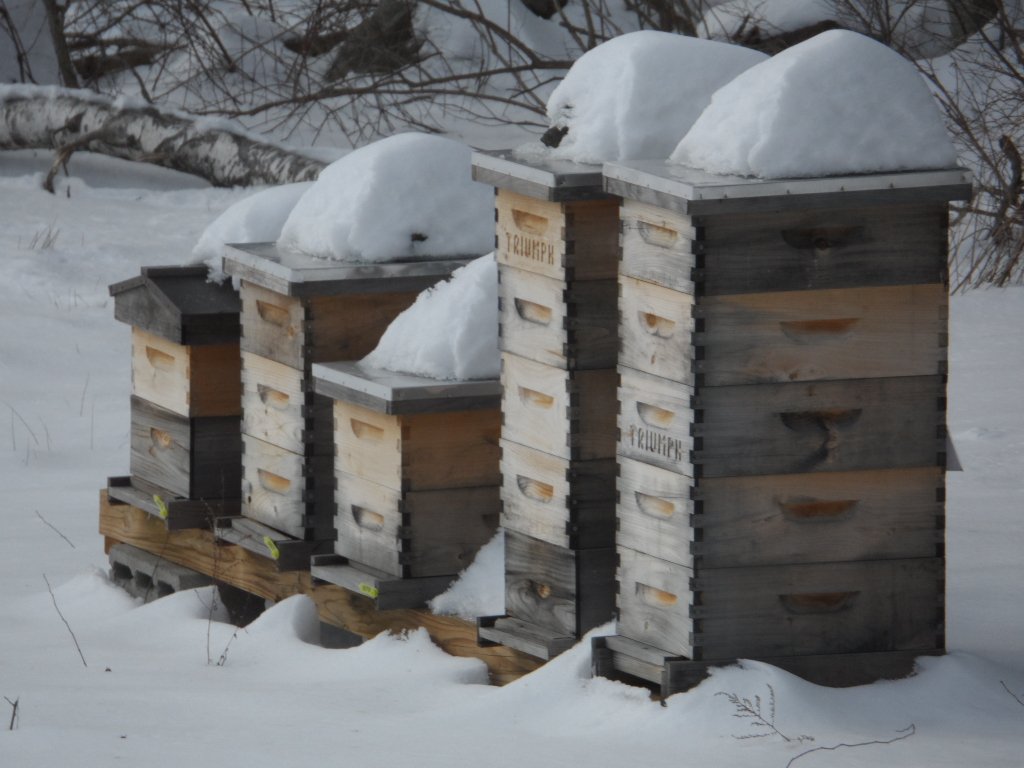
The core problem a hive camera solves is real: opening a hive in cold weather to check whether a colony survived can do more harm than the information is worth, since breaking the propolis seal and venting the cluster’s retained heat costs the colony energy it may not have to spare. University extension guidance on overwintering colonies in northern climates makes the same point directly — minimizing hive disturbance during cold snaps matters more than most new beekeepers expect, as detailed in the University of Florida IFAS Extension’s overwintering guide. Beekeepers in cold-winter regions have long used simpler workarounds — a stethoscope against the hive body to listen for a hum, or knocking and listening for a response — but these only confirm the colony is alive, not where the cluster is relative to remaining stores, which is the information that actually predicts late-winter starvation.
A small dual-lens inspection camera inserted through an inner cover notch, a purpose-cut shim, or briefly through the entrance solves that: you can see cluster size, position, and whether capped stores are still present within arm’s reach of the bees, in under a minute, without lifting a single box.
What to Actually Look For
Since these are general inspection cameras rather than a beekeeping-specific product, evaluate them the same way you would for any borescope, with a few bee-specific priorities:
- Dual-lens over single-lens. A front-only camera mostly shows whatever the cable happens to be pointed at when it stops moving; a dual-lens design (front and 45–90° side view) lets you actually look along the top of frames instead of just straight ahead.
- Cable length and rigidity. A semi-rigid cable holds a bend so you can steer it between frames without it flopping; fully flexible “snake” cables are easier to feed through a small hole but harder to aim once inside.
- Built-in LED lighting with brightness control. The inside of a hive box is dark even at midday; adjustable LEDs matter more than raw resolution, since an overexposed close-up of a frame is just as useless as a dim one.
- Display type. Phone-app WiFi borescopes are the cheapest and most common; a few models include a small dedicated screen, which is more convenient with cold-weather gloves on than unlocking and holding a phone.
- Waterproof/condensation-resistant housing. Moving a cold camera from freezing air into a warm, humid hive interior causes lens fogging on cheaper units — worth checking user reviews specifically for this before buying.
| Price tier | Typical spec | What you actually get |
|---|---|---|
| $25–$40 | Single or dual-lens, phone-app WiFi | Genuinely usable; basic LED, shorter cable, smaller battery |
| $40–$80 | Dual-lens, brighter adjustable LEDs | Better low-light image, sturdier semi-rigid cable |
| $80+ | Dedicated screen, longer cable, higher resolution | Mainly convenience (no phone needed) and durability, not a fundamentally different capability |
What It’s Actually Good For (and What It Isn’t)
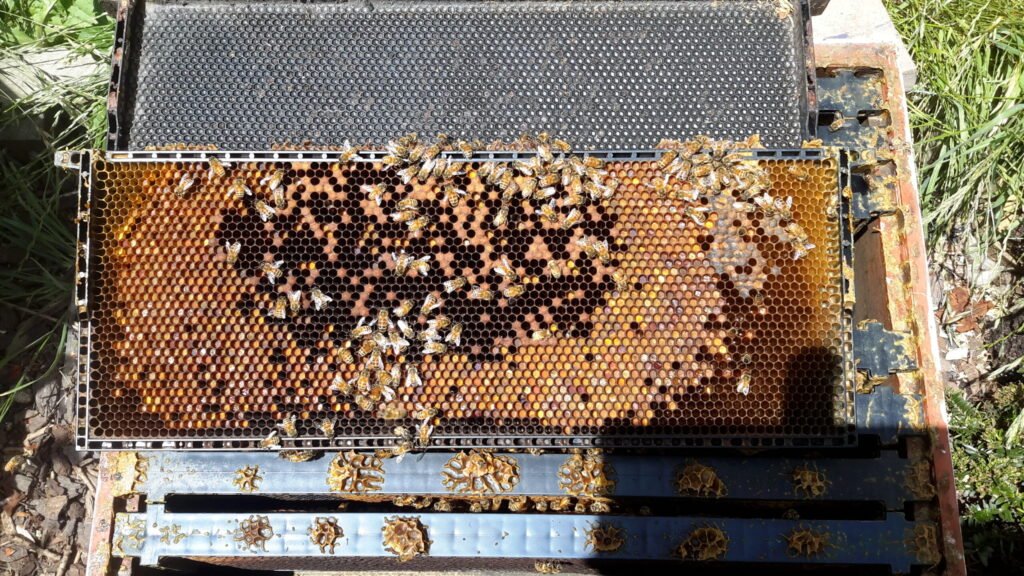
Realistic, well-supported use cases: winter cluster-location checks without breaking the propolis seal; a quick look at whether a swarm trap or bait hive has attracted a colony before hauling it down from a tree stand; checking a cutout or trap-out cavity (a wall void or tree hollow) for comb structure and colony size before committing to full removal equipment; and peeking into a stack of stored supers for wax moth activity without unstacking everything — a real concern the NC State Extension’s wax moth control guide covers in more depth for anyone storing drawn comb between seasons.
What it is not good for: diagnosing disease (you need a clear, well-lit, close view of individual larvae that most consumer borescopes can’t resolve sharply enough), assessing Varroa load (mites are small and fast-moving; a sugar roll or alcohol wash remains the actual accurate method), or confirming a queen is present and laying well (you need to see eggs clearly, which requires better optics and a steadier hand than a hand-held snake camera on a cold day allows). Treat a hive camera as a scouting tool that tells you whether a full inspection is warranted, not a replacement for one.
How It Compares to a Remote Hive Monitor
It’s worth being explicit about the difference, since the two get lumped together in casual conversation: a device like the ones compared in our BroodMinder vs. Arnia vs. SolutionBee guide lives permanently inside the hive and reports temperature, humidity, sound, or weight data over time via an app — it tells you trends, not a visual picture. A borescope does the opposite: no ongoing data, but an actual image, on demand, of exactly what’s inside right now. Some beekeepers use both — a permanent monitor for trend alerts (a sudden temperature drop suggesting colony loss) and a borescope to visually confirm what the monitor is telling them before deciding whether a winter inspection is worth the risk. For anyone considering the more automated end of this spectrum, our explainer on what a robotic beehive like BeeHome actually does covers a very different, far more expensive category that includes internal cameras as one part of a fully automated system.
Frequently Asked Questions
Where do I insert a borescope into a hive without disturbing the bees?
Many beekeepers drill or cut a small notch in an inner cover or use a purpose-made shim with a rubber-grommeted hole specifically for this. Without a dedicated opening, a brief insertion through the entrance angled upward can work, though it gives a more limited view of cluster position higher in the box.
Will the bees attack the camera?
Occasionally a bee will investigate or bump the lens, especially in warmer weather when the cluster is more active, but a slow, steady insertion rarely triggers a defensive response the way fully opening a hive does — there’s no rush of light and cold air across the whole colony.
Do I need a beekeeping-specific borescope, or will a hardware-store one work?
A general-purpose automotive or plumbing inspection camera works fine — there is no meaningful “beekeeping-specific” hardware difference, only a difference in how you use it. Prioritize a dual-lens model with adjustable LED brightness over anything marketed specifically to beekeepers at a premium.
Can I use my phone’s camera instead of buying a borescope?
Not effectively — a phone camera isn’t built to fit through the small gaps a hive interior requires, and lacks the flexible cable needed to see around and behind frames rather than just straight down into the box.
How often should I check a hive with a borescope during winter?
Once every few weeks during the coldest stretch is enough for most climates — checking more often adds no real benefit and just increases how many times you’re briefly opening a small access point in cold weather. A sudden change in outdoor temperature or an unusually quiet hive on tapping are better triggers for an extra check than a fixed schedule.
Does a borescope work on a top-bar or Warre hive, not just Langstroth boxes?
Yes, as long as there’s a small gap or access point to feed the cable through — a notched cover, an existing observation window, or a gap between bars. The camera itself doesn’t care about hive style; access is the only real constraint.
A hive borescope earns its keep in exactly one scenario — checking on a colony without opening it in weather that punishes a full inspection — and it’s worth the modest cost for that alone, even though it will never replace a real hands-on inspection once the weather allows one.
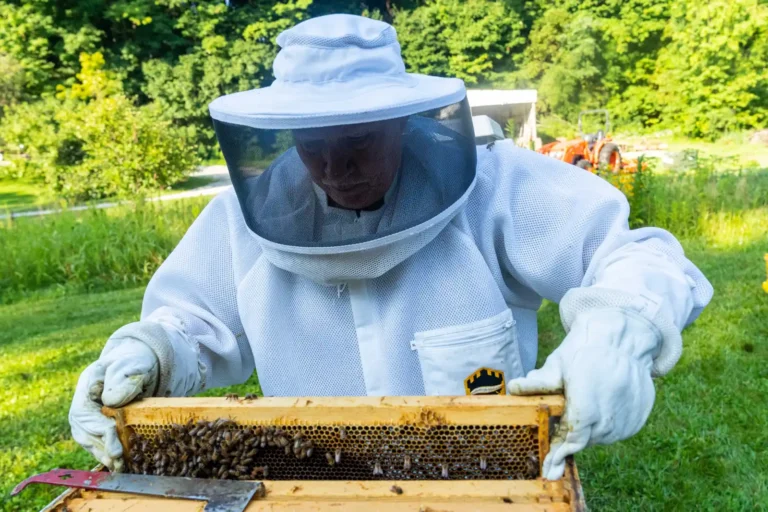
Image credits: Photo: Beekeerper inspecting a beehive by Ivan Radic, licensed CC BY 2.0, via Wikimedia Commons.