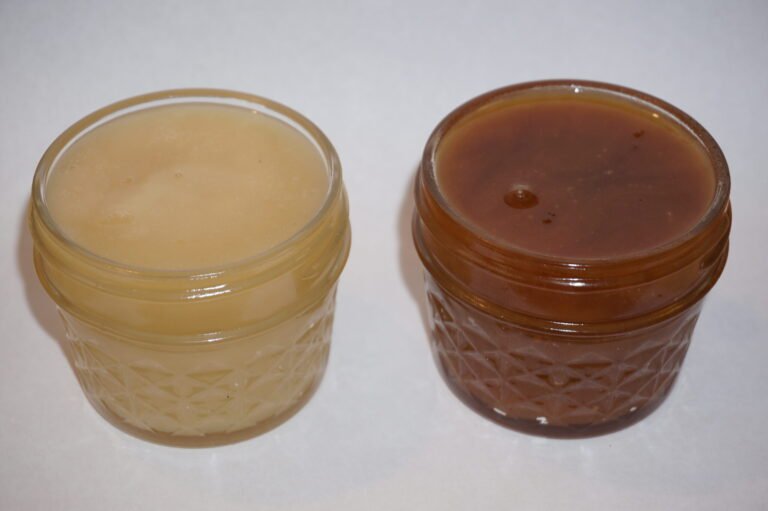
Creamed Honey Equipment: Stir Tanks and Mixers Explained
The real equipment producers use to scale creamed honey production, from home kits to industrial stir tanks, and what to look for when buying.

Buying beekeeping equipment is where new beekeepers waste the most money, usually on items that look essential in a catalog and sit unused by August. The guides here compare real, currently sold products by the job they do: smokers, gloves and suits, refractometers, wax melters, bee vacuums, hive monitors, jars and labels, and gift ideas.
A few rules hold across all of them. Buy for the work you actually do: a bee vacuum only earns its keep if you take cutouts regularly, while a refractometer pays for itself the first time it stops you bottling honey that would have fermented. With smokers, the larger barrel is nearly always the right choice, because a small one burns out halfway through a long inspection. With gloves, thick leather feels safer but costs the dexterity that keeps bees calm, and most people move to thinner gloves within a season. Prices in each guide date from its last update, so treat them as reference points.
Each comparison explains which features matter, which are marketing, and who should skip the purchase entirely. Start with the equipment overview if you are assembling a first-year kit, then come back to the individual guides as specific needs arise.
Start here:
The real equipment producers use to scale creamed honey production, from home kits to industrial stir tanks, and what to look for when buying.

What Beewise's BeeHome robotic hive actually does, how it differs from a passive hive monitor, and how you actually access one.
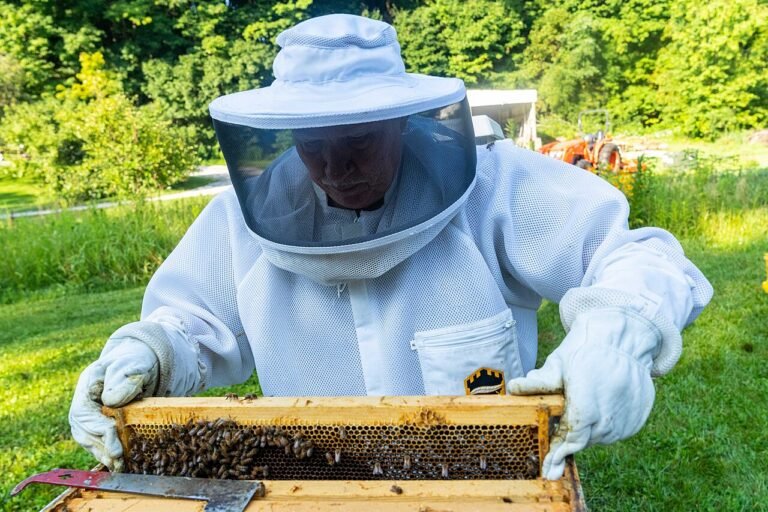
There are four real, currently-sold veil types beekeepers actually choose between — round, square/folding, fencing (integrated hood), and helmet-free lightweight veils — and the right one depends on whether you…
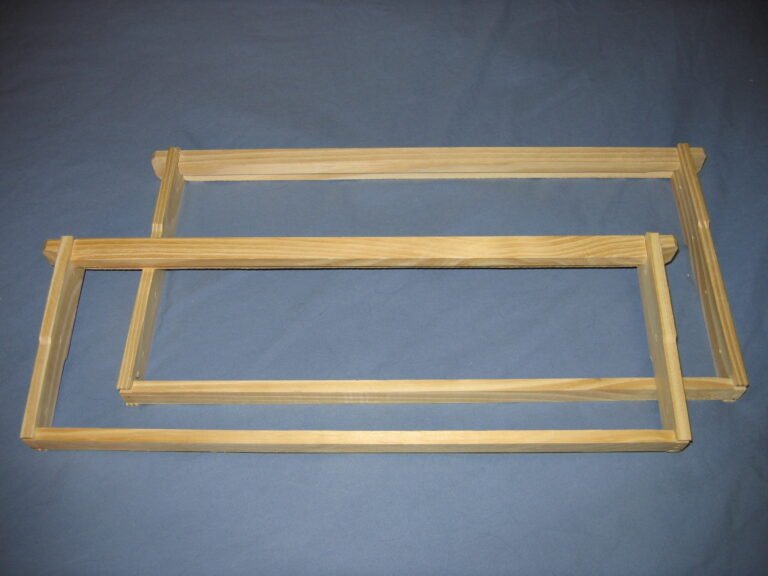
A sourced comparison of Dadant, Mann Lake and Betterbee: the same items priced on all three sites on October 12, 2026, plus shipping rules, live-bee options, locations and ownership.

A genuinely realistic bare-minimum first-year beekeeping budget runs about $350–$450 if you build your own hive, buy used protective gear, and start with a caught swarm instead of purchased bees…

A complete Flow Hive costs $669 to $1,059 out of the box, while a single traditional Langstroth hive body starts around $163 — a gap that looks enormous until you…

“Beekeeping subscription box” actually describes three genuinely different products, and most of what shows up in a search for the term isn’t really aimed at people who keep bees at…
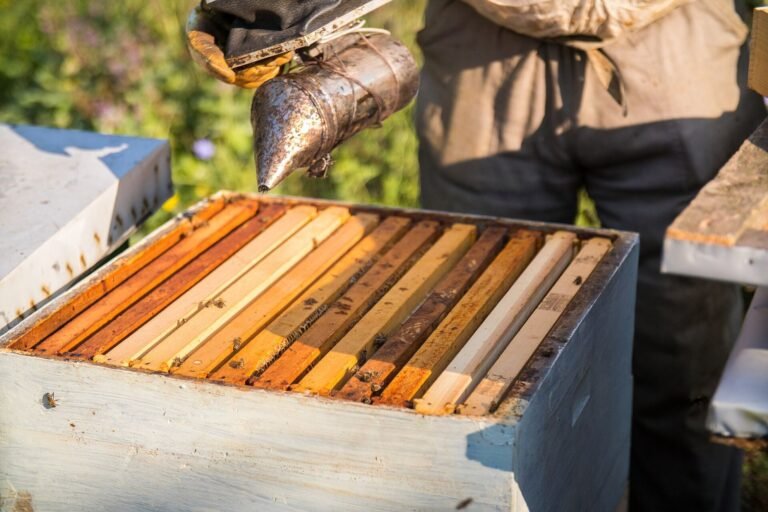
A gift guide for beekeepers sorted by recipient and budget, with prices checked at US suppliers in October 2026 and the fit checks to make before buying hive parts.
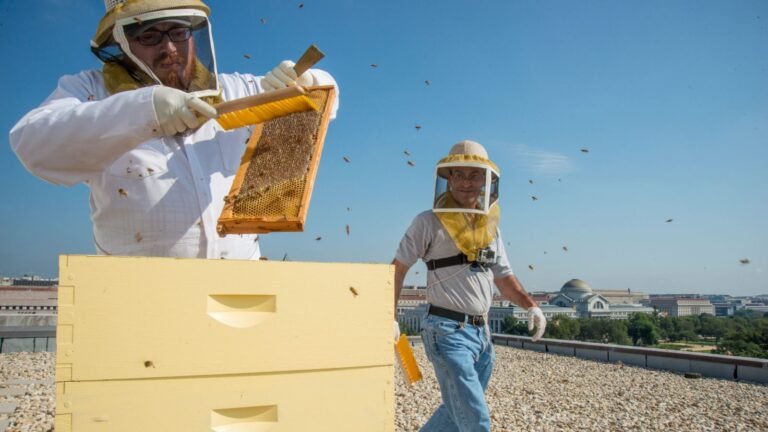
Whether beekeeping is tax deductible comes down to one question the IRS takes seriously: are you running a business, or pursuing a hobby? If beekeeping is a hobby, any honey…
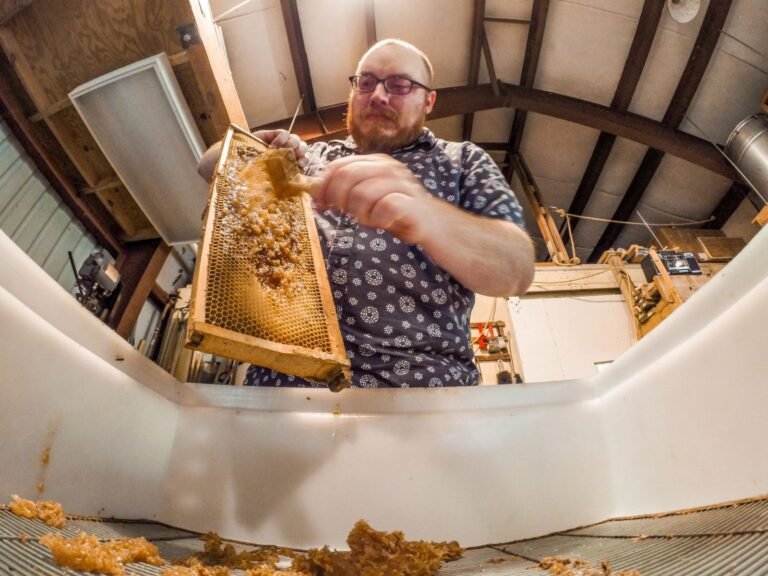
Most homeowners pay between $150 and $500 to have a beehive removed, with a commonly cited national average around $280 to $445. That range covers a lot of ground, though…
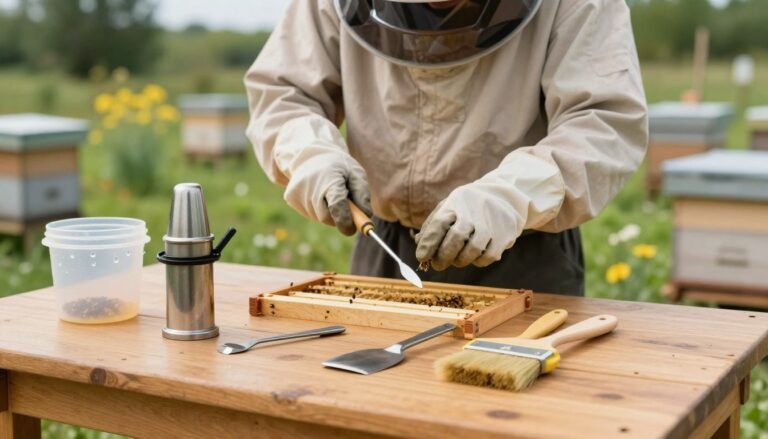
A poorly chosen bee smoker doesn’t just make hive inspections more annoying; a thin-walled, undersized, or badly designed one can burn out mid-inspection, scorch a beekeeper’s hands through an inadequate…

Buying a bee suit for a child is a genuinely different task than buying one for an adult, and treating it as a simple smaller-sized version of adult gear is…
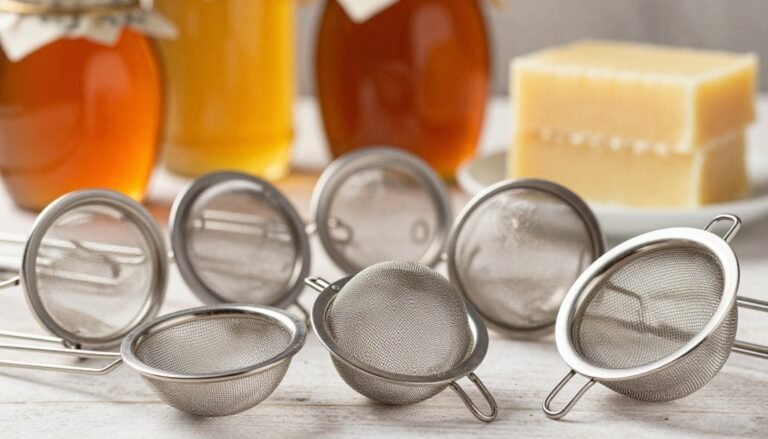
Table of Contents What an Uncapping Tank Actually Does The Two-Piece Design Frame Support While You Work Dual-Purpose Strainer Function Uncapping Tank vs. Cappings Spinner Material Options: Plastic vs. Stainless…
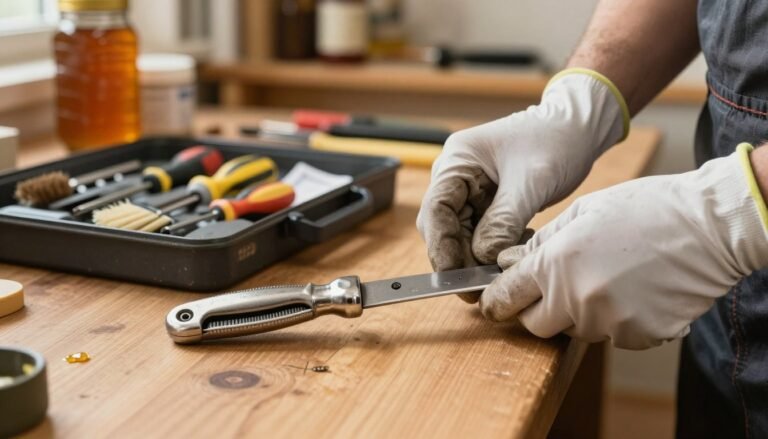
Table of Contents The Four Main Uncapping Tool Types Cold Knife: How It Works Electric Heated Knife: How It Works Steam-Heated Knife: How It Works Uncapping Plane: How It Works…
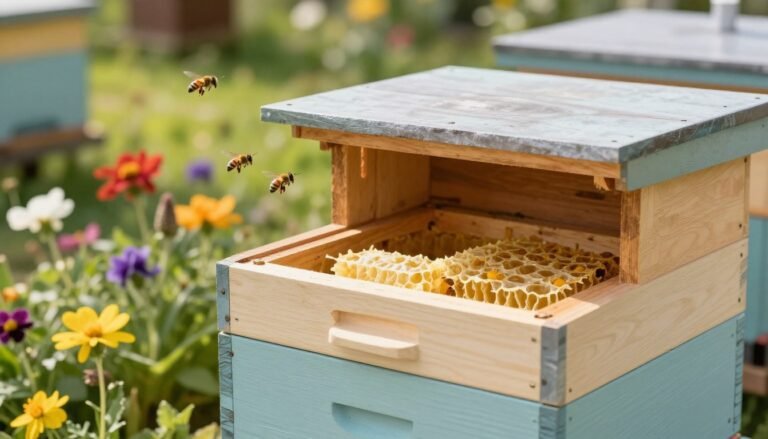
Table of Contents What the Mini Plus System Actually Is Real Specifications The Six-Frame Advantage Over Apidea and Kieler Genuine Overwintering Capability Wood vs. Polystyrene Versions Mini Plus vs. Apidea…
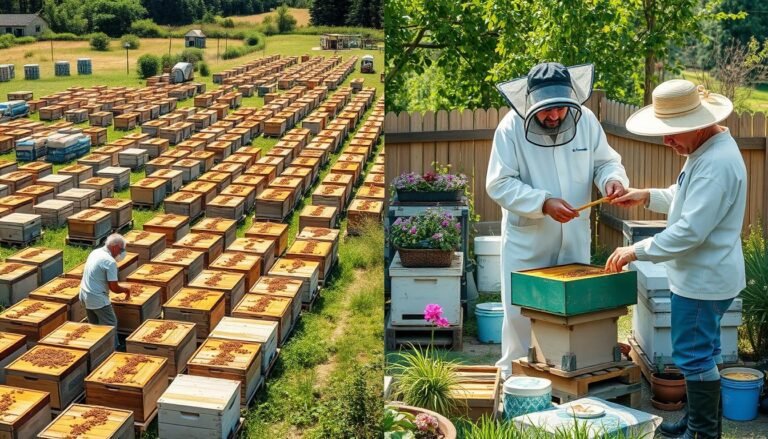
Table of Contents What the Dakota Gunness Uncapper Actually Is A Farmer’s Grocery-Store Idea How the Chain-Flail Mechanism Works Equipment Specifications Uncapper vs. Hand-Held Uncapping Knives Uncapper vs. Uncapping Plane…

Table of Contents What a Cappings Spinner Actually Does How It Works How Much Honey You Actually Recover Construction and Build Quality Sizing: Matching Capacity to Your Operation Cappings Spinner…
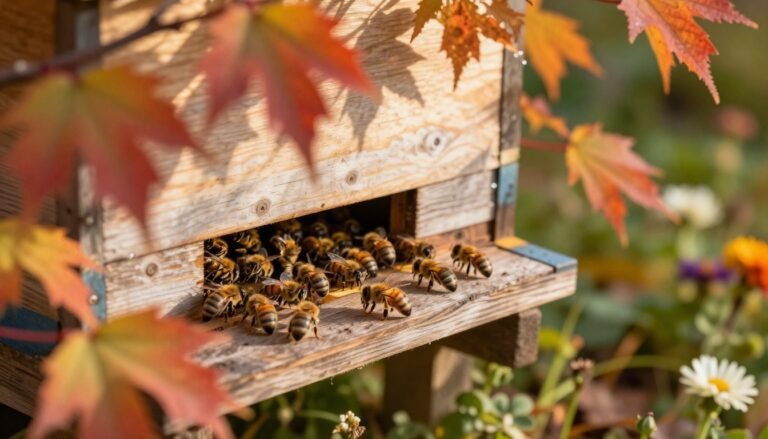
Table of Contents What a Boardman Feeder Is How It Works The Genuine Advantages The Honest Robbing Problem The Internal-Placement Workaround Boardman vs. Other Feeder Types When a Boardman Feeder…
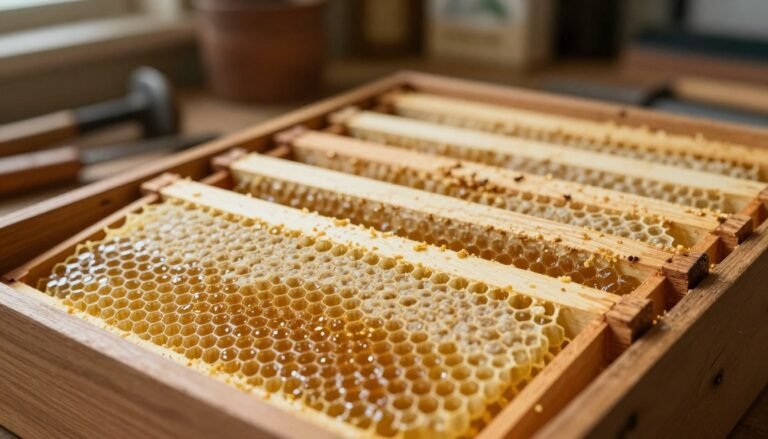
Table of Contents What Wax Moth Traps Are How Pheromone Traps Actually Work Greater vs. Lesser Wax Moth: Why the Distinction Matters Honest Effectiveness: Monitoring vs. Elimination Types of Wax…
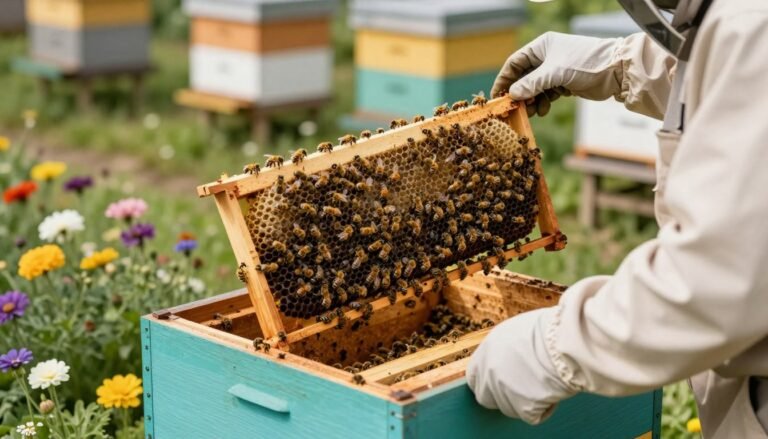
Poly nuc boxes made from expanded polystyrene insulate roughly five times better than wooden equivalents (R6 vs. R1.2), weigh noticeably less, and can last 30-40 years — but they dent…
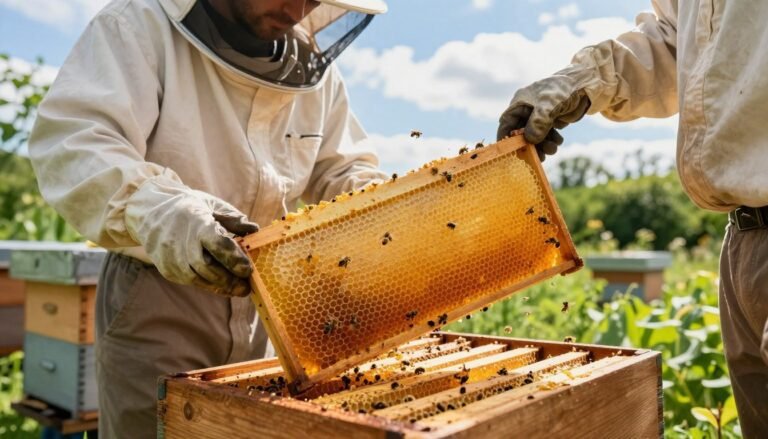
The Bee Buddy is a real, patented Australian device — but it is not a lever-operated machine that lifts a whole loaded super off the ground. It’s a wheeled inspection-and-extraction…
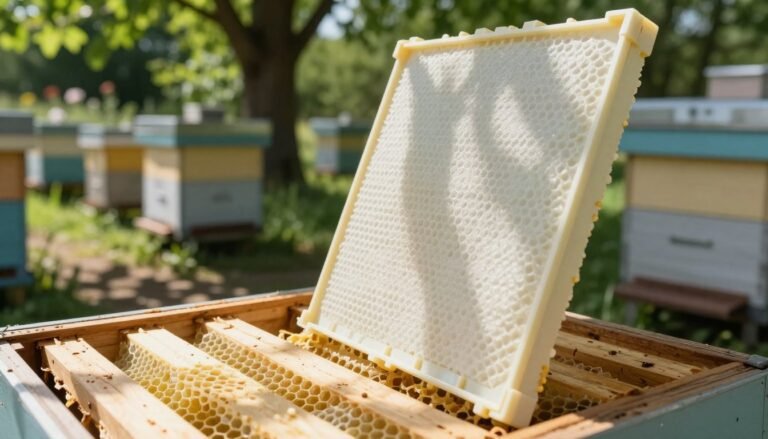
Table of Contents What Duragilt Foundation Is Construction: Wax-Coated Metal Core Duragilt vs. Standard Plastic Foundation Duragilt vs. Pure Beeswax Foundation Installing Duragilt in a Frame Bee Acceptance and Comb…

Table of Contents What a Miller Feeder Is Design: Full Hive-Width Trough Miller Feeder vs. Other Top Feeders Capacity: Why It Matters for Fall Feeding Setting Up and Using a…

Table of Contents What a Honey Warming Cabinet Is Why Warming Honey Matters Temperature Control and Range Cabinet vs. Ad-Hoc Warming Methods Sizing: Barrel vs. Bucket vs. Small-Batch Cabinets Setting…
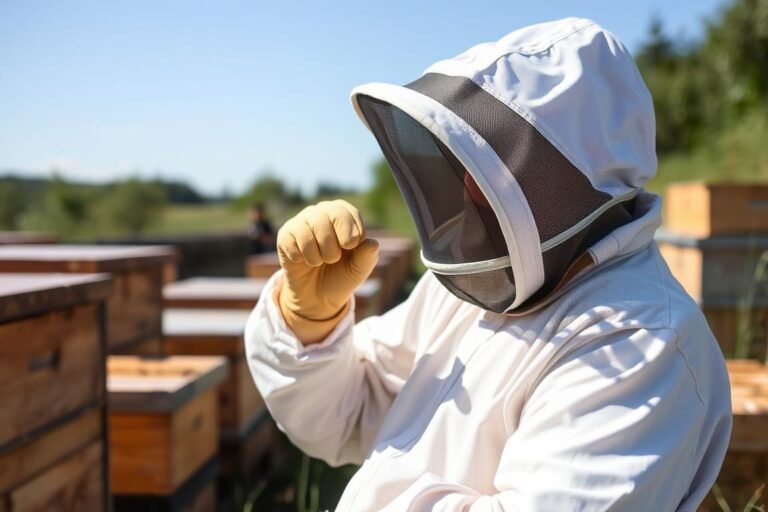
Table of Contents What Makes Ultra Breeze Different The Three-Layer Mesh Design Ultra Breeze vs. Standard Ventilated Suits Does More Airflow Mean Less Sting Protection? Fit and Sizing Considerations Which…