Last Updated September 16, 2026
Oklahoma has one of the most beekeeper-friendly legal frameworks of any state: it’s illegal for a city or county to ban or restrict keeping honeybees at all. Under state law, local governments can regulate where an apiary sits through ordinary zoning, but they cannot prohibit or impede beekeeping outright — a genuine right-to-keep-bees protection most states don’t offer. On top of that, Oklahoma uses an unusual “register or post” system: register your apiary with the state, or don’t, but if you skip registration you’re legally required to post your name, address, and phone number on a sign at your apiary instead.
This guide covers Oklahoma’s voluntary registration and “register or post” alternative under the Oklahoma Apiary Act, the state’s protection against local beekeeping bans, the movable-frame and inspection requirements, Africanized honeybee rules, migratory beekeeper entry permits, and how the dedicated Oklahoma Honey Sales Act treats selling honey.
Disclaimer: This guide is for educational purposes only and is not legal advice. Beekeeping regulations change over time — always confirm current requirements directly with your local or national agricultural authority before acting.
Key Takeaways
- Oklahoma law prohibits any county or municipality from banning or restricting the establishment of honeybee hives — local governments can only regulate apiary siting through zoning.
- Registration with the Oklahoma Department of Agriculture, Food, and Forestry is voluntary and costs $10 annually, due by January 31; unregistered beekeepers must instead post their contact information on a sign at their apiary.
- Bees must be kept in removable-frame hives to qualify for state certification, though a written exemption request process exists.
- Migratory beekeepers bringing bees into Oklahoma must obtain a $100 entry permit and provide a certificate of inspection performed within 3 months of shipment.
- Oklahoma’s dedicated Honey Sales Act exempts producers making under 500 gallons of honey annually from state health department regulation and inspection.
Table of Contents
- Register or Post: Oklahoma’s Voluntary Registration System
- Local Governments Cannot Ban Beekeeping
- The Removable-Frame Requirement for Certification
- How Oklahoma Apiary Inspections Work
- Inspection Fee Schedule
- Africanized Honeybee Rules
- Entry Permits for Migratory Beekeepers
- Selling Honey Legally in Oklahoma
- Frequently Asked Questions
Register or Post: Oklahoma’s Voluntary Registration System
Under the Oklahoma Apiary Act (Title 2, Sections 2-3-100 through 2-3-125), the Oklahoma Department of Agriculture, Food, and Forestry maintains a voluntary registration program available to anyone establishing an apiary in the state, anyone shipping bees into Oklahoma, or migratory beekeepers. Registration costs $10 per year, due by January 31, and registered beekeepers receive a registration number that must be displayed on a permanent sign at each apiary location, in contrasting letters or numbers at least 1½ inches tall. Here’s the distinctive part: a beekeeper who chooses not to register isn’t simply unregulated — they’re instead required to clearly post their name, address, and telephone number on an equivalent permanent sign at or near the apiary. In effect, Oklahoma gives every beekeeper two paths to the same basic goal of identifiability, rather than making registration itself mandatory. In practice, most Oklahoma beekeepers still choose to register anyway, since the $10 annual fee is modest and registration comes with a genuine benefit the posted-sign alternative doesn’t: a registration identification number that ties directly into the state’s inspection and certification system, making it easier to obtain a certificate of inspection later if you ever need one for selling bees, transporting colonies, or entering into a pollination contract.
Local Governments Cannot Ban Beekeeping
Under Section 2-3-125 of the Oklahoma Apiary Act, no county, municipal corporation, consolidated government, or other political subdivision of the state may adopt or continue any ordinance, rule, regulation, or resolution that prohibits, impedes, or restricts the establishment or maintenance of honeybee hives. This is a genuine statewide protection for beekeepers that most states simply don’t have — in states without an equivalent provision, individual cities are generally free to ban backyard beekeeping outright if they choose to. The statute’s language is direct and worth quoting exactly, since it’s the actual source of this protection rather than a policy summary of it:
“No county, municipal corporation, consolidated government, or other political subdivision of this state shall adopt or continue in effect any ordinance, rule, regulation, or resolution prohibiting, impeding, or restricting the establishment or maintenance of honeybees in hives.”
— Oklahoma Statutes, Title 2, Section 2-3-125
Oklahoma’s law does preserve one specific carve-out: it doesn’t restrict a county or municipality’s ordinary zoning authority to establish appropriate locations for apiaries, meaning a city can still regulate where hives go, just not whether beekeeping is allowed at all. This distinction matters in practice: a municipality could still require, say, a minimum lot size or a setback distance from property lines for apiaries, since that’s a genuine zoning decision about where hives are located — but it cannot pass an ordinance that simply forbids keeping bees within city limits altogether, the way a city in a state without this protection could. Anyone moving to Oklahoma specifically for more beekeeping-friendly regulation should still confirm their target city’s zoning rules, since “beekeeping can’t be banned” is not the same guarantee as “beekeeping is unrestricted.”
The Removable-Frame Requirement for Certification
Under the apiary rules implementing the Act, bees must be maintained in a removable-frame hive that permits thorough examination of every comb in order to qualify for a state certificate of inspection. If an inspector finds a hive that doesn’t meet this standard, the Department notifies the owner in writing — but unlike some states, Oklahoma explicitly allows a beekeeper to submit a written request for an exemption, provided they include justification for it. This gives Oklahoma beekeepers genuine flexibility to request an exception for a non-standard hive design, rather than facing an absolute, no-exceptions ban the way some other states’ movable-frame rules are written. This flexibility is meaningful specifically for anyone drawn to a historical or alternative hive design for reasons beyond pure practicality — a top-bar or other non-Langstroth-style removable-frame design generally still satisfies the requirement as written, since the rule’s actual concern is whether every comb can be individually examined, not that the equipment must conform to one specific hive style.

How Oklahoma Apiary Inspections Work
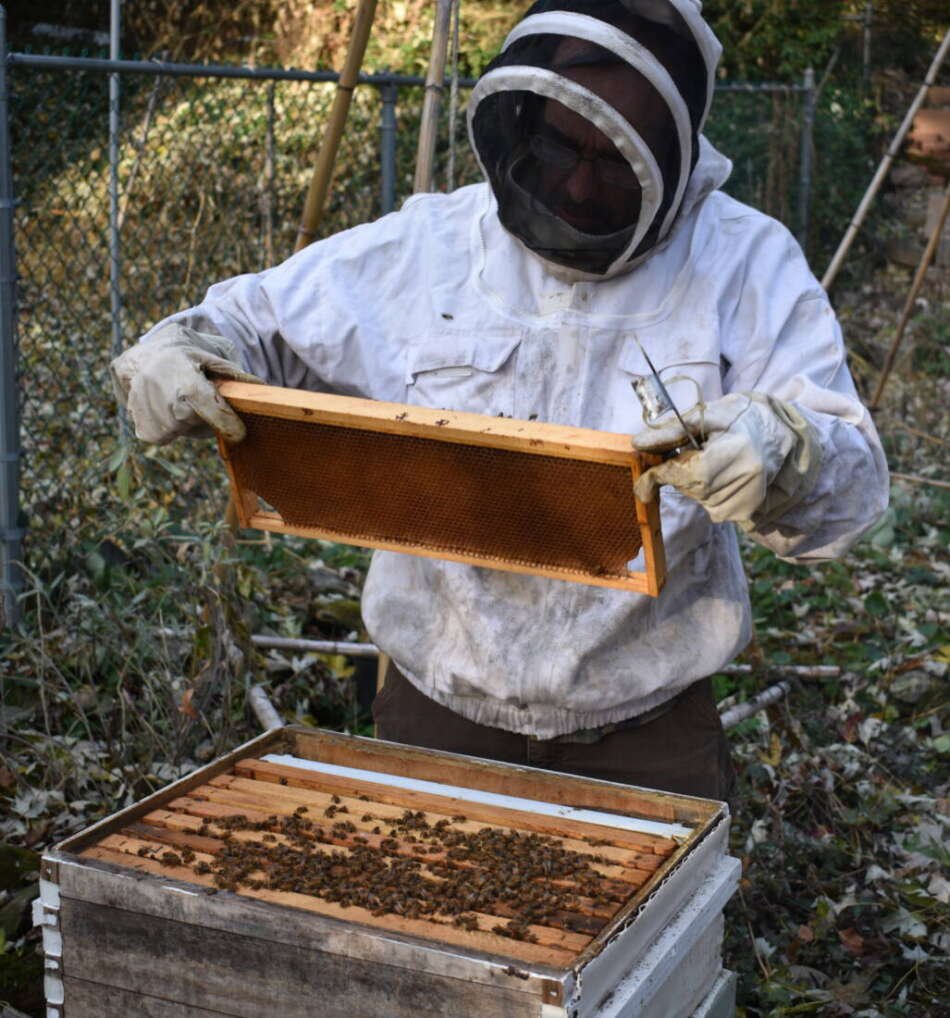
Any beekeeper can request an inspection in writing, providing their name, address, phone number, the number of colonies to be inspected, and the destination state if applicable. Inspections use a random number table, with a minimum of 15 hives inspected (or all hives, if there are fewer than 15), and at least 15% of the total certified hive count opened and physically examined for disease or pests. If disease is found, the property is quarantined, control measures must begin immediately, and colonies that can’t be effectively treated — or where the owner fails to act — can be ordered destroyed by the state.
Inspection Fee Schedule
Oklahoma’s inspection fees scale directly with how many hives a beekeeper has, rather than charging a single flat rate regardless of operation size:
| Hive count | Inspection fee |
|---|---|
| 1 to 25 hives | $10 |
| 26 to 100 hives | $25 |
| 101 to 500 hives | $100 |
| 501 to 1,000 hives | $175 |
| More than 1,000 hives | $250 |
| Lab sample and diagnosis (each) | $25 |
Fees are due within 30 days of inspection, with a late penalty of 10% of the amount due or $10, whichever is greater.
Africanized Honeybee Rules
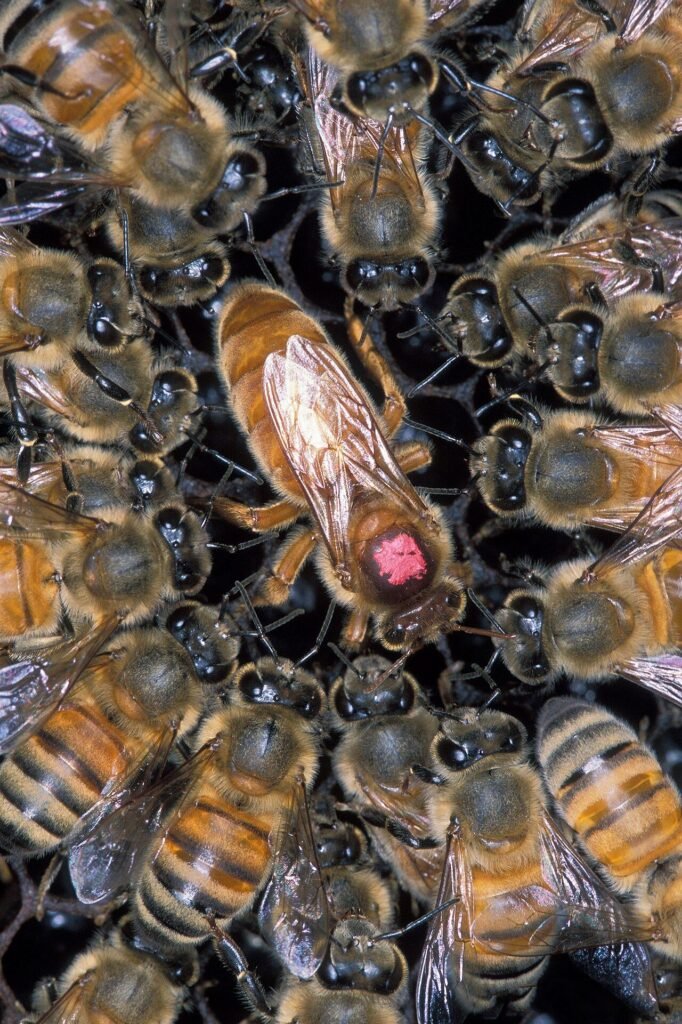
Retaining Africanized honeybees in Oklahoma is illegal except for specifically approved research purposes. Suspected Africanized colonies are identified using methods like mitochondrial DNA analysis, DALY’s Morphometric Analysis, or the Fast Africanized Bee Identification System, and colonies with a high probability of being Africanized are either destroyed or quarantined and requeened with certified European queens, then resampled after the first generation of European offspring emerges to confirm the requeening worked. If a colony continues to test as Africanized after requeening, or shows extreme aggressive behavior that puts the public at risk, it’s destroyed. Abandoned apiaries found in counties where Africanized honeybees have been detected are destroyed automatically.
Entry Permits for Migratory Beekeepers
Migratory beekeepers bringing colonies into Oklahoma must obtain an entry permit before entry, providing the owner’s and shipper’s contact information, a full shipment description, the destination and legal description of where the bees will be located, and a certificate of inspection from the state or country of origin, based on an inspection performed no more than 3 months before shipment. The entry permit itself costs a flat $100. Beekeepers providing colonies for pollination or honey production under contract are separately subject to Department inspection for colony strength and pest presence, and each hive supplied for pollination work must meet a specific minimum standard: at least 5 deep frames of bees with brood in a standard Langstroth-equivalent hive body.
Selling Honey Legally in Oklahoma
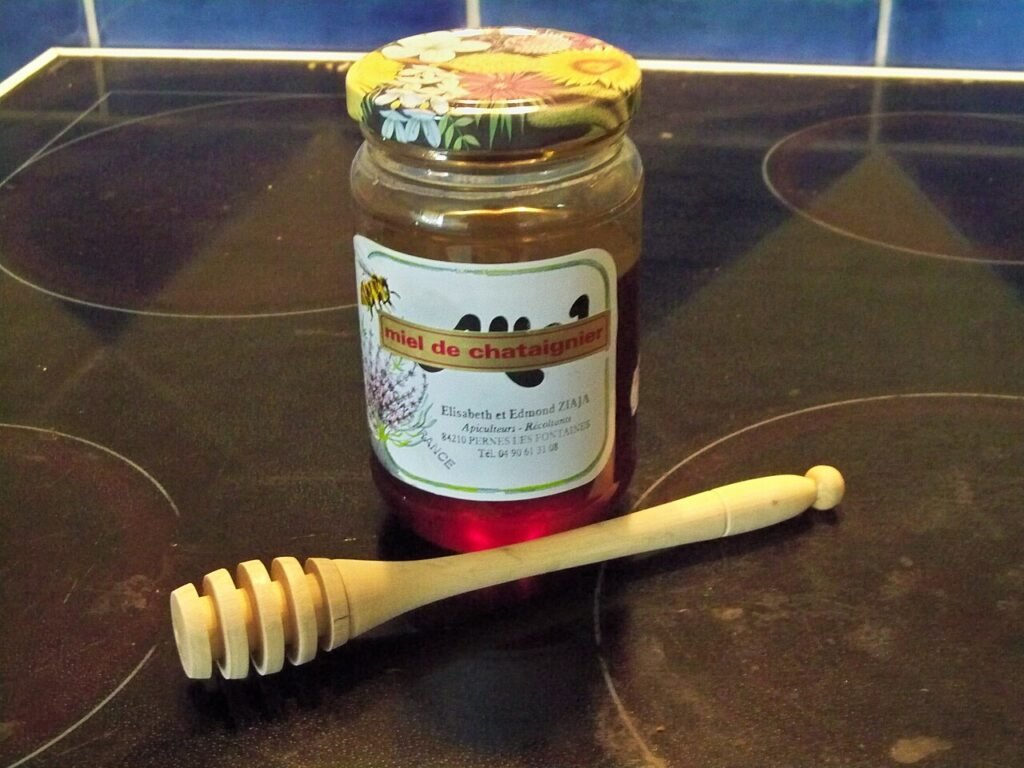
Oklahoma maintains a dedicated Honey Sales Act (enacted via SB 716 in 2013) specifically for honey producers, exempting beekeepers who produce less than 500 gallons of honey annually from state health department regulation and inspection for manufacturing, selling, and distributing honey and honeycomb products. More broadly, Oklahoma replaced its earlier Home Bakery Act framework in 2021 with the Homemade Food Freedom Act (HB 1032), confirmed directly by Oklahoma State University Extension, which permits a broad range of homemade food products — honey included — to be sold from a home food establishment without a Department of Agriculture permit, reportedly with an annual sales cap around $75,000. Between the honey-specific exemption and the broader homemade food framework, Oklahoma gives small-scale beekeepers a genuinely low-friction path to legally selling their honey. A beekeeper scaling past the 500-gallon threshold under the Honey Sales Act should treat that as the trigger point to check in with the state health department directly, rather than assuming continued exemption by default once production grows beyond what the law was written to cover.
Frequently Asked Questions
Do I need to register my beehives in Oklahoma?
No, registration is voluntary — but if you don’t register, you must post your name, address, and phone number on a sign at your apiary instead.
Can my city ban beekeeping in Oklahoma?
No, state law prohibits local governments from banning or restricting beekeeping outright; they can only regulate hive siting through zoning.
What does it cost to bring bees into Oklahoma as a migratory beekeeper?
A $100 entry permit, plus a certificate of inspection performed within 3 months of shipment.
Are Africanized honeybees legal to keep in Oklahoma?
No, except for specifically approved research purposes; suspected Africanized colonies are tested, and destroyed or requeened depending on the result.
Can I sell honey from my home in Oklahoma without a permit?
Yes, producers under 500 gallons annually are exempt from health department regulation under the Honey Sales Act, and honey also qualifies under the broader Homemade Food Freedom Act.