Last Updated September 16, 2026
Iowa has protected registered beehives from pesticide drift since 1979 — nearly 40 years before a 2014 presidential directive asked every state to develop a Managed Pollinator Protection Plan. Iowa’s “Bee Rule” was already doing the job: commercial pesticide applicators cannot spray bee-toxic chemicals on blooming crops between 8 a.m. and 6 p.m. within one mile of a registered apiary. That head start still shapes how Iowa regulates beekeeping today, from its pesticide-protection registry to its disease-inspection program under the State Apiarist.
This guide covers Iowa’s voluntary-but-essential Apiary Registry and Bee Rule under Iowa Administrative Code 21-45.31, the disease-inspection and American foulbrood treatment framework under Iowa Code Chapter 160, the 60-day entry permit required to bring bees or used equipment into the state, and how Iowa’s cottage food law treats direct-to-consumer honey sales. Iowa’s regulatory approach makes more sense once you consider the state’s agricultural profile: with roughly 85% of the state’s land in row-crop production, primarily corn and soybeans treated with insecticides and fungicides on a large scale, Iowa beekeepers operate in far closer proximity to commercial pesticide applications than beekeepers in most other states. The Bee Rule exists specifically because Iowa recognized early that its intensive row-crop agriculture and its beekeeping industry would otherwise be in near-constant conflict without a structured communication system between the two.
Disclaimer: This guide is for educational purposes only and is not legal advice. Beekeeping regulations change over time — always confirm current requirements directly with your local or national agricultural authority before acting.
Key Takeaways
- Iowa’s Bee Rule (Iowa Administrative Code 21-45.31) bars commercial pesticide applicators from spraying bee-toxic products on blooming crops within one mile of a registered apiary between 8 a.m. and 6 p.m. — but only registered apiaries get this protection.
- Registration is done through the FieldWatch beecheck registry, expires every December 31, and must be renewed/confirmed each January to stay active.
- Moving a colony, package, or used equipment into Iowa requires a written entry permit from the State Apiarist at least 60 days before the proposed entry date.
- Used bees, beeswax comb, and used equipment sold in Iowa must be inspected for disease within 60 days of the sale and be free of American foulbrood.
- Honey sold directly from producer to consumer generally qualifies as a cottage food under Iowa’s HF2431 framework, requiring no state license, fee, or inspection.
Table of Contents
- The Iowa Bee Rule: Pesticide Protection Since 1979
- Registering Your Apiary Through beecheck
- Disease Inspection and American Foulbrood
- Bringing Bees Into Iowa: The 60-Day Entry Permit
- Selling Used Bees, Comb, and Equipment
- Local Ordinances and Municipal Rules
- Selling Honey in Iowa
- Frequently Asked Questions
The Iowa Bee Rule: Pesticide Protection Since 1979
In 1979, the Iowa Department of Agriculture and Land Stewardship (IDALS) adopted what is now known as the “Bee Rule” — one of the earliest state-level pesticide-protection rules for honey bees in the country, decades before a 2014 presidential directive prompted every state to develop a voluntary Managed Pollinator Protection Plan (MP3). Iowa didn’t need to build one from scratch; it already had a mandatory rule with the same goal. Under the current version of the rule, effective since January 22, 2009 (Iowa Administrative Code 21-45.31) effective since January 22, 2009 and most recently readopted without substantive change effective January 1, 2026 (Iowa Administrative Code 21-45.31), a commercial pesticide applicator may not apply pesticides labeled as toxic to bees to blooming crops between 8 a.m. and 6 p.m. if the application site is within one mile of a registered apiary. This is not a voluntary best practice — it’s a binding requirement for licensed commercial pesticide applicators in Iowa, backed by the state’s pesticide-complaint enforcement process.
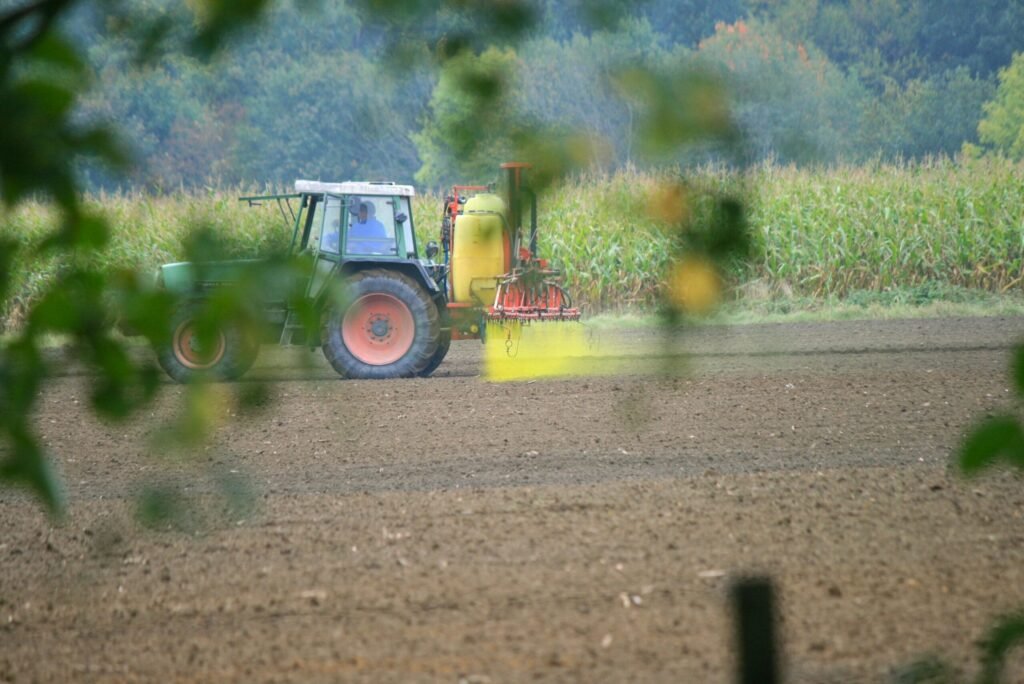
“Between 8 a.m. and 6 p.m., a commercial applicator shall not apply to blooming crops pesticides labeled as toxic to bees when the commercial applicator is located within one mile of a registered apiary.”
Iowa Administrative Code 21—45.31(2), via the Iowa Legislature
Registering Your Apiary Through beecheck
The Bee Rule’s protection only applies to registered apiaries — an unregistered hive has no legal claim to the one-mile buffer. IDALS partners with the nonprofit FieldWatch, Inc. to run Iowa’s Sensitive Crops Registry, rolled out in 2017. Beekeepers register hive locations through FieldWatch’s beecheck platform (specialty-crop producers with apiaries can also use the companion driftwatch registry), and every submitted site entry is reviewed by a state-appointed steward before it appears on the map that pesticide applicators consult. Registration expires December 31 of each year and must be confirmed or edited starting in January to stay active — an easy detail to overlook, since nothing forces a renewal reminder the way a licensing fee might. Registered beekeepers can also get cost-share field markers to post at the apiary site, made visible above the crop canopy for both ground and aerial applicators to spot. Register directly through FieldWatch, the nonprofit platform IDALS partners with to run the registry.
Disease Inspection and American Foulbrood
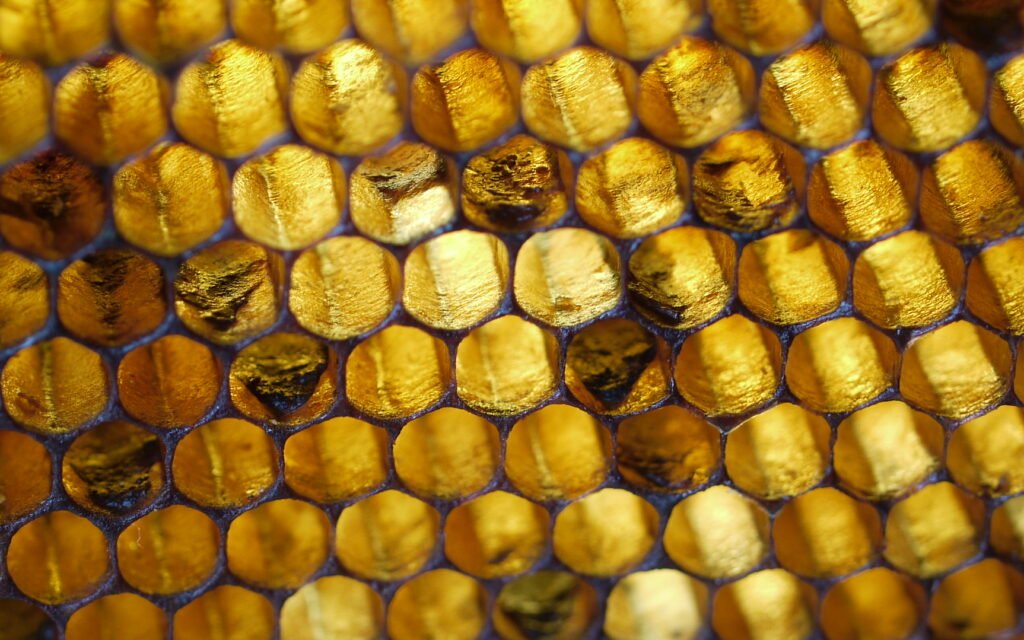
Iowa Code Chapter 160 establishes the office of the State Apiarist, who has the authority to enter apiary premises, inspect colonies for disease and parasites, and issue written treatment instructions at no cost to the beekeeper. If American foulbrood is detected, the treatment path depends on severity: a strong colony with a light infection may be treated with Terramycin or have diseased combs removed, while a severely infected, weakened colony must be destroyed — combs burned or melted at a temperature high enough to kill the disease spores. This graduated approach reflects a practical reality of foulbrood management: aggressive early intervention can save a strong colony, but a colony too far gone poses more risk to neighboring apiaries left untreated than destroyed. Beekeepers who suspect a disease issue in their own colonies aren’t limited to waiting for a routine or complaint-driven inspection — Iowa’s Apiary program accepts direct requests for an inspection or exit permit through IDALS, and early self-reporting generally leads to a better outcome than letting a suspected infection spread undetected across a season. Because the state apiarist’s written treatment instructions are provided free of charge, there’s no cost barrier to requesting an inspection proactively, which makes early reporting one of the more straightforwardly beneficial compliance steps available to Iowa beekeepers.
Bringing Bees Into Iowa: The 60-Day Entry Permit
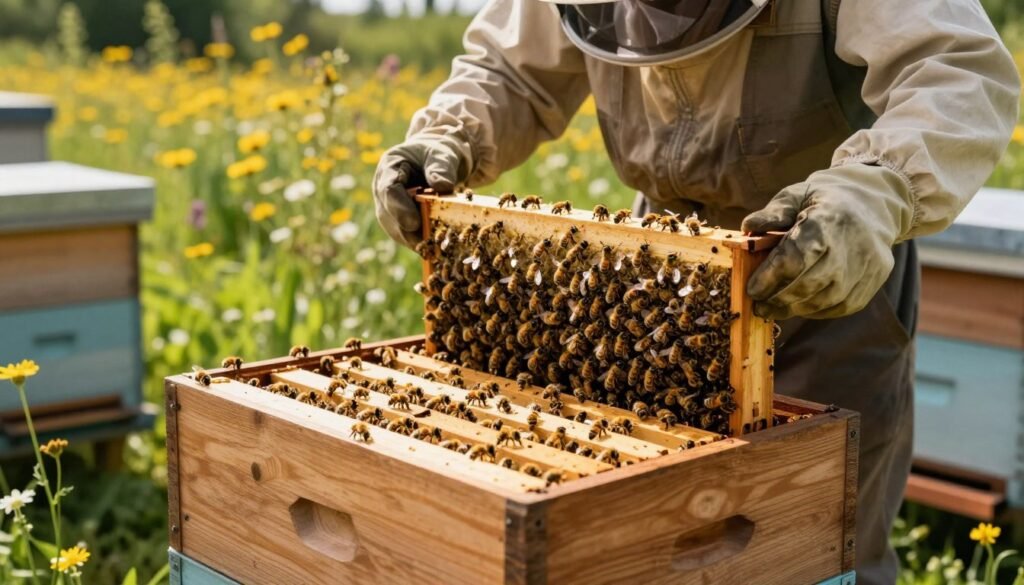
Anyone wanting to move a colony, package, or used equipment with comb into Iowa must apply to the State Apiarist for a written entry permit at least 60 days before the proposed entry date — a considerably longer lead time than many states require. The permit application must include a statement describing any prior beekeeping-related penalties the applicant has faced from any state, federal, or foreign government. A valid Iowa certificate of inspection, or a certificate of inspection or health from the state of origin dated within the last 60 days, must confirm the shipment is free of contagious diseases, parasites, and Africanized bees. The written permit must physically accompany the shipment when it crosses into the state, and entering without one is unlawful. One practical exception: these entry requirements don’t apply to packages shipped through the United States Postal Service, which is how many beekeepers actually receive package bees from out-of-state suppliers each spring. The 60-day lead time catches many new Iowa beekeepers off guard, since it means an entry permit application timed to a typical spring package-bee order — placed in January or February for April delivery — needs to go in well before most beekeepers are even thinking about paperwork. Anyone planning to drive to a neighboring state to pick up a nuc or full colony in person, rather than have it shipped, should apply for the entry permit as soon as the purchase is arranged, not the week before pickup.
Selling Used Bees, Comb, and Equipment
Iowa Administrative Code rule 21-22.11 requires that any honeybee colony, beeswax comb, or used beekeeping equipment offered for sale within the state be inspected for infectious bee diseases and parasites — by IDALS or another state’s department of agriculture — no more than 60 days before the sale, and be apparently free of American foulbrood. Like Connecticut’s similar used-equipment rule, this closes a gap that a pure new-colony inspection system would otherwise leave open, since secondhand equipment is a well-documented vector for spreading disease between apiaries that have never had direct contact with each other.
Local Ordinances and Municipal Rules
Iowa Code Chapter 160 and the Bee Rule operate at the state level and don’t set a statewide hive-count limit, setback distance, or residential zoning restriction for keeping bees. Iowa is a state where municipalities retain meaningful home-rule authority over local land use, so cities and towns can and do adopt their own beekeeping ordinances on top of the state framework — some Iowa cities require a registration or permit specifically for urban beekeeping, cap the number of hives allowed on a residential lot, or mandate a flyway barrier and water source near property lines. Des Moines, Cedar Rapids, and Iowa City, for example, have each adopted their own municipal beekeeping ordinances distinct from state law and from each other. Because state registration through beecheck and municipal permitting are two entirely separate systems serving different purposes — one pesticide protection, the other local land use — an Iowa beekeeper in an incorporated city may need to satisfy both before setting up an apiary.
Selling Honey in Iowa
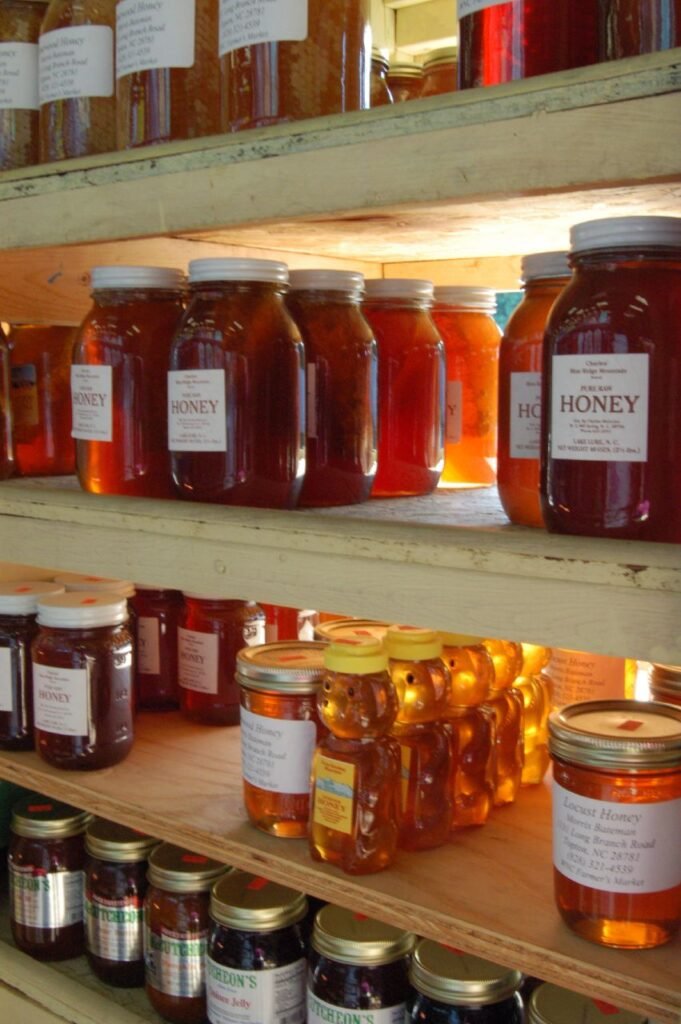
Iowa’s 2022 cottage food law (HF2431) exempts foods prepared in a private residence from state licensing and inspection, provided the food doesn’t require temperature control for safety, is sold directly from the producer to the consumer, and is properly labeled. Honey fits squarely within this exemption for most small-scale beekeepers selling jars directly at a farm stand, farmers market, or from home — no state license, application, fee, or annual renewal required. The exemption only covers direct producer-to-consumer sales, though: a beekeeper who wants to sell wholesale or through a retailer for resale needs a Home Food Processing Establishment license from the Department of Inspections, Appeals, and Licensing instead, which carries a $50 annual fee. Cottage foods can also be sold at a temporary food establishment, as long as that stand is operated by the producer and the honey is packaged and labeled to the same standard.
Iowa Beekeeping Law At a Glance
| Requirement | Detail |
|---|---|
| Bee Rule protection | Registered apiaries only; 1-mile buffer, 8am–6pm blooming-crop spray restriction |
| Apiary registration | Via FieldWatch beecheck; expires Dec 31, renew each January |
| Entry permit | Required 60+ days before bringing bees/used equipment into Iowa |
| Used equipment sale | Must be inspected within 60 days of sale, free of American foulbrood |
| Direct honey sales | Cottage food exempt (HF2431) — no license needed |
| Wholesale/retail honey sales | Home Food Processing Establishment license required, $50/year |
Frequently Asked Questions
Do I have to register my beehives in Iowa?
Registration isn’t strictly mandatory to keep bees, but it’s required to receive the Bee Rule’s one-mile pesticide-application protection, so nearly every Iowa beekeeper registers through the FieldWatch beecheck platform.
How long does it take to get a permit to bring bees into Iowa?
You need to apply for a written entry permit from the State Apiarist at least 60 days before your proposed entry date.
Can I sell honey from my home in Iowa without a license?
Yes, direct producer-to-consumer honey sales generally qualify as a cottage food under HF2431, requiring no state license, fee, or inspection.
What happens if American foulbrood is found in my colony?
A light infection in a strong colony may be treated with Terramycin or by removing diseased combs; a severely infected, weak colony must be destroyed and the combs burned or melted.
Do I need an inspection to sell used beekeeping equipment in Iowa?
Yes, used bees, comb, and equipment must be inspected within 60 days of sale and shown to be free of American foulbrood.
Related Reading
For more on this topic, see the official Iowa state government apiary program page.