Last Updated September 16, 2026
Wisconsin does not require beekeepers to register their hives with the state — but it does require anyone bringing bees or used equipment into Wisconsin to report that shipment first. That distinction matters: a hobbyist starting from scratch with a local nuc has essentially no state paperwork to worry about, while someone importing packages, nucs, or used woodenware from out of state runs straight into Wisconsin’s import-reporting and disease-certification rules under the state’s beekeeping administrative code.
This guide covers Wisconsin’s voluntary state registration policy, the mandatory import-reporting and disease-certification requirements under Wisconsin’s beekeeping administrative code (commonly cited as ATCP 21), the state’s free seasonal inspection program, the voluntary BeeCheck WI apiary registry used for pesticide-drift protection, and how Wisconsin’s cottage food exemption treats honey differently from jams and other canned goods.
Disclaimer: This guide is for educational purposes only and is not legal advice. Beekeeping regulations change over time — always confirm current requirements directly with your local or national agricultural authority before acting.
Key Takeaways
- Wisconsin has no mandatory statewide beekeeper registration for hives kept entirely within the state.
- Anyone shipping live honeybees or used beekeeping equipment into Wisconsin must report the shipment to the Department of Agriculture, Trade and Consumer Protection (DATCP) first, and imported bees generally need American foulbrood-free certification.
- DATCP’s Apiary Program offers free, voluntary colony inspections statewide from May through October.
- BeeCheck WI is a free, voluntary apiary registry that helps pesticide applicators see registered hive locations before spraying — it’s not a legal requirement, but it’s the practical tool Wisconsin beekeepers use for spray-drift protection.
- Wisconsin’s cottage food law fully exempts honey from licensing and sales caps, unlike jams, pickles, and other canned goods, which fall under a separate $5,000 annual sales cap.
Table of Contents
- Does Wisconsin Require Beekeepers to Register?
- Bringing Bees or Equipment Into Wisconsin
- Free Voluntary Apiary Inspections
- BeeCheck WI: Voluntary Pesticide-Drift Protection
- Quarantine and Disease Control Authority
- City and County Rules
- Selling Honey Legally in Wisconsin
- Frequently Asked Questions
Does Wisconsin Require Beekeepers to Register?
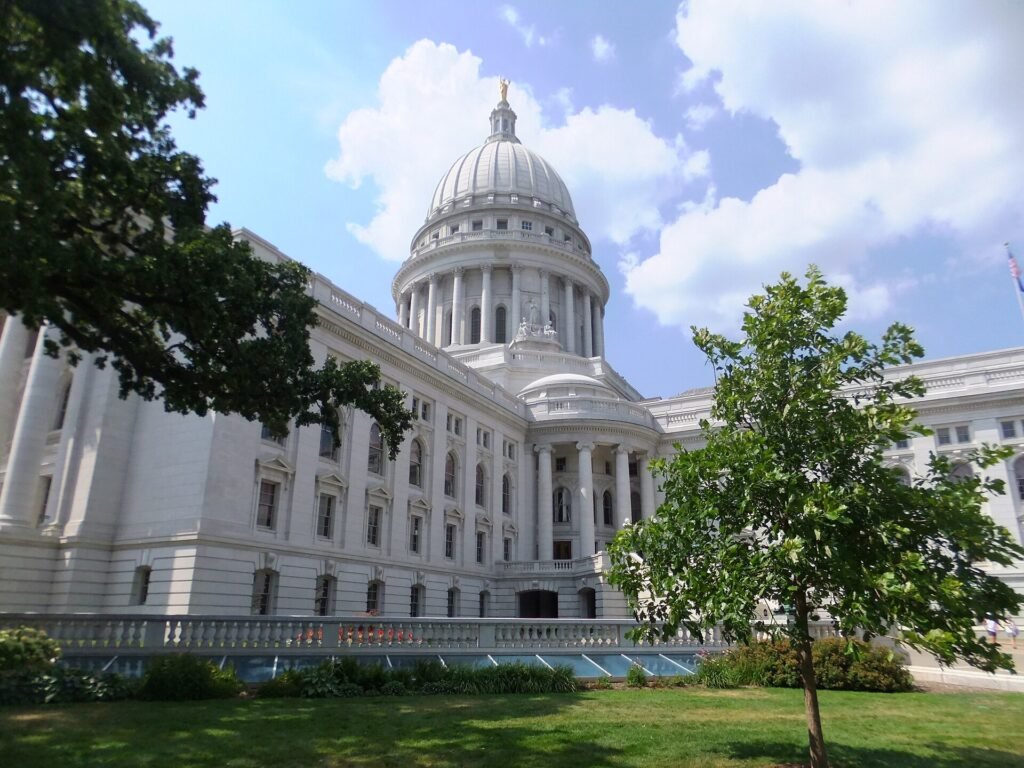
No. Wisconsin has no state-level requirement that hobbyist or commercial beekeepers register their hives with DATCP simply for keeping bees within the state. This puts Wisconsin in the same general voluntary-registration category as Missouri rather than a mandatory-registration state like Maryland or Florida, though the two states arrive at that voluntary stance through slightly different regulatory structures — Missouri carves out a mandatory eradication zone in one region, while Wisconsin instead concentrates its mandatory rules entirely on the import process rather than on any specific geography. The absence of a registration mandate doesn’t mean Wisconsin is hands-off on bee health, though — the state’s regulatory attention is concentrated specifically at the point where bees or equipment cross into the state, rather than on ongoing registration of established in-state apiaries. This makes Wisconsin a genuinely easy state to get started in if you’re sourcing your first colony locally, since there’s no paperwork step standing between buying a nuc from a Wisconsin breeder and setting up your first hive. The moment you start looking further afield, though, the state’s regulatory attention shifts sharply toward the import process itself.
Bringing Bees or Equipment Into Wisconsin
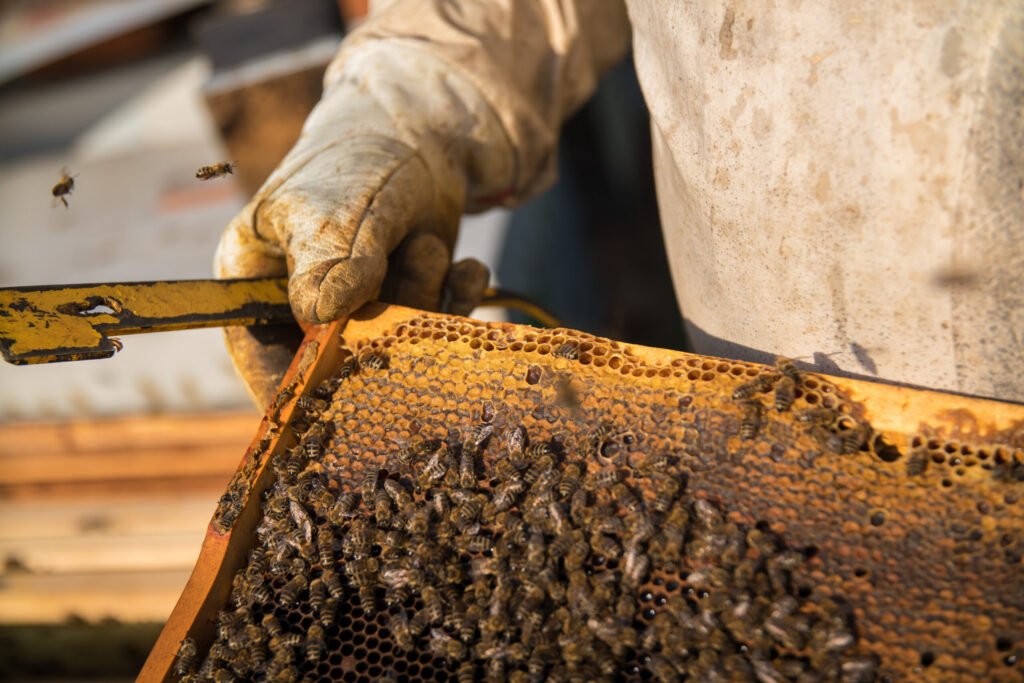
Under Wisconsin’s beekeeping administrative code, commonly cited as ATCP 21, no one may ship live honeybees or used beekeeping equipment into Wisconsin without first reporting that import shipment to DATCP in writing. The code also restricts where imported bees can come from: honeybees generally can’t be shipped in from a county or parish where undesirable honeybee pests have been documented, and live honeybees must originate from a colony a pest control official has certified as apparently free of American foulbrood. For Africanized honey bee screening, Wisconsin allows pest control officials to use the USDA’s Fast Africanized Bee Identification System to confirm imported bees are standard European honeybees rather than Africanized stock, a morphometric screening method developed specifically to distinguish the two subspecies without requiring genetic testing. In practice, this means anyone buying a nuc or package from out of state, or picking up used equipment from a beekeeper in another state, needs to build the reporting step into their timeline rather than treating it as an afterthought after the bees have already crossed into Wisconsin. This applies whether you’re driving a package back from a supplier in a neighboring state yourself or having a shipment sent by mail — the reporting obligation is on the importer, not automatically handled by the seller, so it’s worth confirming with your source whether they’ve already notified Wisconsin or whether that step is still on you. Wisconsin’s AFB-free certification requirement reflects the same disease-control logic behind the history of American foulbrood laws and apiary inspection nationwide.
Free Voluntary Apiary Inspections
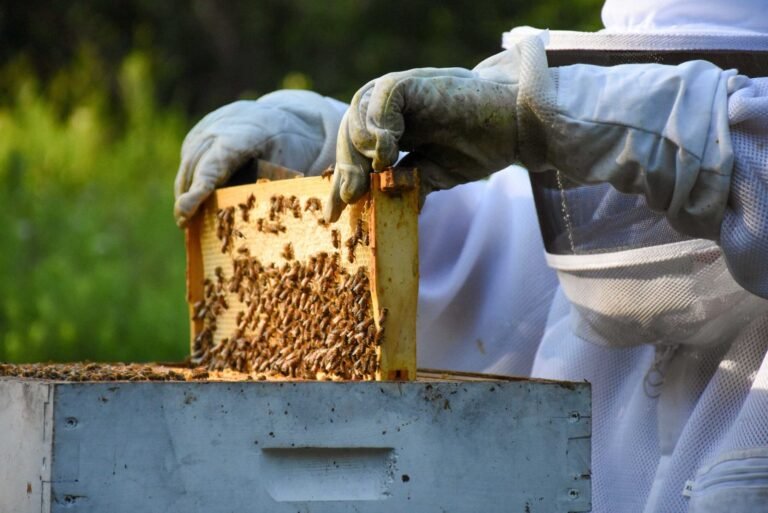
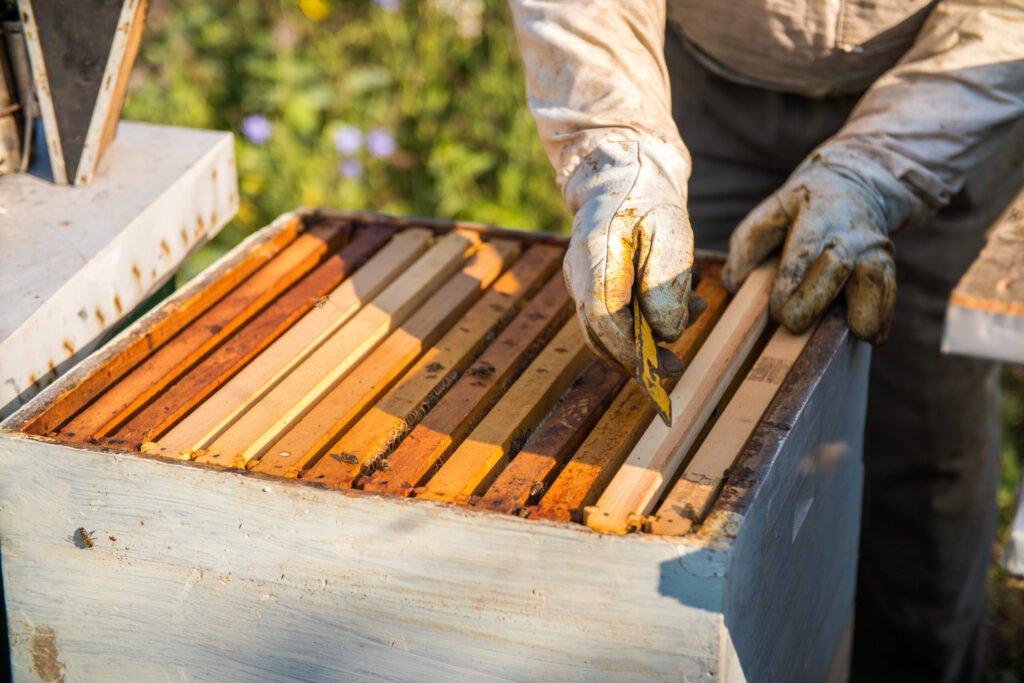
DATCP’s Apiary Program offers free, voluntary colony inspections to any Wisconsin beekeeper from May through October each year. These inspections can help diagnose pest and disease issues, test specifically for varroa mite loads, and give beekeepers hands-on management advice from a trained apiary inspector. Because registration itself isn’t mandatory, this inspection program functions as the state’s main point of contact with individual beekeepers — a service beekeepers opt into for their own colony health rather than a compliance checkbox imposed on them. For a new beekeeper unsure whether a colony issue is a normal seasonal fluctuation or something more serious, having a trained inspector look at the hive firsthand, at no cost, is a genuinely underused resource — many beekeepers in mandatory-registration states pay out of pocket for a comparable inspection that Wisconsin offers for free precisely because it doesn’t tie inspection to a registration requirement. Details on the inspection program are on DATCP’s own Apiary Program page.
BeeCheck WI: Voluntary Pesticide-Drift Protection
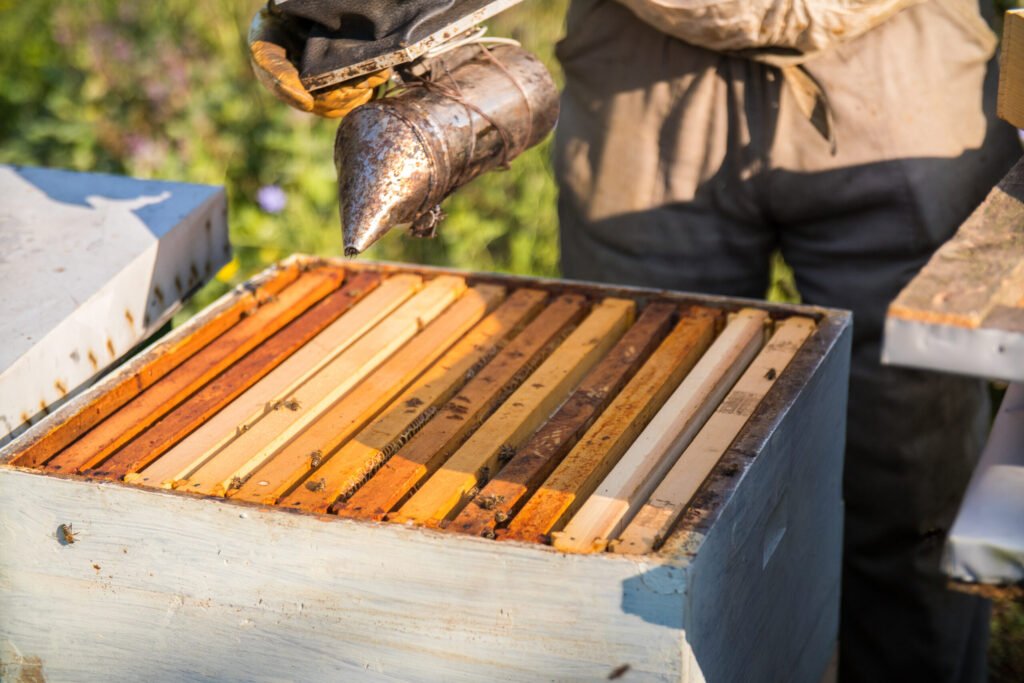
BeeCheck WI is a free, voluntary apiary registry operated by FieldWatch, a non-profit created by Purdue University in collaboration with agricultural stakeholder groups. Registering an apiary’s location on BeeCheck’s map lets pesticide applicators see where registered hives sit before they spray, supporting the kind of stewardship communication that reduces accidental pesticide drift onto active colonies — the same underlying concept as the DriftWatch registries several other Midwestern agricultural states run for row-crop and specialty-crop growers, applied specifically to beekeeping. Registration on BeeCheck carries no legal force and isn’t a substitute for any state requirement — it’s a practical, opt-in tool that Wisconsin beekeepers use specifically to reduce their own drift risk, and it costs nothing to sign up. Because it’s a map-based, opt-in system rather than a state database, the level of protection it provides is directly proportional to how many local beekeepers actually register — which makes signing up something of a community good as much as a personal safeguard, since a sparsely populated map gives applicators an incomplete picture even in areas with plenty of active hives nearby. For more on how these pesticide-notification registries work across states, see our guide to DriftWatch and BeeCheck.
Quarantine and Disease Control Authority
DATCP retains inspection and quarantine authority over apiaries within Wisconsin independent of whether a given beekeeper has registered anywhere. The department can inspect bee colonies and related materials on request to certify they’re free of pest infestation or disease, including for purposes of facilitating interstate or international movement of bees. If a suspected pest problem requires it, DATCP can issue a summary quarantine order that prohibits moving bees, bee colonies, or beekeeping equipment out of the affected area until the quarantine is lifted, giving the state real enforcement authority even in a system that otherwise relies heavily on voluntary participation. This combination — voluntary registration paired with real quarantine power once a genuine problem is identified — is a common regulatory pattern among states that don’t see mandatory registration as necessary for routine bee health, but still want enforcement teeth available for the relatively rare cases where a disease outbreak genuinely threatens neighboring apiaries.
City and County Rules
State law leaving registration voluntary doesn’t mean every Wisconsin municipality does the same — counties and cities are free to layer their own beekeeping ordinances on top of the state’s baseline, and some do impose local registration, hive-count limits, or setback requirements that go beyond anything the state itself requires. Before assuming state law is the final word, check your specific city or county’s municipal code, and separately check any HOA covenants that might apply to your property, since a homeowners association can restrict beekeeping through private agreement even where local government rules are silent. Madison and Milwaukee, Wisconsin’s two largest cities, have both permitted backyard beekeeping under their own municipal frameworks in recent years, but the specific hive-count limits, setback distances, and any neighbor-notification requirements are set at the city level and can change independently of state law, so checking current city code directly before setting up hives within city limits is worth the extra few minutes. Our beekeeping zoning laws guide covers how these local rules typically layer on top of state law.
Selling Honey Legally in Wisconsin
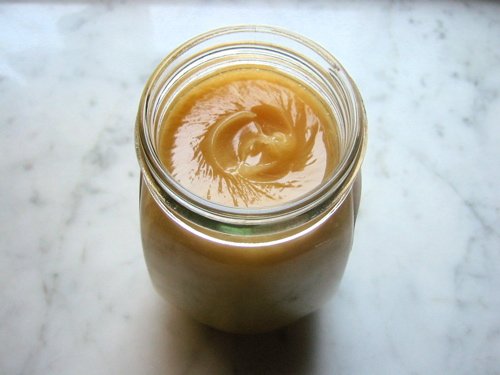
Wisconsin’s cottage food framework treats honey noticeably better than most other homemade foods. Under the state’s home-baking cottage food exemption, confirmed directly by the Institute for Justice’s Wisconsin cottage food guide, honey — along with eggs, fresh-squeezed apple cider, and personally raised poultry and rabbit meat — is exempted outright from state licensing, with no annual sales cap and no restriction on where it can be sold: home, farmers markets, online orders, and mail delivery are all fair game. This is a meaningfully better deal than Wisconsin’s separate “Home Canning” cottage food category, which covers jams, pickles, salsa, and maple syrup, caps annual sales at $5,000, restricts sales to farmers markets and events only, and doesn’t allow selling from home at all or any online or mail-order sales. A beekeeper selling straightforward jarred honey benefits from the more permissive home-baking-style exemption; anyone who wants to sell infused or specialty honey products blended with other canned ingredients should check which category their specific product actually falls under before assuming the honey exemption automatically covers it. This distinction trips up more sellers than you might expect, since a honey-adjacent product like a fruit-infused honey or a honey-based jam sits right at the boundary between the two categories, and getting it wrong means operating under the wrong exemption without realizing it until a question comes up at a farmers market or from a customer. For the general rules behind these exemptions nationwide, see our guide to cottage food laws and selling honey legally.
| Requirement | Mandatory? | Authority |
|---|---|---|
| Statewide hive registration | No (voluntary) | DATCP |
| Import reporting (bees/used equipment) | Yes | ATCP 21 |
| American foulbrood-free certification for imports | Yes | ATCP 21 |
| Free seasonal apiary inspection | No (voluntary, opt-in) | DATCP Apiary Program |
| BeeCheck WI pesticide-drift registry | No (voluntary) | FieldWatch |
| Sales cap on honey (cottage food) | No cap (exempt) | Wisconsin cottage food law |
Frequently Asked Questions
Do I need to register my beehives in Wisconsin?
No, Wisconsin has no mandatory statewide hive registration requirement, though your specific city or county may impose its own rule.
What do I need to do to bring bees into Wisconsin from another state?
Report the shipment to DATCP in writing before bringing it in, and make sure the bees are certified free of American foulbrood and don’t originate from a county with documented undesirable honeybee pests.
Are Wisconsin’s free apiary inspections mandatory?
No, they’re entirely voluntary and available to any Wisconsin beekeeper from May through October at no cost.
Is there a sales cap on selling honey in Wisconsin?
No. Honey is fully exempt from Wisconsin’s cottage food licensing and sales caps, unlike jams and other canned goods, which are capped at $5,000 in annual sales.
What is BeeCheck WI and do I have to register on it?
BeeCheck WI is a free, voluntary apiary registry that helps pesticide applicators avoid spraying near registered hive locations. It’s not legally required, but many Wisconsin beekeepers use it for spray-drift protection.