New Mexico Beekeeping Laws and Regulations: The Complete Guide
New Mexico only requires beekeepers to register once they cross a “commercial apiary” threshold — and that threshold genuinely depends on which side of Interstate 40 your hives sit on.…

Detailed, state-by-state guides to U.S. beekeeping registration, apiary inspection, zoning, and hive-placement laws. Every state handles beekeeping differently: some require every apiary to be registered with the state department of agriculture, others make registration voluntary or limit it to commercial operations. Inspection programs, rules for moving colonies across state lines, and the paperwork needed to sell honey vary just as widely.
The guides cover the questions that come up in every state: who must register and with which agency, whether inspection is mandatory or by request, how the state approaches nuisance complaints and local zoning, what a certificate of inspection or an entry permit involves when bringing bees in from another state, and the reporting rules for regulated pests and diseases such as American foulbrood. Local ordinances sit on top of state law, so the guides also explain how to check city and county rules, which is where most backyard setbacks, hive limits and water-source requirements actually come from.
It is written for new beekeepers deciding whether they can legally keep a hive on their lot, for beekeepers moving to another state with their colonies, and for anyone selling honey who needs to know which rules apply. Start with the national overview, then open the guide for your own state.
Start here:
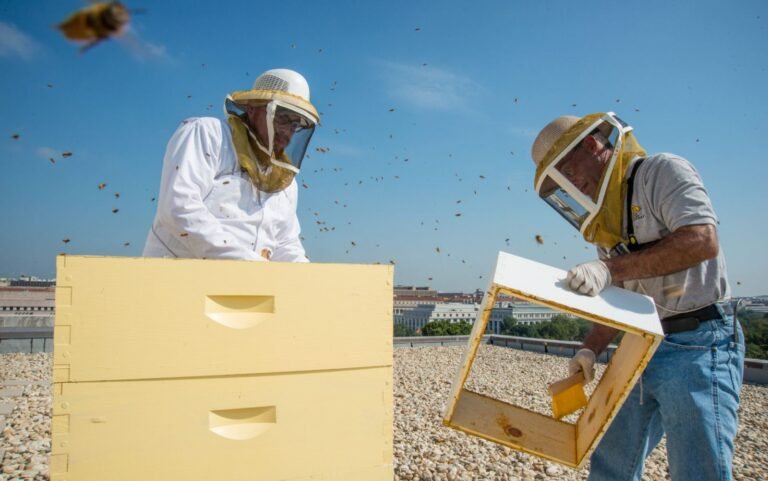
New Mexico only requires beekeepers to register once they cross a “commercial apiary” threshold — and that threshold genuinely depends on which side of Interstate 40 your hives sit on.…
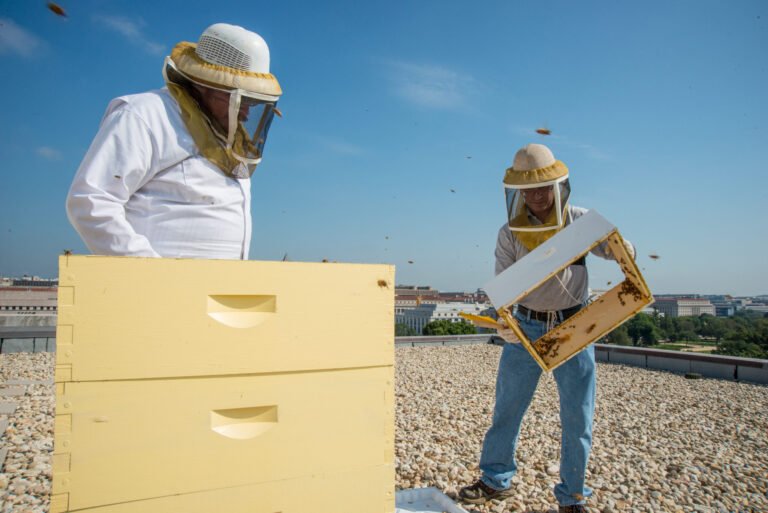
Nevada has no mandatory beekeeper registration requirement in state law at all. Unlike most states, where a registration statute simply hasn’t been activated or is limited by a threshold, Nevada’s…
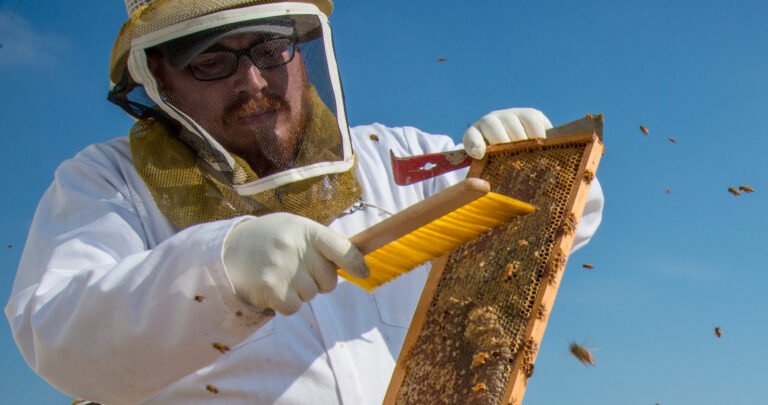
New Jersey requires every beekeeper who overwinters bees in the state to register annually — and, unlike almost every other state, to actually complete a beekeeping education course as a…
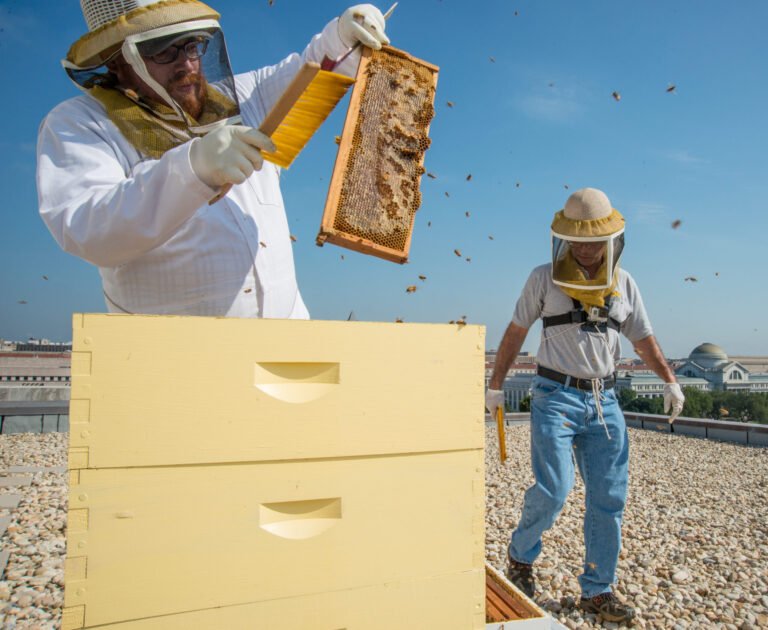
Oregon only requires beekeepers to register with the state once they reach five or more colonies. Below that threshold, hobbyist beekeepers with a handful of backyard hives have no state…
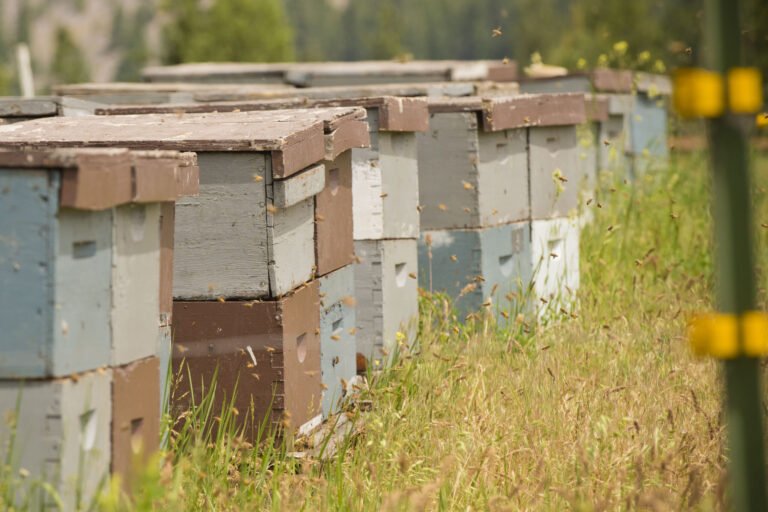
Kentucky does not require beekeepers to register their hives. That surprises a lot of new beekeepers, since state law under KRS Chapter 252 gives the Commissioner of Agriculture the authority…
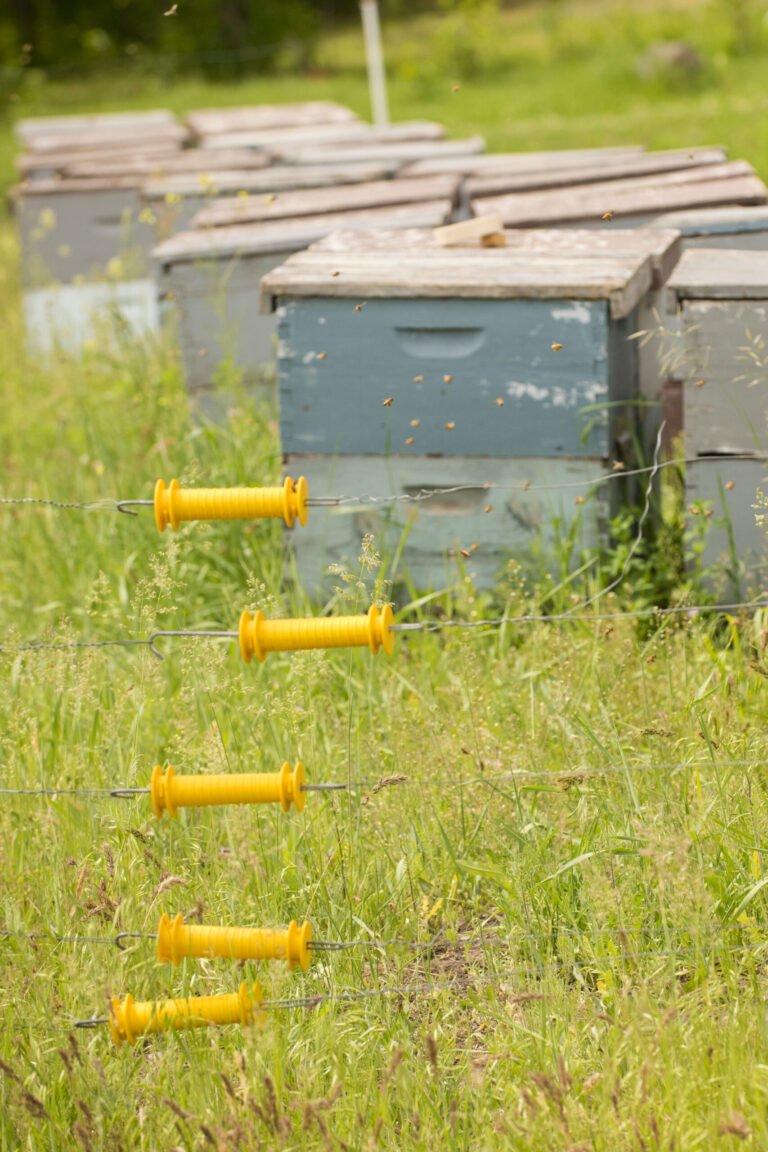
Alabama requires every beekeeper to register with the state by October 1 each year — and the state has an unusual, easy-to-miss rule that can catch new beekeepers off guard:…

South Carolina has no state law restricting who can keep honey bees or how many colonies you can have — and no mandatory hive registry. Where South Carolina does regulate…
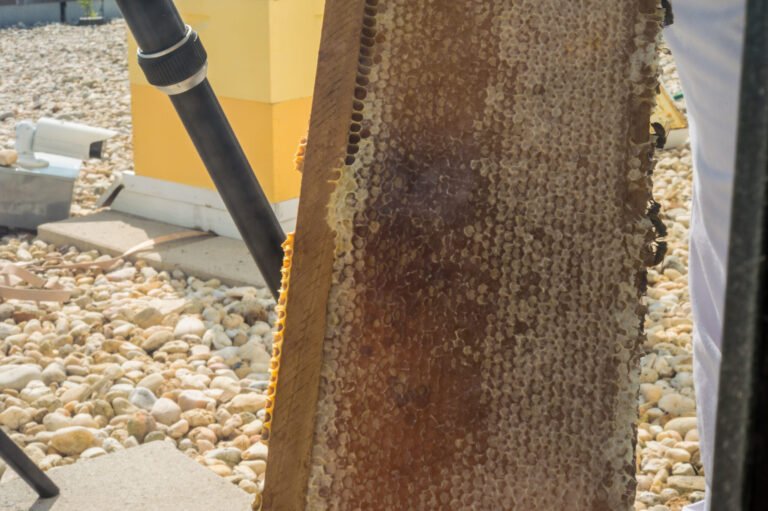
Wisconsin does not require beekeepers to register their hives with the state — but it does require anyone bringing bees or used equipment into Wisconsin to report that shipment first.…
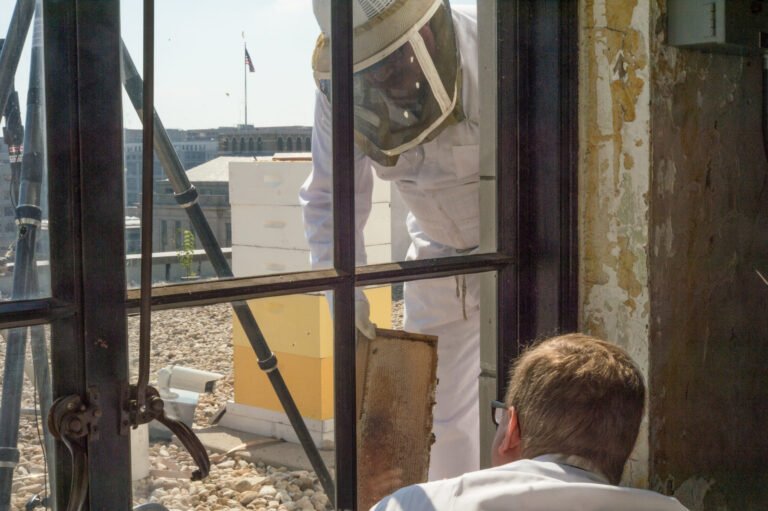
Maryland requires every beekeeper to register — and gives you just 30 days to do it after acquiring your first colony. Under COMAR 15.07.01, there’s no exemption for hobbyists with…

Missouri has no statewide beehive registration, but the seven Bootheel cotton counties, bees brought in from other states and Kansas City have their own rules. Here is what the statutes and city code actually require.
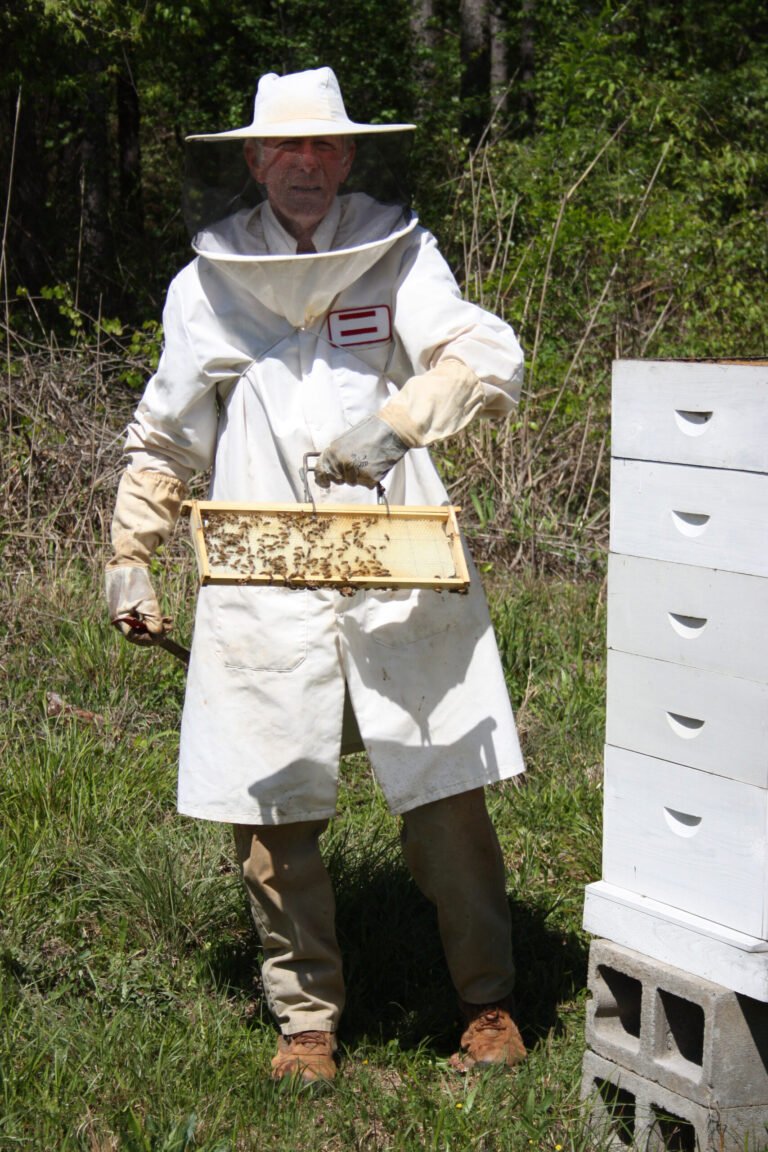
“Best city for beekeeping” and “most pollinator-friendly city” are two genuinely different rankings that often get conflated, and it’s worth being clear about which one actually matters for someone deciding…
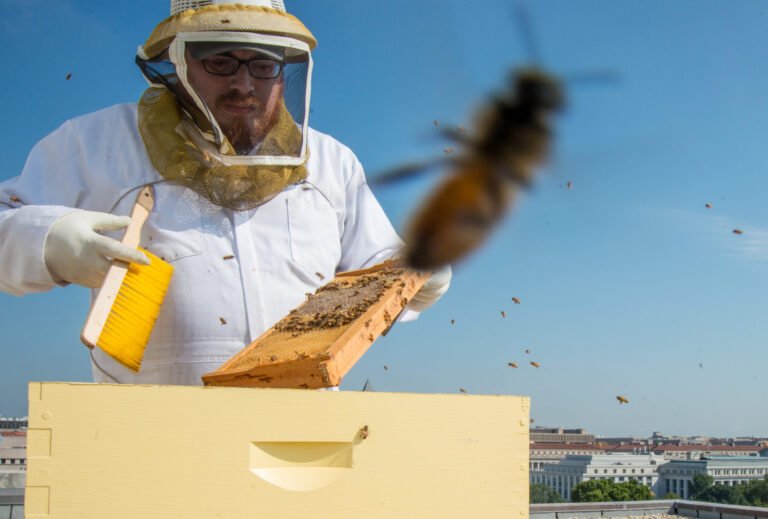
Indiana offers a legal protection no other state covered in this series has matched: a law that bars not just cities and towns from banning beekeeping, but homeowners associations too.…
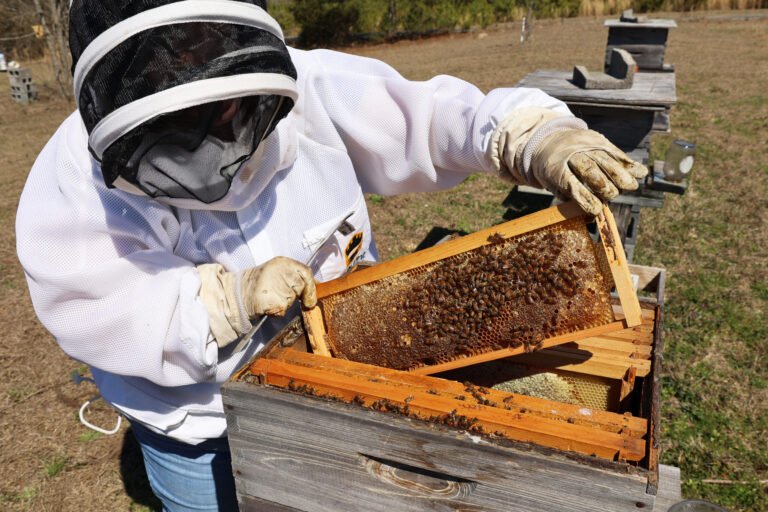
Massachusetts does not require a state permit or registration to keep bees, but state law covers inspections, disease reports and imports. What Boston, Cambridge and Raynham require, and how to sell honey legally.
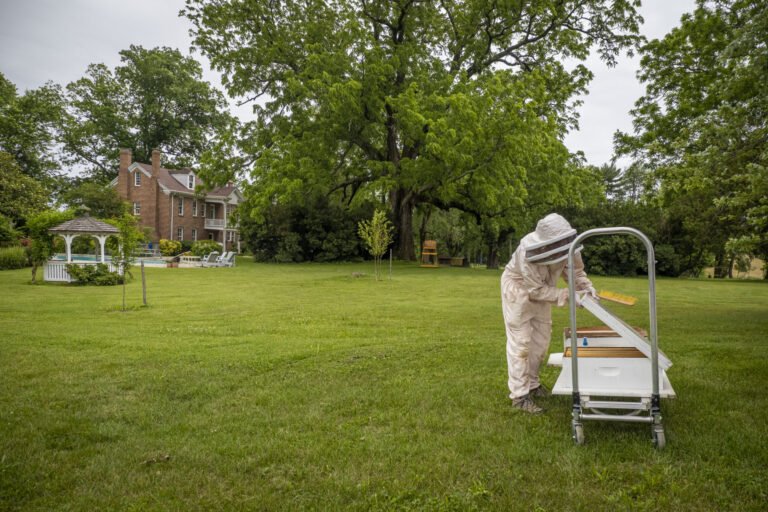
Tennessee requires every beekeeper to register each apiary with the state every three years. What the Apiary Act requires, city rules in Memphis, Knoxville and Chattanooga, and how to sell honey legally.
Colorado is one of the few states with no active state-level beekeeping registration at all — not because lawmakers deliberately repealed the requirement like Arizona did, but because the state’s…
Arizona actually deregulated beekeeping at the state level back in 1994 — at beekeepers’ own request — so there’s no general statewide apiary registration requirement the way there is in…
Illinois requires every beekeeper to register their colonies with the state Department of Agriculture, free, within 10 days. This guide covers hive marking, inspections, moving permits, penalties, Chicago and suburban rules, and honey sales.
Virginia doesn’t require hobbyist beekeepers to register with the state, but it does regulate something most states don’t address directly: moving bees, used equipment, and comb across state lines into…

Michigan is one of the small number of states with no mandatory hive registration at all. There’s no state-level requirement to register your bees with the Michigan Department of Agriculture…
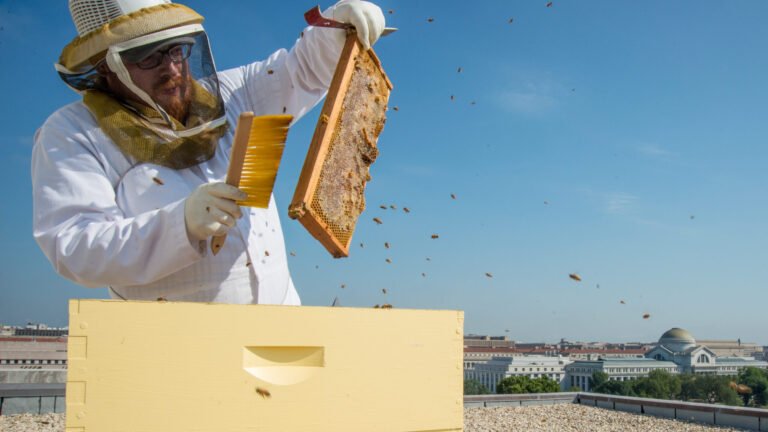
Every beekeeper in Pennsylvania must register with the state, but the state makes that requirement unusually painless: a single $10 registration fee covers two full calendar years, not just one.…
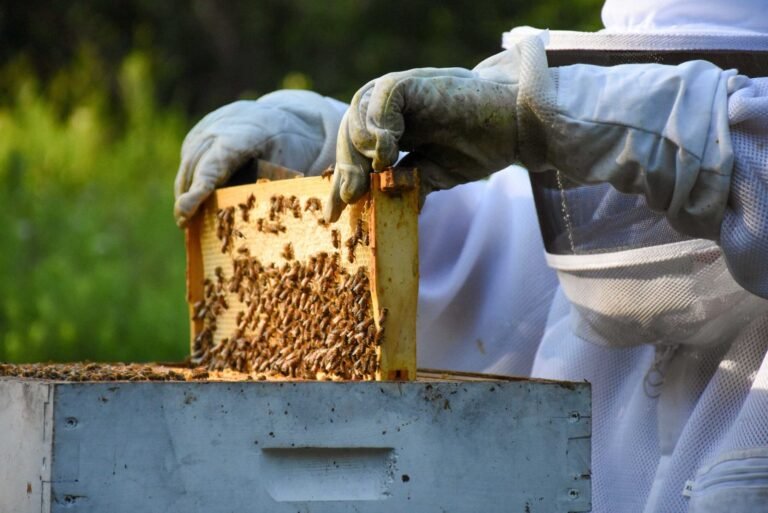
North Carolina takes an unusually beekeeper-friendly approach at the state level. Registration with the state isn’t mandatory — it’s entirely voluntary — and North Carolina General Statute 106-645 goes a…
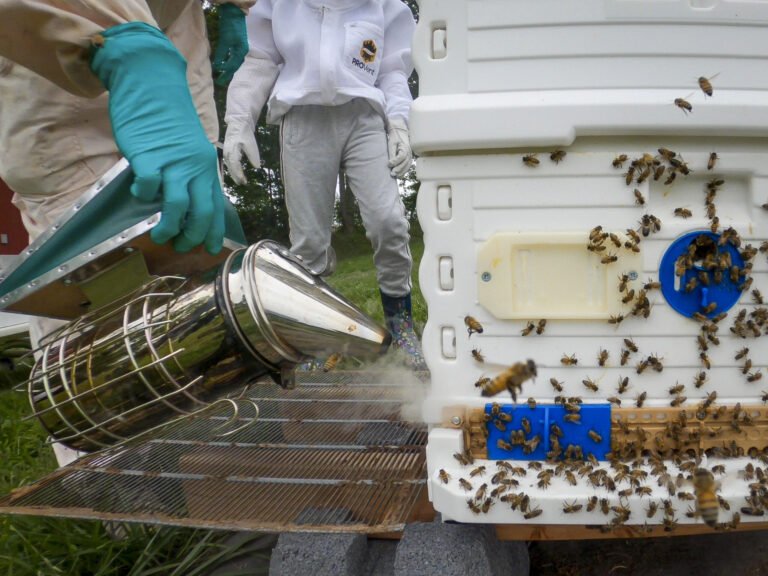
Georgia is one of the few states where hobbyist beekeepers aren’t actually required to register with the state. Unlike California, Florida, New York, or Ohio, Georgia’s bee law focuses its…
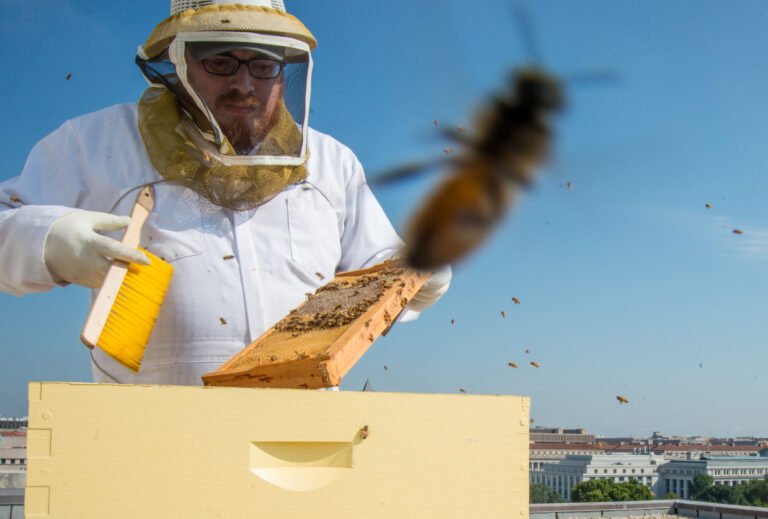
Ohio requires every beekeeper in the state to register annually, and the rule applies whether you keep a single top-bar hive in a Columbus backyard or run dozens of colonies…
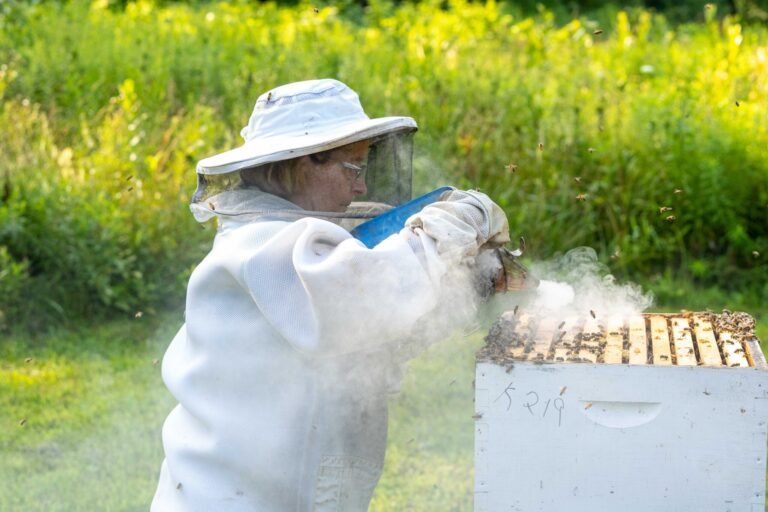
New York regulates beekeeping at two separate levels, and mixing them up is the single most common mistake new beekeepers in the state make. Every beekeeper, anywhere in New York,…
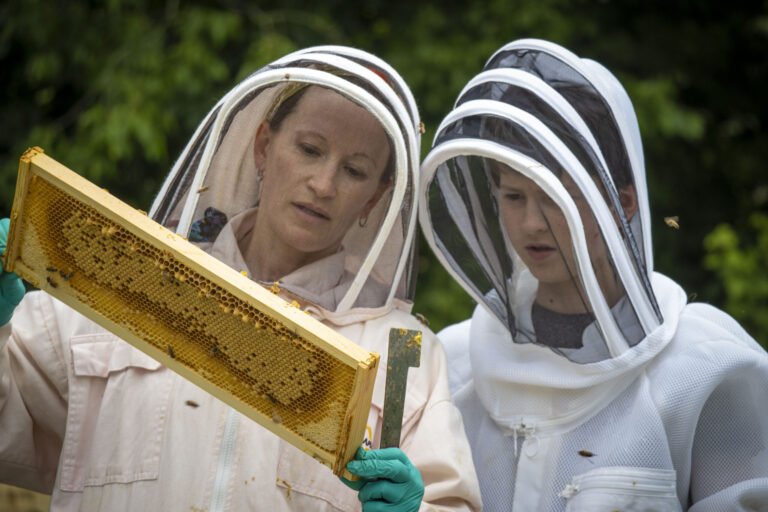
Florida requires every beekeeper to register with the state — including hobbyists with a single hive in a backyard in Orlando or Tampa. Under Florida Statute Chapter 586, no colony…