Last Updated September 16, 2026
New Mexico only requires beekeepers to register once they cross a “commercial apiary” threshold — and that threshold genuinely depends on which side of Interstate 40 your hives sit on. North of I-40, an apiary becomes “commercial” and subject to state registration at 15 or more colonies in one location; south of I-40, the threshold is 25 or more colonies. It’s one of the more unusual geographic distinctions in any state’s beekeeping law, and it means most backyard beekeepers in New Mexico have no state registration obligation at all.
This guide covers New Mexico’s I-40-based commercial apiary threshold and registration process under 21.27.2 NMAC, the state’s import certification and pollination-permit rules for commercial beekeepers, the mandatory movable-frame requirement, how abandoned colonies are handled, and how New Mexico’s Homemade Food Act treats selling honey.
Disclaimer: This guide is for educational purposes only and is not legal advice. Beekeeping regulations change over time — always confirm current requirements directly with your local or national agricultural authority before acting.
Key Takeaways
- New Mexico only requires state registration for “commercial apiaries” — 15 or more colonies at one location north of Interstate 40, or 25 or more colonies south of it.
- Commercial apiary registration costs $3 per apiary annually, capped at $200 total per beekeeper, due by November 1 each year.
- Commercial beekeepers must register before importing or locating bees in New Mexico, and file a certificate of inspection with the department 10 days before moving bees or used equipment into the state.
- Moving commercial colonies for pollination within 1.5 miles of another beekeeper’s registered apiary requires a separate pollination permit, filed within 24 hours of placement.
- New Mexico’s Homemade Food Act, effective July 1, 2021, lets non-refrigerated foods like honey be sold directly to consumers without a state permit and with no sales cap.
Table of Contents
- The I-40 Commercial Apiary Threshold
- Registering a Commercial Apiary
- The Movable-Frame Requirement
- Importing Bees Into New Mexico
- Pollination Permits for Commercial Beekeepers
- Abandoned Colonies and Equipment
- Selling Honey Legally in New Mexico
- Frequently Asked Questions
The I-40 Commercial Apiary Threshold

Under 21.27.2 NMAC, adopted under New Mexico’s Bee Law (Chapter 76, Article 9 of the New Mexico Statutes), a “commercial apiary” is defined specifically by geography: a location north of Interstate 40 with 15 or more bee colonies, or a location south of Interstate 40 with 25 or more colonies. A “commercial beekeeper” is simply anyone with enough colonies at one location to meet that threshold. This means the vast majority of hobbyist and small-scale New Mexico beekeepers — anyone keeping a handful of backyard hives well under either threshold — has no state apiary registration obligation at all, regardless of which side of the interstate they’re on. The geographic split itself likely reflects real differences in land use and apiary density between northern and southern New Mexico rather than an arbitrary distinction — a beekeeper running a larger operation in the state’s more densely populated northern region hits the regulatory threshold sooner than an equivalent operation spread across the more sparsely populated south, where a slightly higher colony count is treated as the practical dividing line before an apiary counts as commercial in scale. The New Mexico Department of Agriculture’s own apiary inspections page confirms this threshold directly.
| Location | Colonies to count as “commercial” |
|---|---|
| North of Interstate 40 | 15 or more at one location |
| South of Interstate 40 | 25 or more at one location |
| Registration fee | $3 per apiary, capped at $200 total per beekeeper |
| Registration deadline | November 1 annually |
Registering a Commercial Apiary
Once a New Mexico apiary meets the commercial threshold, it must be registered annually on or before November 1, or before establishment if it wasn’t registered at the time of the prior annual registration. The fee is $3 per apiary, but no commercial beekeeper pays more than $200 total in registration fees regardless of how many apiaries they operate. If a commercial apiary isn’t re-registered within 30 days of its previous registration expiring, that location becomes available for another commercial beekeeper to register instead — a genuinely unusual “use it or lose it” provision for apiary locations. Registrations transfer to a new beekeeper when the registered owner notifies the department in writing, and a registration can be forfeited entirely if the beekeeper fails to maintain at least the required commercial colony count at that location for a minimum of 15 days during either of two consecutive registration periods. This maintenance requirement means simply paying the registration fee once isn’t enough to hold onto a commercial apiary location indefinitely — a beekeeper who scales back below the commercial threshold for an extended stretch risks losing their registered spot to another beekeeper under the same use-it-or-lose-it logic that governs lapsed registrations.
The Movable-Frame Requirement
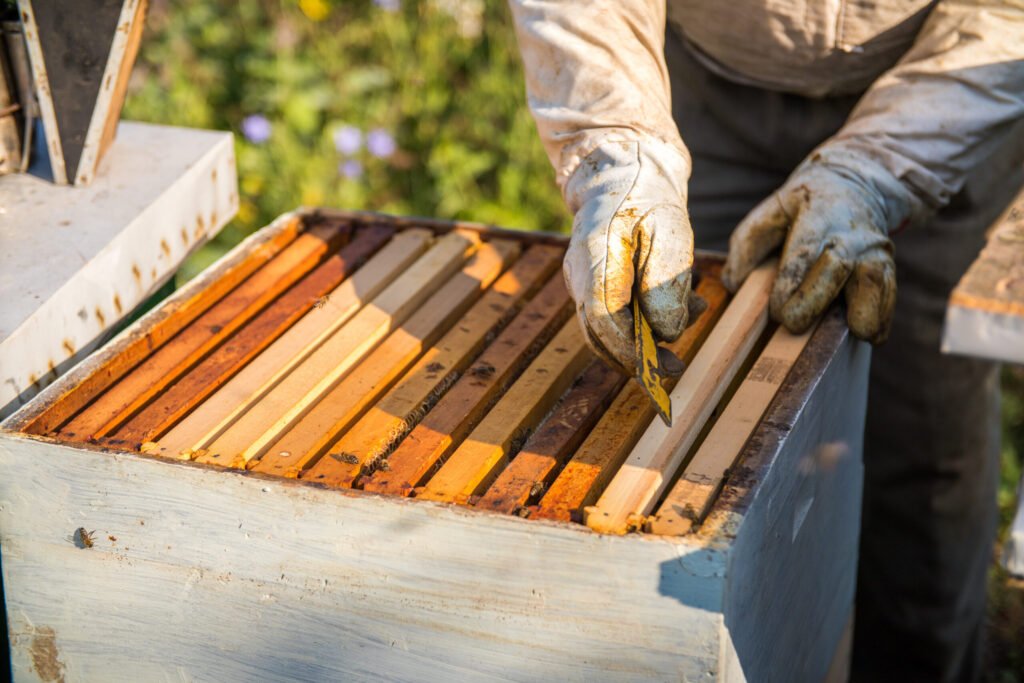
Under 21.27.2.8 NMAC, every established colony in New Mexico must be kept in a hive with movable frames, specifically to allow inspection of the brood for contagious bee disease. Unlike some states, this requirement in New Mexico’s regulation isn’t explicitly limited to commercial apiaries by its own text, so beekeepers of any size should plan on movable-frame equipment as the practical standard statewide rather than assuming it only applies once they cross the commercial threshold. This is a useful clarification for anyone reading New Mexico’s apiary rules and assuming, reasonably enough, that a regulation filed under “commercial apiaries” in Part 2 of Chapter 27 only binds beekeepers who meet the commercial definition — the movable-frame provision itself is written more broadly, and a cautious beekeeper of any size should treat it as the practical statewide standard rather than testing the boundaries of how narrowly it might be interpreted.
Importing Bees Into New Mexico
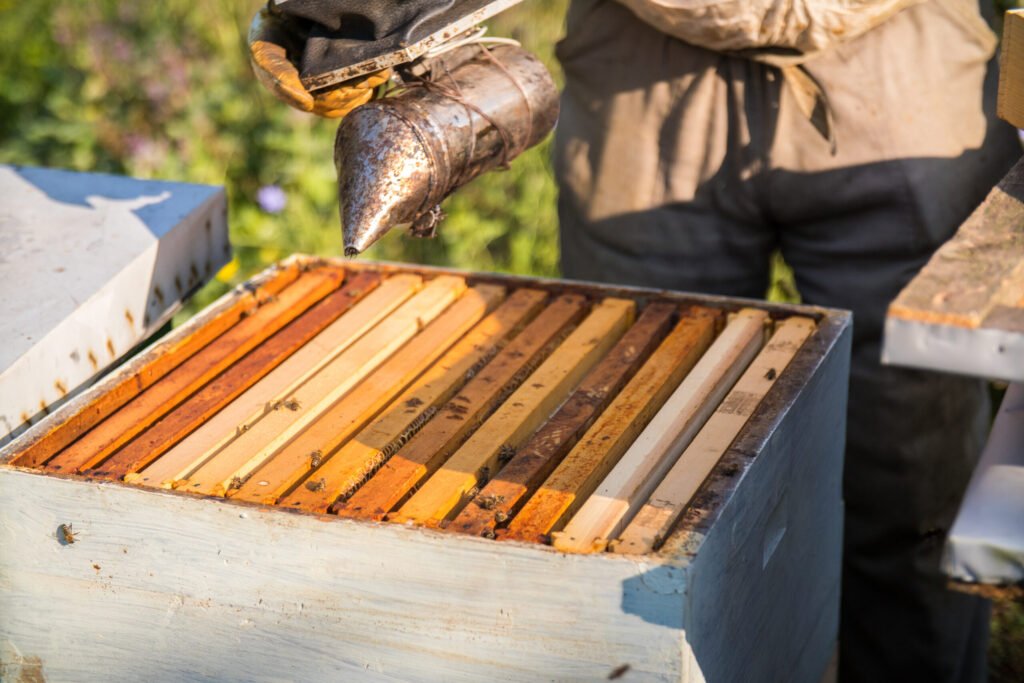
Commercial beekeepers must obtain registration for any planned apiary before importing or locating bees in New Mexico — the registration step comes first, not after the bees have already arrived. A certificate of inspection must be filed with the department 10 days before bees or used equipment are moved into the state, based on an inspection performed by an authorized apiary inspector in the state of origin within 30 days before the move. If bees or used equipment come from a state that doesn’t regulate bees at all, New Mexico’s own department will inspect them, at the commercial beekeeper’s expense, before granting a commercial apiary registration. Once bees actually arrive, the department must be notified within 10 days. Violating any part of this import process can result in forfeiture of the registered apiary location or denial of the registration entirely. The 10-day filing window and 30-day inspection window need to be planned around each other carefully: an inspection performed too far in advance of the actual move risks falling outside the 30-day validity window by the time the certificate is filed, so commercial beekeepers coordinating an interstate move should work backward from their planned arrival date rather than scheduling the inspection and the paperwork independently of each other. Beekeepers isolating newly imported colonies before full integration can follow our guide to setting up a quarantine yard for bees.
Pollination Permits for Commercial Beekeepers
New Mexico requires commercial beekeepers to obtain a separate pollination permit before moving colonies for pollination purposes within 1.5 miles of another beekeeper’s already-registered apiary. The permit application goes on a department-supplied form and must be filed within 24 hours after the colonies are actually placed for pollination — a notably fast turnaround compared to most other permitting deadlines in the chapter. Placing colonies for pollination within that 1.5-mile radius without the permit is itself a rule violation, subject to the penalties under the New Mexico Bee Act. This rule exists specifically to manage the real potential for conflict when multiple commercial beekeepers’ colonies compete for the same forage or interact in close proximity during pollination season. The 24-hour filing deadline is notably tighter than most of the chapter’s other timelines, reflecting how quickly a pollination placement decision typically has to be made once a grower’s bloom window opens — commercial beekeepers moving colonies for contract pollination work should have the permit form ready to file the moment bees are placed, rather than treating it as paperwork to catch up on later in the week. Our guide to crop pollination agreements covers the contractual side of this same commercial pollination work.
Abandoned Colonies and Equipment
New Mexico has a specific, formal process for declaring a colony or apiary equipment abandoned: the beekeeper or their representative must be unreachable both in person and by registered letter, and notice must additionally be published for at least two successive weeks in a newspaper of wide distribution in the county where the colony or equipment sits. This publication requirement is a more formal, public process than most states use for handling apparently abandoned bee equipment, reflecting New Mexico’s approach of giving an absent owner a genuine, documented opportunity to respond before the state treats their colony as abandoned.
Selling Honey Legally in New Mexico
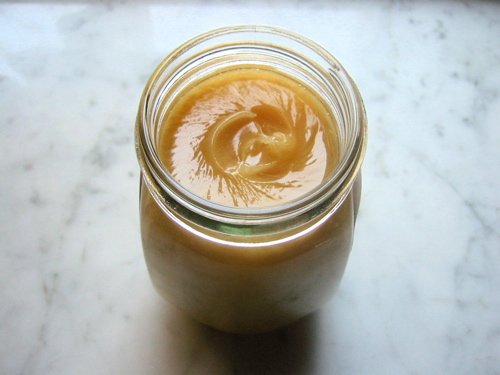
New Mexico’s Homemade Food Act took effect July 1, 2021, allowing low-risk, non-time/temperature-control-for-safety foods prepared at a private farm, ranch, or residence to be sold directly to consumers without a permit from the state environmental health department or local equivalents. Honey, as a naturally shelf-stable, non-refrigerated product, falls squarely within the kind of food the Act is built around, and New Mexico beekeepers commonly sell honey under this framework with no state permit and no sales cap. Sales must be direct to the end consumer within New Mexico — farmers markets, festivals, online orders, roadside stands, home pickup, or mail delivery are all allowed — but selling through an intermediary like a retail store isn’t covered under the Act’s direct-to-consumer framework. Compared to New Mexico’s commercial apiary registration system, which is built entirely around colony count and geography, the Homemade Food Act operates on a completely separate track focused on food safety and sales channel rather than how many hives a producer keeps — a beekeeper well under the commercial apiary threshold can still sell honey under the Act exactly the same way a much larger registered commercial beekeeper would. See our broader guide to cottage food laws and selling honey legally for how other states structure similar exemptions.
Frequently Asked Questions
Do I need to register my beehives in New Mexico?
Only if you meet the commercial apiary threshold — 15 or more colonies at one location north of Interstate 40, or 25 or more south of it. Smaller operations have no state registration requirement.
How much does commercial apiary registration cost in New Mexico?
$3 per apiary annually, capped at $200 total per beekeeper, due by November 1.
What do I need to import bees into New Mexico as a commercial beekeeper?
Registration before importing, plus a certificate of inspection filed 10 days before the move, based on an inspection within the prior 30 days.
Do I need a permit to move bees for pollination in New Mexico?
Commercial beekeepers need a pollination permit if placing colonies within 1.5 miles of another beekeeper’s registered apiary, filed within 24 hours of placement.
Can I sell honey from my home in New Mexico without a permit?
Yes, under the Homemade Food Act, honey can generally be sold direct to consumers with no state permit and no sales cap.
Related Reading
Image credits: Photo: T.Voekler, licensed CC BY-SA 3.0, via Wikimedia Commons.