Hurricane Ian destroyed roughly 100,000 hives across Florida in 2022 — colonies toppled and drowned by a 12-foot storm surge, with survivors left starving as the storm wiped out the forage they depended on. For beekeepers in hurricane-prone regions, this isn’t a rare, once-in-a-lifetime risk to plan for casually — it’s a genuine, recurring operational hazard that deserves the same deliberate preparation as varroa treatment or winter feeding.
This guide covers how to actually secure hives before a hurricane, where to position them to reduce flood and wind-throw risk, what bees do naturally as a storm approaches, and how to assess and recover colonies once it’s safe to check on them afterward.
This is a genuine gap in most general beekeeping resources, which tend to cover routine seasonal management in real depth but rarely address disaster-scale weather events at all – a beekeeper in a hurricane-prone state can search extensively for this kind of preparation guidance and come up mostly empty, despite the very real, recurring nature of the risk.
Key Takeaways
- Strapping matters more than weight alone — a brick on the lid is insufficient above roughly 50 mph winds; use ratchet straps vertically around the whole hive and secure the stand itself to the ground.
- Move hives away from low-lying, flood-prone spots and away from trees before a storm, not just secure them in place — location matters as much as strapping.
- Bees have a genuine, documented ability to sense an approaching storm and begin sealing their hive with propolis on their own, though this doesn’t replace physical securing on your part.
- Hurricane Ian’s 2022 destruction of roughly 100,000 Florida hives shows this is a real operational risk, not a hypothetical one, for any beekeeper in a hurricane-prone region.
- Post-storm recovery often means supplemental sugar syrup feeding for weeks or months, since a hurricane can devastate the forage a colony would otherwise rely on long after the storm itself passes.
Table of Contents
- Strapping and Securing Hives Before Landfall
- Positioning: Where You Place Hives Matters
- What Bees Do Naturally as a Storm Approaches
- Hurricane Ian: A Real Scale-of-Damage Example
- Assessing and Recovering Colonies After the Storm
- Frequently Asked Questions
Strapping and Securing Hives Before Landfall
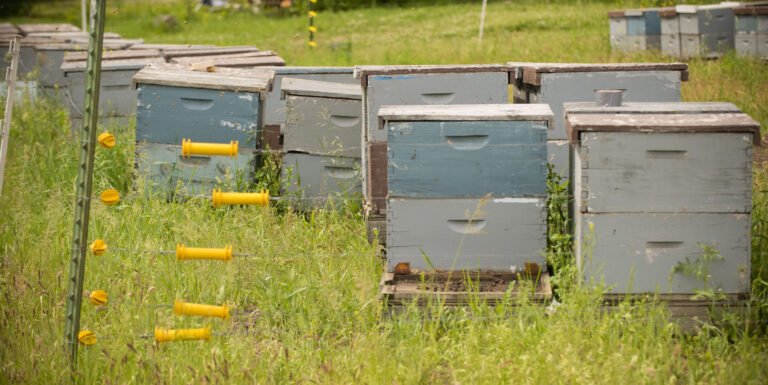
Per NC State Extension’s guidance on protective measures for beehives during hurricanes, a simple brick on the lid — the everyday method many beekeepers use to deter animals or casual wind — is likely insufficient once winds exceed roughly 50 mph, which is well below hurricane-force wind speeds. Real hurricane preparation means strapping the hive stand itself to the ground using a ratchet strap and screws, then running a second ratchet strap completely around the hive body vertically to keep the boxes and lid secured to the bottom board as one unit. For additional security, especially in an exposed or outlying apiary location, driving a t-post or length of rebar into the ground near each hive and securing it with a horizontally placed strap adds a second point of restraint beyond the vertical strapping alone. If you manage multiple hives, securing them together as a group, not just individually, adds further stability against high winds.
Timing matters too – start securing hives well before a storm’s projected arrival rather than waiting for the last possible moment. Strapping and repositioning work involves getting close to an agitated colony, and rushing this work in deteriorating weather (rising wind, early rain bands) is both harder to do properly and genuinely more dangerous for the beekeeper than doing the same work calmly a day or two ahead of landfall. Most hurricane forecasts give several days of lead time, which is enough to complete thorough preparation if you start as soon as a storm enters the forecast rather than waiting for a more certain, closer-range prediction.
Positioning: Where You Place Hives Matters
Strapping alone doesn’t address every hurricane risk — where a hive sits matters just as much. Moving hives out of low-lying depressions before a storm reduces the real risk of flooding, since a colony sited in a natural low point can end up underwater even from rainfall alone, well before any storm surge is involved. Positioning hives away from trees reduces the risk of a falling limb crushing or toppling a hive during high winds, a genuinely common cause of hurricane hive loss beyond wind alone. For beekeepers using solid bottom boards, tilting hives slightly forward helps water drain out rather than pooling inside the hive during heavy, sustained rainfall — a small adjustment that meaningfully reduces one specific, common source of storm-related colony loss.
If you keep hives in more than one location, or have the option to temporarily relocate before a major, well-forecast storm, moving colonies further inland or to higher ground entirely is worth genuine consideration for a storm expected to bring significant surge, not just wind. This is a bigger undertaking than strapping in place, but for beekeepers in the most surge-vulnerable coastal areas specifically, it can be the difference between a colony that survives intact and one that doesn’t survive the storm at all, regardless of how well it was strapped down.
What Bees Do Naturally as a Storm Approaches
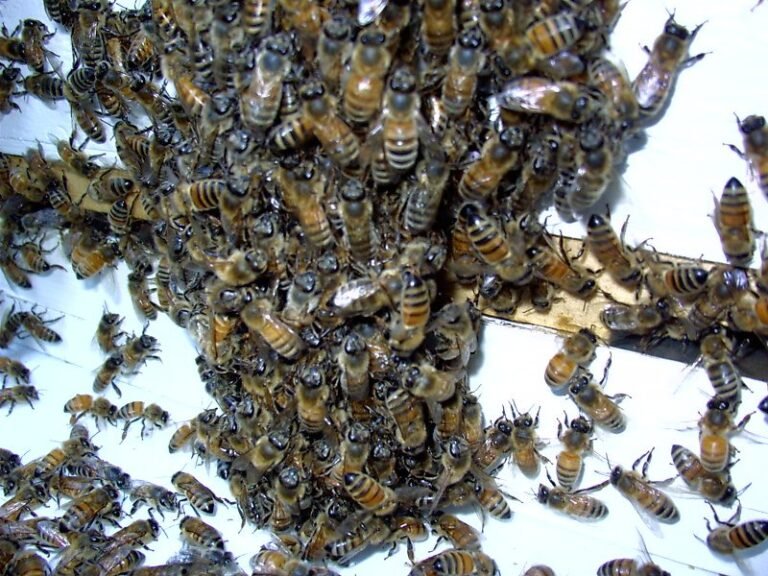
Bees have a genuinely documented ability to sense an approaching storm, likely through barometric pressure changes, and will often begin sealing their own hive with propolis — closing the top down and sealing the box to the bottom board — well before a beekeeper has finished their own preparations. This is a real, useful natural behavior, but it’s not a substitute for physical securing: propolis seals the hive against moisture and drafts, not against wind-throw or a hive genuinely being knocked over or carried by hurricane-force wind. Treat this bee behavior as a helpful complement to your own preparation, not a reason to skip strapping and repositioning.
Bees also tend to cluster more tightly and consume stored honey more slowly in the days before a storm, behavior consistent with a genuine, instinctive preparation response rather than random coincidence. This is a useful thing for beekeepers to know if they’re doing a final hive check before securing everything, since a colony that already seems unusually settled and quiet isn’t necessarily struggling – it may simply be responding to the same barometric pressure changes that are prompting your own storm preparations.
Hurricane Ian: A Real Scale-of-Damage Example
Hurricane Ian’s landfall in Florida in 2022 offers a genuinely sobering, real-world scale reference for what an unprepared or under-prepared apiary faces in a major storm: roughly 100,000 hives were destroyed statewide, with colonies toppled and drowned by storm surge reaching 12 feet in some areas. Survivors faced a second, less immediately visible crisis: the storm devastated regional forage, leaving surviving colonies effectively starving in the weeks that followed even where the hives themselves survived the physical storm intact. This is the real reason hurricane preparation for beekeepers needs to extend well past the storm itself into genuine post-storm recovery planning, covered next.
Ian’s scale also prompted a broader response beyond individual beekeepers – state agriculture departments, university extension programs, and beekeeping associations coordinated relief efforts, insurance guidance, and forage-recovery planning across the affected region, reflecting that a storm of this magnitude genuinely exceeds what any individual beekeeper can manage entirely alone. Knowing that this kind of coordinated institutional support exists, and where to find it in your own state, is worth researching before a storm hits rather than trying to locate resources for the first time during an active recovery effort.
Assessing and Recovering Colonies After the Storm
Once it’s safe to return to your apiary, a careful damage assessment comes first: check whether hives are still upright and intact, whether water has entered the hive body, and roughly how the colony inside is faring before making any management decisions. A USDA Climate Hubs guide for beekeepers preparing for and recovering from hurricanes reflects official government recognition that this recovery phase deserves its own deliberate planning, not just improvisation after the fact. Supplemental sugar syrup feeding is often necessary for weeks or even months following a major storm, specifically to compensate for the forage a hurricane’s wind and flooding can devastate well beyond the hives themselves. Beekeepers in affected regions have also found real value in community-level recovery efforts — splitting stronger surviving hives to help replace lost colonies, and loaning or donating worker bees and queens to fellow beekeepers whose operations were harder hit — turning individual recovery into a genuinely collective effort within the local beekeeping community.
Documenting damage thoroughly before beginning any cleanup or repair work also matters for a reason beyond the bees themselves – photographs and a written inventory of losses support both insurance claims and any available disaster relief or agricultural assistance programs, which is covered in more depth in our dedicated guide to beekeeping insurance claims after a natural disaster. Cleaning up and rebuilding before documenting damage is a common, understandable instinct, but it can genuinely cost a beekeeper real compensation they’d otherwise be entitled to.
The 90-day renewal extension after a disaster is covered in Florida beekeeping laws.
Frequently Asked Questions
How do I secure my hives before a hurricane?
Strap the hive stand to the ground and run a second ratchet strap vertically around the entire hive body — a brick on the lid alone isn’t sufficient above roughly 50 mph winds.
Should I move my hives before a hurricane?
Yes if they’re in a low-lying, flood-prone spot or near trees — repositioning reduces flood and falling-limb risk that strapping alone doesn’t address.
Can bees sense a hurricane coming?
Yes, bees appear to sense approaching storms, likely via barometric pressure changes, and often seal their hive with propolis on their own – though this doesn’t replace physical securing.
How bad can hurricane damage to an apiary actually be?
Hurricane Ian destroyed roughly 100,000 hives across Florida in 2022, with storm surge up to 12 feet toppling and drowning colonies – a genuine, recurring operational risk for hurricane-prone regions.
What does hive recovery look like after a hurricane?
A damage assessment first, then often weeks or months of supplemental sugar syrup feeding to compensate for storm-devastated forage, sometimes alongside community hive-splitting and bee-sharing efforts.