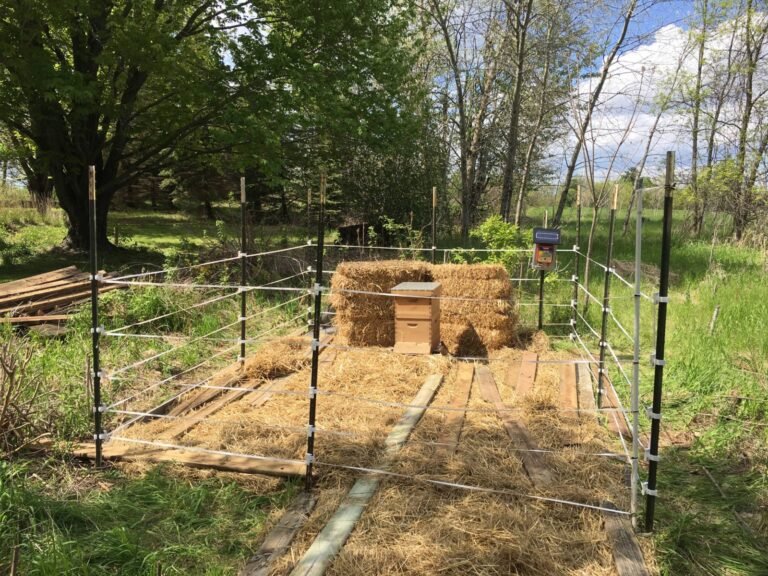
Building an Emergency Action Plan for Colony Loss
A real action plan for pesticide kills, bear damage, and vandalism -- who to call, what evidence to preserve, and a quick-reference decision table for each cause.

Practical guidance for protecting hives before, during and after hurricanes, wildfires, floods and other natural disasters. Bees cannot be evacuated like livestock: a colony sealed shut in hot weather can suffocate, a floating hive loses its brood nest, and a yard left open in high wind scatters boxes across a field. Preparation is mostly about the days before, and recovery about the weeks after.
The guides are organized by hazard. Hurricanes: strapping and weighting hives, lowering stacks, reducing entrances, and the robbing and queen loss that follow the storm. Wildfire: evacuating with bees, when to leave hives in place, and how smoke and heat affect a colony. Floods: an elevated site, drainage, and stands that keep the brood nest above water. Tornadoes and earthquakes: anchoring and siting. Extreme cold: polar vortex protocols and when not to open a hive. Power outages: what to do with honey mid-extraction.
Two further articles deal with the paperwork: how insurance claims for bee losses actually work, and how to write an emergency action plan before you need one. It is for beekeepers in hurricane, wildfire and flood country, and for anyone with a few hives who has not yet planned for the worst week of the year.
Start here:
A real action plan for pesticide kills, bear damage, and vandalism -- who to call, what evidence to preserve, and a quick-reference decision table for each cause.
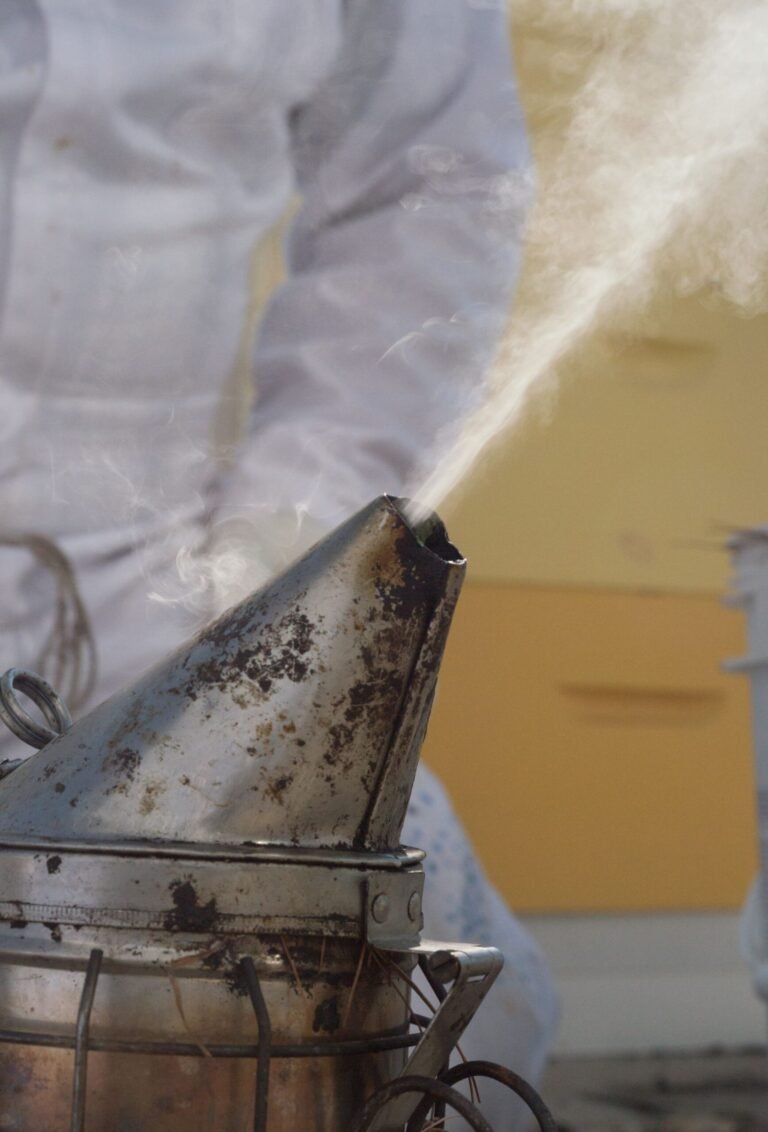
A power outage mid-harvest means switching to crush-and-strain, not panicking about spoiled honey. Real food-safety facts, cleanup tips, and a generator-vs-manual decision table.
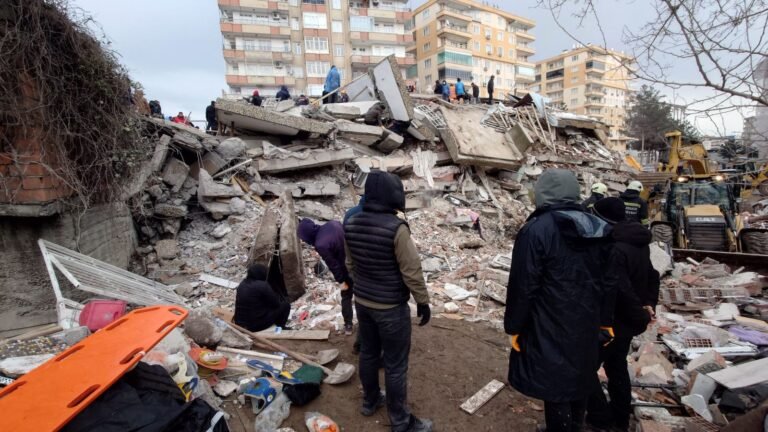
How the 2023 Turkey earthquakes damaged 1.48 million hives, why earthquake damage differs from wind or flood disasters, and how to actually prepare.
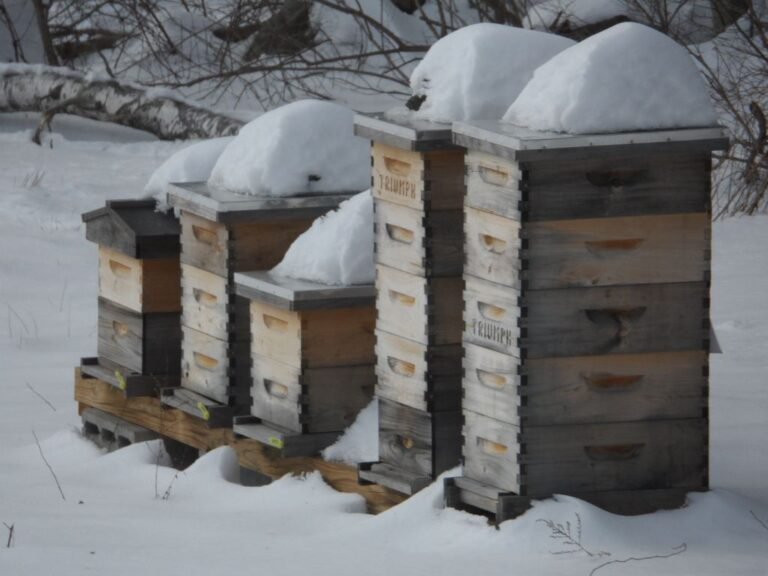
What to actually do when an abnormal deep freeze hits beekeepers unprepared for it, based on real lessons from Winter Storm Uri.

The National Weather Service’s average tornado warning lead time runs roughly 8 to 10 minutes for all tornadoes (rising to 12-15 minutes for EF2-and-stronger tornadoes) — nowhere near enough time…
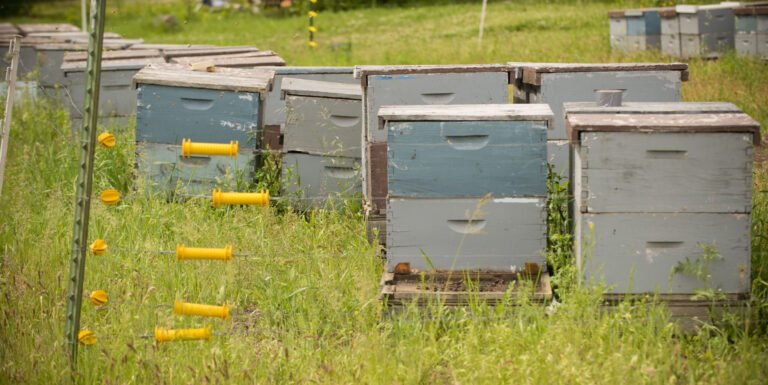
Most beekeepers find out what their insurance actually covers at the worst possible moment: after a hurricane, wildfire, or flood has already destroyed hives, equipment, or an entire apiary. The…
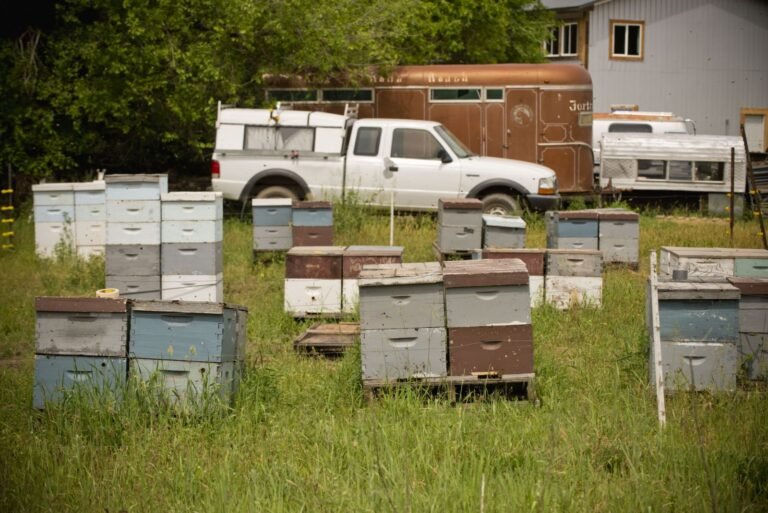
Flood-proofing an apiary starts long before any storm is in the forecast — it starts with where you choose to put your hives in the first place. Unlike hurricane wind…
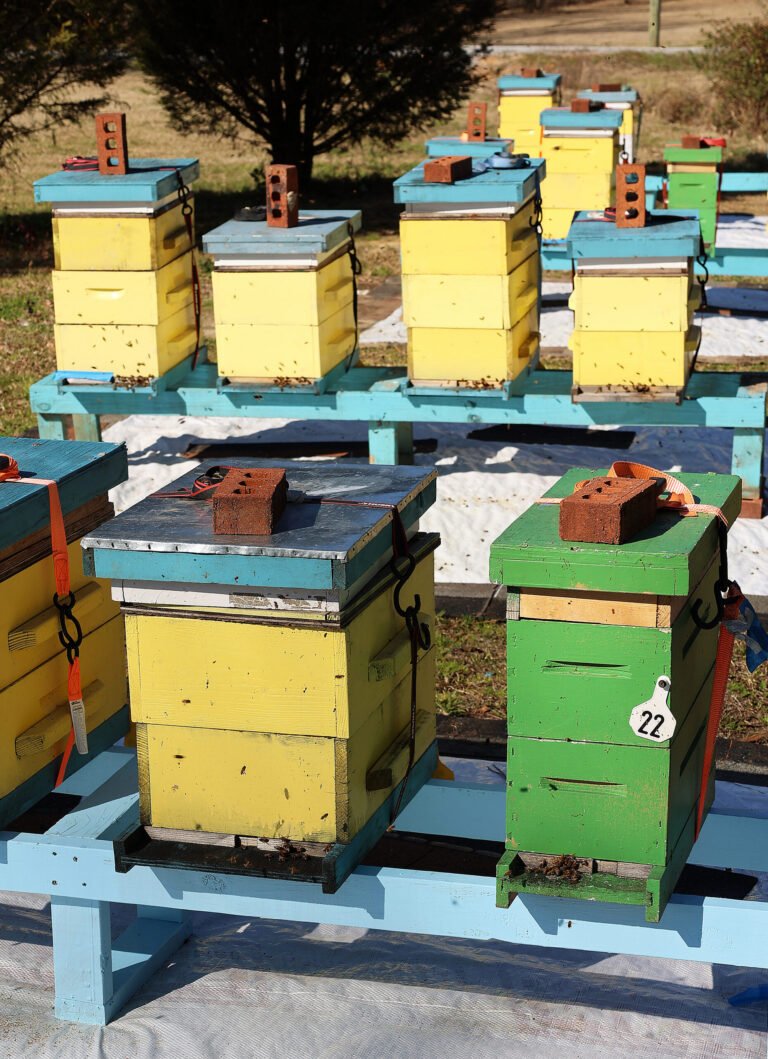
Here’s the honest, counterintuitive truth this topic needs upfront: a honeybee colony generally can’t be evacuated the way a pet or a horse can during a fast-moving wildfire. The queen…
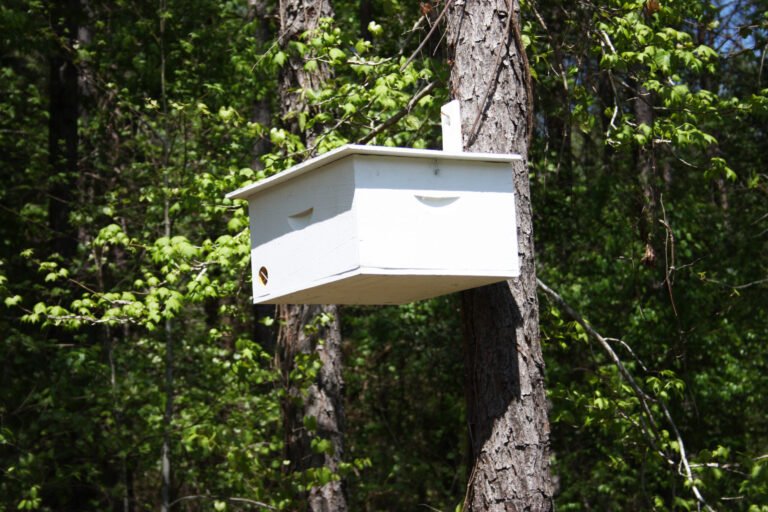
Hurricane Ian destroyed roughly 100,000 hives across Florida in 2022 — colonies toppled and drowned by a 12-foot storm surge, with survivors left starving as the storm wiped out the…
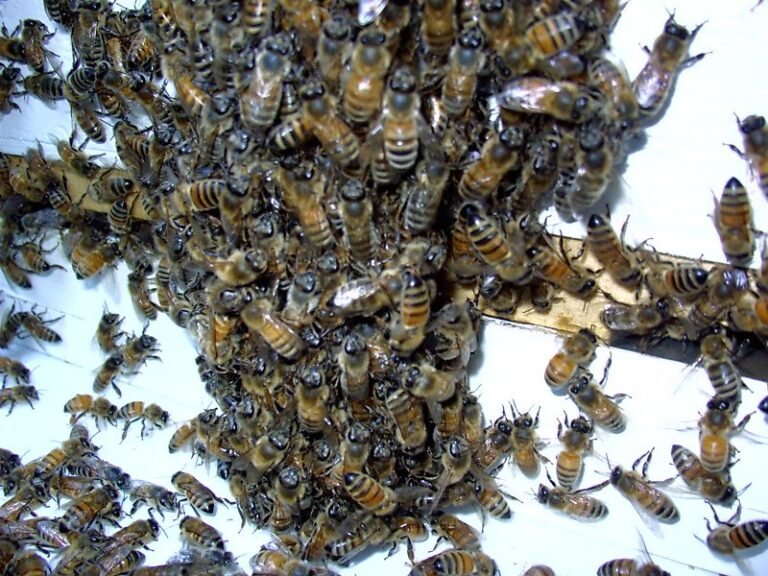
What to do when a heat wave hits your apiary: bee-safe emergency cooling steps (water, shade, careful ventilation), what not to do, handling collapsed comb, and hive aftercare.