

Reviewed by Elena P. · Last Updated September 23, 2026 · How we review
Honey usually tastes smoky for one of four reasons: smoke from the beekeeper’s smoker condensed on the wax cappings at harvest, the honey was stored in old, dark brood comb, it was scorched by heat during uncapping or wax melting, or the nectar source itself has a dark, woody character. The first three are defects. The fourth is simply what that honey tastes like, and a few minutes of frame-by-frame tasting will usually tell you which one you have.
That line between flaw and flavor is not a matter of opinion. The USDA grade standard for extracted honey treats smoke flavor as a defect in every grade, but it explicitly exempts the natural character of the predominant floral source. This guide uses the same test to sort out your jar, then explains how to prevent each cause.
Written by Sofia T., honey production and equipment writer, and fact-checked by Elena P., our bee biology and fact-checking editor. We re-check this guide against the USDA standard and newer research each season; the date at the top of the page shows the latest review.
Key Takeaways
- Smoker taint is the most common process cause. Heavy or hot smoke pumped into honey supers can leave tar and soot on the cappings. Comb honey is the most exposed because the cappings get eaten.
- Old brood comb can add a burnt, bitter note to honey stored in it, and that honey is usually darker than the rest of the batch.
- Heat gives a cooked or burnt-sugar taste that many people call smoky. Hot uncapping knives and cappings melters are the usual sources.
- Some honeys are naturally dark and woody. Buckwheat and chestnut honey can read as smoky, and that is character, not a defect.
- USDA grading draws the line: smoke flavor is a defect in all grades unless it is normal for the floral source.
- A tainted batch cannot be reliably fixed, so prevention is the real answer.
Table of Contents
- The Four Causes at a Glance
- Cause 1: Smoker Taint on the Cappings
- Cause 2: Honey Stored in Old Brood Comb
- Cause 3: Scorching During Uncapping or Wax Melting
- Cause 4: A Naturally Dark, Woody Floral Source
- How to Diagnose Your Honey Frame by Frame
- What About Wildfire Smoke?
- Can You Fix Smoky Honey?
- Frequently Asked Questions
The Four Causes at a Glance
Beekeeping forum threads on smoky honey go back more than fifteen years, and they tend to argue past each other: one keeper blames the smoker, another blames old comb, a third says it is just the flowers. Each is partly right. The four causes leave different patterns across your frames, which is what makes them possible to tell apart.
| Cause | How it tastes | Where it shows up | A defect under USDA grading? |
|---|---|---|---|
| Smoker taint | Ashy, sooty, campfire; sometimes an acrid finish | Strongest in cappings and comb honey; frames from supers you smoked heavily | Yes |
| Old brood comb | Burnt, bitter, “dirty” dark note | Only frames that once held brood; honey visibly darker | Yes, when objectionable |
| Heat damage | Cooked, caramelized, burnt sugar | Whole batch after a heated step, or honey from a cappings melter | Yes (caramelized flavor) |
| Floral source | Malty, woody, molasses-like, earthy | Every frame from that flow, across hives in the same yard | No, if normal for the source |
Cause 1: Smoker Taint on the Cappings
Smoke carries fine particles, tar and volatile compounds, and fresh wax cappings sit right on the surface of the honey. When dense or hot smoke is pumped across open supers at harvest, some of it settles on the wax. Rusty Burlew of Honey Bee Suite notes that heavy smoking can leave soot on freshly capped comb, and that people differ in how easily they detect it:
“Some folks can definitely detect a smoky odor in combs that have been smoked.”
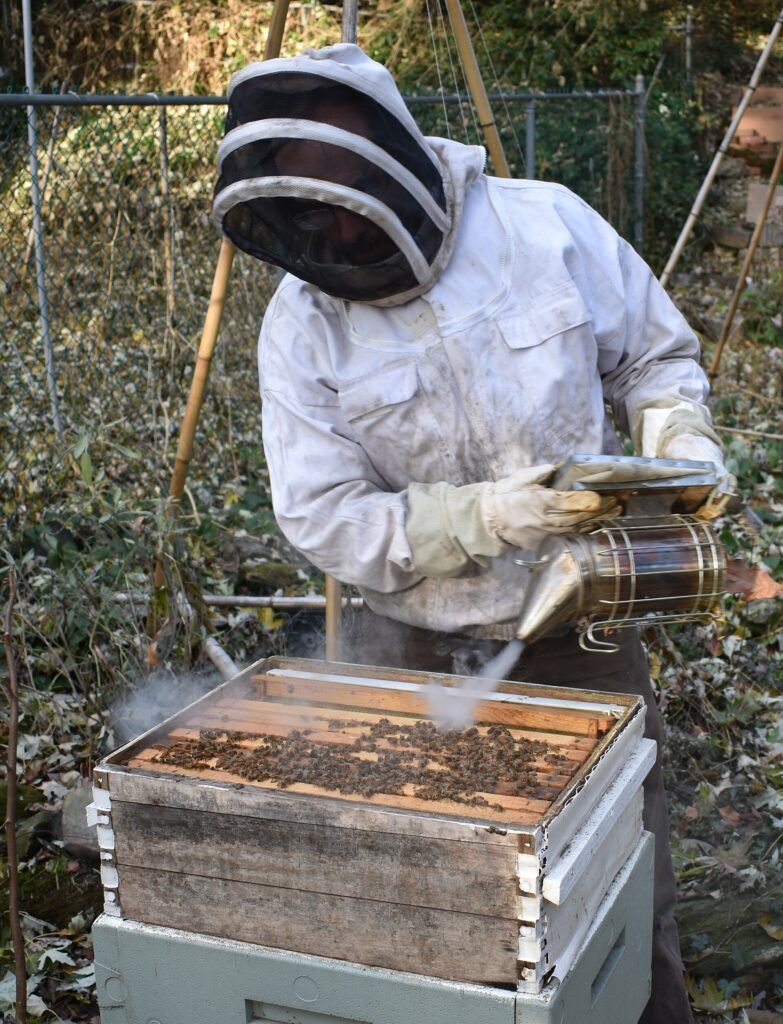
A few puffs at the entrance during a routine inspection are rarely the problem. The risk comes at harvest, when bees are driven out of supers by smoking every box, sometimes every frame. Comb honey and cut comb are the most sensitive because the buyer eats the cappings. Extracted honey is partly protected since the cappings are cut away, but the honey still runs across them during uncapping.
- Let the smoker settle into cool, white smoke before opening a box. Our guide to smoker fuels that burn cool compares the common options.
- Never burn treated wood, baling twine, dyed fabric or plastic near food you plan to sell.
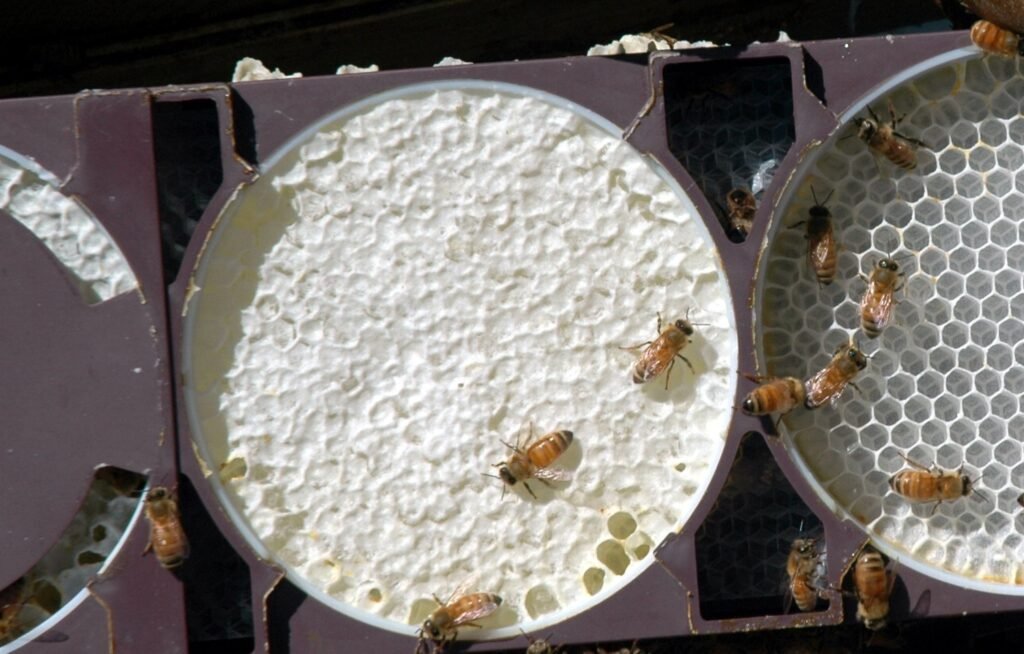
- Clear supers without smoke where you can. Our comparison of escape boards, fume boards and blowers covers the trade-offs; fume-board repellents carry their own odor risk if overapplied.
- Aim smoke at the bees, not across the face of capped frames, and close each super as soon as you are done with it.
Cause 2: Honey Stored in Old Brood Comb
Comb that has raised many rounds of brood turns brown and then nearly black as cocoons, larval residue and propolis build up in each cell. Honey stored in that comb can pick up color and a bitter, burnt edge. On beekeeping forums, experienced keepers regularly name dark comb as the culprit when a beekeeper insists they barely used the smoker.
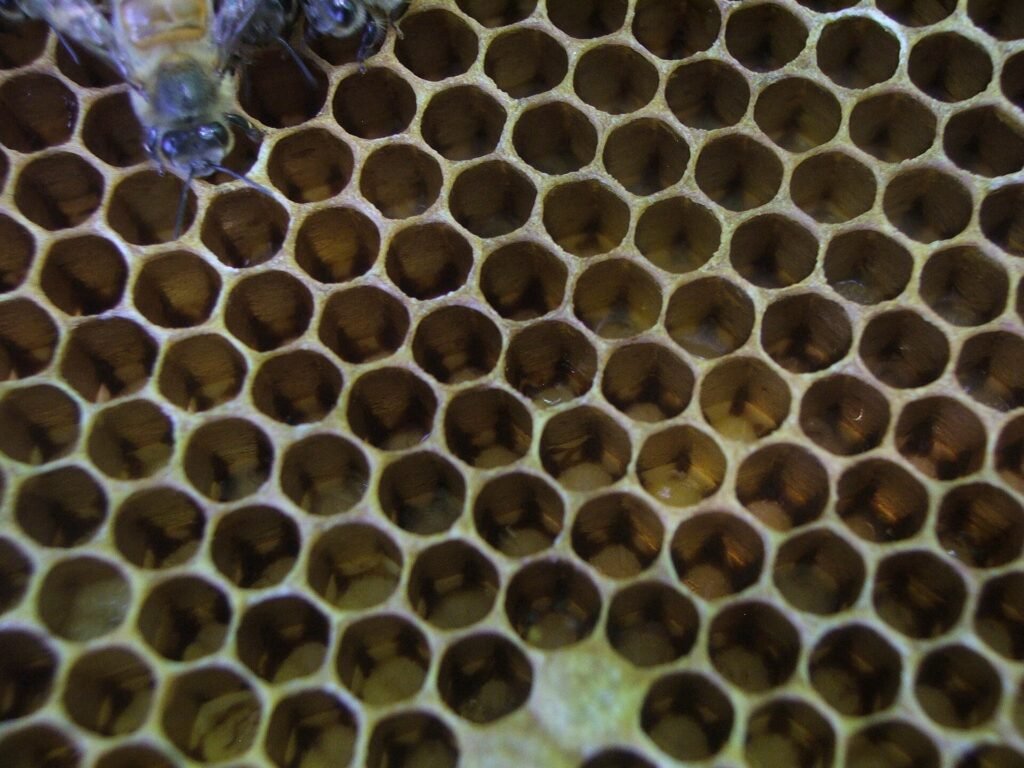
It happens when brood frames get moved up into supers, when the queen reaches the supers without an excluder, or when honey is extracted from the edges of the brood nest. The off-note is usually limited to those frames, and their honey is visibly darker. For how the risk rises with comb age, see whether old brood comb can contaminate honey, and for a schedule, when to rotate dark brood comb out of a hive. The simple fix is a marked set of frames used only for honey, with any ex-brood frames extracted separately or not at all.
Cause 3: Scorching During Uncapping or Wax Melting
Heat damage produces a cooked, caramelized or burnt-sugar taste rather than true smoke, but the two are easy to confuse. Heat is often the real cause when a beekeeper who used no smoke still ends up with a “smoky” batch. The USDA standard lists caramelized flavor as its own defect, separate from smoke.
The usual sources are an electric uncapping knife run too hot or left resting on wax, honey drained from a cappings melter or heated uncapping tank, and buckets warmed on direct heat to speed straining. Honey recovered from melted cappings is typically darker and cooked-tasting, so keep it out of your best jars. Cold uncapping avoids the problem; our comparison of cold knives, heated knives and uncapping planes covers the options, and how to avoid overheating honey during extraction covers safe warming.

Cause 4: A Naturally Dark, Woody Floral Source
Some honeys taste deep, woody or roasted straight from the comb. Buckwheat honey is the best-studied example: a University of Illinois study by Zhou, Wintersteen and Cadwallader (Journal of Agricultural and Food Chemistry, 2002) identified the aroma compounds behind its malty character, with 3-methylbutanal as the main contributor. To many tasters, that malty, molasses-like profile reads as smoky. Chestnut honey is bitter and woody, and mesquite is often marketed as smoky, though many tasters find it closer to buttery caramel.
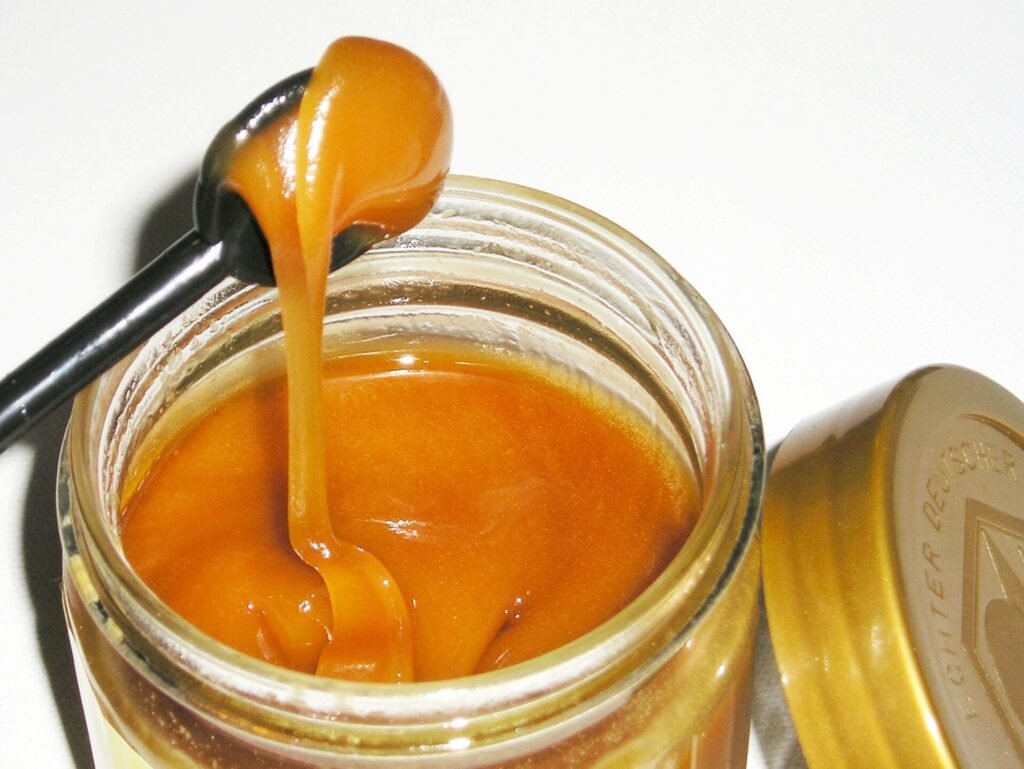
This matters in the Northern Plains in a specific way. Most honey from eastern North Dakota and the Red River Valley is light and mild, from sources such as sweet clover, alfalfa, canola and sunflower. North Dakota remained the top honey-producing state in 2025 at 30.8 million pounds from 460,000 colonies, according to the USDA NASS Honey report released March 13, 2026. Against that pale baseline, a smoky jar from a Red River Valley yard points to a process problem far more often than to the flowers. The main exception is buckwheat, which is grown in parts of North Dakota and Minnesota; if a neighbor planted it, check that first. Our buckwheat honey guide describes its profile.

How to Diagnose Your Honey Frame by Frame
Most beekeepers taste the finished bucket, which blends every cause together. Tasting before blending is what makes the cause visible. If you still have frames, or a record of which boxes went into which bucket, work through these steps:
- Taste cappings and deep-cell honey separately. Chew a scrap of capping wax, then taste honey drawn from deeper in the cell with a clean spoon. Smoker residue concentrates at the surface, so a note much stronger in the cappings points to smoke.
- Compare frames, not buckets. Taste frames from supers you smoked hard against frames from a super cleared with an escape board or blower.
- Check comb color. If the off frames are the dark, ex-brood ones and the pale frames taste clean, you have your answer.
- Look at your process. If every frame tastes clean in the comb but the finished honey does not, the problem happened afterward: heat, a tainted container, or cappings-melter honey blended in.
- Check the yard. If the note is consistent across frames and hives and the comb is clean, the flavor is probably floral. Note what was blooming when the honey was capped.
Write the result down. A simple honey tasting notes template makes batches easy to compare across seasons. Then apply the USDA test. The grade standard gives flavor and aroma 50 of its 100 points and judges it against the honey’s floral source:
“…free from caramelized flavor or objectionable flavor caused by fermentation, smoke, chemicals, or other causes with the exception of the predominant floral source.”
In plain terms: if the smoky note is normal for what the bees were working, it is character. If not, it is a defect that a Grade A jar should not have. Our explainer on USDA honey grading standards covers the full point system, and the USDA AMS extracted honey standards page hosts the official document.
What About Wildfire Smoke?
In eastern North Dakota this question comes up most summers. The North Dakota Department of Environmental Quality issued advisories for Canadian wildfire smoke in May 2025 and again in July 2026, and it tracks conditions on its wildfire air quality monitoring page.
The honest answer is that we could find no published research showing that regional wildfire smoke makes honey taste smoky. Smoke taint is well documented in wine grapes, where compounds such as guaiacol are absorbed through grape skins, but an equivalent pathway into nectar and capped honey has not been demonstrated. Smoke does affect colonies in other ways, which we cover in how wildfires affect honeybee foraging. If your honey tastes smoky after a hazy summer, run the frame-by-frame test before blaming the air.
Can You Fix Smoky Honey?
Not reliably. Straining removes soot flecks and wax, not dissolved flavor compounds, and heating to “drive it off” only adds a cooked taste. For a tainted batch:
- Use it where strong flavor helps: baking, barbecue glazes, marinades or a dark mead.
- Keep it out of your premium light honey, where it lowers the quality of the whole lot, and describe it honestly if you sell it.
- Feed it back only to your own colonies, if at all. Never feed honey of unknown origin to bees, because honey can carry American foulbrood spores.
For next season, the prevention list is short: clear supers with an escape board or blower, keep smoke cool and aimed at bees, keep honey frames separate from ex-brood comb, uncap cold, warm honey gently if at all, and store it in food-grade containers used only for honey. If a batch also tastes sour or fizzy, the problem may be fermentation instead; see how to identify fermented honey.
Frequently Asked Questions
Is smoky-tasting honey safe to eat?
A mild smoky note from the smoker or a dark floral source is a quality issue, not a known safety issue. Combustion does produce polycyclic aromatic hydrocarbons (PAHs), and a 2025 systematic review of PAHs in honey found most measured samples within international limits, with higher levels near urban and industrial areas. It did not assess beekeeper smokers specifically. Honey with visible soot or an acrid taste should not be sold.
Can you remove a smoky taste from honey?
Not reliably. Straining removes particles but not dissolved flavor, and heating adds a caramelized taste. Blending with milder honey dilutes the note but can drag down the whole batch. Use tainted honey for cooking and prevent the problem at the next harvest.
Does buckwheat honey taste smoky?
Many people describe it that way, but its signature note is malty and molasses-like, traced mainly to the compound 3-methylbutanal. Because that is the normal character of the floral source, USDA grading does not treat it as a smoke defect.
Can a few puffs of smoke during inspections affect the honey?
Rarely. A few puffs of cool smoke at the entrance or under the cover during a routine inspection is unlikely to be tasted. Taint comes from heavy smoking directly into honey supers at harvest, especially with hot or dense smoke.
Is comb honey more likely to taste smoky than extracted honey?
Yes. Smoke residue collects on the cappings, and comb honey buyers eat the cappings. That is why many comb honey producers clear those supers with escape boards and use little or no smoke on them.
Is smoked honey the same thing as smoky honey?
No. Smoked honey is a culinary product: finished honey deliberately cold-smoked over wood for barbecue and cocktails. Smoky honey in the beekeeping sense picked up a smoke or burnt note unintentionally, in the hive or during processing.
Can wildfire smoke make honey taste smoky?
There is no published evidence we could find that it does. Smoke taint from wildfires is well documented in wine grapes, but not in honey. The smoker, old comb and heat remain far more likely causes.
Sources
- USDA Agricultural Marketing Service. United States Standards for Grades of Extracted Honey, effective May 23, 1985.
- Zhou Q., Wintersteen C.L., Cadwallader K.R. (2002). Identification and quantification of aroma-active components that contribute to the distinct malty flavor of buckwheat honey. Journal of Agricultural and Food Chemistry 50(7): 2016–2021.
- USDA National Agricultural Statistics Service. Honey, released March 13, 2026.
- Li W., Hongsibsong S. (2025). Polycyclic Aromatic Hydrocarbons in Honey: A Systematic Review of Occurrence, Concentrations, and Health Risk Assessment. Journal of Xenobiotics 15(6): 179.
- North Dakota Department of Environmental Quality news releases on wildfire smoke, May 30, 2025 and July 24, 2026.
- Burlew, R. “Comb honey and smokers.” Honey Bee Suite, February 13, 2014.




_in_Westampton_Township,_Burlington_County,_New_Jersey.jpg)