Reviewed by Elena P. · How we review
Beekeepers understandably often ask whether aged brood wax genuinely threatens the purity of their eventual honey harvest. A growing body of recent research and updated industry guidance both consistently show that the condition of the honeycomb genuinely matters for hive health and product quality.
Beekeeping suppliers and extension resources alike stress that clean frames support genuinely thriving bee colonies. Over time, brood cells can trap pesticides, metals, and disease spores. This buildup can meaningfully affect developing larvae and overall colony performance, often in ways that aren’t obvious until productivity has already declined.
Good, deliberate hive management consistently calls for routine replacement or targeted removal of risky foundation. A range of practical options and formal treatment studies have been discussed at length by various beekeeping experts over the years; see a detailed case for clean comb in a practical review at the case for clean comb.
A range of field studies and academic theses together highlight consistently how accumulated residues in brood wax can genuinely influence both larval survival rates and overall colony disease risk. For methods and lab findings, consult the academic review at a university study. For practical cleaning and removal guidance, review a hands-on guide at cleaning plastic foundation.
Key Takeaways
- Wax condition matters more than many new beekeepers realize: gradual buildup in brood cells can genuinely harm developing bees and measurably affect final product quality.
- Routine, scheduled frame and foundation rotation steadily reduces both chemical residue and pathogen load within the hive over time.
- Most experts recommend replacing brood foundation on roughly a 3 to 5 year cycle whenever it’s practically feasible for the operation in question.
- Active, deliberate management of comb age has been shown to boost both overall colony productivity and individual worker lifespan.
- When genuinely in doubt about a frame’s condition, err on the side of removing or repurposing it to protect the health of the entire apiary.
Table of Contents
- Understanding Why Old Brood Comb Can Contaminate Honey
- The Biological and Chemical Impact of Aging Comb
- Best Practices for Replacing and Managing Hive Frames
- Final Thoughts on Maintaining a Healthy Apiary
Understanding Why Old Brood Comb Can Contaminate Honey
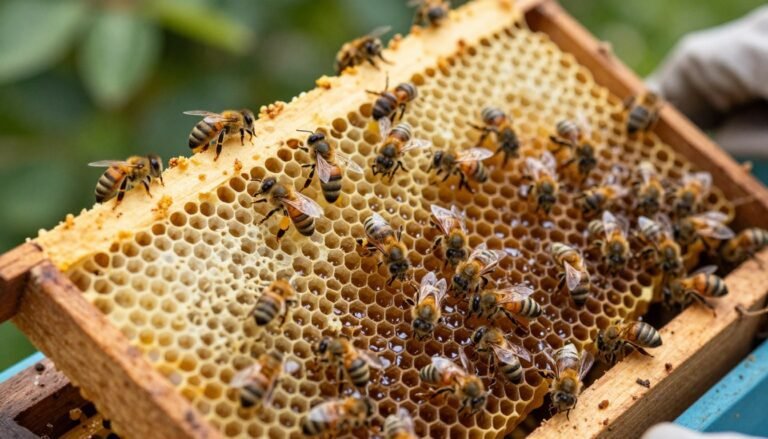
Residue buildup inside wax cells steadily alters the safety and function of frames in managed apiaries. Over the course of several seasons, trapped pollen, nectar residues, and general waste steadily darken the beeswax and measurably reduce cell efficiency for the next generation of brood raised in it.
Pathogens like American foulbrood spores survive for years in wax. These resilient spores lodge deep in cell crevices and, left unchecked, steadily raise disease risk for the entire colony over time, not just the individual cell. Dead-out equipment should be sealed and handled promptly, since both mice and wax moths readily colonize abandoned frames and can spread contamination to nearby healthy colonies in the same apiary.
The Role of Pathogens and Spores
Spore persistence over many years means that regular, deliberate replacement of frames is genuinely more than routine housekeeping – it’s an active disease-prevention measure in its own right. Freezing suspect wax for at least 24 hours reliably helps kill wax moth eggs and larvae before that foundation is considered safe to recycle back into the apiary.
Accumulation of Environmental Toxins
Wax behaves almost exactly like a sponge for pesticides and heavy metals, absorbing and holding onto residues from every source a colony is exposed to, including agricultural pesticide drift. Seeley (1978) observed that wild, unmanaged colonies naturally recycle their own comb roughly every six years on their own accord—a practice managed apiaries would do well to deliberately mirror in order to limit long-term residue accumulation.
“Wax genuinely absorbs residues over time, which is exactly why regular rotation of frames counts as an essential biosecurity step in any apiary.”
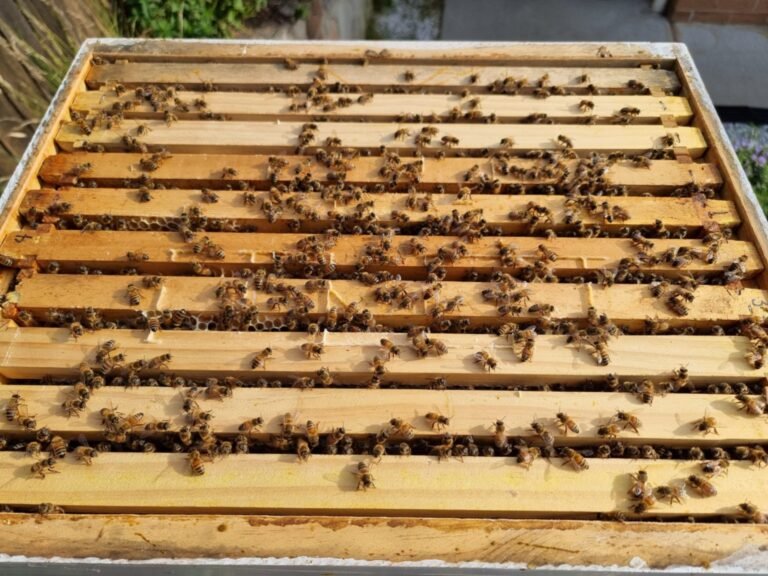
- Inspect the bottom board and lower frames closely for brittle, dark, or unusually heavy comb, since these are often the first noticeable signs of age.
- Use plastic or freshly drawn wax foundation to encourage clean, healthy comb construction, especially heading into or coming out of winter.
- Establish a frame rotation schedule and follow guidance for frame rotation and replacement.
- Refer to expert advice on when to discard frames after disease.
| Issue | Impact on Colony | Action |
|---|---|---|
| Spore buildup | Increased disease risk for developing larvae and mature adult bees alike | Remove and sanitize frames; consider freezing |
| Chemical residues | Reduced brood-rearing success and cumulative long-term toxicity risk to the colony | Rotate foundation every few years; use plastic where appropriate |
| Physical degradation | Increasingly brittle cells and steadily lower overall efficiency for the colony | Replace frames showing darkening or breakage |
Watch: why comb rotation matters for hive health
The Biological and Chemical Impact of Aging Comb
Aged, well-used wax gradually alters both the biology and underlying chemistry throughout the hive in ways that aren’t always immediately obvious to a casual observer. Over years, packed silk and residue reduce cell volume. That gradual shrinkage forces developing larvae into increasingly tighter cell space, which measurably affects their growth and eventual adult body size.
Research shows measurable effects. Taha et al. (2021) reported a striking difference: colonies working fresh, newly drawn comb stored up to 90% more honey and 67% more pollen compared to colonies still relying on worn, aged foundation. Abdellatif (1965) similarly found that worker bees reared in progressively shrunken cells emerged noticeably smaller and lived measurably shorter lives than bees raised in properly sized, fresh comb.
Wax acts like a sponge for fungal and bacterial spores. These pathogens lodge deep within the beeswax itself and steadily raise disease risk across the entire colony, not just the immediate cells where they first took hold. Removing and properly disposing of tainted frames directly reduces that ongoing pathogen reservoir, rather than just managing symptoms around the edges.
Practical upkeep matters. Replace compromised foundation on a consistent, predictable schedule rather than waiting for visible problems, and repair damaged boxes promptly when structural issues are noticed. For repair techniques, see a practical guide to repair damaged hive boxes.
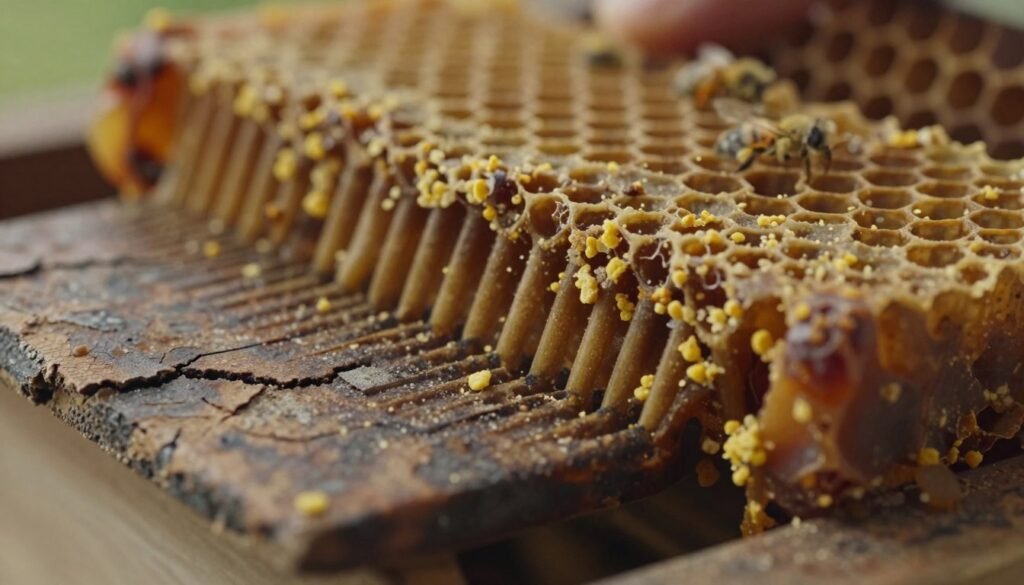
“By consistently replacing worn foundation on schedule, beekeepers limit accumulated residues and support noticeably stronger worker production overall.”
For lab and field evidence on residues and residues’ effects, review the relevant field study on residues.
Best Practices for Replacing and Managing Hive Frames
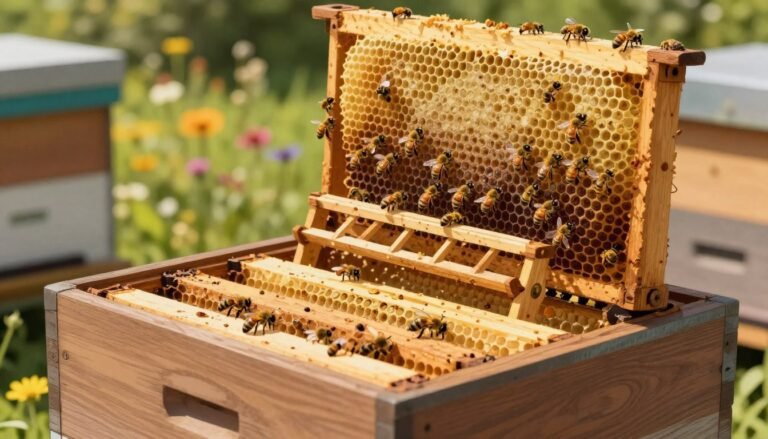
A steady, consistent rotation plan reliably keeps frames comparatively young and steadily reduces long-term residue buildup across the whole apiary. Marking each frame directly with the year it was placed into service makes it trivial to track age at a glance and actually enforce a rotation schedule year after year.
Establishing a Consistent Rotation Schedule
Replace roughly 20 to 30% of frames each year so that no single piece of foundation ever stays in the active brood nest longer than about 3 to 5 years total. Spring is generally the ideal time for this kind of rotation, since an actively expanding colony will draw out fresh foundation noticeably faster than one that’s static or contracting.
Identifying When to Discard Frames
Inspect carefully for progressive darkening, increasingly brittle cell walls, or any visible signs of disease during a routine hive check. If American foulbrood is even suspected, remove and burn the infected equipment immediately rather than attempting to salvage it, since this is the only reliable way to stop the spores from spreading further.
Techniques for Safe Comb Recycling
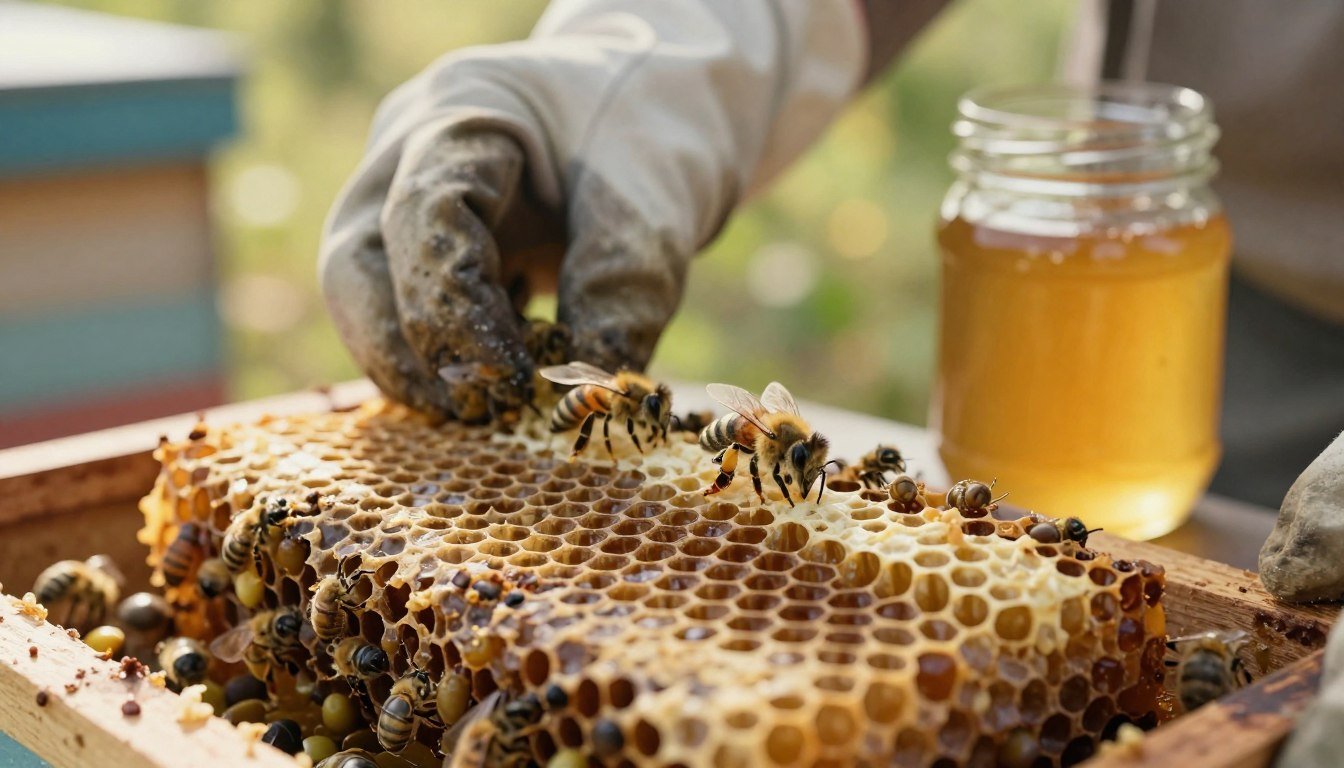
Render wax from removed frames using a solar wax melter, a simple and inexpensive way to create clean new foundation sheets right on the property without any special equipment. This approach reuses the underlying wax material productively while meaningfully reducing accumulated residues throughout the rest of the hive.
Watch: rendering wax and recycling old frames
- Tip: Keep a simple written rotation plan and consistently record the placement year directly on each frame.
- Tip: For detailed cleaning guidance, review the recommended best practices to clean a deadout.
- Tip: Follow the Blythewood guide on frame rotation and replacement.
“A strict, consistently followed rotation schedule keeps overall residues low and supports genuinely better brood rearing and stronger worker performance across the board.”
Final Thoughts on Maintaining a Healthy Apiary
Regular, consistent attention to foundation and frame condition remains, by most accounts, the simplest and most cost-effective way to safeguard overall hive health long-term. Replace worn comb and rotate frames over several years to cut residue and disease risk. Follow a clear frame rotation guide from the Blythewood frame rotation guide for timing and technique.
Prioritize spring and late-winter inspections specifically, so colonies receive fresh foundation exactly when they need it most, right as they begin expanding for the season ahead. Consistent hygiene and careful, deliberate beeswax management together support noticeably stronger bees, better-filled nectar stores, and measurably fewer pathogens circulating within the colony.
Simple, steady, incremental replacement is consistently better for the colony than sudden, large-scale swaps that disrupt too much of the brood nest at once. For practical tips on reusing or disposing of frames after losses, see guidance on reusing frames from a dead colony and on apiary hygiene at good apiary hygiene.
FAQ
Can old brood comb contaminate honey?
Yes. Old brood nest wax can genuinely harbor pathogens, pesticide residues, and accumulated pollen or propolis buildup, all of which may indirectly affect final honey quality if not properly managed. Regular frame rotation and inspecting for disease reduce risk and help keep honey clean.
What pathogens or spores are a concern in aged wax?
The main concerns center around bacterial spores like Paenibacillus larvae, the cause of American foulbrood, along with various fungal organisms, both of which can persist stubbornly in wax for many years without proper intervention. These agents survive in cells and can spread between colonies if infected frames stay in service.
Do environmental toxins build up in used wax?
Yes. Lipophilic pesticides, in-hive miticide residues, and broader airborne pollutants all tend to concentrate steadily in beeswax over the course of multiple seasons. Those residues can transfer into nectar or honey, so removing old foundation helps lower contaminant levels.
How often should beekeepers replace frames and foundation?
Many experienced beekeepers rotate brood frames roughly every 2 to 5 years, replacing drawn comb or foundation on a schedule deliberately balanced between maintaining colony productivity and managing residue accumulation. High-risk or visibly damaged frames should be retired sooner.
What are signs a frame should be discarded?
Discard frames showing heavy disease symptoms, pervasively dark or black comb, visible wax moth tunneling and galleries, excessive propolis buildup, or any noticeably strong chemical odor. These signs indicate structural decline or contamination.
Can frames be safely recycled or rendered for wax?
Yes. Rendering beeswax carefully at proper, controlled temperatures and thoroughly filtering the result removes most physical debris and impurities. However, some residues resist simple melting, so use recycled wax mainly for foundation rather than directly in food-contact equipment unless tested.
How does replacing comb affect brood rearing and colony health?
Replacing very old, degraded cells genuinely improves brood hygiene and steadily reduces overall pathogen load, often leading directly to healthier, more successful brood rearing across the whole colony. Introducing clean foundation encourages uniform cell sizes and can boost colony vigor.
Should beekeepers use plastic foundation or natural beeswax?
Both have pros and cons. Plastic foundation generally resists residue buildup better and tends to be more physically durable, while natural beeswax foundation provides better bee acceptance and carries natural pheromone cues bees respond to instinctively. Many apiarists use a mix: plastic for long-term frames, wax foundation for honey supers.
What techniques reduce risk when moving or reusing frames between hives?
Quarantining unfamiliar frames before use, heat-treating or freezing suspicious comb before reintroducing it, and simply avoiding any movement of equipment from known diseased colonies are all genuinely effective precautions. Always inspect for early disease signs and follow local apiary regulations.
Can routine hive management prevent contamination of food-grade gear?
Absolutely. Regular, consistent inspections, a genuinely scheduled frame rotation, careful ongoing mite and pest control, and hygienic honey extraction practices all together keep both equipment and the final harvest safe for human consumption.