Reviewed by Thomas B. · Last Updated September 23, 2026 · How we review
Honey ferments after bottling when it contains enough water for the wild, sugar-tolerant yeasts that are naturally present in honey to grow. The National Honey Board states that fermentation will not occur in honey with less than 17.1% moisture, honey stored below 52°F (11°C), or honey that has been heat-treated. So a jar that ferments almost always went in too wet, picked up water later, or had water concentrated into part of it as it crystallized — and was then kept warm enough for the yeasts to grow.
Key Takeaways
- The cause is osmophilic (sugar-tolerant) yeasts. They come in with nectar and bees, so the question is never whether yeast is present, but whether there’s enough water for it to grow.
- Below 17.1% moisture, honey will not ferment. US Grade A extracted honey can contain up to 18.6% moisture, and the risk rises steeply toward 20%.
- Crystallization is a hidden cause: as glucose crystallizes, the leftover liquid is wetter than the original honey.
- Oozing lids, foam that keeps building, and a sour or alcoholic smell weeks after bottling point to fermentation. Foam that appears within a day or two usually doesn’t.
- Cool basement storage stops yeast growth, but it also speeds up crystallization. Fast-granulating northern honeys like canola need to be bottled dry.
Table of Contents
The Root Cause: Water Plus Yeast
All raw honey contains some yeast. At normal moisture levels, honey is so concentrated that these yeasts can’t grow. When there is more water, they start turning sugars into alcohol and carbon dioxide, and the honey foams, pushes up its lid and turns sour. The National Honey Board’s technical reference, Honey: A Reference Guide to Nature’s Sweetener, lists four conditions under which honey will not ferment: carbohydrate content above 83%, moisture below 17.1%, storage below 52°F (11°C), or heat treatment.
The 17.1% figure goes back to A. G. Lochhead’s research on honey fermentation in the 1930s. He found that between about 17% and 20% moisture, whether honey ferments depends on how many yeasts it contains, and that above 20% it is always at risk.
| Moisture content | Fermentation risk | Notes |
|---|---|---|
| Below 17.1% | Very low | Will not ferment, according to the National Honey Board |
| 17.1–18.6% | Low to moderate | Within the USDA Grade A limit; safe if yeast counts are low and storage is sensible |
| 18.7–20% | High | Fails USDA Grades A and B; likely to ferment in warm storage |
| Above 20% | Very high | Fails the lowest USDA grade; expect fermentation |
The grade limits come from the United States Standards for Grades of Extracted Honey, which set a minimum of 81.4% soluble solids (about 18.6% moisture) for Grades A and B, and 80% for Grade C. Measure with a calibrated refractometer — see how to test honey moisture with a refractometer.

Six Ways Bottled Honey Ends Up Too Wet
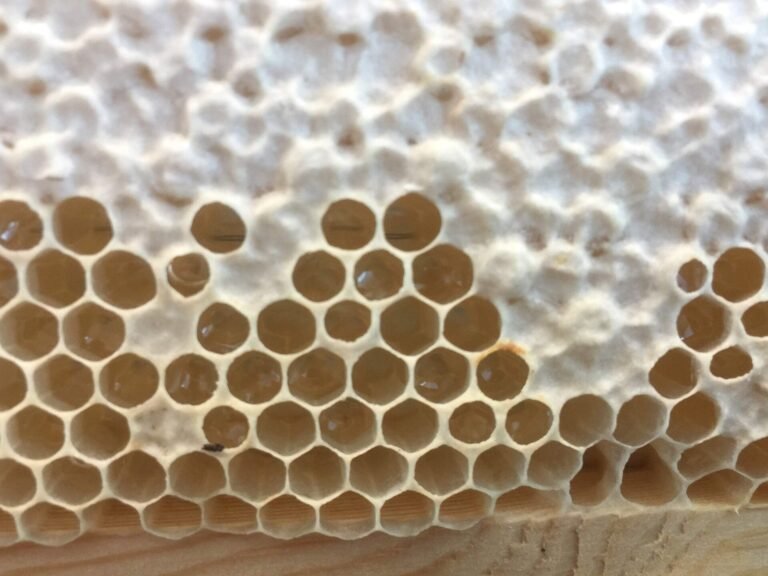
- Uncapped frames went into the extractor. Nectar that bees haven’t finished drying can be well above 20% water. A few uncapped frames can push a whole batch over the line.
- Capped honey was still wet. During a heavy flow in humid weather, bees sometimes cap honey that’s still above 18%. Capping is a good sign, not a guarantee. See why capped honey can still have high moisture.
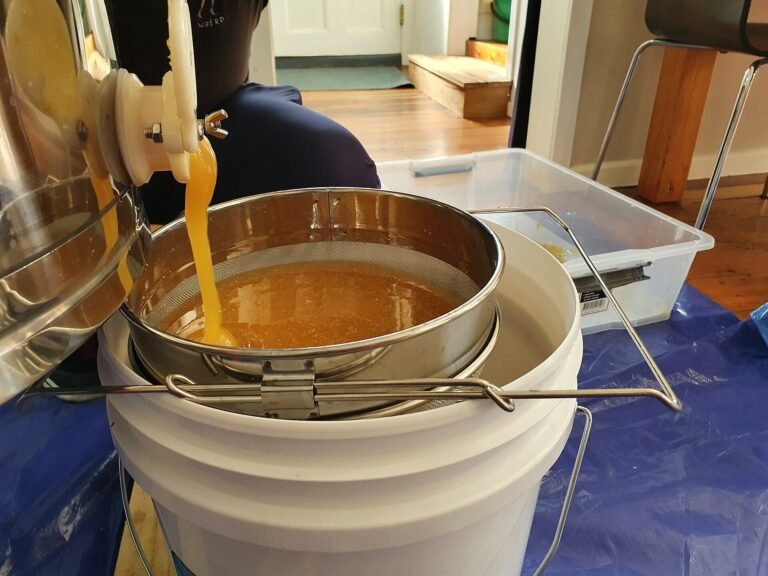
- Honey absorbed water during processing. Honey is hygroscopic. Supers left overnight in a humid garage, a damp extracting room, or a rinsed bucket that wasn’t fully dry can all add water. See how to keep honey from absorbing moisture.
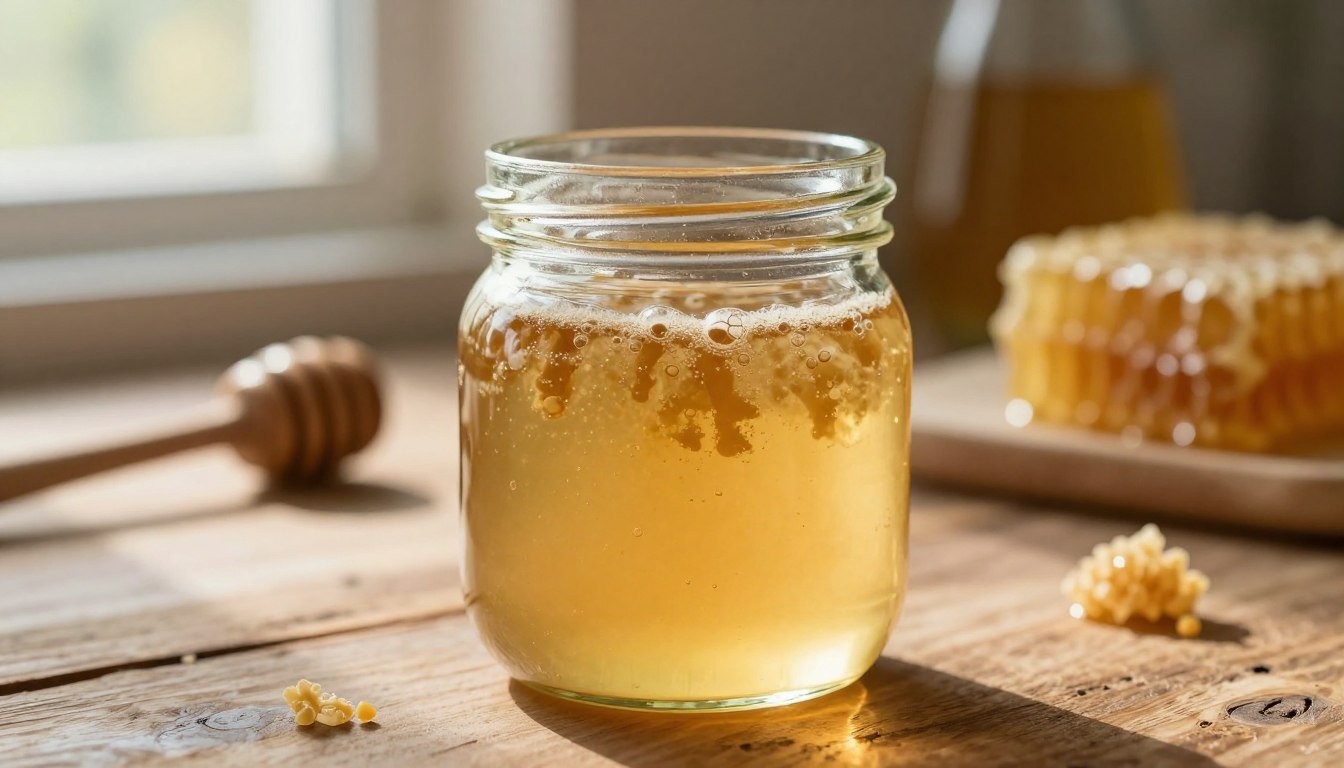
- Crystallization concentrated the water. As glucose crystallizes out, the remaining liquid holds the same water with less sugar. Honey that was bottled at a borderline reading can end up with a liquid layer wet enough to ferment. HoneyBeeSuite describes exactly this crystallize-then-ferment pattern, and our guide to why honey separates in the jar shows what the layers look like.
- Loose or repeatedly opened lids. A lid that doesn’t seal, or a wet spoon, lets a thin surface layer absorb water — and fermentation often starts at the surface.
- Warm storage. Borderline honey on a warm shelf gives yeasts both the water and the temperature they need.

Diagnose Your Jar by Symptom and Timing
Not every change after bottling means fermentation. Timing is the best clue.
| What you see | When | Most likely cause |
|---|---|---|
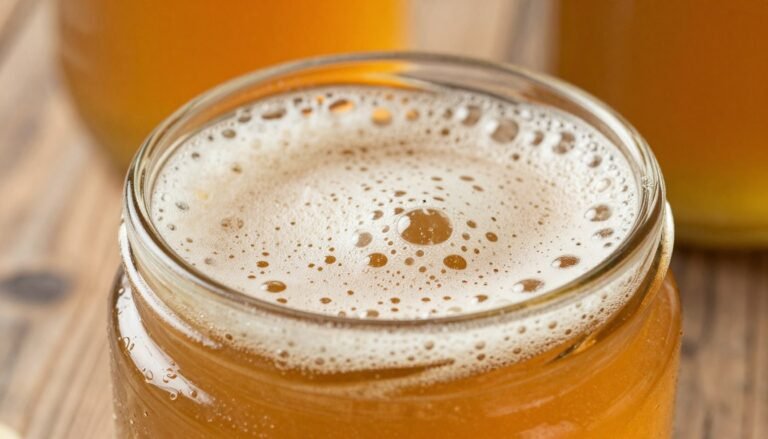
| White foam or froth on top | Within a day or two | Air bubbles and fine wax rising after bottling — not fermentation. See foam on honey after bottling. |
| Honey turns solid or grainy, no smell | Days to months | Normal crystallization. See granulation vs fermentation. |
| Clear liquid layer over crystals, then fizzing or a sour smell | Weeks to months | Crystallization-driven fermentation. |
| Lid domed, honey oozing out, foam that keeps growing | Weeks after bottling | Active fermentation; the batch was too wet or picked up water. |
| Alcohol or yeasty smell, thinner texture | Any time | Fermentation; check the rest of the batch. |
For more ways to confirm, see how to identify fermented honey.

Northern Plains Notes
North Dakota and western Minnesota produce a lot of honey from canola, sweet clover, alfalfa and sunflower. Canola honey in particular can granulate within days to weeks, and fast-granulating honey is the type most likely to crystallize and then ferment if it is bottled on the wet side. Two local habits make this worse:
- Basement storage. The National Honey Board recommends storing honey at 64–75°F and notes that temperatures between 35°F and 60°F speed up crystallization. A cool basement keeps yeasts inactive, but it also speeds granulation. Once the jars move upstairs, the wetter liquid layer is ready to ferment.
- Late-season extraction. Supers pulled during a humid spell in late August, or left in a garage overnight before extraction, can gain moisture. Take refractometer readings from the finished batch in the bucket, not just from a few frames in the yard.
For fast-granulating honey, aim to bottle at or below about 17.5% and consider selling it as creamed honey. For why some floral sources set so quickly, see why some honeys crystallize faster than others.
What to Do With a Fermenting Batch
First, check the moisture of the rest of the batch and move all jars somewhere cool to slow yeast growth. Lightly affected honey is usually heated to stop the yeasts and used for baking, cooking or mead rather than sold as table honey. The National Honey Board lists heat treatments that prevent fermentation, including 140°F (60°C) for 30 minutes or 160°F (71°C) for one minute, and warns that too much heat damages honey. Our guide on whether fermented honey can be saved covers the options. Before your next harvest, run through the fermentation risk checklist before bottling.
Frequently Asked Questions
Why is my honey leaking out of the jar?
If honey is oozing past the lid weeks after bottling, especially with foam and a sour smell, carbon dioxide from fermentation is pushing it out. Honey that was simply overfilled or warm may seep a little, but it won’t keep foaming.
Can capped honey still ferment after bottling?
Yes. Bees sometimes cap honey above 18% moisture during humid flows, and extracted honey can absorb water afterwards. Always check the finished batch with a refractometer.
Does refrigerating honey stop fermentation?
Cold slows it down: the National Honey Board says honey stored below 52°F won’t ferment. But cool temperatures speed crystallization, which can make the problem worse once the jar warms up again.
What moisture level should honey be bottled at?
No higher than 18.6% to meet USDA Grade A, and ideally lower. Honey below 17.1% moisture will not ferment, so fast-crystallizing honey or honey you plan to store long-term should be bottled as dry as possible.
Is fermented honey safe to eat?
Lightly fermented honey is usually heated and used for cooking, baking or mead rather than eaten from the jar, and it should not be sold as table honey. Discard any batch with mold or a strongly off smell.