Last Updated October 2, 2026
Every beekeeper in California must register their bees with the state — this isn’t optional, and it isn’t just for commercial operations. Whether you keep a single hive in a backyard in Fresno or run forty colonies for pollination contracts in the Central Valley, California Food and Agricultural Code Section 29040 requires you to register with your county agricultural commissioner. On top of that state-level requirement, your city or county almost certainly has its own rules on setbacks, hive counts, and water sources that can matter just as much as the state law itself.
This guide walks through exactly what California requires at the state level, how the BeeWhere registration system actually works, and what changes once you look at specific cities like Los Angeles, San Diego, San Francisco, and Sacramento — because in California, local ordinances often do more to shape whether you can legally keep bees than state law does.
Disclaimer: This guide is for educational purposes only and is not legal advice. Beekeeping regulations change over time — always confirm current requirements directly with your local or national agricultural authority before acting.
Key Takeaways
- California requires all beekeepers to register annually through BeeWhere under Food and Agricultural Code Section 29040, regardless of colony count or whether you sell honey.
- Registration fees are tiered: $10 for 1–9 colonies, $100 for 10–50, and $250 for 51 or more (confirmed directly on the official BeeWhere portal) — though some counties waive fees for small hobbyists.
- State law does not ban backyard beekeeping, but city and county ordinances set the real rules on setbacks, hive limits, and lot size.
- Hive locations must be kept current: under CDFA’s 2026 rules you update locations within 72 hours of moving hives, and moving colonies into a county where you are not yet registered requires notifying that county’s agricultural commissioner within 72 hours (Food and Agricultural Code Section 29070).
- Los Angeles legalized residential beekeeping in 2015 after a four-year campaign by the nonprofit HoneyLove; San Diego did so in 2012. Rules vary sharply by city.

Table of Contents
- Does California Require Beekeepers to Register?
- How BeeWhere Registration Actually Works
- BeeWhere Fees and Deadlines
- Why City and County Rules Matter More Than State Law
- California City Rules at a Glance
- Los Angeles County Beekeeping Rules
- San Diego Beekeeping Rules
- San Francisco Beekeeping Rules
- Sacramento Beekeeping Rules
- Common Patterns Across California Cities
- Moving Hives Between California Counties
- Selling Honey Legally in California
- What Happens If You Don’t Register or Follow Local Rules
- Frequently Asked Questions
Does California Require Beekeepers to Register?
Yes, and there’s no exemption based on how many colonies you have, whether the bees are on agricultural land or in a suburban backyard, or whether you ever plan to sell a jar of honey. Under California Food and Agricultural Code Section 29040, every person who owns or possesses an apiary in the state must register the number of colonies and the physical location of each apiary with the agricultural commissioner of the county where the bees are kept.
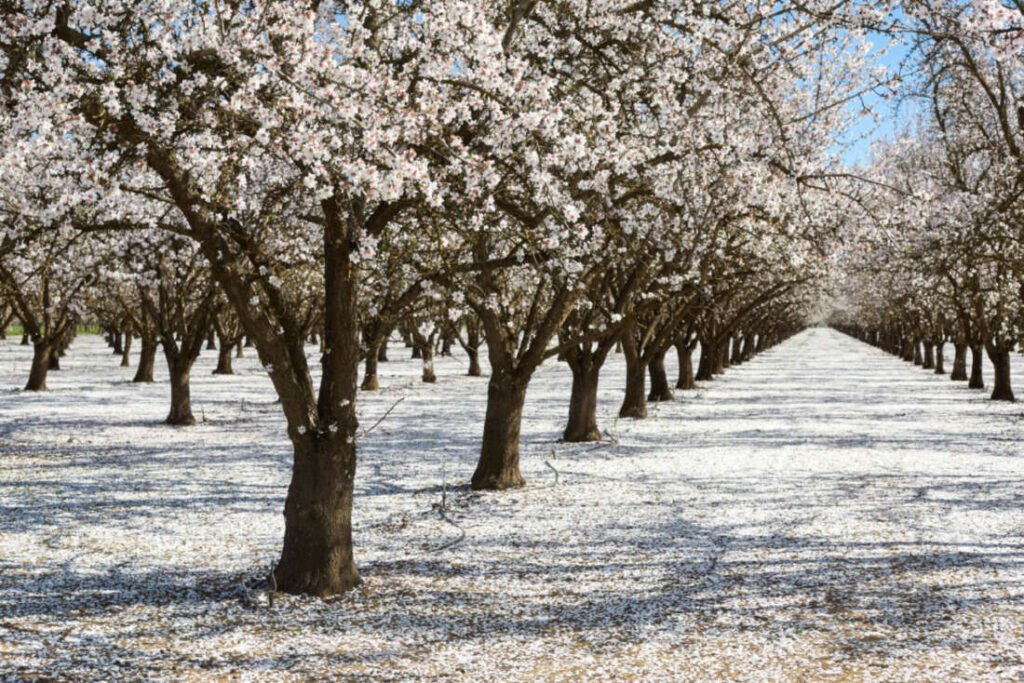
This requirement exists mainly for disease and pest tracking — California’s agricultural commissioners use registration data to manage outbreaks of American foulbrood, track Africanized honey bee reports, and coordinate pesticide-application notices with commercial beekeepers whose hives sit near almond orchards and other treated crops, an industry that draws roughly 1.8 million colonies into the state each pollination season. It isn’t designed to make hobbyist beekeeping difficult, but skipping it is still a violation of state law.
How BeeWhere Registration Actually Works
California handles apiary registration through BeeWhere, the California Department of Food and Agriculture’s (CDFA) online registration platform. The process is more straightforward than most beekeepers expect:
- Create an account using your full legal name, mailing address, and contact information — no beekeeping certificate or experience requirement applies.
- Plot each apiary location on the built-in map tool, entering the physical address (or GPS coordinates for remote sites) of every place you keep hives.
- Enter your colony count at each location. This number doesn’t need to be exact to the hive, but it should reflect your actual maximum for the year.
- Pay any applicable fee, based on the tier your colony count falls into (see the next section).
- Renew annually, ideally before January 1, or within 30 days of first acquiring bees if you’re registering mid-year.
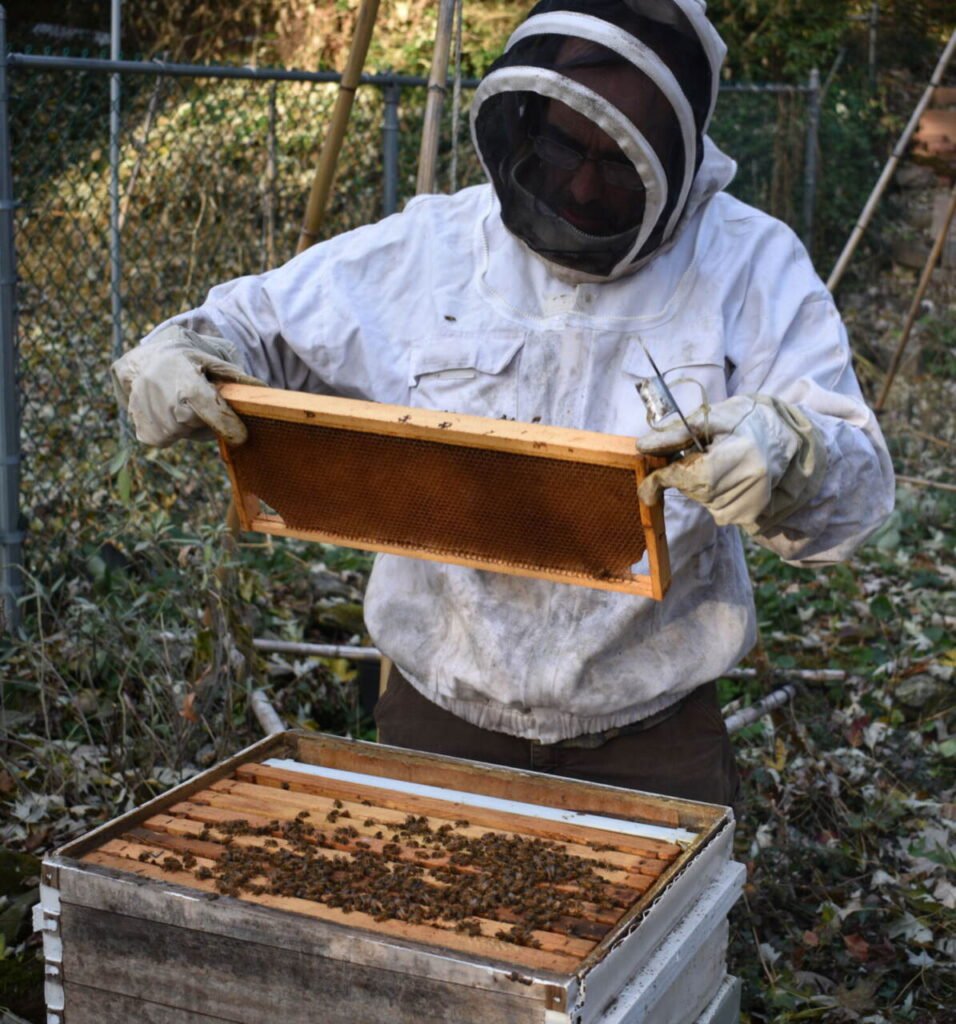
Most first-time users finish the process in about 15–20 minutes. Once registered, California law also requires every hive to display a sign with the owner’s name, address, and phone number — a rule that surprises a lot of new backyard beekeepers who assume registration is purely a paperwork exercise with no physical component.
BeeWhere Fees and Deadlines
BeeWhere uses a tiered fee structure based on your maximum colony count for the year, confirmed directly on the official BeeWhere portal:
- 1–9 colonies: $10
- 10–50 colonies: $100
- 51 or more colonies: $250
These fees took effect with the 2026 registration year (the BeeWhere portal opened for it on November 3, 2025). Fees are assessed in arrears, meaning your registration fee is based on your colony count for the previous calendar year, and you pay once per year even if your hives sit in several counties (you still register the locations in each county). Registration and fees are due January 1; CDFA’s 2026 registration flyer says fees become late on February 1, when a penalty of one-half the amount due is added, and unpaid accounts risk exclusion from the BeeCheck pesticide-notification program by February 28. A meaningful number of California counties — San Diego and Alameda among them — have opted to waive the fee entirely for hobbyist beekeepers who register fewer than 10 colonies, so it’s worth checking your specific county agricultural commissioner’s page before assuming you owe anything.
Why City and County Rules Matter More Than State Law
State registration is the same no matter where you live in California. What actually determines whether you can legally keep two hives in your backyard, though, is almost entirely a matter of local ordinance. Cities and counties across California set their own rules on minimum lot size, maximum hive count, setback distances from property lines and neighboring structures, water source requirements, and flyover barrier fencing — and these rules vary far more than most new beekeepers expect.
Before buying equipment or ordering a nuc, it’s worth checking your specific city’s municipal code or your county’s agricultural commissioner page, because a setup that’s perfectly legal in one California city can violate the ordinance one county over.
California City Rules at a Glance
| City | Year Legalized/Amended | Small Setup Setback | Larger Setup Threshold |
|---|---|---|---|
| Los Angeles (city) | 2015 | 5 ft from lot lines, 20 ft from public right-of-way, plus a 6-ft flyover barrier (or hives 8 ft above the neighbor’s grade) | 1 hive per 2,500 sq ft of lot area (single-family zones) |
| San Diego (city) | 2012 | 15 ft from property line, 20 ft from public right-of-way for 1–2 hives | 3+ hives: 600 ft from a residence, 100 ft from right-of-way |
| San Francisco | Registration required w/ city + state | General nuisance provisions govern in practice | ~4 hives per property in most sources |
| Sacramento | Registration via county, not separate city portal | Water source + flyover barrier near property lines | No separate city hive cap identified |
Los Angeles County Beekeeping Rules
Unincorporated Los Angeles County follows its own zoning rules, separate from the city’s ordinance, so check with the county if you live outside city limits. Within the city of Los Angeles itself, the backyard beekeeping ordinance allows one hive for every 2,500 square feet of lot area on single-family residential lots. Hives must sit at least 5 feet from the front, side and rear lot lines and 20 feet from a public right-of-way or private street, with a 6-foot wall, fence or hedge between the hives and neighboring lots (or the hives raised at least 8 feet above the neighbor’s ground level) so bees leave the yard above head height. The Los Angeles City Council unanimously legalized residential beekeeping in 2015, following a four-year public campaign led by the local nonprofit HoneyLove; enforcement tends to be complaint-driven rather than proactive, but that doesn’t make the underlying rules optional.
San Diego Beekeeping Rules
The city of San Diego amended its municipal code in 2012 to formally allow beekeeping on single-family residential lots, community gardens, and retail farms. For one or two hives, the required setback is 15 feet from a property line and 20 feet from a public right-of-way, whichever is greater, with hives either screened by a 6-foot barrier or elevated at least 8 feet and kept out of view from the public right-of-way. If you want to keep three or more hives, the bar rises sharply: a 100-foot setback from any public right-of-way and 600 feet from a neighboring residential building, which in practice limits larger apiaries to rural or agriculturally zoned parcels. San Diego County’s Apiary Program also participates in the statewide fee waiver for small hobbyist registrations.
San Francisco Beekeeping Rules
San Francisco permits beekeeping on both residential and commercial properties and requires registration with the city’s Department of Agriculture in addition to the state-level BeeWhere registration. In practice, most sources describe a limit of around four hives per property, though the city leans more heavily on general nuisance provisions — meaning a hive count that would be fine on paper can still draw code enforcement attention if it generates repeated stinging complaints or aggressive-bee reports from neighbors.
Sacramento Beekeeping Rules
Beekeeping is permitted under Sacramento’s city code, with registration required through the county agricultural commissioner rather than a separate city portal. Sacramento’s ordinance places particular emphasis on two practical requirements: a reliable water source for the colony (to reduce the odds bees will bother a neighbor’s pool or pet bowl instead) and a flyover barrier where hives sit close to a property line, pushing foraging bees up and over rather than straight across at head height.
Common Patterns Across California Cities
Read enough California municipal codes back to back and a few patterns repeat almost everywhere, even though the exact numbers differ:
- Setbacks scale with hive count. One or two hives are usually treated leniently; adding a third or more often triggers much larger setback requirements.
- Water source requirements are common. Cities want bees drinking from a dish or fountain on your property, not your neighbor’s birdbath or pool.
- Flyover barriers substitute for distance. A fence, hedge, or wall at least 6 feet tall placed directly in a bee’s flight path often lets you keep hives closer to a property line than the base setback would otherwise allow.
- Registration is layered. Expect to register with the state through BeeWhere and, in several cities, with a separate municipal or county agricultural department on top of that.
If you’re just getting started and want the fundamentals before layering on California-specific rules, our complete beginner’s guide to starting beekeeping and our broader look at U.S. beekeeping regulations by state are both good starting points.
Moving Hives Between California Counties
California treats moving bees as its own reportable event, separate from paying your annual BeeWhere fee. Under Food and Agricultural Code Section 29070, if you move colonies into a county where you are not already registered for the current year, whether permanently or temporarily for pollination work, you must notify that county’s agricultural commissioner within 72 hours of first moving bees in. Moves within a county also have to be reported to the commissioner, and BeeWhere’s 2026 update asks every beekeeper to update hive locations within 72 hours of relocation. Registration is required in each county where you keep bees. The point is pest and disease tracking: county inspectors and pesticide applicators rely on accurate locations, so migratory and pollination-contract beekeepers should update BeeWhere every time a load of hives moves.
Selling Honey Legally in California
Registering your bees and selling your honey are two separate legal questions. California’s cottage food laws allow home producers to sell certain low-risk foods, including honey, directly to consumers without a full commercial kitchen license, but you’ll still need to follow labeling requirements (net weight, producer name and address, and any required allergen or processing statements) and, in many counties, a separate cottage food permit or health department registration. If you’re planning to sell beyond a casual honor-system stand, our guide to starting a honey business in the United States covers the labeling and permitting side in more depth, and pairing that with your county’s specific cottage food rules will keep you compliant on both fronts.
What Happens If You Don’t Register or Follow Local Rules
Failing to register with BeeWhere is a violation of state agricultural code, and county agricultural commissioners do have enforcement authority, though in practice most counties lead with a notice and an opportunity to comply rather than an immediate citation for a first-time hobbyist. Local ordinance violations tend to play out differently: they’re usually complaint-driven, meaning a hive that quietly sits within a backyard rarely draws attention, but a neighbor complaint about stings, swarming, or a hive placed too close to a shared fence line can trigger a code enforcement visit, and repeated or unresolved violations can lead to fines or an order to relocate or remove the hive. Registering properly and following your city’s setback and water-source rules from day one is by far the simplest way to avoid ever having that conversation with a code enforcement officer.
Frequently Asked Questions
Do I need to register just one backyard beehive in California?
Yes. California Food and Agricultural Code Section 29040 applies to every apiary in the state regardless of size, so a single backyard hive still requires BeeWhere registration with your county agricultural commissioner.
How much does it cost to register bees in California?
BeeWhere fees run $10 for 1–9 colonies, $100 for 10–50 colonies, and $250 for 51 or more, though several counties, including San Diego and Alameda, waive the fee for hobbyists under 10 colonies.
Can my city ban beekeeping even though state law allows it?
State law does not prohibit backyard beekeeping, but it also doesn’t guarantee a right to keep bees everywhere. Cities and counties set their own zoning and nuisance ordinances, and in areas zoned in ways that don’t accommodate livestock or apiaries, local rules can effectively restrict or ban hives even though nothing in state law does.
Do I need a permit to sell honey from my California hives?
You don’t need a separate permit to register your bees and sell honey, but selling honey commercially typically falls under California’s cottage food regulations, which require proper labeling and, in many counties, a cottage food permit or health department registration separate from your BeeWhere apiary registration.
What happens if I move my hives to a different California county?
If you are not already registered in the county you are moving into, Food and Agricultural Code Section 29070 requires you to notify that county’s agricultural commissioner within 72 hours of first moving bees in. BeeWhere also asks you to update hive locations within 72 hours of any move.
What’s the setback for a couple of backyard hives in San Diego?
15 feet from the property line and 20 feet from the public right-of-way, whichever is greater, for one or two hives — jumping to 100 feet from the right-of-way and 600 feet from a neighboring residence once you go to three or more hives.