Last Updated September 15, 2026
Louisiana runs a dual-track permit system most states don’t have: Class A permits for Louisiana-domiciled beekeepers, priced as low as $0 for a small operation, and Class B permits for out-of-state beekeepers, priced roughly four times higher at every colony tier. An out-of-state beekeeper isn’t locked out of Class A pricing forever, either — three consecutive years of registered, inspected, disease-free operation in Louisiana earns eligibility for a Class A permit regardless of legal residency. Louisiana’s beekeeping law, administered by the Department of Agriculture and Forestry (LDAF), also funds a genuinely distinctive high-school apprenticeship program that’s introduced beekeeping to well over a hundred students statewide.
This guide covers Louisiana’s annual registration and permit requirements under RS 3:2305, exactly how the Class A/Class B fee structure works, the path a non-resident beekeeper has to Class A eligibility, LDAF’s high-school beekeeping apprenticeship program, and how the state has shaped local ordinances through a model beekeeping code. Louisiana’s subtropical climate and long growing season also make it a genuinely active destination for migratory and seasonal beekeeping operations moving colonies in from other states, which is part of why the Class A/Class B distinction — and the specific pathway non-residents have toward the lower fee tier — carries real practical weight here in a way it wouldn’t in a state with a more purely local beekeeping community. See our migratory beekeeping guide for the broader logistics of operating across state lines.
Disclaimer: This guide is for educational purposes only and is not legal advice. Beekeeping regulations change over time — always confirm current requirements directly with your local or national agricultural authority before acting.
Key Takeaways
- Every Louisiana beekeeper must register every colony and apiary with LDAF by October 1 each year, or before bringing any bees or equipment into the state, whichever comes first.
- Class A permits (for Louisiana-domiciled beekeepers) are free for 1-10 colonies and scale up to $50 for 501 or more; Class B permits (for non-residents) start at $16 and scale up to $200 at the same colony tiers.
- A non-resident beekeeper can qualify for Class A pricing without moving to Louisiana by maintaining three consecutive years of registered operation, passing inspection, and demonstrating disease control ability.
- Registered permits can be transferred to a new owner without a new registration fee, under specific conditions tied to the permit class.
- LDAF partners with high school agriculture programs on a beekeeping apprenticeship project, providing up to $10,000 in resources per program to establish school apiaries.
Table of Contents
- Annual Registration Requirements
- Class A vs. Class B Permits and Fees
- How a Non-Resident Can Qualify for Class A
- Permit Transfers
- Disease Inspection
- The Beekeeping Apprenticeship Program
- Louisiana’s Model Beekeeping Ordinance
- Louisiana Permit Fee Schedule: Class A vs. Class B
- Frequently Asked Questions
Annual Registration Requirements
Under Louisiana Revised Statutes 3:2305, every beekeeper must register every colony and apiary in their possession or under their control with the commissioner of agriculture on or before October 1 of each year, or before bringing any honeybees or beekeeping equipment into the state, whichever happens first. The registration must specify the number and location of colonies at each apiary site, plus any other information LDAF requires. A colony or apiary acquired after October 1 in a given calendar year, but not yet registered, must still be registered right away — but one acquired after December 31 doesn’t need registering until the following October 1, unless the beekeeper doesn’t already hold a current permit. Failing or refusing to comply with the registration requirement is itself a violation of Louisiana’s apiary law.
Class A vs. Class B Permits and Fees
Louisiana’s registration fee is set by permit class and colony count. Class A permits — available to beekeepers domiciled in Louisiana — cost $0 for 1-10 colonies, $4.00 for 11-25, $10.00 for 26-100, $20.00 for 101-300, $30.00 for 301-500, and $50.00 for 501 or more colonies. Class B permits, for everyone else, run substantially higher at every tier: $16.00 for 1-10 colonies, $16.00 for 11-25, $40.00 for 26-100, $80.00 for 101-300, $120.00 for 301-500, and $200.00 for 501 or more. “Domicile,” under the statute, means the applicant’s fixed, permanent, and principal home for legal purposes — a firm or corporation only counts as domiciled in Louisiana if its principal owner is personally domiciled there too, closing an obvious loophole a business entity might otherwise use to claim Class A pricing without a genuine Louisiana connection. The fee structure itself is progressive rather than flat, meaning a hobbyist with only a handful of hives pays a genuinely minimal amount at either permit class, while the higher tiers scale up specifically for larger commercial operations — a structure that keeps the barrier to entry low for someone just starting out while still generating meaningful registration revenue from the state’s largest apiary businesses.
How a Non-Resident Can Qualify for Class A
Louisiana residency isn’t the only route to a Class A permit. Under RS 3:2305(C)(2), an applicant who has conducted beekeeping operations in Louisiana and maintained registration with the commissioner for three consecutive years, undergone the required inspections, and demonstrated an ability to control diseases and pests the state entomologist considers detrimental to the state’s apiary industry, becomes eligible for Class A status regardless of where they’re legally domiciled. In practice, this gives a genuinely committed out-of-state or migratory beekeeper operating in Louisiana a real, statutorily defined path to the lower fee tier over time, rather than facing Class B pricing indefinitely simply because their legal home is elsewhere.
Permit Transfers
If a colony or apiary changes hands from a registered beekeeper to another person, the permit can transfer without triggering a new registration fee — but the specific rule depends on permit class. A Class A permit transfers cleanly if the new owner independently qualifies for Class A status on their own merits (domicile or the three-year track record described above). A Class B permit is also transferable, but the receiving beekeeper’s operation is treated as an entirely new operation for purposes of any future Class A eligibility determination — meaning a transferred Class B permit doesn’t carry forward any prior operator’s track record toward the new owner’s own path to Class A.
Disease Inspection
LDAF’s apiary programs, administered through the Horticulture and Quarantine division, include hive registration, surveys, inspections, and sampling and control of honey bee pests, working under the authority set out in Title 3 of the Louisiana Revised Statutes and Title 7 of the Louisiana Administrative Code. Registered beekeepers can request an apiary inspection directly from LDAF, and the department also maintains a public list of registered Louisiana beekeepers as part of its broader apiary program transparency, alongside partnership resources from the LSU AgCenter covering honeybee removal, swarm collection, and the Louisiana Pollinator Cooperative Program (see our guide to starting a bee removal business for the licensing side of that work).
The Beekeeping Apprenticeship Program
LDAF runs a beekeeping apprenticeship project in partnership with high school agricultural education teachers across Louisiana, sponsoring individual agriculture programs and educators with up to $10,000 in beehive and beekeeping resources to establish a school apiary of up to five beehives. The program has reached roughly 160 high school agriculture students statewide, giving Louisiana a genuinely institutionalized pipeline for introducing beekeeping as a career and life skill at the high school level, rather than leaving new-beekeeper recruitment purely to adult hobbyist clubs and county extension programs the way most states do. Participating schools typically establish a small apiary of up to five hives on school grounds, giving students hands-on experience with colony management, honey harvesting, and basic apiary economics as part of their agricultural education coursework rather than as an optional extracurricular add-on.
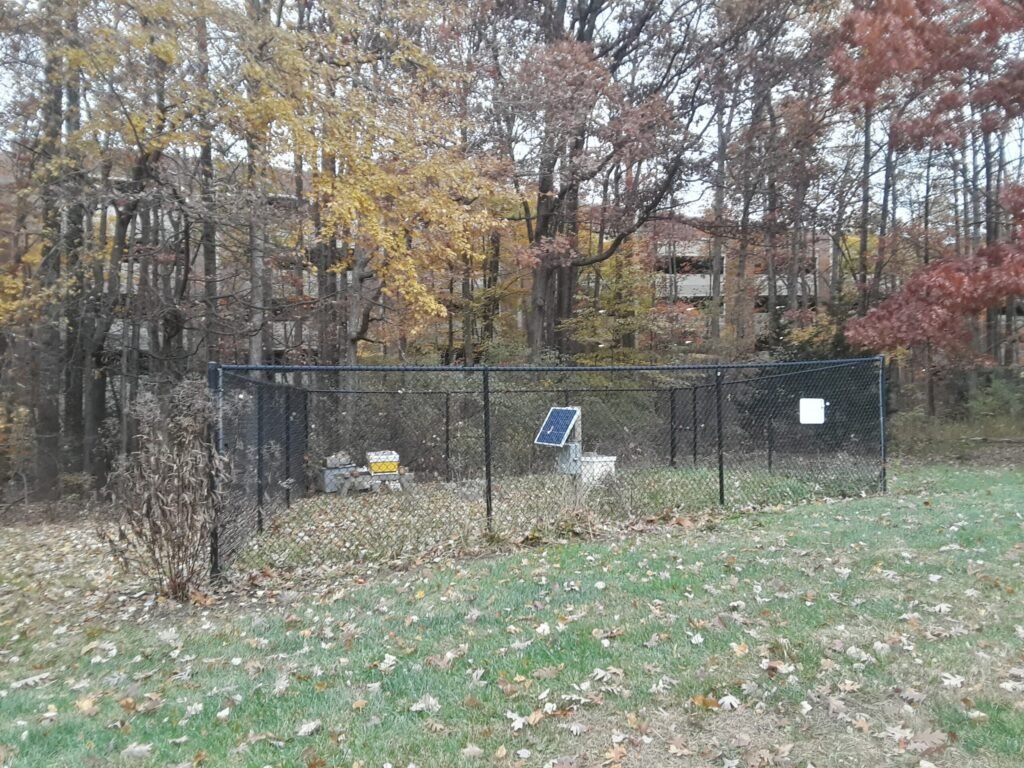
Louisiana’s Model Beekeeping Ordinance
Beyond state-level registration, Louisiana has taken an unusually proactive approach to shaping local beekeeping rules: the LSU AgCenter has published a Model Beekeeping Ordinance specifically for Louisiana local and municipal governments to adopt or adapt, aimed at giving cities and parishes a consistent, beekeeping-informed starting template rather than each drafting hive-siting and density rules from scratch. Because Louisiana’s state registration law doesn’t itself set property-line setbacks or municipal hive-density limits, a beekeeper’s actual local obligations still depend on whether — and how closely — their specific city or parish has adopted something resembling this model ordinance, making it worth checking local code directly rather than assuming a single statewide siting standard exists. East Baton Rouge Parish is a concrete example of how specific those local rules can get: it caps colony density at two colonies on any tract of a quarter-acre or less — real proof that full compliance with LDAF’s statewide registration doesn’t guarantee compliance with parish-level rules. The Capital Area Beekeepers Association and similar local groups also publish their own laws-and-guidelines resources aimed at helping members navigate whichever specific parish or municipal rules apply to them, a useful supplementary check alongside the state registration requirements covered above. See our state-by-state beekeeping regulations overview for how Louisiana’s dual-permit approach compares elsewhere.
Louisiana Permit Fee Schedule: Class A vs. Class B
Louisiana’s fee structure is genuinely unusual among states covered on this site — it’s the only one that charges a materially different rate depending on residency status, not just colony count. Here’s the complete current schedule, sourced directly from RS 3:2305(D):
| Number of Colonies | Class A Permit (LA-domiciled) | Class B Permit (non-resident) |
|---|---|---|
| 1 – 10 | $0.00 | $16.00 |
| 11 – 25 | $4.00 | $16.00 |
| 26 – 100 | $10.00 | $40.00 |
| 101 – 300 | $20.00 | $80.00 |
| 301 – 500 | $30.00 | $120.00 |
| 501 or more | $50.00 | $200.00 |
Source: Louisiana Revised Statutes 3:2305, Louisiana State Legislature.
Frequently Asked Questions
When do I need to register my bees in Louisiana?
By October 1 each year, or before bringing bees or equipment into the state, whichever comes first.
What’s the difference between a Class A and Class B beekeeping permit in Louisiana?
Class A is for Louisiana-domiciled beekeepers and costs less at every colony tier; Class B is for non-residents and costs roughly four times as much.
Can a non-resident ever get Class A pricing in Louisiana?
Yes, after three consecutive years of registered, inspected operation demonstrating disease control ability, regardless of legal domicile.
Does my Louisiana beekeeping permit transfer if I sell my colonies?
Yes, though a transferred Class B permit resets the new owner’s own track record toward future Class A eligibility.
Does Louisiana have a program that teaches beekeeping in schools?
Yes, LDAF sponsors a high school agricultural apprenticeship program providing up to $10,000 in resources to establish school apiaries.
Related Reading
For more on this topic, see the official Louisiana state government apiary program page.
Image credits: Photo: Ser Amantio di Nicolao, CC BY-SA 3.0, via Wikimedia Commons.
Image credits: Photo: Dirk Pons, CC BY-SA 3.0, via Wikimedia Commons.