Reviewed by Thomas B. · Last Updated November 20, 2026 · How we review
Table of Contents
- What the Dribble Method Is
- Same Acid, Different Delivery: Dribble vs. Vaporization
- Equipment You Actually Need
- Mixing the Solution: Ratios and Dosage
- Step-by-Step Application
- Why Repeat Treatments Are Riskier With Dribble
- Best Timing: Broodless Periods
- Safety Precautions
- Real-World Effectiveness: What the Research Shows
- Storage: Dry Powder vs. Mixed Solution
- Who Should Reach for the Dribble Method First
- Weather and Cluster Conditions on Treatment Day
- Common Mistakes
- Dribble vs. Vaporization: Which Should You Choose
What the Dribble Method Is
The oxalic acid dribble method — also called the trickle method — treats varroa mites by dissolving oxalic acid dihydrate into a sugar syrup solution and trickling a measured dose directly between the frames of each brood box using a syringe or dosing bottle, letting the syrup run down over the cluster of bees. It uses the exact same active ingredient as oxalic acid vaporization, but delivers it as a liquid the bees pick up through contact and grooming rather than as a sublimated vapor that settles onto every surface inside the hive. For beekeepers without a vaporizer, it’s the lowest-cost entry point into oxalic acid treatment — a syringe and a kitchen scale are the only specialized tools required.
Key Takeaways
- The US Api-Bioxal label rate for the dribble is 35 grams of oxalic acid dihydrate dissolved in 1 liter of warm 1:1 sugar syrup.
- Trickle 5 mL onto the bees in each occupied space between frames, up to a maximum of 50 mL per colony.
- Like vaporizing, dribbling does not reach mites under brood cappings, so it works best in a broodless period such as late fall or early winter.
- Common practice is one dribble per broodless period. The label sets no yearly limit but warns that weak colonies may lose some bees.
- For the dribble, the label requires at least a NIOSH-approved particulate respirator (N, R or P filter), chemical-resistant gloves and goggles. Vaporizing needs acid-gas cartridges.
- Mix only what you will use that day, because acidified syrup stored warm can build up HMF, which is toxic to bees.
Same Acid, Different Delivery: Dribble vs. Vaporization
Because both methods use oxalic acid, they share the vaporization method’s single biggest limitation: neither reaches mites sheltered under capped brood cells, so both are most effective during a broodless period rather than at random points in an active brood-rearing season. Where they diverge is in bee stress and repeatability. Vaporization, which delivers acid as a fine crystalline vapor rather than a liquid the bees have to absorb through contact, has been shown in field trials to be gentler on a colony when repeated every 5-7 days across a broodless window. The dribble method, delivered as a liquid the bees groom off each other and ingest incidentally, is generally regarded as harder on bees with repetition — which is the main reason most current guidance treats dribbling as a once-per-broodless-period application rather than a repeatable series the way vaporization can be.
Equipment You Actually Need
A dribble treatment needs oxalic acid dihydrate (food-grade, sold specifically for beekeeping use), granulated white sugar, water, a kitchen scale accurate to at least 1 gram, a syringe or a purpose-made dosing bottle with a narrow spout for controlled application, chemical-resistant gloves (the U.S. label lists nitrile of 14 mil or thicker), goggles, and a NIOSH-approved particulate respirator such as an N95, which the U.S. Api-Bioxal label requires for the solution method. That’s the entire equipment list — no vaporizer, no battery or car adapter, no wand, and no acid-gas half-mask respirator, which the label reserves for vaporizing. This is the method’s clearest practical advantage: total equipment cost is typically a small fraction of a vaporizer setup, which matters for a beekeeper testing oxalic acid treatment for the first time or managing only one or two colonies.
Mixing the Solution: Ratios and Dosage
The standard mix is oxalic acid dihydrate dissolved into a 1:1 sugar syrup (1:1 sugar to water, weight to volume), at 35 grams of oxalic acid dihydrate dissolved in 1 liter of that syrup, the rate on the U.S. Api-Bioxal label (EPA Reg. No. 73291-2) — always confirm the current concentration against your specific product’s label, since formulations and regional label guidance can vary. Dissolve the sugar into warm water first, then stir in the oxalic acid dihydrate until it’s fully dissolved, since undissolved crystals will clog a syringe and produce an uneven, unreliable dose. Mix only what you’ll use that day. The oxalic acid itself is stable in syrup (a 2001 Apidologie note by Prandin and colleagues found its concentration and pH constant in storage), but acidified syrup kept for long periods in warm conditions can build up HMF, a sugar-breakdown product that is toxic to bees at high levels and usually darkens the syrup, so mixing a fresh batch for each treatment day is standard practice rather than keeping a reserve on hand.
Step-by-Step Application
Draw the mixed solution into your syringe or dosing bottle. Standard dosing is 5 ml of solution per occupied bee space (the “seam” between two frames where bees are clustered), applied directly onto the bees along the top bars, capped at a maximum of roughly 50 ml per colony regardless of how large the cluster is — going beyond this maximum does not meaningfully improve mite kill and increases the risk of harming the colony. Work quickly and calmly, since opening the hive during cold weather (the ideal broodless treatment window) chills the cluster if you linger. Trickle the dose in a thin, even line directly onto the bees rather than pooling it in one spot, and avoid drenching the bees so heavily that syrup runs down into the bottom board in significant quantity.
Why Repeat Treatments Are Riskier With Dribble
Because the dribble method requires bees to physically groom and ingest a liquid dose, repeated applications compound cumulative stress on the colony in a way vaporization’s dry, settling vapor does not. The U.S. Api-Bioxal label sets no yearly limit, but it warns that under unfavorable conditions, such as weak colonies or poor overwintering conditions, trickling may cause some bee mortality or overwintering bee loss, so common practice is a single dribble per broodless period, in contrast to vaporization’s typical 3-4 treatment series across a single broodless window. If you expect to need multiple treatments across a season — for example, both a fall broodless treatment and a subsequent one after a late brood break — vaporization is generally the better-suited method precisely because of this repeatability difference, which is one of the clearest deciding factors between the two delivery methods.
Best Timing: Broodless Periods
Timing follows the same underlying logic as vaporization: apply during a period when the colony has little to no capped brood, since that’s when oxalic acid’s mite-kill rate is highest and its single-treatment effectiveness is closest to what multi-treatment vaporization series achieve over time. Late fall or early winter, after a hard frost has stopped the queen laying and existing brood has emerged, is the classic window. A newly installed package or a swarm capture with no comb yet drawn is a good secondary opportunity, since there’s no brood to shelter mites regardless of season.
Safety Precautions
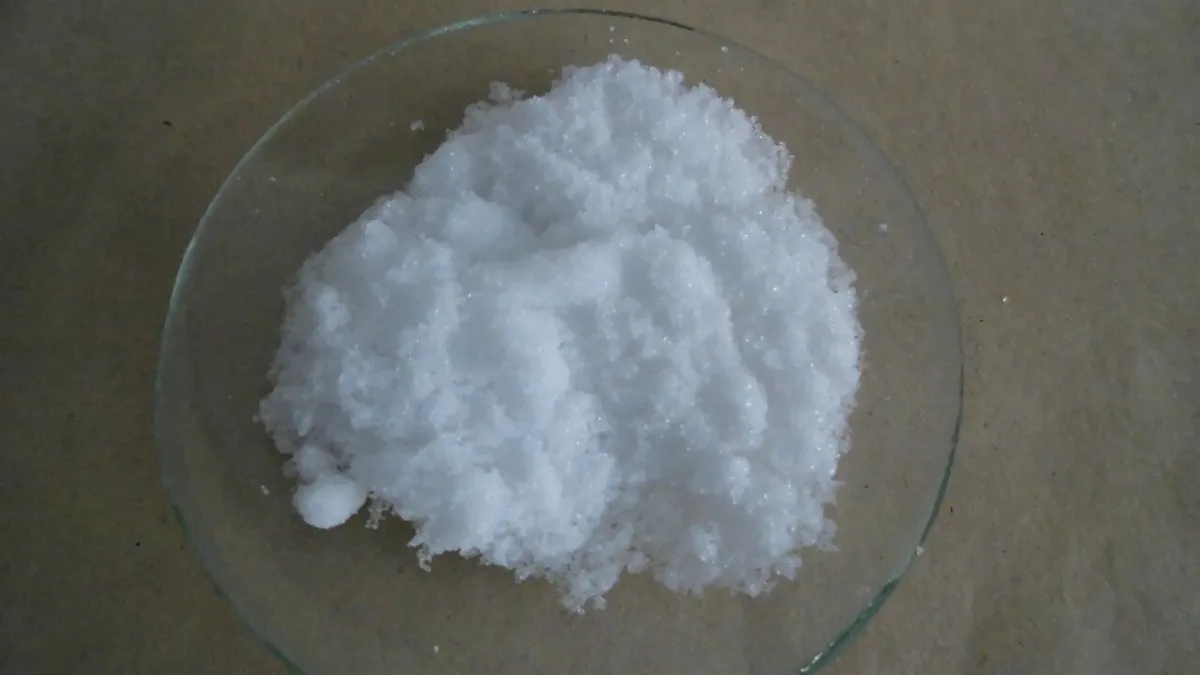
Oxalic acid dihydrate is corrosive in concentrated form and the mixed syrup solution is acidic enough to irritate skin and eyes on contact, so wear nitrile gloves and eye protection while mixing and applying it, and avoid splashing. Keep the dry powder and mixed solution away from children and pets, and store the dry oxalic acid dihydrate in its original labeled container, never transferred to an unlabeled food or drink container. There’s no vapor cloud with dribbling, but the U.S. Api-Bioxal label still requires solution-method applicators to wear a long-sleeved shirt and long pants, socks and shoes, chemical-resistant gloves, protective eyewear such as goggles, and at least a NIOSH-approved particulate filtering facepiece respirator with an N, R or P filter. The label classes the product as corrosive and fatal if swallowed, so don’t skip these precautions.
Real-World Effectiveness: What the Research Shows
Published field trials on a single, correctly timed dribble treatment during a genuine broodless period commonly report mite-kill rates in the 90-95% range against the phoretic mite population present at treatment time — comparable to a single vaporization pass, since both methods share the same fundamental limitation of not reaching mites under brood cappings. The practical gap between the two methods shows up less in single-treatment efficacy and more in how each performs across a full season: a colony that goes broodless for an extended stretch and receives one well-timed dribble treatment can see mite loads controlled effectively for months, while a colony where brood rearing resumes earlier than expected may need a second intervention that dribble’s stricter repeat-treatment limits make harder to justify than a follow-up vaporization pass would be.
Storage: Dry Powder vs. Mixed Solution
Store unopened oxalic acid dihydrate powder in its original sealed, labeled container in a cool, dry place, where it remains stable and effective for extended periods — years, in most cases, since the dry crystalline form doesn’t degrade the way a mixed solution does. Once dissolved into sugar syrup, the oxalic acid itself stays stable, but the syrup does not: acidified syrup stored for long periods, especially somewhere warm, can build up HMF, which is toxic to bees. Use mixed solution the same day rather than saving it for a future treatment session. This is the practical reason experienced beekeepers mix exactly what they need for a given treatment day’s colony count rather than preparing a larger batch to use gradually.
Who Should Reach for the Dribble Method First
The dribble method makes the most sense for a beekeeper managing one to a handful of colonies who wants to test oxalic acid treatment without committing to a vaporizer purchase, or for anyone treating a small number of hives once a year during a reliable broodless window. It’s also a reasonable fallback if a vaporizer breaks down or its power source fails right when a broodless treatment window is closing, since the equipment list is short enough to assemble on short notice from a local farm-supply or beekeeping-supply store. A commercial operation running dozens of colonies, or anyone who anticipates needing more than one treatment pass across a season, will generally find vaporization’s repeatability worth its higher upfront equipment cost.
Weather and Cluster Conditions on Treatment Day
Choose a treatment day when temperatures are cold enough for the bees to be clustered tightly, since a tight cluster means the dribbled solution reaches a higher concentration of bees per application and minimizes how far individual bees have to travel to be dosed. Avoid treating during a warm spell within an otherwise cold broodless window, since a loosely clustered or actively flying colony spreads the dose less efficiently and increases the chance the queen or a meaningful share of workers miss contact with the solution entirely.
Common Mistakes
The most common dribble-method mistake is exceeding the 50 ml per colony maximum in an attempt to “treat more thoroughly,” which increases colony stress without improving mite kill meaningfully. A close second is treating too many times in a season, carrying over habits from vaporization’s more repeatable schedule without adjusting for dribble’s higher cumulative-stress profile. Applying the solution too far from the cluster, so bees never actually contact it, wastes the treatment entirely — the dose has to land directly on bees, not just inside the hive generally. Finally, storing a mixed batch for later risks HMF build-up in the acidified syrup; mix fresh, use promptly.
Dribble vs. Vaporization: Which Should You Choose
| Factor | Dribble (Trickle) | Vaporization |
|---|---|---|
| Equipment cost | Low — syringe and scale | Higher — vaporizer unit and power source |
| Capped brood penetration | No | No |
| Repeatable in one season | Once, rarely twice | 3-4 times across broodless window |
| Respirator on the U.S. label | Particulate (N95-type) | Acid-gas half mask |
| Application time per hive | Faster per hive | Slightly slower per hive |
| Best for | Small apiaries, one-time treatment, low startup cost | Larger apiaries treating repeatedly across a season |
Neither method reaches capped brood, so both share vaporization’s core limitation; the choice mostly comes down to how many colonies you’re treating and whether a single broodless-period application is enough for your mite pressure, or whether you need the multi-treatment flexibility that vaporization or a longer-duration product like Apivar or HopGuard provides. A beekeeper with one or two hives and a tight budget often starts with dribble; someone managing a dozen or more colonies across a full season typically finds a vaporizer’s higher upfront cost pays for itself in repeatability and lower per-treatment bee stress.
For a slow-release alternative to dribbling, see oxalic acid extended release.
To compare dribbling with vaporizing and strips, see every oxalic acid treatment method and its label dose.
Sources
Dosing concentration, per-frame volume, and maximum per-colony dose reflect published beekeeping extension guidance and current oxalic-acid-dihydrate product labeling for the dribble/trickle method. The mix rate, per-space dose, 50 ml maximum and protective equipment above are taken from the U.S. Api-Bioxal label (EPA Reg. No. 73291-2, label dated June 2025). See the Honey Bee Health Coalition’s Tools for Varroa Management guide for additional authoritative detail. Always follow the label on the product you buy; this guide is educational information, not a substitute for it.
FAQ
Is the dribble method as effective as vaporization?
A single, correctly timed dribble treatment during a broodless period achieves a comparable single-treatment kill rate to vaporization, but because vaporization can be safely repeated several times across a broodless window, a full vaporization series often achieves a higher cumulative mite reduction over that window than one dribble application.
Can I use the dribble method with honey supers on?
In the US, yes: current EPA-accepted oxalic acid labels (Api-Bioxal, EZ-OX) state that oxalic acid can be used when honey supers are on the hive. Dribbling still works best in a broodless period, typically late fall or early winter. Rules differ outside the US, so follow the label on your product and check your state; see which varroa treatments are allowed with honey supers on.
What happens if I exceed the 50 ml maximum dose?
Exceeding the labeled maximum increases the risk of harming bees and the queen without meaningfully improving mite kill — the 50 ml cap exists because kill-rate gains flatten out well before that volume while colony stress continues to rise.
Do I need a respirator for the dribble method?
Yes, a lighter one. The U.S. Api-Bioxal label requires at least a NIOSH-approved particulate filtering facepiece respirator (N, R or P filter) for the solution method, plus chemical-resistant gloves and goggles; vaporizing calls for an elastomeric half mask with acid-gas cartridges.
Can I mix a bigger batch and save the rest for later in the week?
It’s better not to. The oxalic acid stays stable, but acidified syrup stored for long periods, especially warm, can build up HMF, which is toxic to bees, so mix only the volume you need for that day’s treatments.