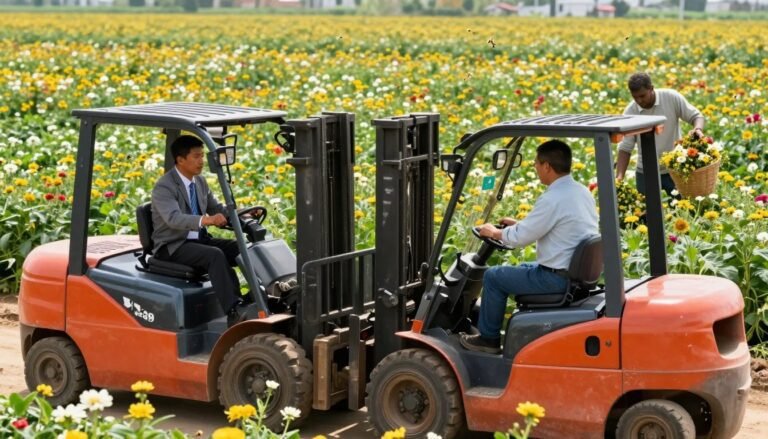
Forklift vs Hand-Loading for Pollination: Which is Better?
Forklift vs hand-loading pollination operations: which is better? Our comparison article examines the pros and cons of each method to help you make an informed decision.

Beyond honey, bees are an agricultural service: commercial pollination contracts move colonies onto almond, blueberry, seed and vegetable crops each season to support plants that depend on insect pollination. This category covers the commercial side of beekeeping: how pollination contracts work, what migratory operations actually involve, and the business realities of running an apiary at a scale beyond hobbyist production.
The articles follow the working year of a pollination outfit. Before a contract, that means grading colony strength by frames of bees rather than by the look of the top box, feeding syrup and pollen substitute so brood rearing starts early enough for a February almond bloom, and settling queen problems before hives are loaded. During the contract, it means placing hives to limit drift between rows, keeping water available in dry orchards, and negotiating pesticide clauses so a grower does not spray during bloom. Afterwards come invoicing and record keeping.
A second cluster of posts treats bees and honey as products: pricing nucleus colonies and queens, deposit policies, packaging live bees for pickup, lot tracking for honey sold direct to consumers, and honey house workflow for small producers. Sideliners weighing a first contract and established operations tightening their systems will both find the templates and checklists useful.
Start here:
Forklift vs hand-loading pollination operations: which is better? Our comparison article examines the pros and cons of each method to help you make an informed decision.

Discover the best time to advertise local nuc sales for maximum visibility. Our buyer's guide provides expert insights on timing your local nuc sales advertisements effectively to attract more buyers.
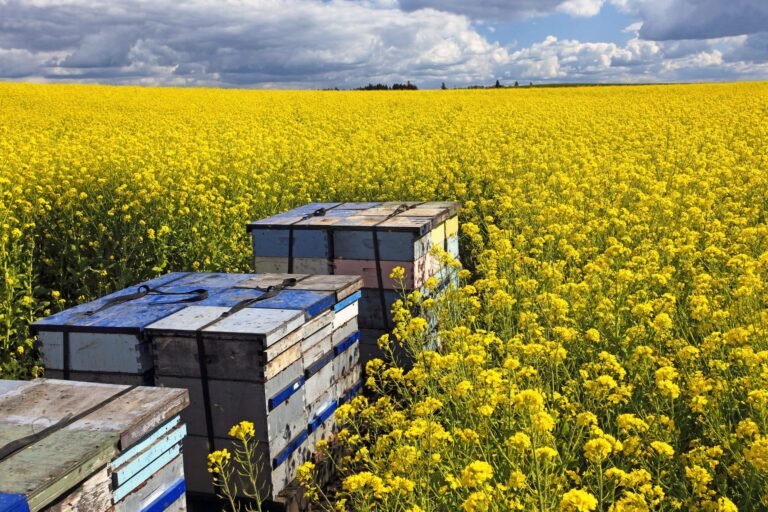
Seed crops need 1.5 to 6.7 hives per acre, and hybrids need bees to cross male and female rows. See stocking rates, fees, colony grades and spray rules.
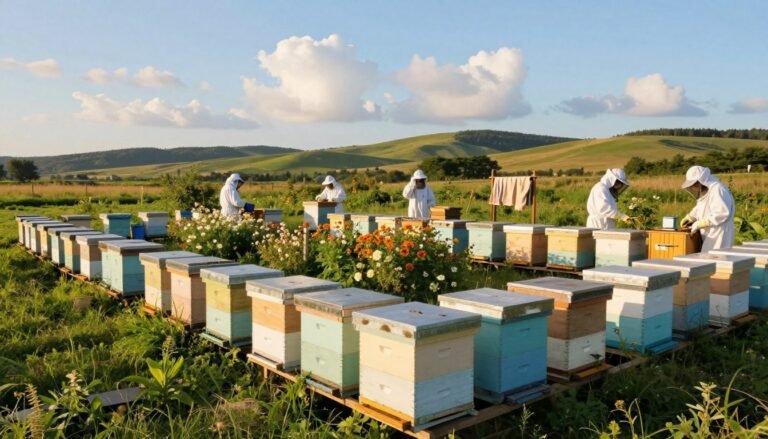
Discover best practices for setting up bee yard staging sites for migratory crews. Learn how to efficiently manage bee yards with our expert guide.

Queen and nuc deposits hold a slot, but cancellation windows cost buyers most. Compare real seller policies, questions to ask, and how to write a fair policy.
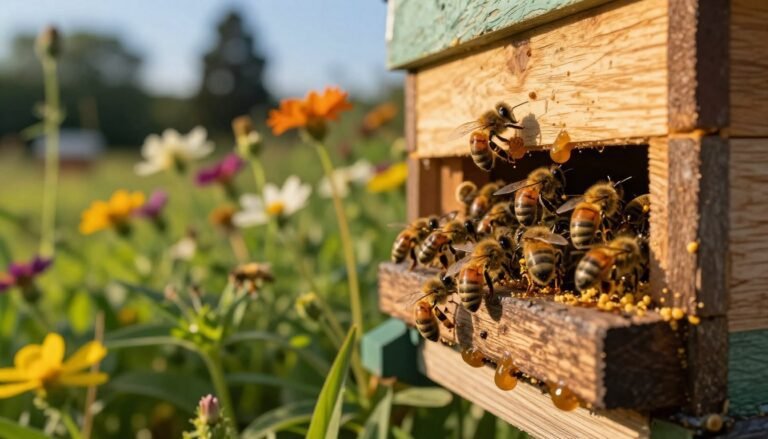
Learn how to prepare for pollination contracts by effectively feeding colonies beforehand. Discover the best practices for a successful pollination season in the future.
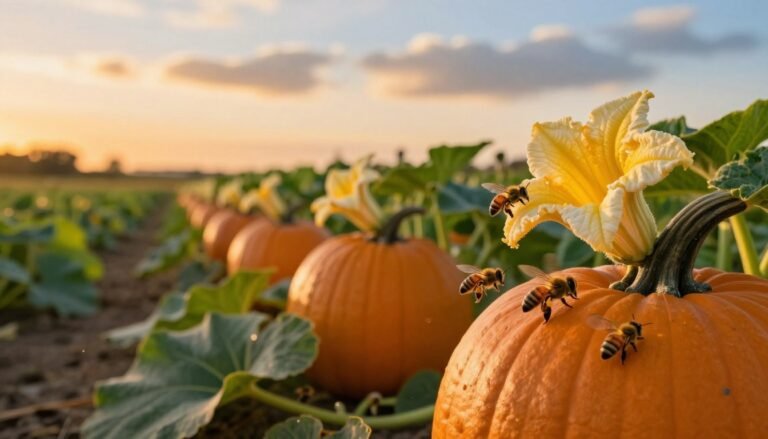
Pumpkins need 0.5 to 1 hive per acre, if any: wild bumble bees often do the job. Scout first, then time hives to female bloom. Rates, placement and 2025 costs.

Discover the best crops for small-scale pollination income and maximize your earnings with our expert listicle guide. Learn more now.
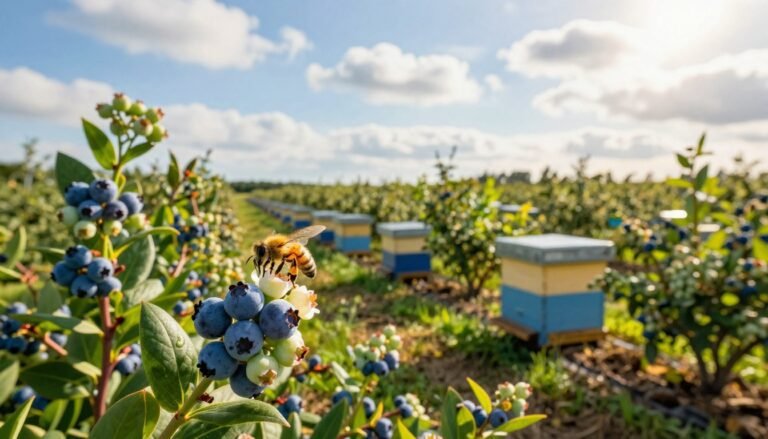
Improve blueberry yields with a well-planned blueberry pollination hive placement strategy. Follow our step-by-step guide to enhance pollination and boost your harvest.
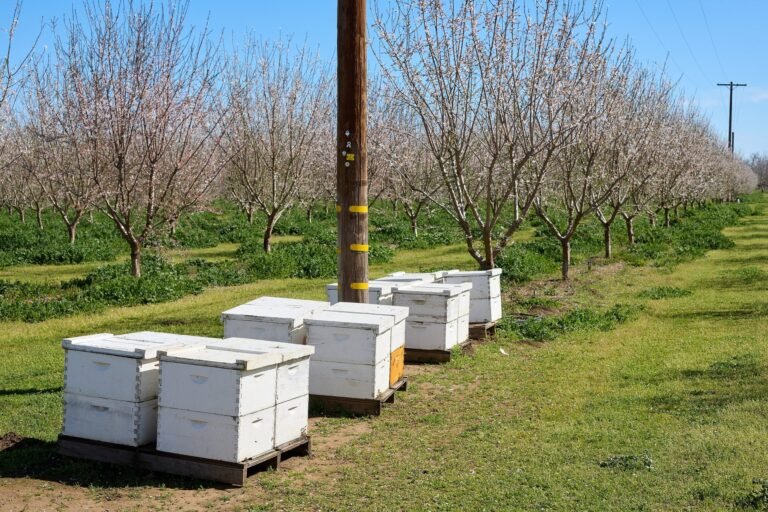
Double-deep or single-brood hives for pollination? Compare capacity, frames of bees, contract grades, weight and cost to pick the right setup for each crop.
Pollination fees are usually paid in installments: signing, delivery and after bloom. How growers should set deposits, due dates, strength holdbacks and extras.
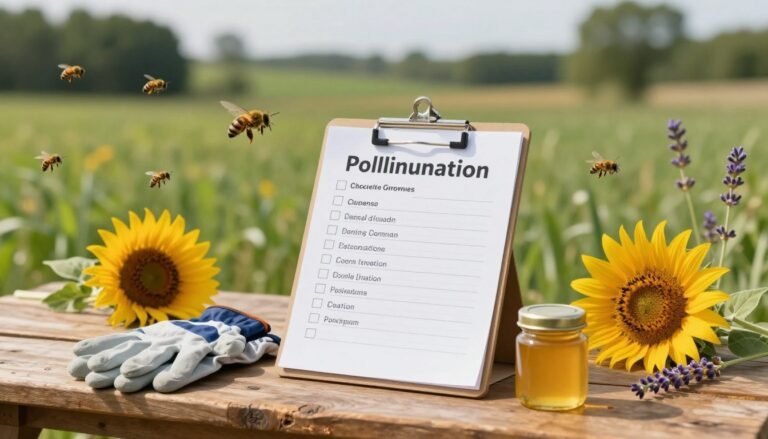
Improve pollination with our comprehensive beekeeper-grower communication checklist for pollination, ensuring a successful partnership.
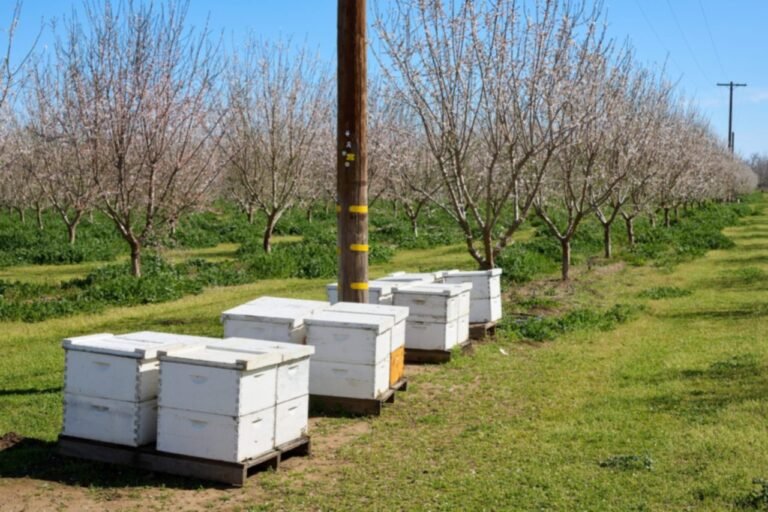
Price crop pollination per colony: build a floor from trucking, labor, forgone honey and risk, then check it against 2025 USDA regional rates. Worked example.
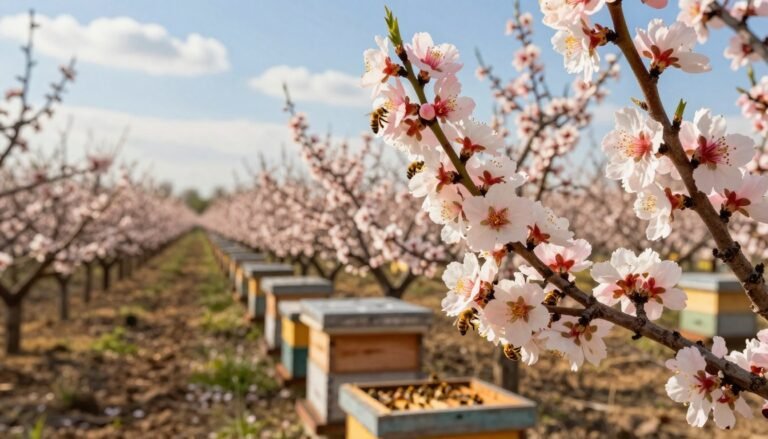
Almond hives are expected to average 8 frames of bees with a 5 or 6-frame minimum, at about 2 hives per acre. Sources, frames-per-acre math and how to check.
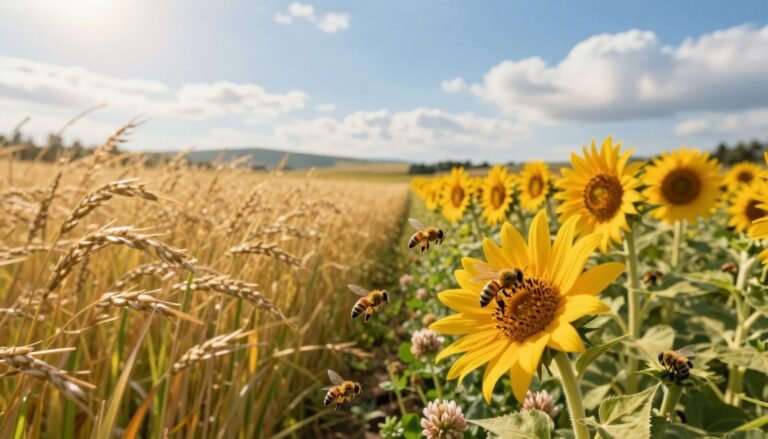
Get expert advice on how to prevent pesticide losses during pollination contracts. Improve your pollination success with our practical guide.
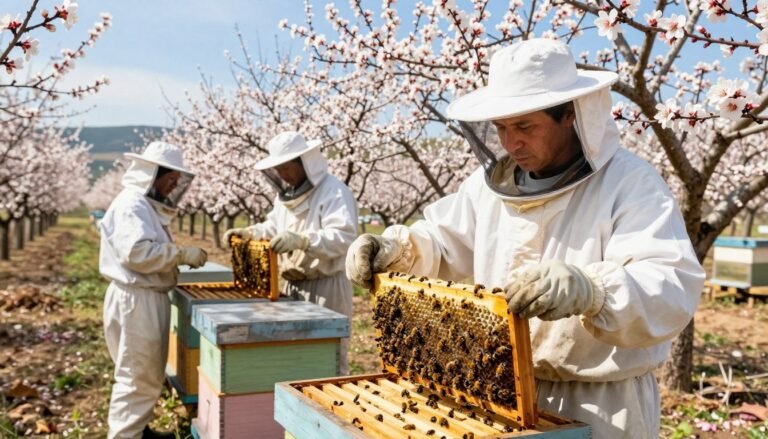
Learn effective queen management before almond pollination with our expert guide. Discover key considerations for a successful pollination season.
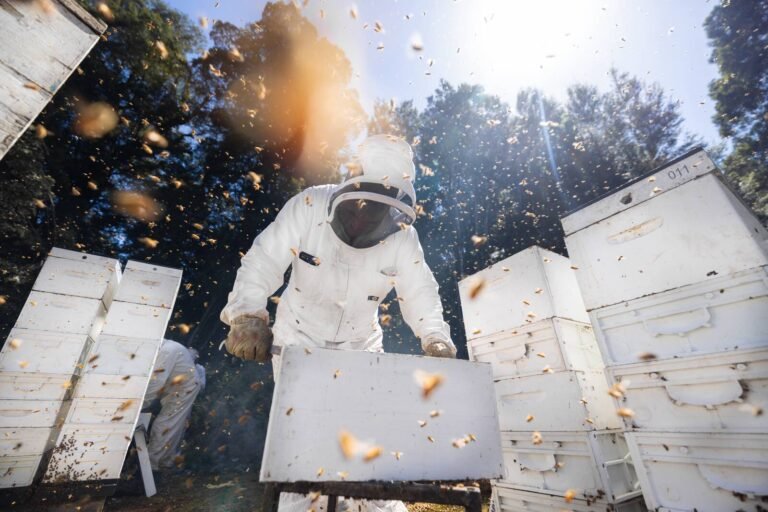
Create a pollination yard biosecurity plan to prevent disease outbreaks and pests. Follow our step-by-step guide to ensure a healthy and thriving yard.
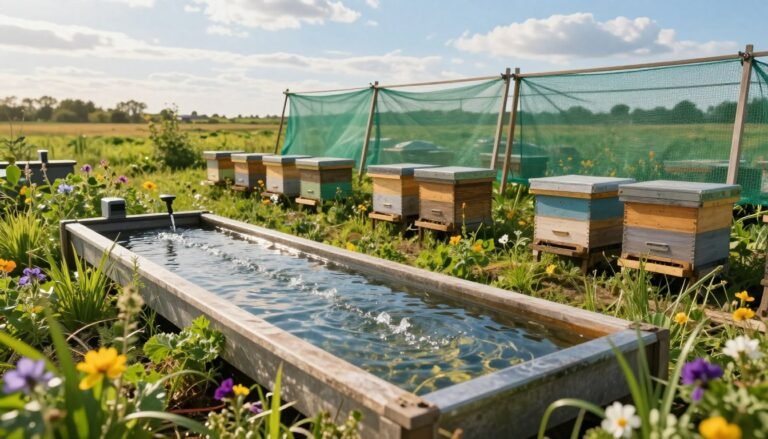
Learn how to create an effective water setup for temporary pollination yards with our step-by-step guide. Optimize your pollination process today.
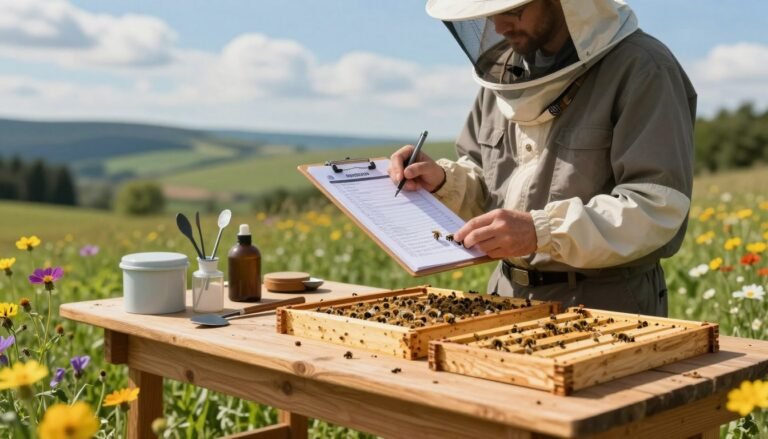
Learn how to move beehives safely with our comprehensive migratory pollination checklist for moving hives. Follow our step-by-step guide.
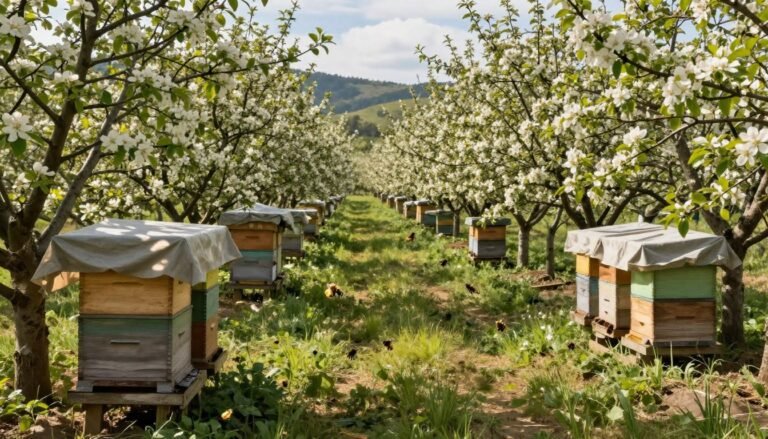
Explore the best shade strategies for staging hives in orchards. Our how-to guide provides actionable advice for beekeepers.
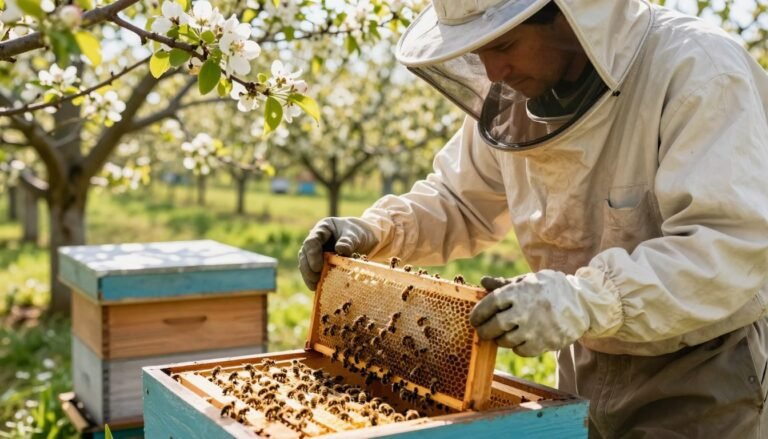
Learn how to inspect rented hives after pollination with our step-by-step guide. Ensure healthy bees and successful pollination with our expert tips and best practices.
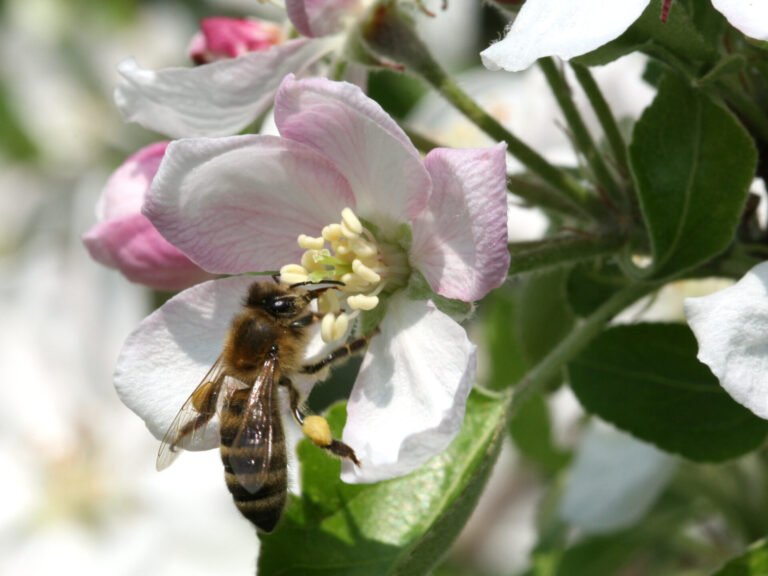
How many beehives per acre an apple orchard needs: extension rates from 0.5 to 2 colonies, 2025 USDA stocking data, colony strength, placement and bee counts.
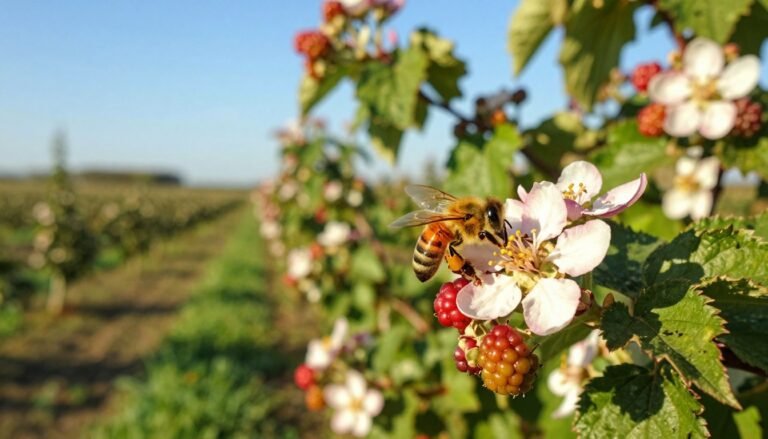
Maximize your berry farm's potential with our renting hives for berry farms. Expert pollination services for healthier crops and higher yields.
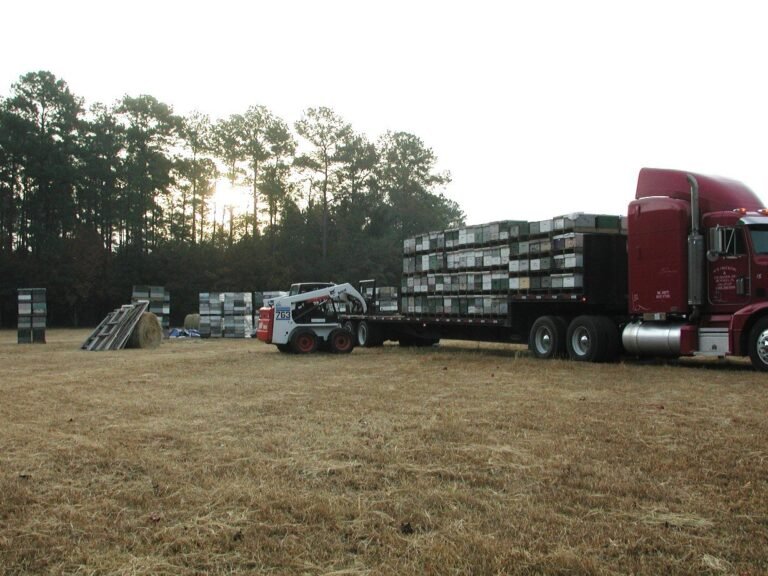
Protect your beekeeping business with pollination service liability insurance for beekeepers. Understand your options and get insured.
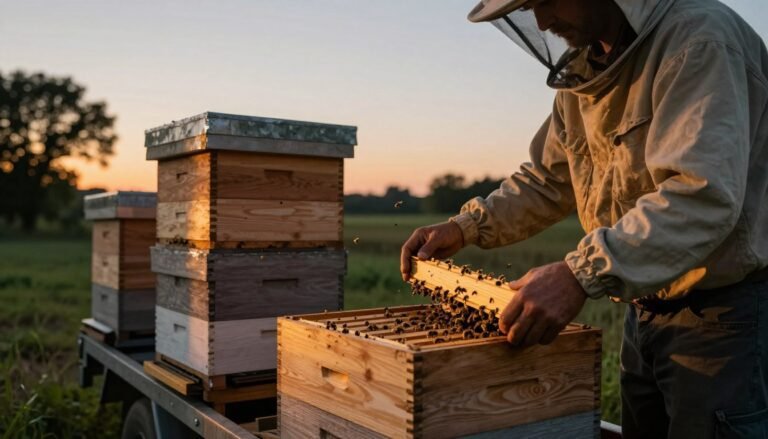
Get expert guidance on loading hives for overnight pollination moves. Follow our how-to guide for a seamless and efficient transfer process.