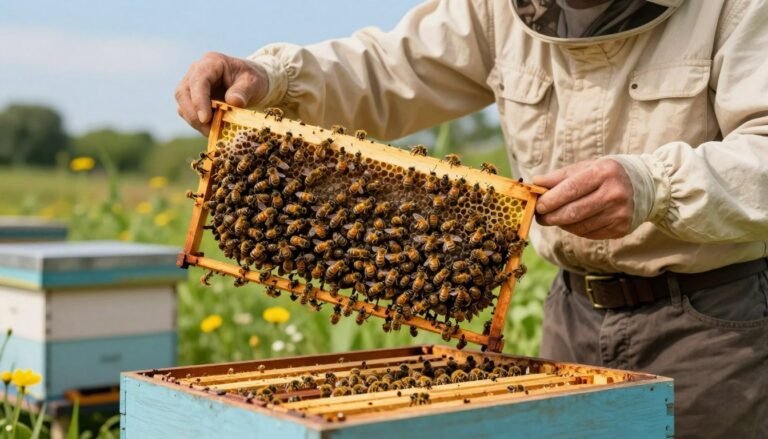
Queen’s Introduction After a Split
Master the process of a queen introduction after a split with our step-by-step guide. Improve hive stability and colony health using these proven methods.

A failing or absent queen is one of the most common reasons colonies decline, and recognizing it early, then requeening correctly, takes practice. The guides here cover diagnosing queen failure, introduction methods when the old queen cannot be found, timing requeening around flow and season, and why new queens get rejected.
Diagnosis comes first, and the brood tells most of the story. A spotty pattern can mean a poorly mated or aging queen, but also disease or a hygienic colony removing infested pupae. Drone brood in worker cells points to a drone-laying queen or, if there are several eggs per cell stuck to the walls, to laying workers; the difference decides whether a new queen stands any chance. Queen cells are read by position and number: emergency cells built from worker larvae, a few supersedure cells on the comb face, swarm cells in quantity along the edges.
Introduction methods come next: candy-plug against push-in cages, direct against slow release, why a nuc accepts a queen more readily than a full hive, how weather and dearth affect acceptance, and balling. It is written for beekeepers facing a queenless hive right now and for anyone who wants to requeen on schedule rather than in a panic.
Start here:
Master the process of a queen introduction after a split with our step-by-step guide. Improve hive stability and colony health using these proven methods.
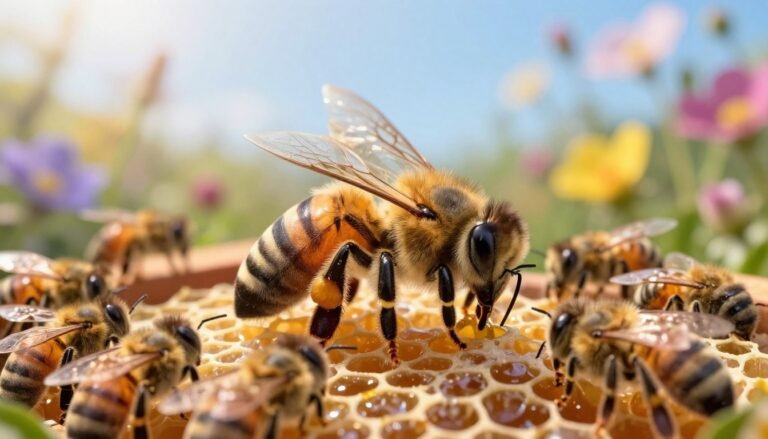
Learn how soon should a new queen start laying eggs after mating. Our expert guide provides the essential timeline for beekeepers to monitor hive health.
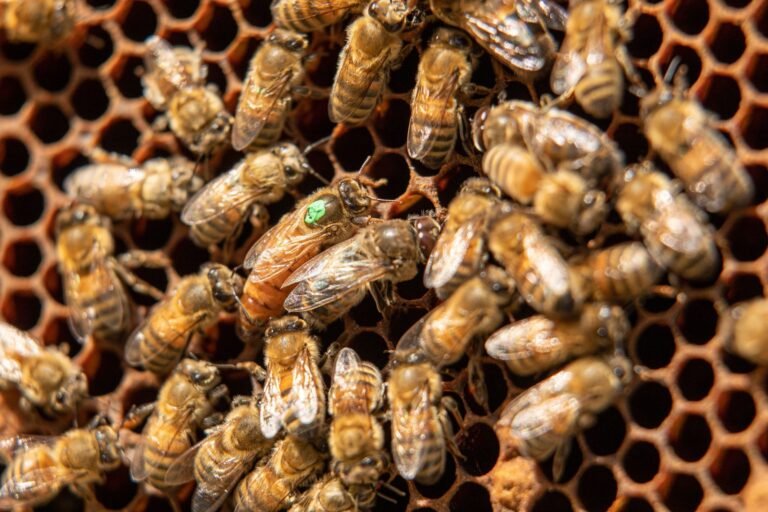
Queen marking colors by year: white 1/6, yellow 2/7, red 3/8, green 4/9, blue 5/0. See the 2021-2035 chart, which year a color means and how to read marks.
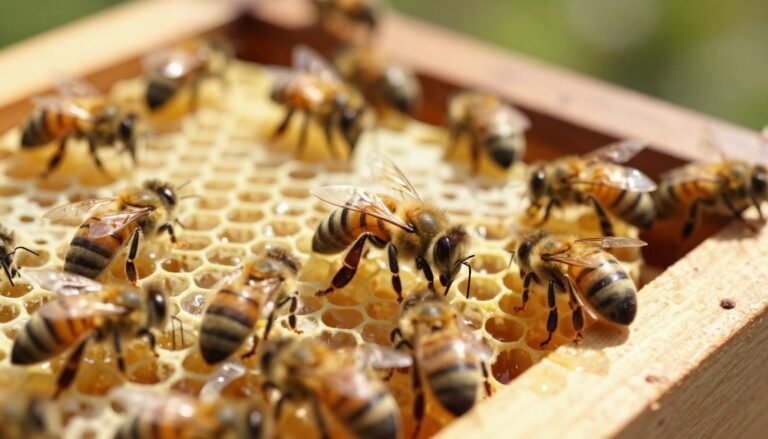
Discover how long to leave a queen cage in a hive with our expert guide. Ensure your new queen is accepted safely by following these proven beekeeping steps.
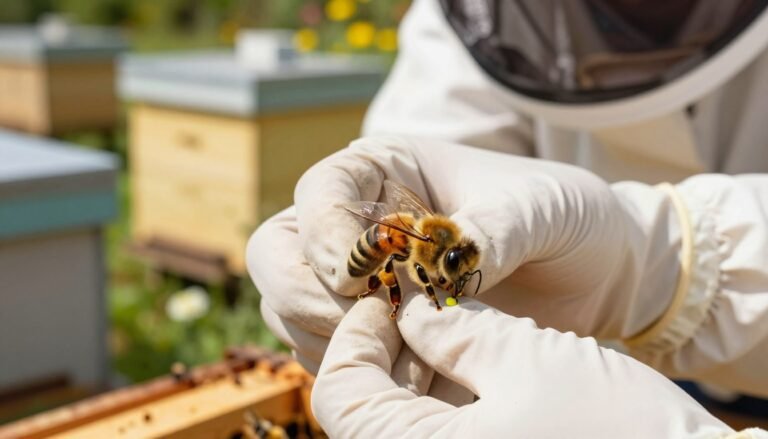
Learn how to mark a queen bee safely with our expert guide. Discover the best techniques to protect your hive and track your queen with ease and precision.
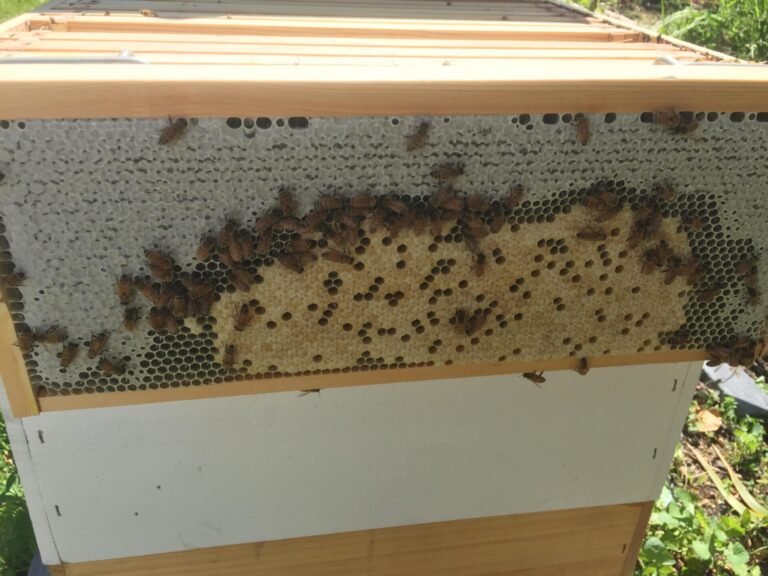
Read brood frames to spot a failing queen: eggs, drone cappings in worker cells and a 100-cell brood score, plus the look-alikes to rule out before you requeen.
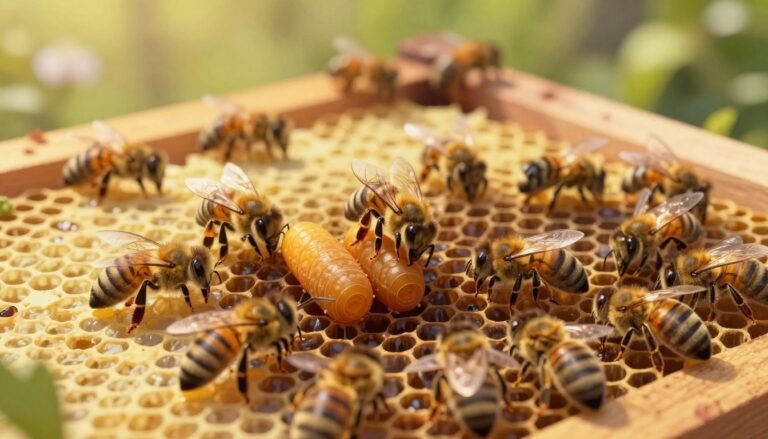
Confused by emergency queen cells vs supersedure cells? Our expert guide explains how to identify each type to ensure your honey bee colony thrives now.
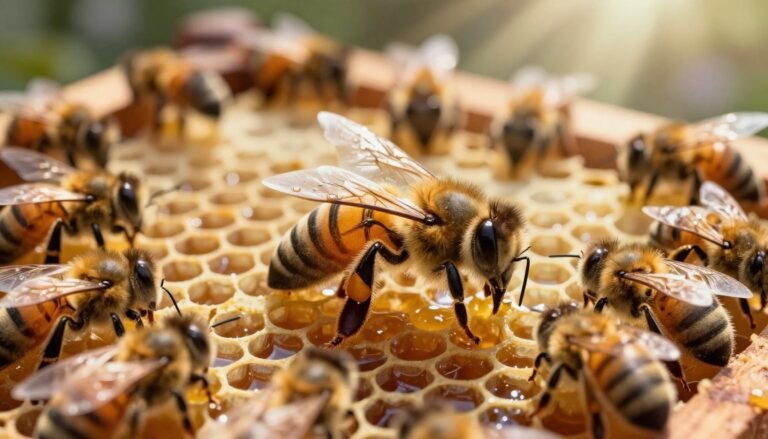
Can you requeen during a nectar flow? This guide covers everything beekeepers need to know to replace a queen safely without disrupting the honey harvest.
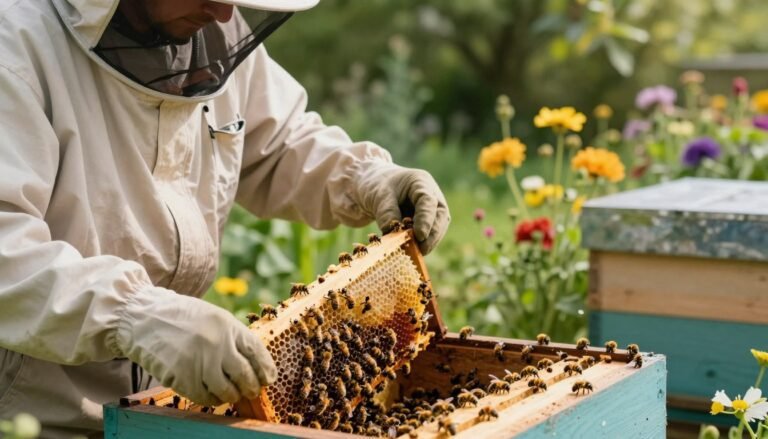
Wondering how to check if a new queen was accepted? Follow our professional step-by-step guide to verify your hive's status and ensure colony stability.
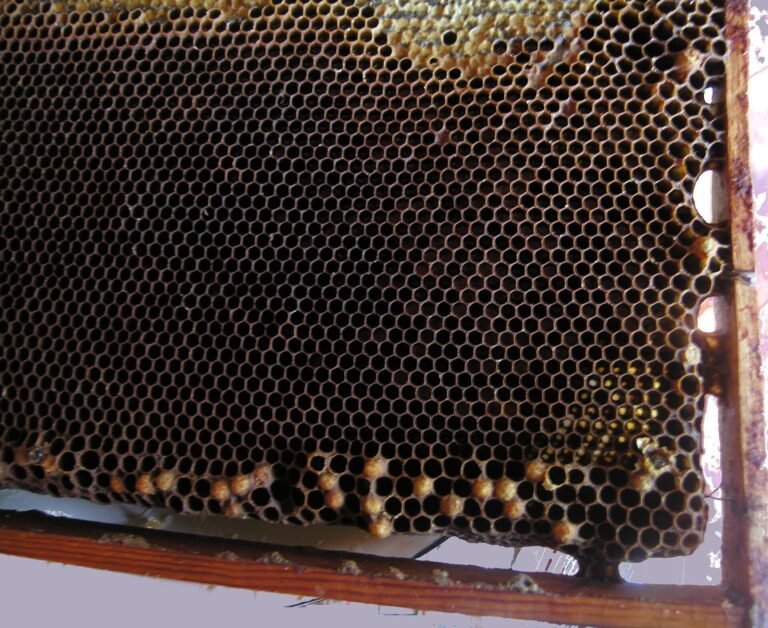
A caged queen alone rarely works. Add frames of eggs and young larvae first, then requeen through a nuc or combine. Step-by-step methods, timing and research.
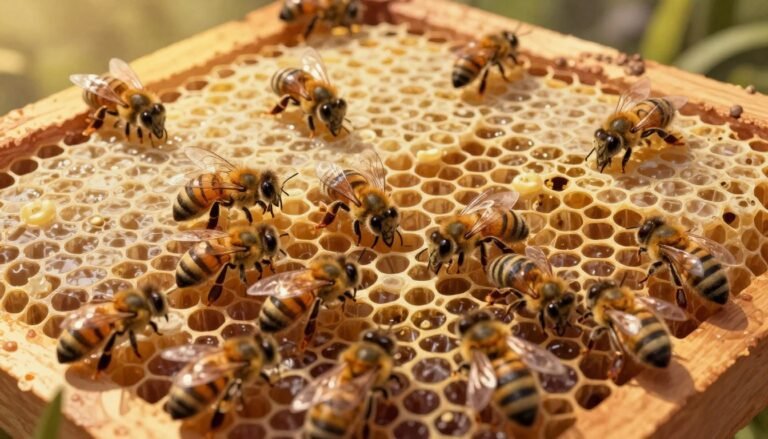
Confused by swarm cells vs supersedure cells? Our expert guide explains how to identify each type and what they mean for your colony health and management.
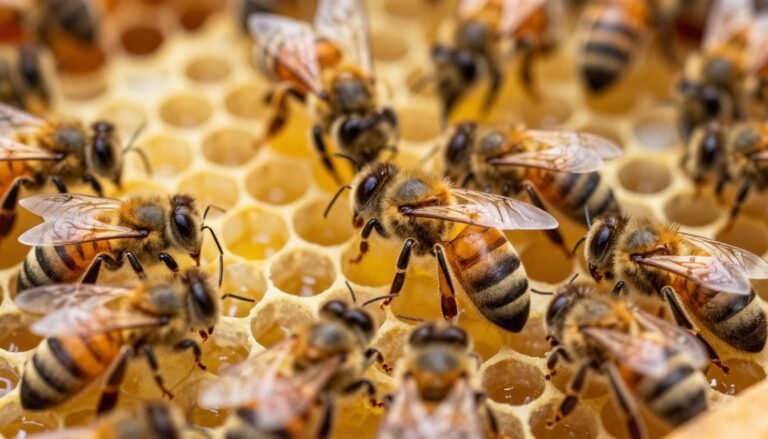
Learn how to identify the signs of a virgin queen in the hive with our expert guide. Discover key behaviors and visual cues to monitor your colony today.
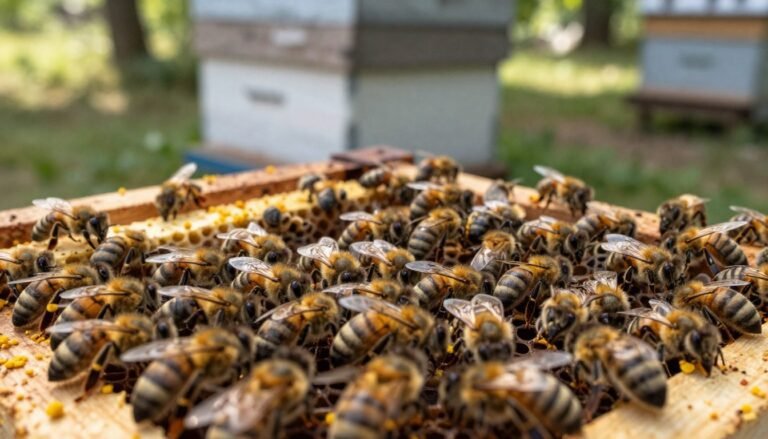
Discover the most common queen pheromone failure signs with our guide. Learn how to assess your hive health and take action to protect your bee colony today.
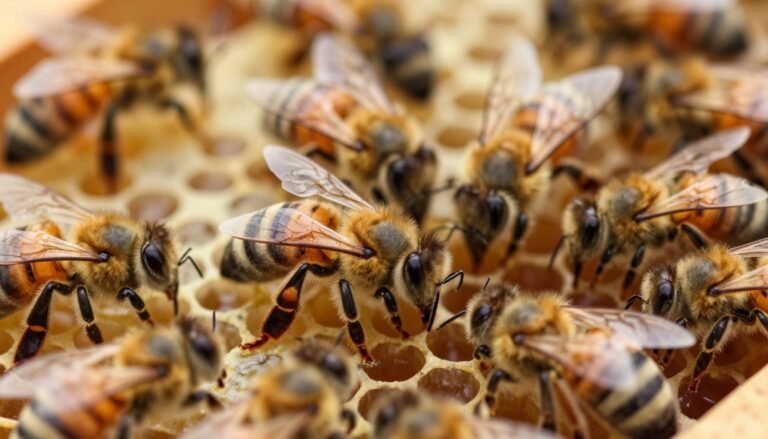
Wondering can laying workers raise a new queen? Learn the facts about this common beekeeping issue and discover the best steps to save your failing colony.
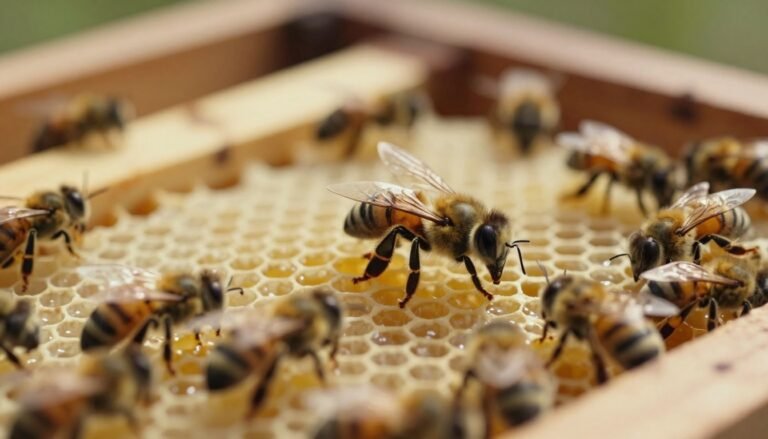
Discover drone laying queen what to do in this expert guide. Learn how to identify the issue and restore your hive's health with these proven beekeeping tips.
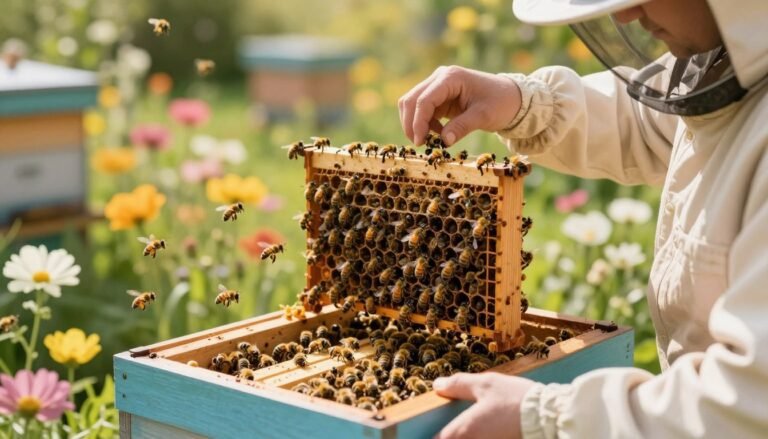
Learn how to introduce a new queen bee to your hive safely with our expert step-by-step guide. Ensure colony success and minimize stress for your bees today.
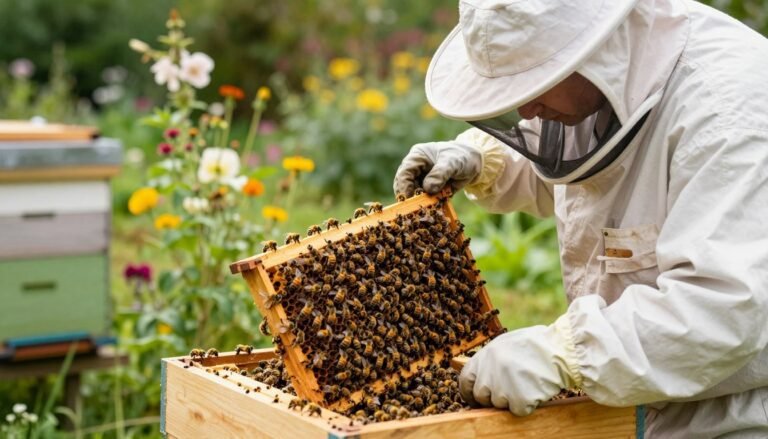
Struggling with defensive bees? Discover how to requeen an aggressive colony using our professional guide. Restore peace to your apiary with these expert tips.
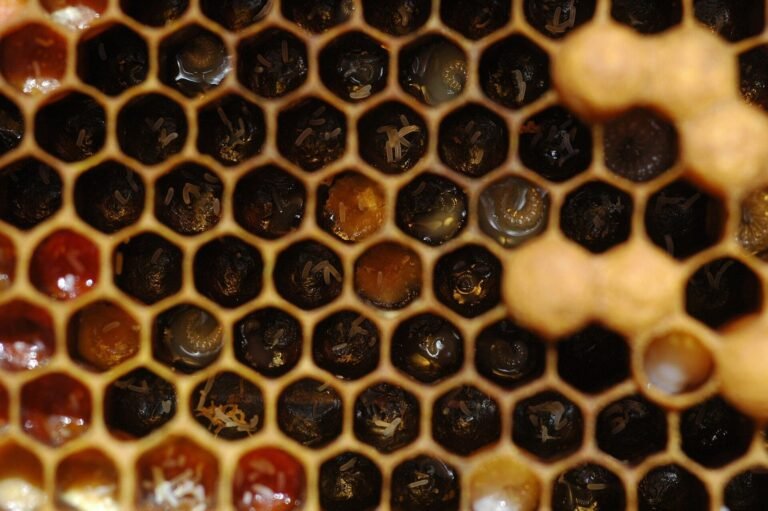
Several eggs per cell, eggs on cell walls and drone brood in worker comb: how to spot laying workers, rule out a new or drone-laying queen, and confirm it.
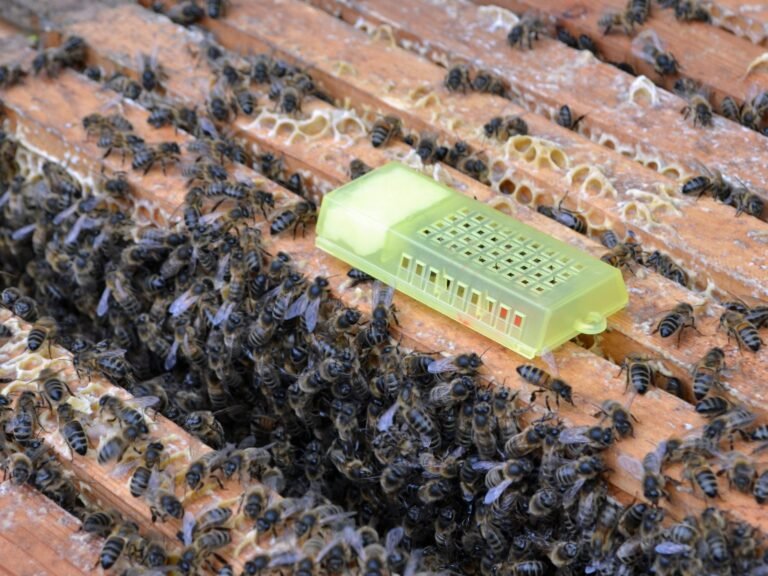
Requeen when forage, colony strength and season length line up: early June to mid-August in the Red River Valley. Month-by-month calendar and cutoff dates.
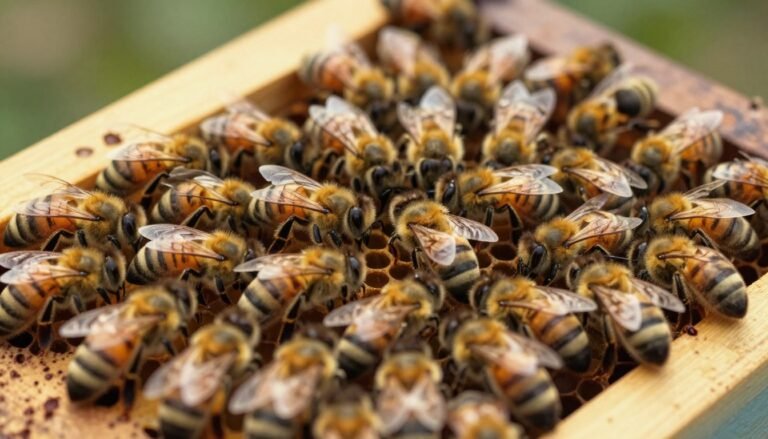
Wondering how long a hive can stay queenless? Our expert guide explains the timeline and provides actionable steps to keep your bee colony alive and healthy.
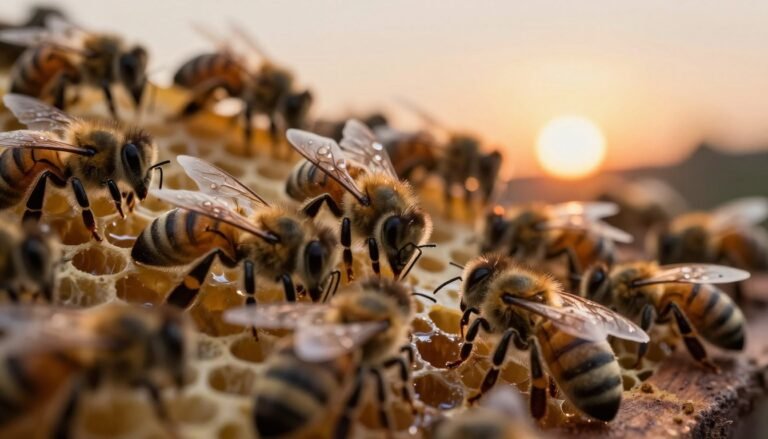
Learn how to identify a failing hive. Discover queenless roar what it sounds like in this expert guide to help you manage your honey bee colony effectively.
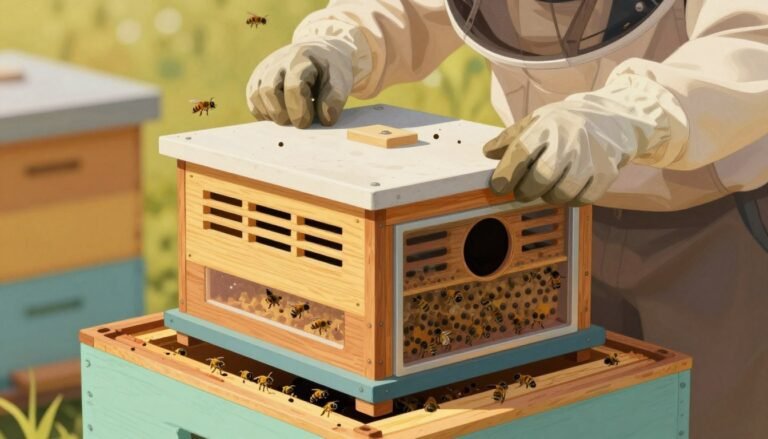
Discover the pros and cons of push-in cage vs standard queen introduction cage methods. Learn which technique ensures better acceptance for your honey bee colony.