How to Keep Honey from Absorbing Moisture
Learn how to keep honey from absorbing moisture with our expert tips and tricks for maintaining its quality and texture. Discover the best storage methods.

Not all honey is created equal, and verifying quality — moisture content, purity, crystallization behavior, and adulteration — matters whether you’re selling at a farmers market or just want to know what’s actually in your own jars. This category covers practical testing methods available to beekeepers without a lab, what quality markers actually indicate, and how to catch problems like fermentation risk or contamination before they become customer complaints.
Moisture is the first thing to get right. Bees cap honey once it is ripe, but in a humid season capped frames can still read high, and extracted honey left uncovered keeps absorbing water from the air because it is hygroscopic. The posts explain how to read and calibrate a refractometer, what water activity adds to a plain moisture figure, and how to tell early fermentation from ordinary granulation. A second group covers the chemistry behind texture and grading: the glucose-to-fructose ratio that makes rapeseed or clover honey set within weeks while black locust stays liquid, the HMF and diastase values that reveal overheating, and electrical conductivity as a marker for honeydew honey.
The rest is bottling practice: settling time, skimming foam, bottling temperature and headspace, why bubbles or layers appear in a jar, and a checklist to run through before a label goes on.
Start here:
Learn how to keep honey from absorbing moisture with our expert tips and tricks for maintaining its quality and texture. Discover the best storage methods.
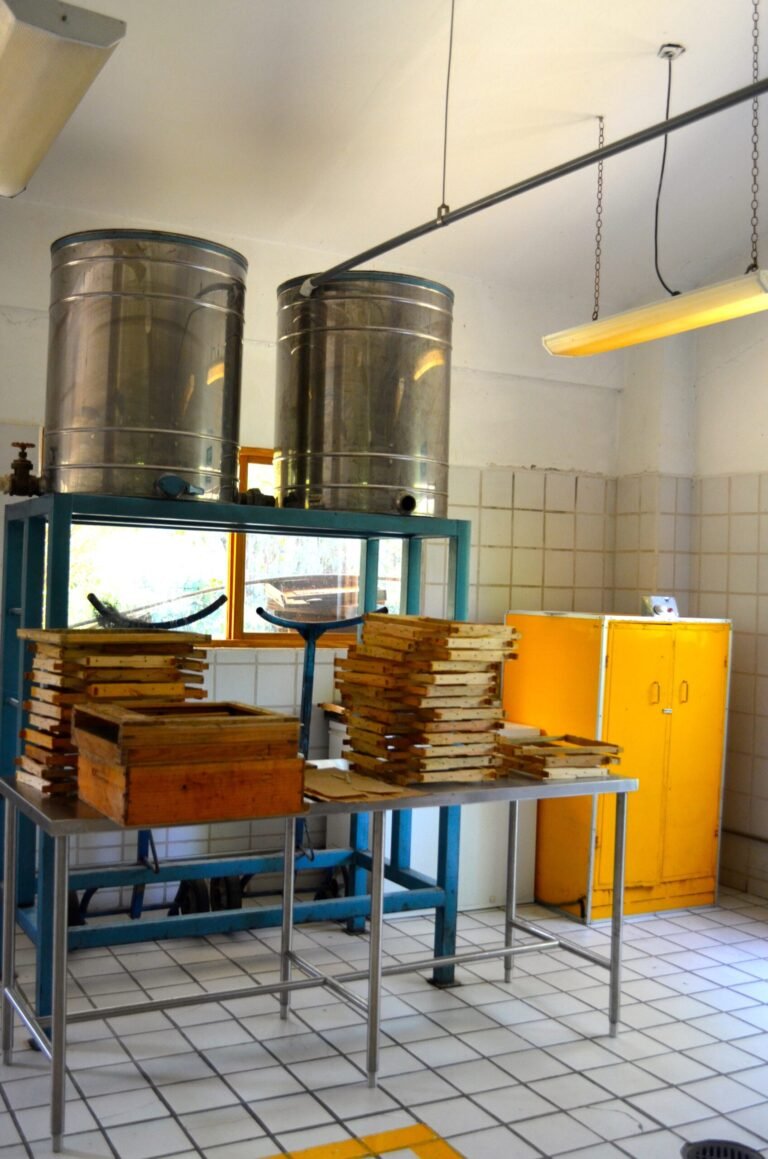
Stainless steel vs plastic honey bottling tanks compared: cost, weight, capacity, heating, cleaning and durability, and which one suits your honey harvest.
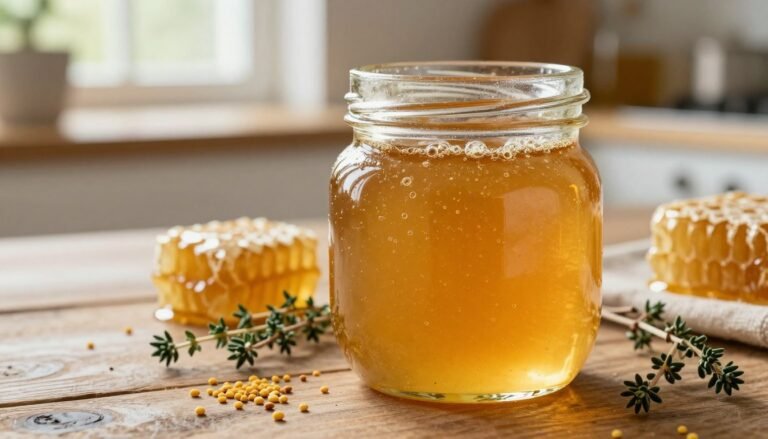
Fermented honey can be stopped and reused for cooking, mead or vinegar, but not reversed. Learn to triage it, heat-treat it, and when to throw it out.
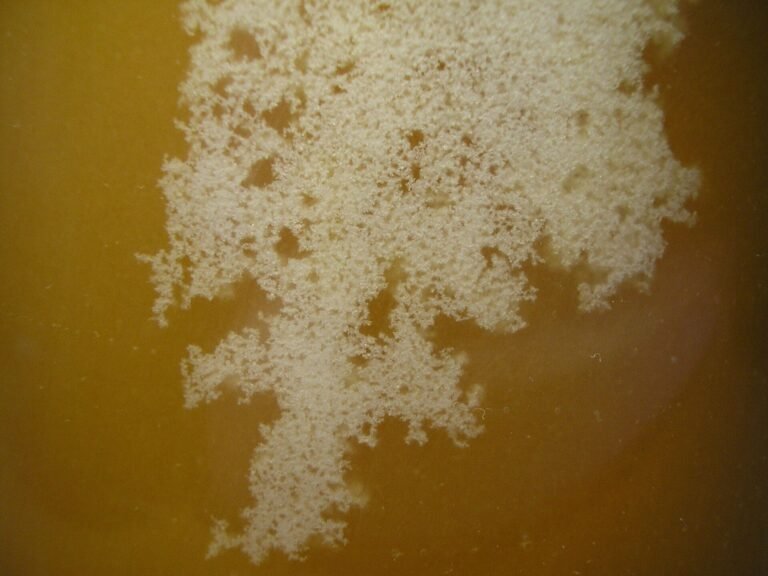
Granulated honey is safe; fermented honey is spoiled. Learn the lid, smell and texture checks, and why a half-set jar is the one most likely to ferment.
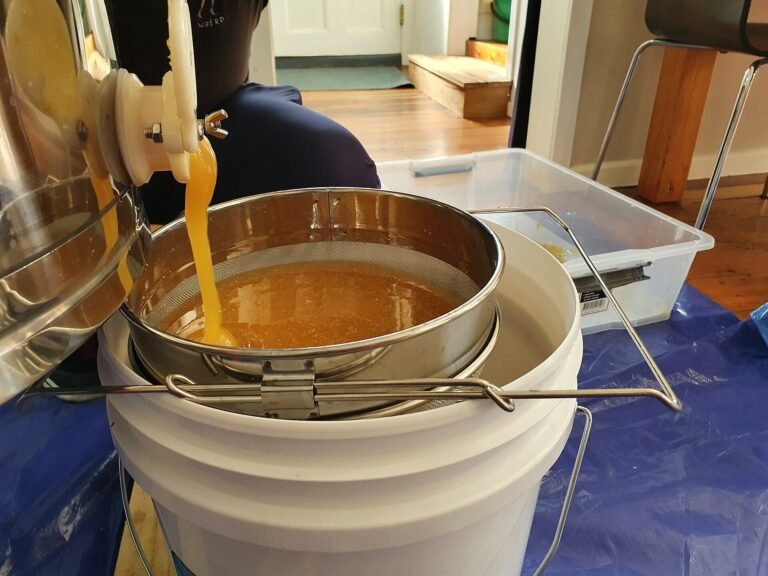
Settle honey warm, skim the foam, and fill from a bottom gate down a tilted jar. See why temperature and tank depth decide how fast bubbles clear.
Uncover the distinctions between water activity in honey vs moisture content. Explore their roles in determining honey's stability and quality.
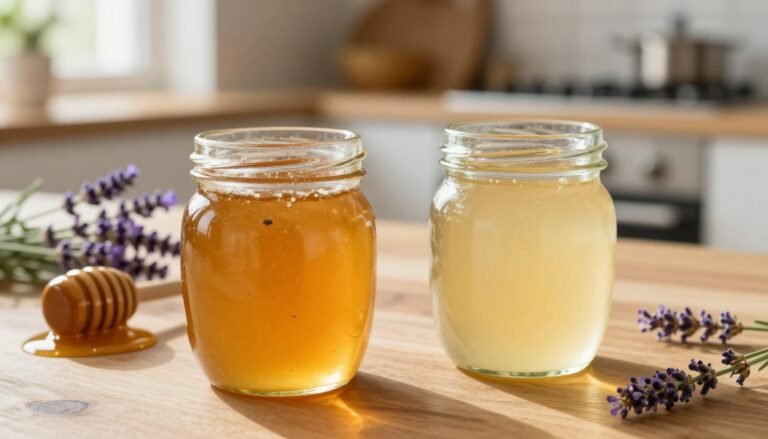
Discover the difference between coarse strain vs fine strain honey in our comprehensive guide. Learn which type is best for your needs and how to use them effectively.
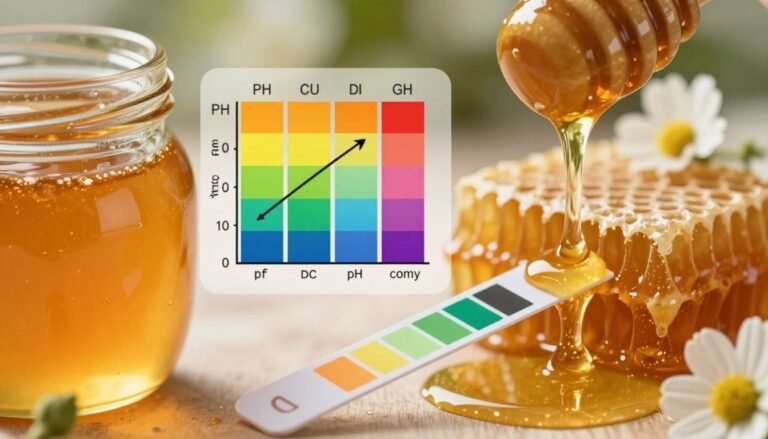
Get a clear understanding of honey pH vs acidity explained. Our step-by-step guide helps you differentiate and measure honey's pH and acidity with ease.
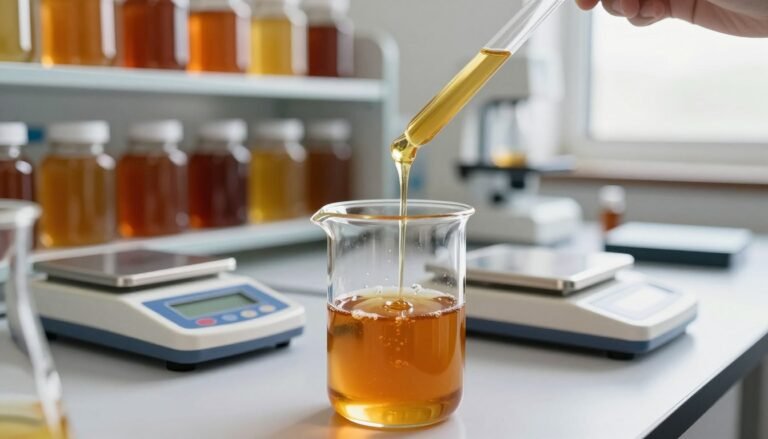
Diastase number (DN) shows how much active enzyme is left in honey. See the 8 and 3 DN limits, how to read a lab result, and why low DN isn't always heat damage.
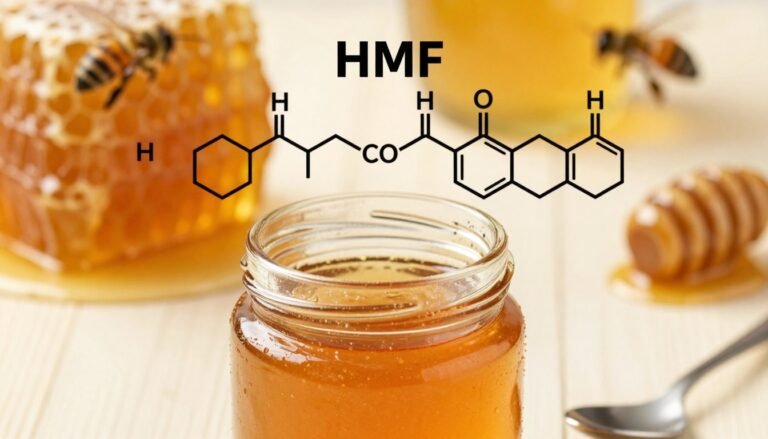
Learn what HMF in honey explained simply means and its significance in beekeeping and honey production today. Get started with our beginner's guide now.
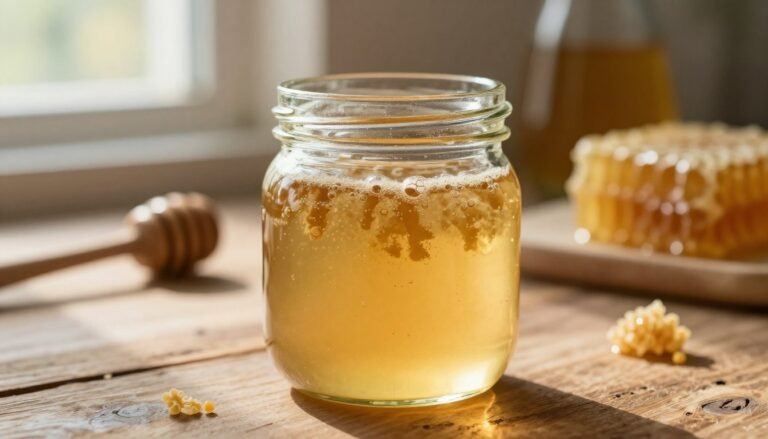
Honey ferments after bottling when too much water lets wild yeasts grow. See the moisture thresholds, six common causes and how to diagnose a jar by symptom.
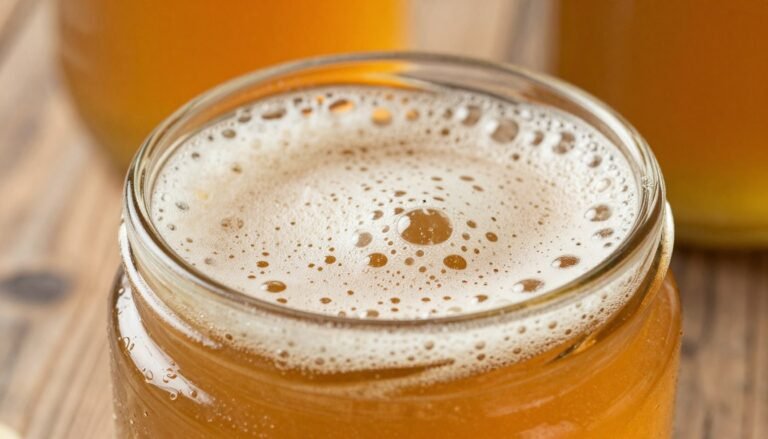
Foam on honey after bottling is slow-rising air, wax and pollen, and it is safe to eat. Why it shows up a day later, how to spot fermentation, and how to stop it.
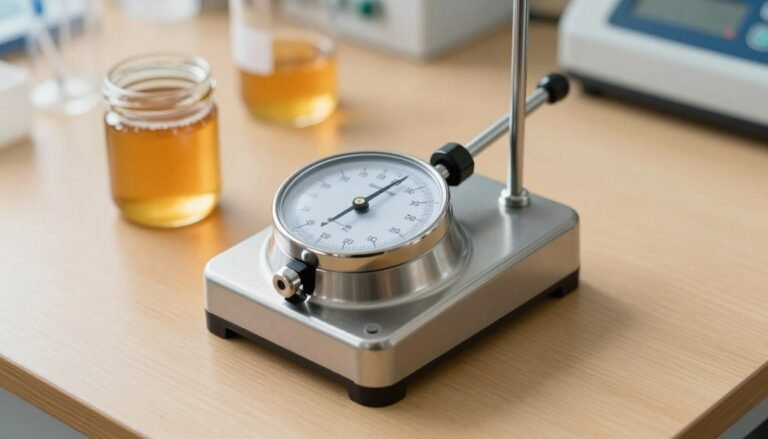
Learn how to test honey moisture with a refractometer in simple steps. Our guide provides detailed instructions for accurate honey moisture measurement.
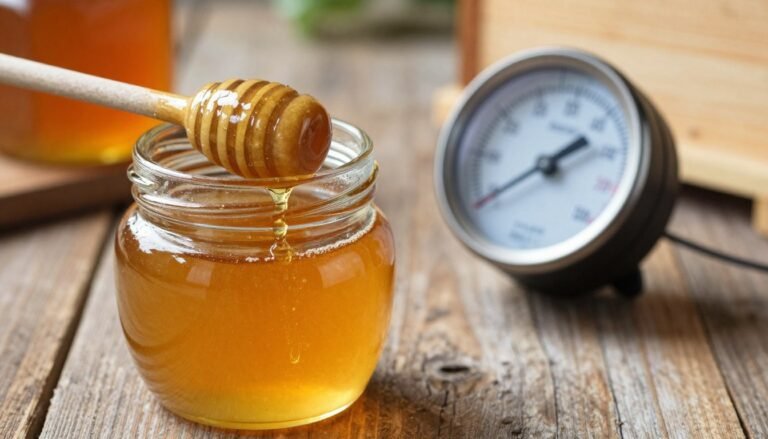
Ripe honey moisture content: under 18% is safe and 18.6% is the USDA Grade A line. How to test frames on the hive and decide when to pull your honey supers.
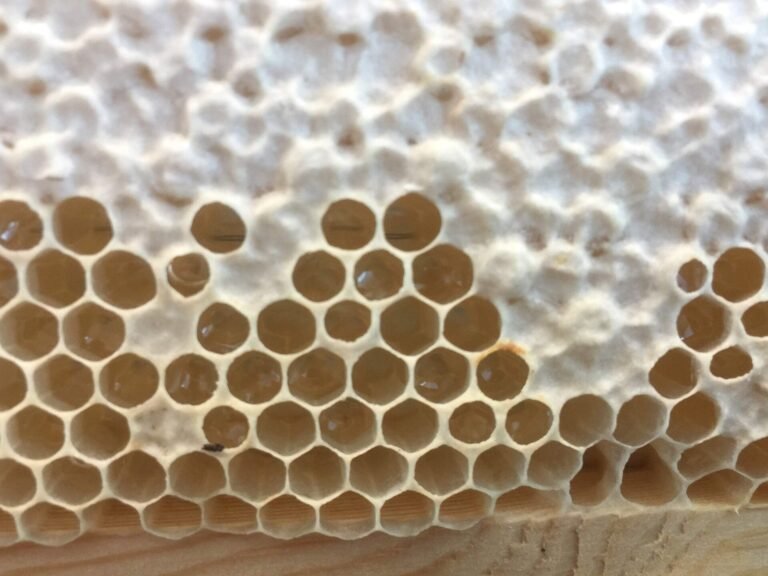
Sour or winey smell, foam that keeps coming back and a domed lid mean honey is fermenting. How to rule out air foam, frosting and beetle slime, and confirm it.
Get up-to-date information on honey bottling and processing standards USA. Our ultimate guide covers everything you need to know about US honey regulations.

An honest guide to testing honey purity at home: what the water, thumb, flame and vinegar tests actually measure (moisture, not syrup), why a $20 refractometer is the one home instrument with a real pass mark, what FDA and EU testing has found, and how to buy honey you never need to test.
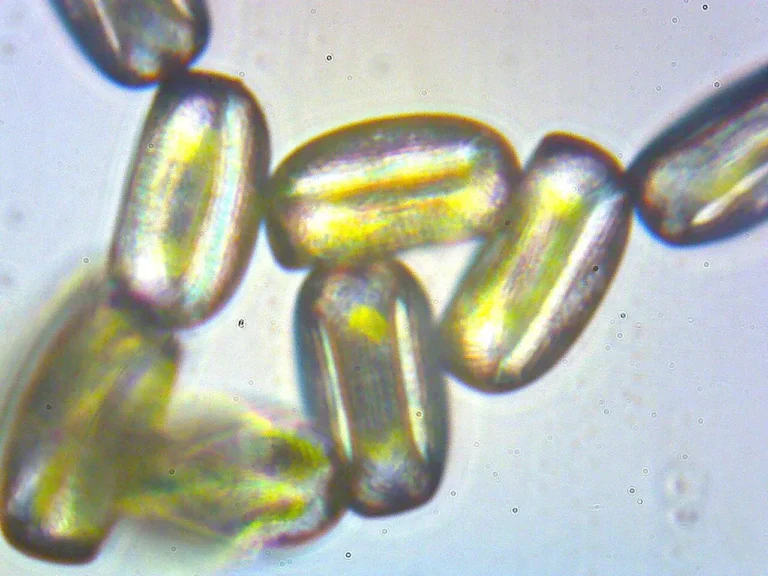
Melissopalynology for beginners: how pollen is extracted from honey and counted, how to read a lab pollen report, and where to get honey tested in the US.
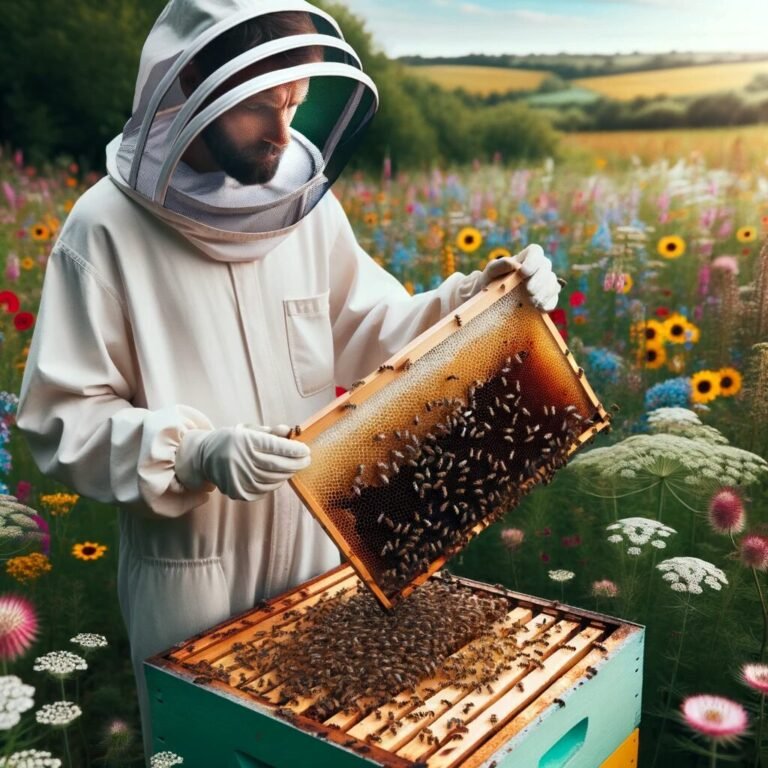
Nectar source, moisture, heat, storage and adulteration decide honey quality. See each factor, the lab marker it moves, and the official Codex and USDA limits.