Reviewed by Sofia T. · Last Updated September 23, 2026 · How we review
The diastase number (DN) is a lab measurement of how active the starch-digesting enzyme diastase still is in a honey sample. The Codex Alimentarius and EU standards require a DN of at least 8 on the Schade scale. Honeys that are naturally low in enzymes are allowed a minimum of 3. A low number can mean the honey was overheated or stored hot for a long time. But diastase levels also vary a lot by floral source, and the enzyme can be added artificially. So the number is a useful warning light rather than proof of quality either way.
This guide covers what the number means, how to read it on a lab report, and when a US beekeeper actually needs one. For the details on how heat and time break the enzyme down, see how heating alters honey enzymes.
Key Takeaways
- DN measures how much starch the enzyme in a honey sample can break down under set lab conditions (1 hour at 40°C / 104°F). The higher the number, the more active enzyme is left.
- The international minimum is 8 DN. It drops to 3 DN for honeys that are naturally low in enzymes. Under EU rules, that lower limit only applies if the honey’s HMF is no more than 15 mg/kg.
- A failing number doesn’t automatically mean the honey was cooked. Floral source, the lab method used, and, for manuka, the honey’s own chemistry can all pull DN down.
- A passing number doesn’t prove the honey is raw. Diastase is fairly heat-stable, and it can be added to adulterated honey.
- USDA grades don’t include diastase. US producers mostly run into DN in export contracts and packer specifications.
Table of Contents
What the Diastase Number Measures
Diastase is an amylase, an enzyme that breaks starch down into smaller sugars. Worker bees add it to nectar as they turn it into honey. There is very little starch in nectar, so the enzyme doesn’t do much in the jar. What makes it useful is that its activity falls slowly and predictably with heat and age, and it’s easy to measure.
The Harmonised Methods of the International Honey Commission define the unit. One diastase unit is the enzyme activity in 1 gram of honey that breaks down 0.01 g of starch in one hour at 40°C (104°F). The unit is also called a Schade unit or a Gothe unit. It’s the same scale under different names, so a report showing “DN 18,” “18 Schade units” or “18 Gothe units” means the same thing.
The Limits: 8 and 3
The Codex honey standard sets the benchmark in its annex:
“The diastase activity of honey, determined after processing and/or blending, in general not less than 8 Schade units.”
| Standard | General minimum | Low-enzyme honeys | Notes |
|---|---|---|---|
| Codex Alimentarius (CXS 12-1981) | 8 DN | 3 DN | The annex is voluntary, for use between trading partners |
| EU Honey Directive 2001/110/EC | 8 DN | 3 DN, if HMF is no more than 15 mg/kg | Legally binding. Baker’s honey is exempt. |
| USP/FCC honey identity standard (2021) | 8 DN | 3 DN | Uses the Schade method, according to the QSI lab newsletter cited below |
| USDA grades of extracted honey | Not measured | — | Grades are based on moisture, flavor, defects and clarity |
The German testing laboratory QSI gives lemon (citrus) honey as an example of a naturally low-enzyme honey. Under EU rules, the 3 DN exception only applies when the honey’s HMF is also very low. That shows the low reading isn’t coming from age or heat.
How to Read a Diastase Result
Real numbers vary widely. QSI tested 12,126 honey samples in 2021, and in its diastase methods newsletter most results fell between about 10 and 40 DN. The single most common band was 15–20 DN, and only a small share came in under 8. A rough guide for reading your own report:
| DN result | What it usually means | What to check next |
|---|---|---|
| Above 20 | Plenty of enzyme activity. Typical of a well-handled honey from an enzyme-rich floral source. | Nothing, unless HMF is high as well |
| 8–20 | Passes. This is the normal range for many honeys. | Compare with earlier lots from the same floral source |
| 3–8 | Fails the general limit. It could be heat or storage damage, or a naturally low-enzyme honey. | HMF result, floral source, and how the lot was stored and warmed |
| Below 3 | Fails every standard. Serious heat damage, very old honey, or dilution is likely. | Full authenticity testing before the lot is sold as honey |
Always read DN together with HMF. Low DN with high HMF points to heat or age. Low DN with very low HMF points to a naturally low-enzyme honey. For the HMF side, see HMF in honey explained.
Why a Low Number Doesn’t Always Mean Overheating
- Floral source. Stefan Bogdanov’s Honey Book (bee-hexagon.net) notes that diastase and invertase activity vary widely depending on which plants the honey came from. Some honeys start close to the limit even when they’re perfectly fresh.
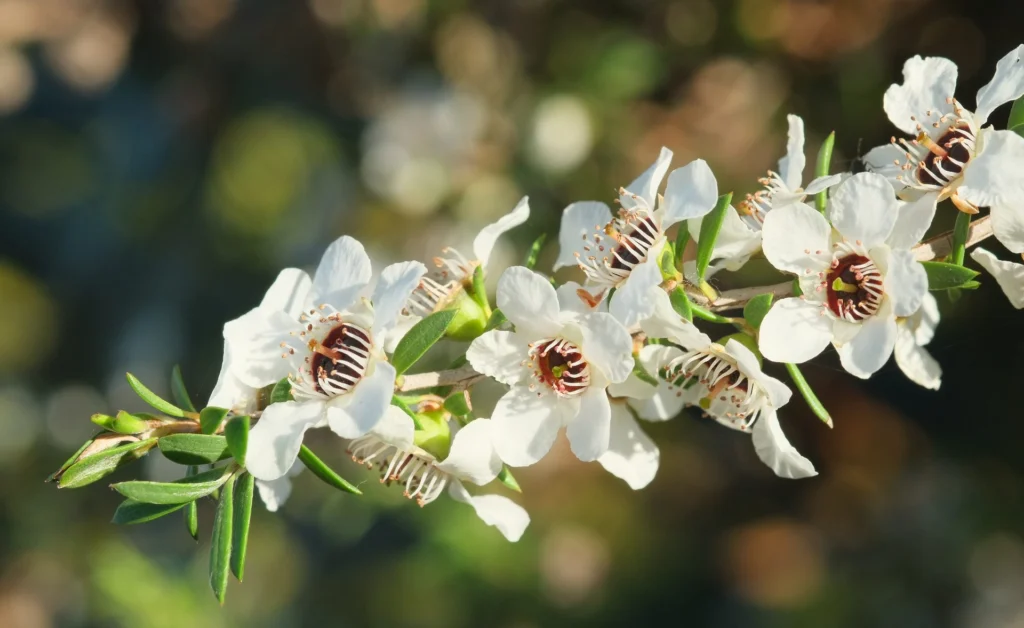
- Manuka chemistry. A 2023 study in Food Chemistry (PubMed 37329801) looked at why manuka loses diastase quickly. It found that methylglyoxal and dihydroxyacetone, the compounds behind manuka’s reputation, speed up the loss of diastase. Fresh manuka can already be near 8 DN without ever being heated.
- Which lab method was used. The Schade method uses potato starch, so it also picks up minor beta- and gamma-amylases. It often reads slightly higher than the Phadebas or nitrophenol methods, which only detect alpha-amylase. QSI puts the expanded measurement uncertainty at about 12% for Schade, 24% for Phadebas and 8% for nitrophenol. A result of 7.5 on one method may not be a real failure.
- Storage, not processing. USDA half-life figures put diastase at roughly 1,500 days at 68°F but about 540 days at 77°F. A year in a warm room can do more damage than a careful warming.
Why a Passing Number Doesn’t Prove Honey Is Raw
Diastase is the tougher of honey’s main enzymes. Bogdanov calls it relatively stable to heat and storage, while invertase breaks down much faster. So a brief pasteurization can leave a honey comfortably above 8 DN. His conclusion about freshness is blunt:
“…thus have a limited freshness indicating power. HMF is the better quality criterion…”
There’s also fraud. QSI reports that diastase is sometimes added to honey to cover heat damage or dilution with syrup. Labs catch this by testing for foreign amylases and for enzyme activity that survives strong heat. A single DN figure can’t rule it out. If a customer wants to know whether honey is raw, a DN result is one piece of evidence, not the answer. See raw vs processed honey for what “raw” can reasonably mean.
Do US Beekeepers Need a Diastase Test?
For most hobbyists, no. USDA grades are based on moisture, flavor, defects and clarity, and a refractometer and your own palate cover those (see USDA honey grading standards). DN matters when a buyer asks for it. That happens with export contracts, packers who follow EU or USP/FCC specifications, and premium buyers who want lab backing for a “raw” claim.
That makes it more relevant in the Red River Valley than in most places. USDA NASS reports that North Dakota produced 36.3 million pounds of honey in 2024 and ranked first in the nation for the twenty-first year in a row. Much of that crop goes to packers under written specifications. If you’re sending a sample:
- Don’t heat the sample to liquefy it. The Codex standard specifies that samples for diastase and HMF are prepared without heating. Stir crystallized honey cold, or send it as it is.
- Take the sample from the mixed lot, not the top of an unstirred tank, and record the lot code. Lot tracking links the result to specific jars.
- Keep warming cabinets and hot trucks in mind. Most DN loss in a honey house comes from time at temperature. See how to avoid overheating honey during extraction.
Frequently Asked Questions
What is a good diastase number for honey?
Anything at or above 8 DN meets the Codex and EU minimum. Many well-handled honeys test between 15 and 30. A higher number isn’t a sign of better flavor. It mostly reflects the floral source and gentle handling.
Are Schade units, Gothe units and DN the same thing?
Yes. They’re names for the same scale. Phadebas and nitrophenol results are also reported on the Schade scale, but they can come out slightly lower than Schade results for the same honey.
Does crystallized honey have a lower diastase number?
Crystallizing doesn’t destroy the enzyme. Heating the honey to reliquefy it does cost some activity, and more the hotter and longer it’s heated. That’s why lab samples shouldn’t be warmed before testing.
Can I test diastase at home?
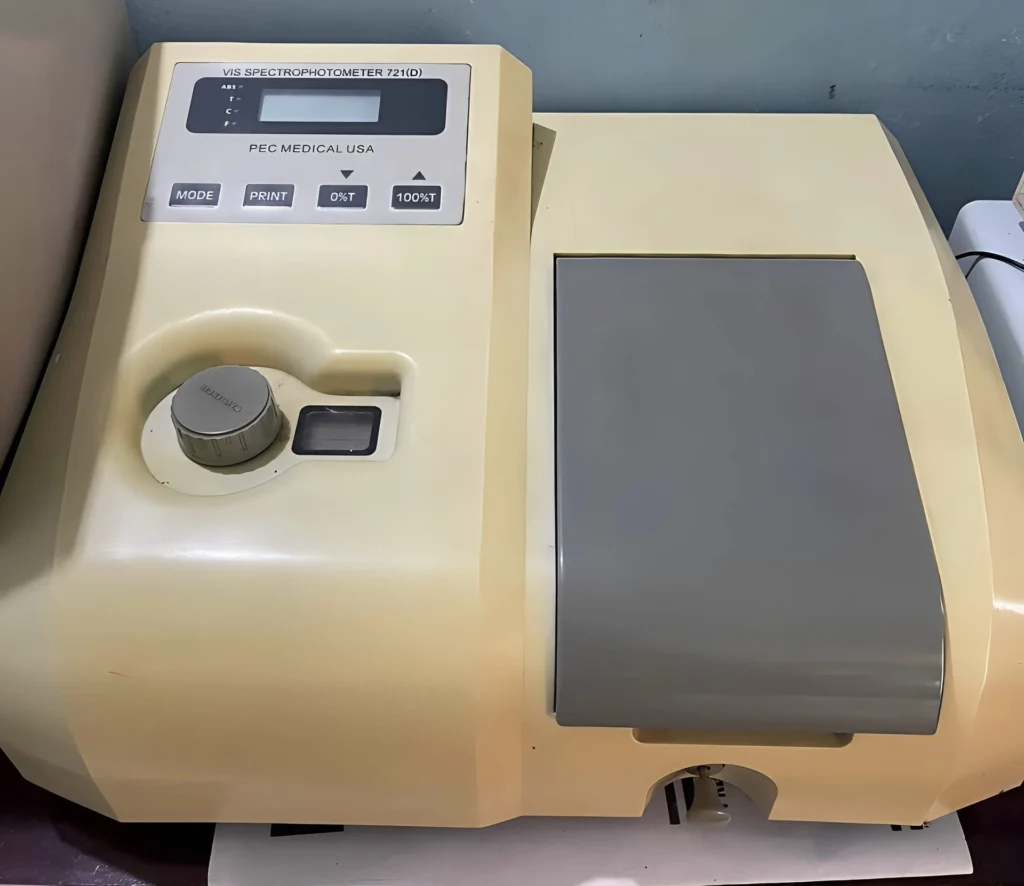
Not reliably. The methods need a controlled 40°C water bath, standardized starch or substrate reagents, and a spectrophotometer. Home tests for honey purity have similar limits. See testing honey purity at home.
Does a high diastase number mean honey is healthier?
No. Diastase breaks down starch and isn’t a meaningful dietary enzyme for people. It’s measured because it signals how the honey was handled, not because of any health benefit.
Why is manuka honey often low in diastase?
Its signature compounds, methylglyoxal and dihydroxyacetone, speed up the breakdown of diastase. So fresh, unheated manuka can test near or below 8 DN.
The Bottom Line
The diastase number is a sensible screening test for heat and storage damage. Read it alongside HMF and the floral source, and take the method’s margin of error into account. Don’t read too much into it in either direction: a low score isn’t proof the honey was overheated, and a high score isn’t proof it’s raw.


_flowers_on_a_single_twig.jpg)