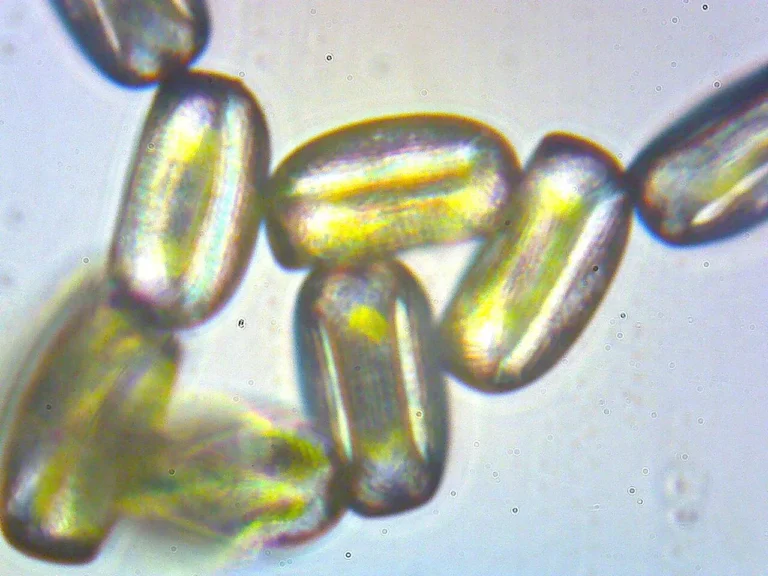
Melissopalynology for Beginners: Pollen ID in Honey
Melissopalynology for beginners: how pollen is extracted from honey and counted, how to read a lab pollen report, and where to get honey tested in the US.

Not all honey is created equal, and verifying quality — moisture content, purity, crystallization behavior, and adulteration — matters whether you’re selling at a farmers market or just want to know what’s actually in your own jars. This category covers practical testing methods available to beekeepers without a lab, what quality markers actually indicate, and how to catch problems like fermentation risk or contamination before they become customer complaints.
Moisture is the first thing to get right. Bees cap honey once it is ripe, but in a humid season capped frames can still read high, and extracted honey left uncovered keeps absorbing water from the air because it is hygroscopic. The posts explain how to read and calibrate a refractometer, what water activity adds to a plain moisture figure, and how to tell early fermentation from ordinary granulation. A second group covers the chemistry behind texture and grading: the glucose-to-fructose ratio that makes rapeseed or clover honey set within weeks while black locust stays liquid, the HMF and diastase values that reveal overheating, and electrical conductivity as a marker for honeydew honey.
The rest is bottling practice: settling time, skimming foam, bottling temperature and headspace, why bubbles or layers appear in a jar, and a checklist to run through before a label goes on.
Start here:
Melissopalynology for beginners: how pollen is extracted from honey and counted, how to read a lab pollen report, and where to get honey tested in the US.
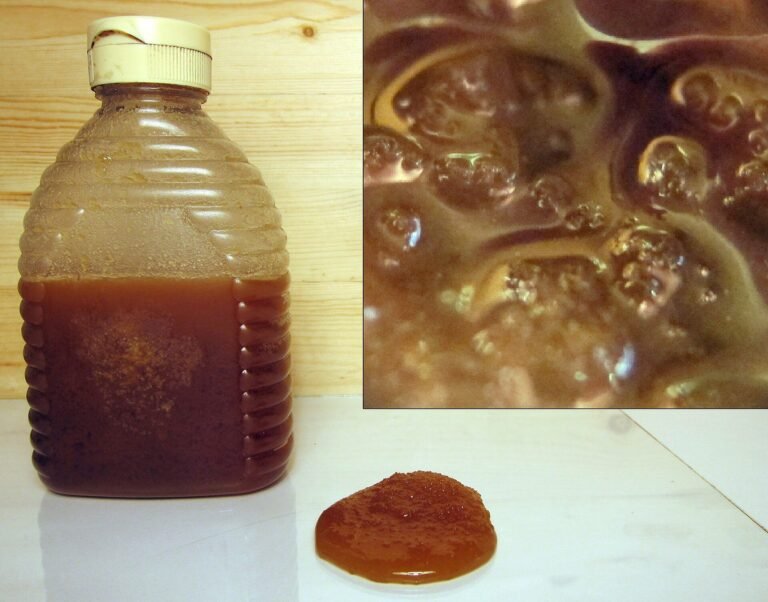
Learn how heating alters honey enzymes and understand its impact on honey's quality and nutritional value. Discover the best practices for handling honey.

Discover the role of chemical markers in monofloral honey for ensuring quality and authenticity in our research article.
Discover how floral source affects honey pH levels and understand the impact on honey's acidity and quality.
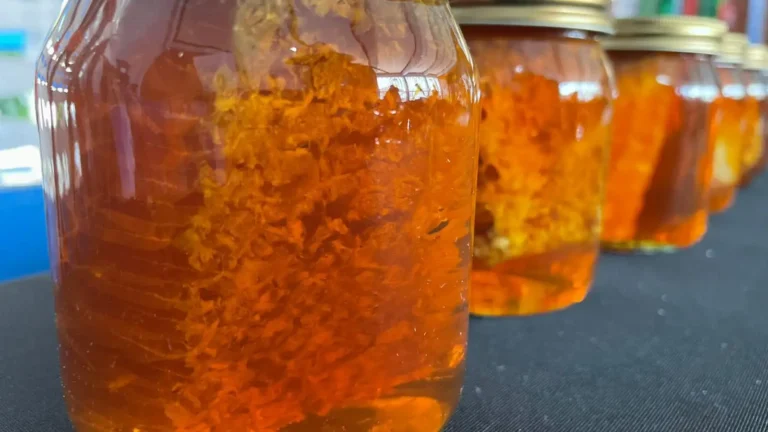
Store honey in a sealed glass or food-grade container, dry and out of the heat. This guide gives sourced numbers for temperature, moisture, crystallization, freezing and shelf life.
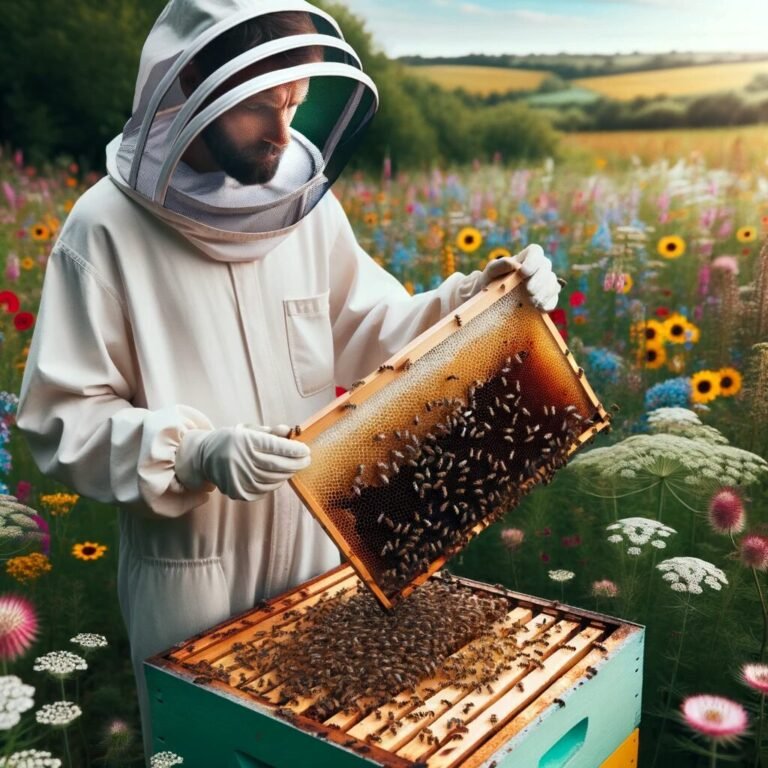
Nectar source, moisture, heat, storage and adulteration decide honey quality. See each factor, the lab marker it moves, and the official Codex and USDA limits.

USDA honey grading (U.S. Grade A, B, and C) is a voluntary point system built almost entirely from four measurable factors — flavor and aroma, absence of defects, clarity, and…