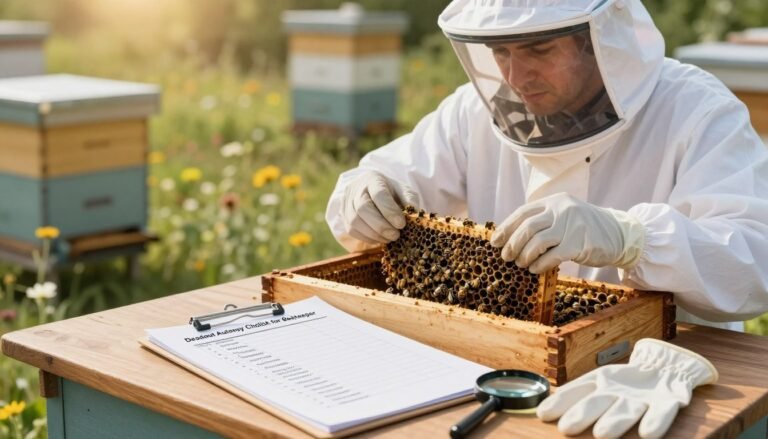
Deadout Autopsy Checklist for Beekeepers
Discover the essential deadout autopsy checklist for beekeepers to diagnose and understand colony losses, improving future beekeeping practices.

Most disease in an apiary is carried in by the beekeeper, on a hive tool, a swapped frame, a shared feeder or a box bought second-hand. Bees do the rest through drifting and robbing. The guides here are about closing those routes: yard layout that reduces drift, cleaning and sanitizing tools, gloves, extractors and uncapping knives, what to do with a deadout before any of its comb goes back into service, and how to move colonies between yards without moving trouble with them.
Three habits pay for themselves. First, treat a deadout as a diagnosis, not a resource: work out why it died before reusing anything, because scale from American foulbrood in old comb is invisible at a glance and a notifiable disease in most jurisdictions, while comb from a starved or mite-collapsed colony can usually go back in. Second, keep a separate hive tool, or scorch the one you have, between a sick colony and the rest of the yard, and inspect the suspect hive last. Third, sample every hive for mites rather than only the ones that look weak, since drift spreads mites evenly across a row.
These guides are for anyone running more than one hive, and essential for anyone running more than one yard.
Start here:
Discover the essential deadout autopsy checklist for beekeepers to diagnose and understand colony losses, improving future beekeeping practices.
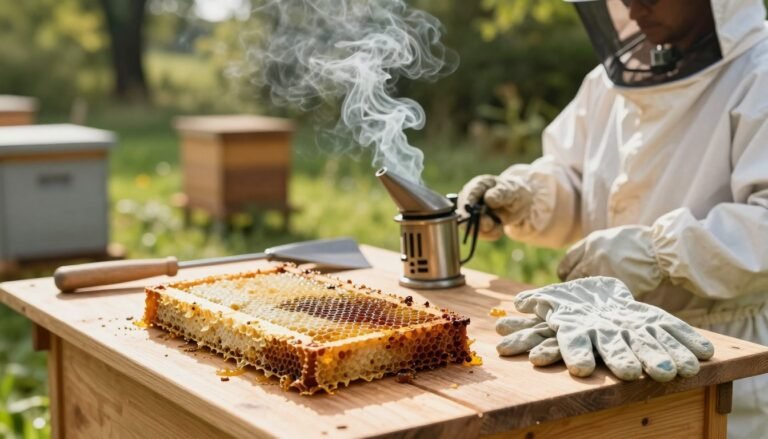
Learn the proper steps on how to store contaminated frames until disposal safely and effectively, ensuring compliance with current regulations.
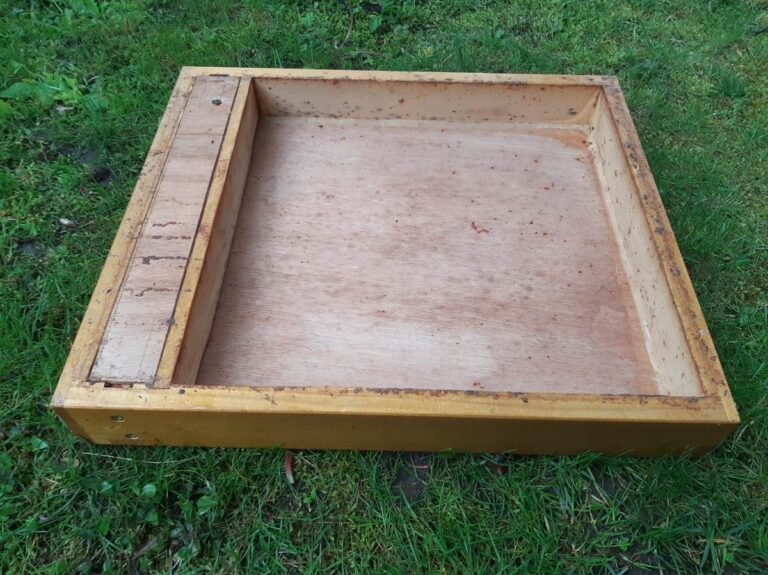
Learn techniques for cleaning feeders between colonies. Follow our guide to maintain healthy bees and prevent disease transmission effectively now.
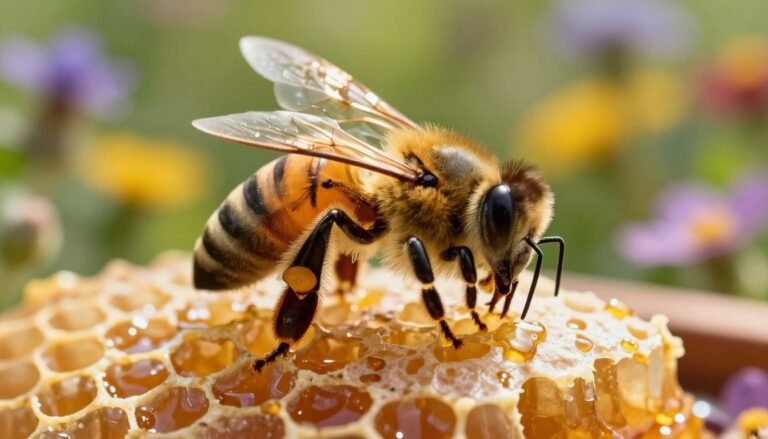
Discover the best practices for handling honey from a diseased colony. Learn what to do with honey from a diseased colony safely and effectively.
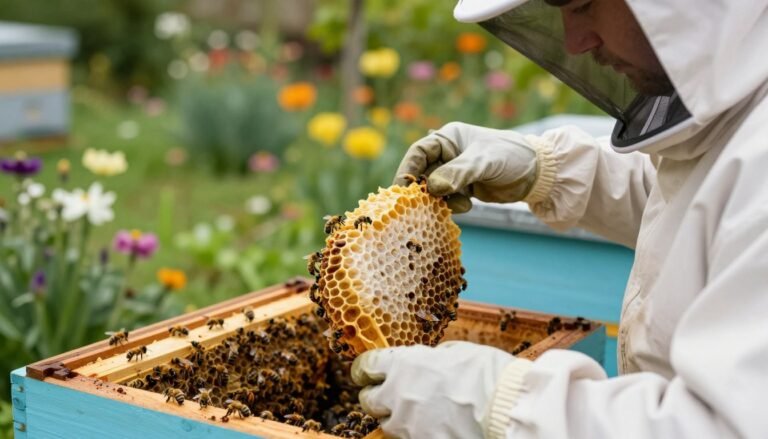
Learn how to handle burr comb from diseased hives effectively with our step-by-step guide. Discover best practices for beekeepers to maintain hive health.
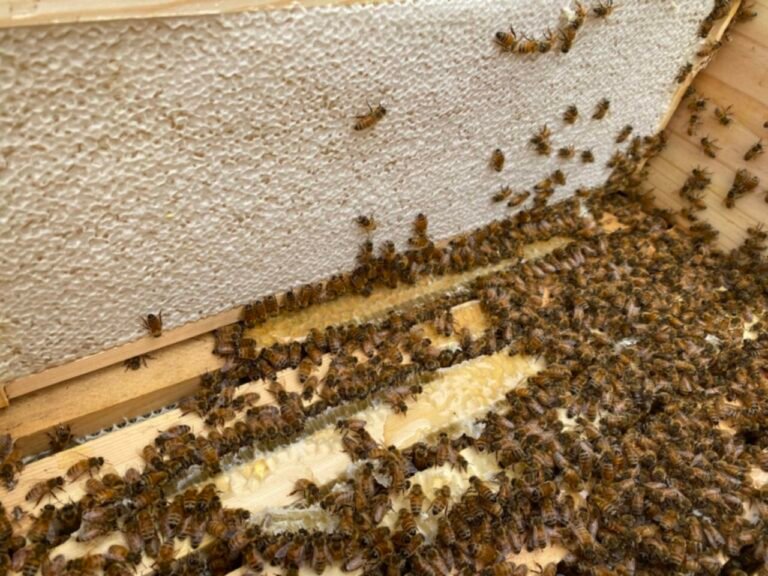
Learn if you can reuse frames from a dead colony and the steps to follow for safe and effective reuse in your beekeeping practices.
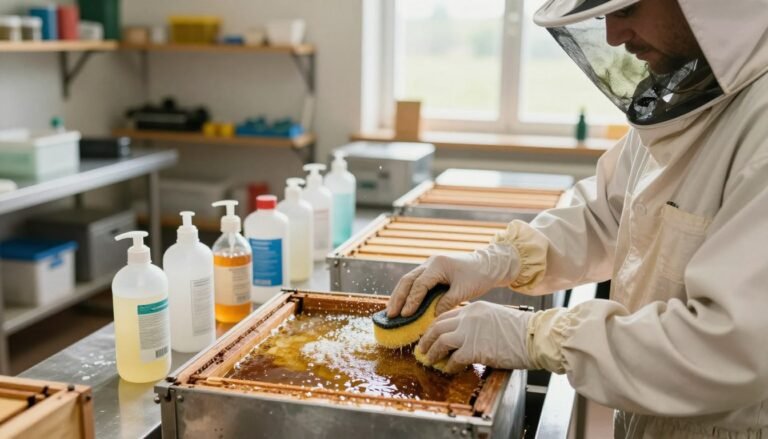
Get expert advice on sanitizing honey extractors after sick colonies. Our how-to guide helps beekeepers maintain healthy colonies and equipment.
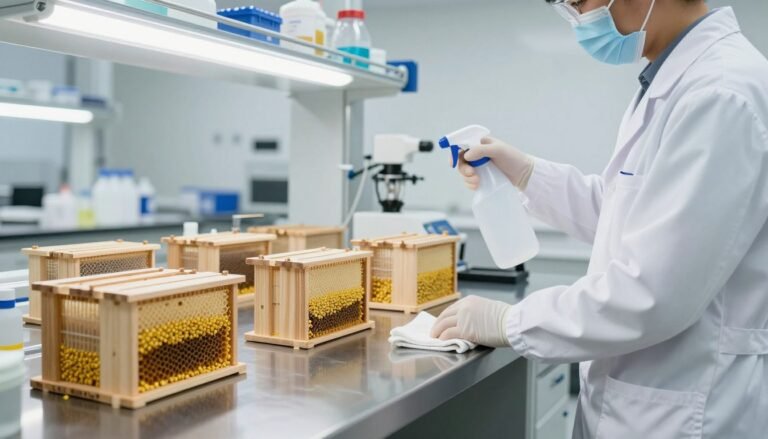
Learn the step-by-step process for disinfecting pollen traps and propolis traps effectively. Keep your beekeeping equipment clean and sanitized with our expert guide.
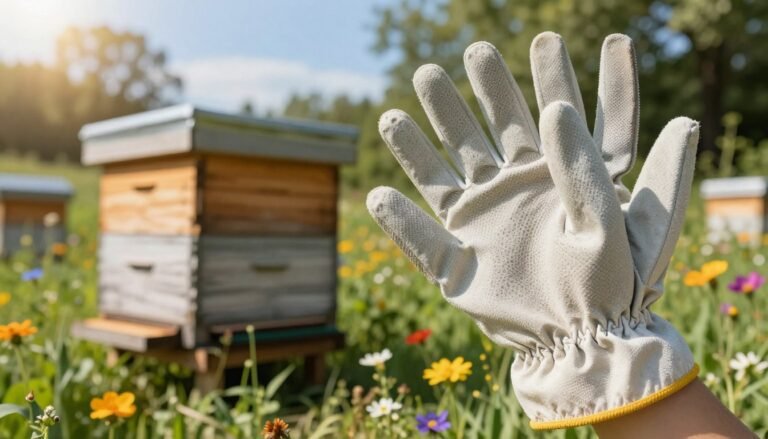
Choosing between disposable gloves vs reusable gloves in apiary work? Understand the advantages and disadvantages to protect yourself while beekeeping.
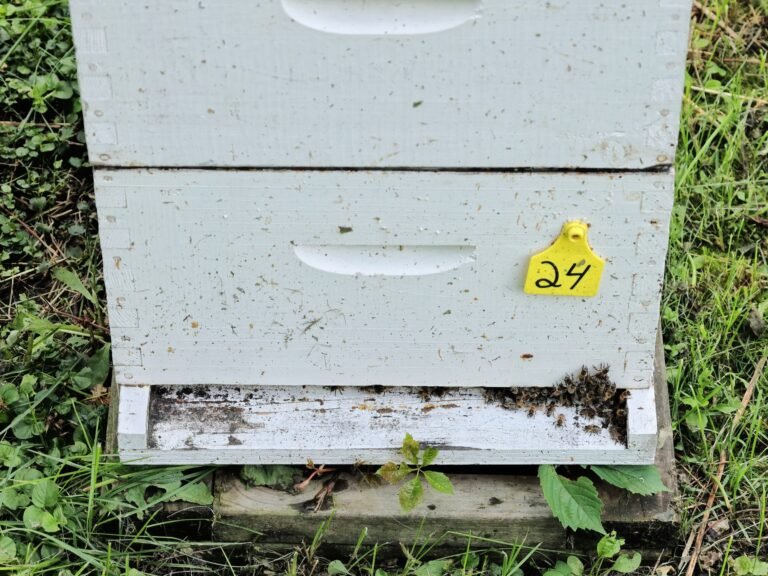
Discover the step-by-step guide on how to label quarantined hives in an apiary, enhancing apiary management and bee health.
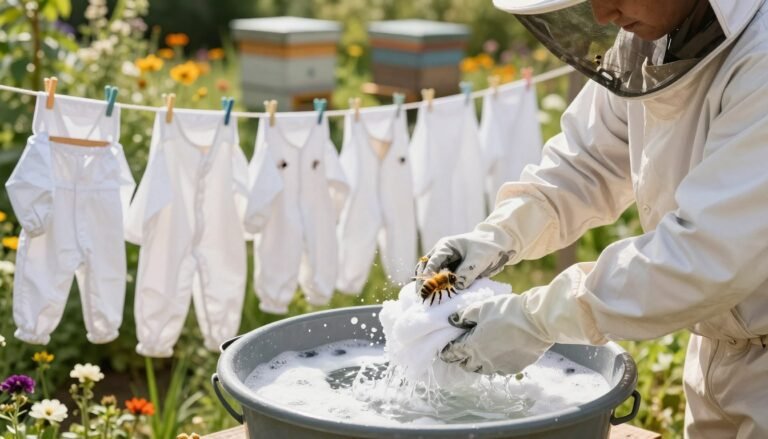
Learn the proper steps for washing bee suits after diseased hive inspections to prevent the spread of disease and maintain a healthy apiary.
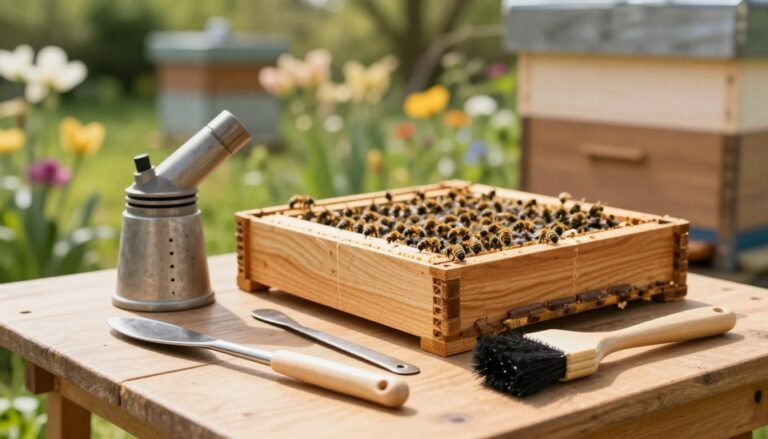
Learn how to prevent cross-contamination between hives with our expert guide. Discover best practices for maintaining healthy beehives and preventing disease spread.
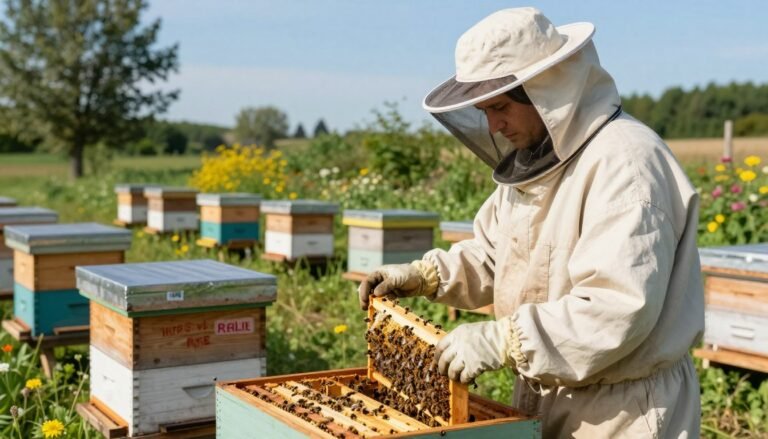
Discover the ultimate apiary biosecurity plan for small beekeepers. Learn how to protect your bees and apiary with our comprehensive guide.
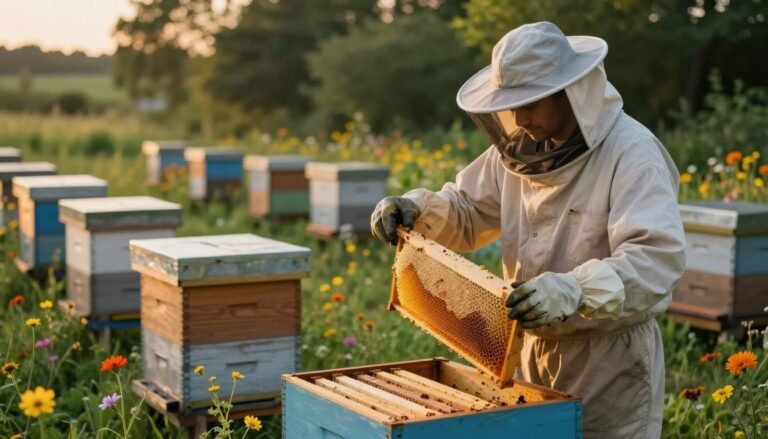
Learn when to discard comb after disease to keep your bees healthy. Follow our guide for beekeepers on maintaining a disease-free hive.
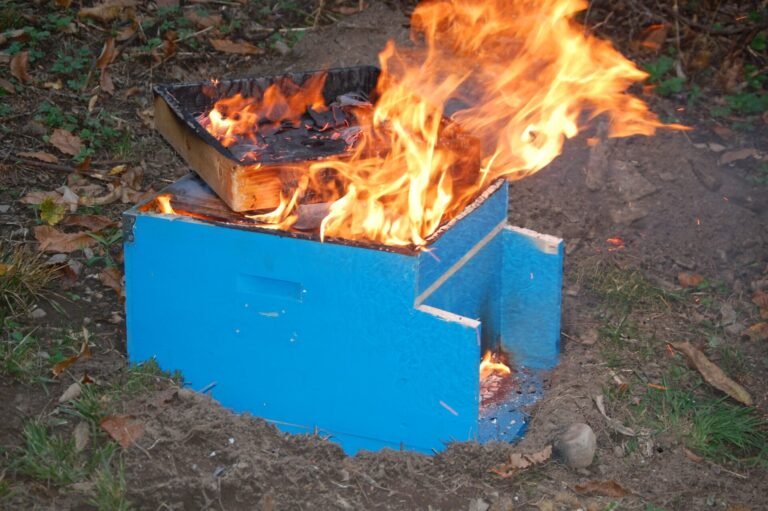
Learn the steps for properly disinfecting wooden hive equipment after disease to prevent the spread of illness in your beehives. Effective methods and best practices.
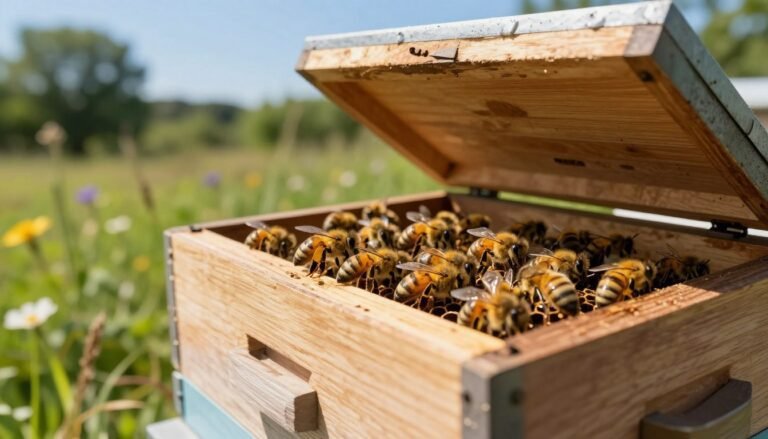
Learn how to quarantine new bees before adding to an apiary with our step-by-step guide. Discover the importance of isolating new bees to protect your existing colony.
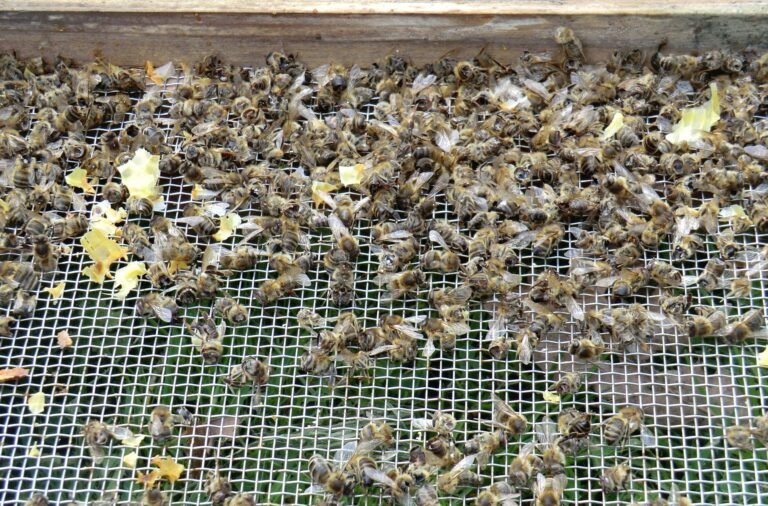
Close it up, rule out AFB, sort every frame into five piles, clean lightly, and freeze before the spring thaw. A practical deadout clean-out for cold climates.

Get expert advice on how to prevent drifting between hives. Follow our step-by-step guide to optimize your apiary's performance.