Reviewed by Daniel M. · How we review
A crocus is a small, cup-shaped flower that grows from a corm and blooms in late winter or early spring, usually 2 to 6 inches tall. Plant the corms in fall, about 3 to 4 inches deep, in sunny, well-drained soil in USDA zones 3 to 8. Crocuses are one of the first flowers bees can use each year. Do not confuse them with the toxic “autumn crocus” (Colchicum), which is a different plant.
This guide covers the true crocuses (genus Crocus) that US gardeners grow, from spring and snow crocus to the fall species and saffron. The bloom chart and bee counts come from US iNaturalist records we pulled on November 19, 2026.
Key Takeaways
- Of 24,174 dated US iNaturalist observations of crocus, 93.2% fall between February and April and 60.4% in March alone.
- Plant in September or October in the North and October or November in the South, once soil cools to about 50 to 55°F, roughly 2.5 to 4 inches deep.
- Of 697 US iNaturalist records of animals visiting crocus flowers, 599 (85.9%) were bees: 313 honey bees and 286 native and other bees.
- In a lawn, wait to mow until the crocus leaves turn yellow. NC State Extension reports Tommasini’s crocus as resistant to squirrels.
- Spring crocus can upset a pet’s stomach. Autumn crocus (Colchicum) is a different, highly toxic plant; call your vet or ASPCA Animal Poison Control at (888) 426-4435.
Table of Contents
- What a Crocus Is
- Crocus Types Compared
- When Do Crocuses Bloom? Our iNaturalist Data
- Do Bees Like Crocus?
- When and How to Plant Crocus Bulbs
- Growing Crocus in a Lawn
- Crocus in Containers and Forcing Indoors
- Squirrels, Voles and Deer
- Autumn Crocus vs Fall Crocus: Why the Difference Matters
- Saffron Crocus in Brief
- Frequently Asked Questions
- The Bottom Line
What a Crocus Is
Crocus is a genus of about 90 species in the iris family, native from the Mediterranean and eastern Europe to northwest China, according to the NC State Extension Plant Toolbox. Each plant grows from a corm, a swollen stem base, though catalogs sell them as bulbs. The narrow leaves have a pale silver-white central stripe, and the flowers close at night and on cloudy days.
A true crocus flower has three stamens. University of Wisconsin–Madison Extension uses that count to separate it from Colchicum, the plant often sold as “autumn crocus”, which has six. NDSU Extension adds that the prairie crocus of pastures and hilltops is a different plant. NDSU’s Kelsey Deckert also notes that the National Garden Bureau named the crocus one of its 2026 Plants of the Year.
Crocus Types Compared
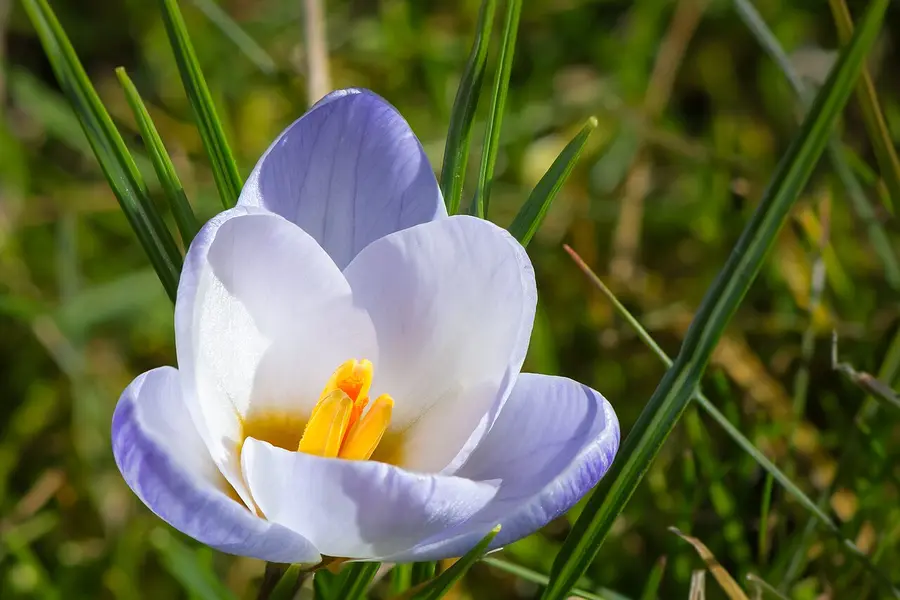
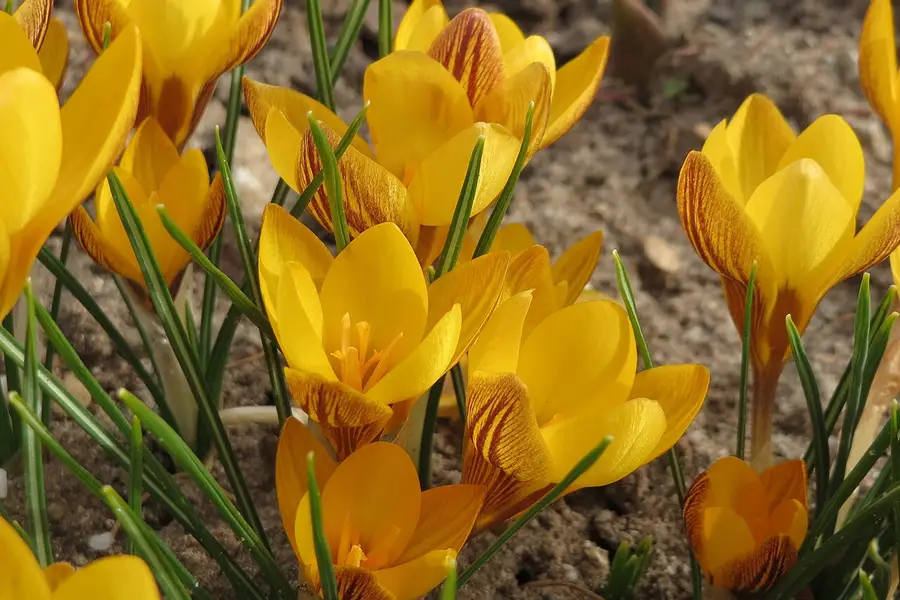
Gardeners mostly buy three spring groups: Dutch crocuses (large-flowered C. vernus hybrids), snow crocuses (C. chrysanthus cultivars) and Tommasini’s crocus, or “tommies” (C. tommasinianus). Garden Design describes snow crocuses as smaller and earlier than Dutch types. Common names overlap, though. NC State calls C. tommasinianus “snow crocus” too, and iNaturalist lists it as woodland crocus, so check the Latin name on the label.
| Crocus | Species / group | Bloom time | Height | Hardiness (USDA zones) | Squirrel resistance (only as sourced) | Bee notes | Source |
|---|---|---|---|---|---|---|---|
| Spring or Dutch crocus | C. vernus and its hybrids | Later than snow crocus; US records peak in March (65.8%) with 24.6% in April | 4–5 in (‘Flower Record’) | 3–8 | No species rating found | Only 2 iNaturalist visit records name this species | Garden Design; BHG; iNaturalist |
| Snow crocus | C. chrysanthus cultivars | Earlier than Dutch types; 34.0% of US records in February | 3–6 in (‘Cream Beauty’); 2–3 in (‘Goldilocks’) | 3–8 | No species rating found | 7 iNaturalist visit records name this species | Garden Design; BHG; iNaturalist |
| Tommasini’s crocus (“tommies”) | C. tommasinianus | Late winter to early spring; 30.6% of US records in February | 4–6 in | 3a–8b | “reportedly resistant” to squirrels (NC State); “said to be less tasty” (Garden Design) | 32 iNaturalist visit records, 13 of them honey bees | NC State; Garden Design; iNaturalist |
| Golden Yellow crocus | C. flavus ‘Golden Yellow’ | Early spring | Not given in our sources | Not given in our sources | No rating found | Persisted three years in Arkansas lawns and drew honey bees | HortScience (2019) |
| Saffron crocus | C. sativus | Fall, for 1–2 weeks; 66.9% of US records in October | 6–10 in | 5a–8b | Rodents eat the corms | 1 iNaturalist visit record | NC State; iNaturalist |
| Showy autumn crocus | C. speciosus | Early fall; 81.6% of US records in October | Under 6 in (Fine Gardening); 6–7 in (CSU) | 3–8 (Fine Gardening) | Mice, voles and squirrels may eat the corms | No iNaturalist visit records | Fine Gardening; CSU Extension; iNaturalist |
| Not a crocus: autumn crocus, meadow saffron | Colchicum autumnale | September (70.2% of US records) | Flowers on 4–6 in stalks; spring leaves 8–14 in | 4a–9b (NC State); 5a–9b (UW–Madison) | No squirrel rating; NC State says rabbits leave it alone | NC State calls it very attractive to bees; only 5 iNaturalist visit records | NC State; UW–Madison Extension; iNaturalist |
Spring-group zones are the genus range from Garden Design. Monthly shares use each species’ US iNaturalist observations, all grades. Visit counts are records naming that exact species; most crocus visits are tagged only to genus.
When Do Crocuses Bloom? Our iNaturalist Data
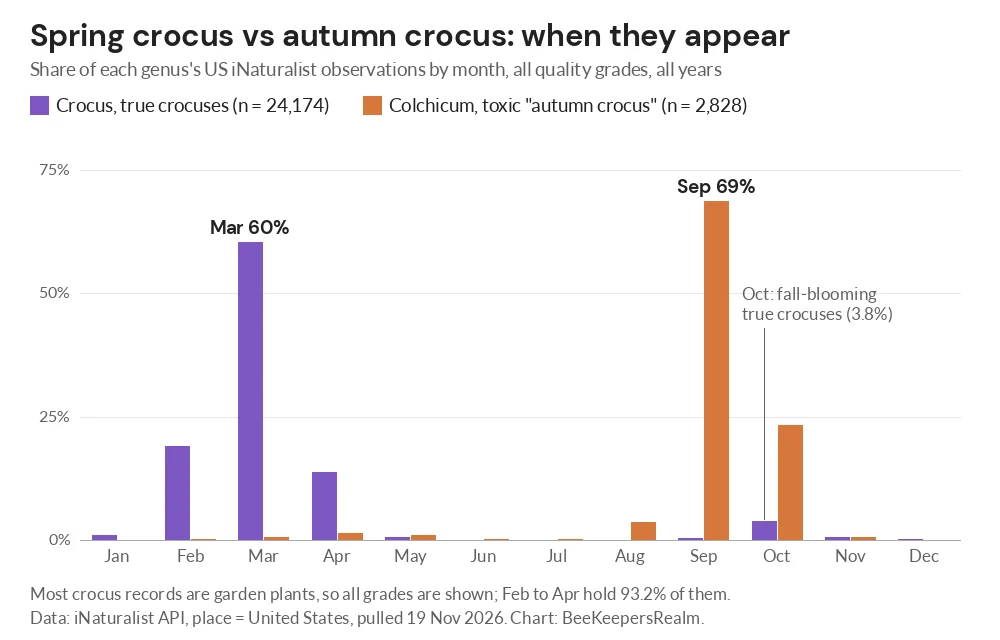
Crocuses bloom in late winter and early spring; NC State lists February and March. We pulled every US iNaturalist observation of the genus: 24,274 records, 24,174 of them dated. February held 19.1%, March 60.4% and April 13.7%, so 93.2% fell between February and April. Of the 2,515 dated records annotated as flowering, 93.9% fell in the same three months.
On data grade: most of these photos show garden plants, so only 2,240 records (9.2%) are research grade and 6,183 (25.5%) are flagged as cultivated. That is why the chart uses all grades. The research-grade records alone still put 88.3% between February and April.
The species follow the order Garden Design describes. Snow crocus and tommies come first, with 34.0% and 30.6% of their US records in February, against 7.9% for spring crocus. The small October bump (923 records, 3.8%) is the fall-blooming true crocuses. Colchicum is almost all autumn: 68.7% of its 2,828 dated US records fall in September and 92.7% between September and November.
Do Bees Like Crocus?
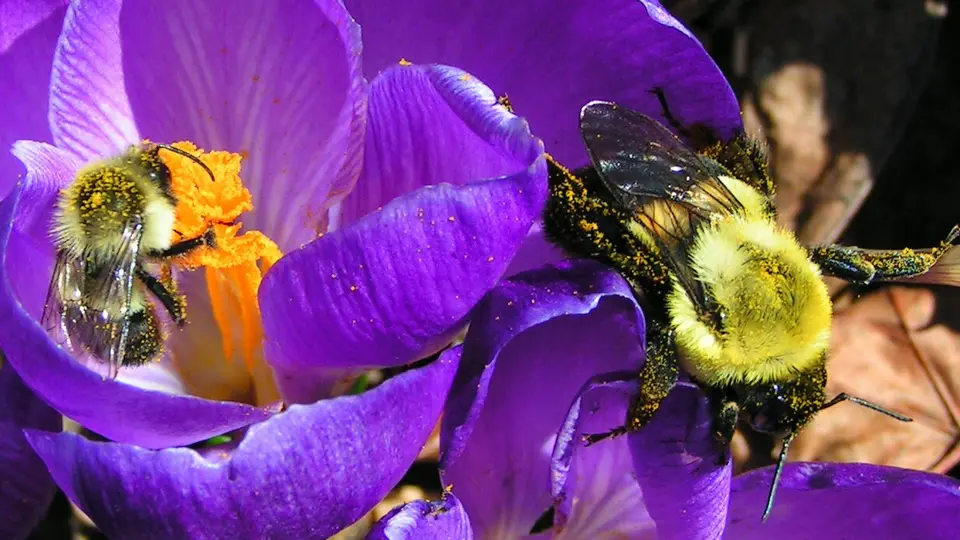
Yes, and timing is the reason. Illinois Extension recommends planting crocus with snowdrops, Siberian squill and grape hyacinth because “Bumblebee queens, honey bees and solitary bees start emerging from their winter homes ready to feast on the landscape as early as March.” Our guide to early-blooming nectar trees covers the maples and willows that flower at the same time.
Weather decides whether bees can use the flowers on a given day:
“Honey bees forage when temperatures are 55 degrees and higher; they do not forage in rain or in wind stronger than 12 miles per hour.”
Bumble bees can work in colder air. A 2017 Scientific Reports study notes that bumble bees (Bombus terrestris in that study) fly at low temperatures where other insects cannot, by pre-warming their flight muscles. Our bumblebee guide covers how queens start colonies in spring, and beekeepers can check how cold is too cold to open a hive.
Research backs this up. In a three-year University of Arkansas trial published in HortScience in 2019, researchers planted 30 early-spring bulbs in bermudagrass and buffalograss lawns. Crocuses and grape hyacinths were the main bulbs attracting pollinators, “principally honey bees.” Counts were taken only on winter days above 10°C (50°F), and in 2017 bees foraged on crocus ‘Blue Pearl’ and ‘Golden Yellow’.
Which bees visit crocus? What our data shows
iNaturalist users can tag a photo with the flower an insect was visiting. In the US, 697 observations are tagged as visiting a crocus, and 599 (85.9%) were bees. Honey bees were the largest group with 313 (44.9%), but 286 (41.0%) were other bees: 76 mining bees, 50 bumble bees, 48 cellophane bees (46 of them the unequal cellophane bee, Colletes inaequalis), 38 mason bees, 30 sweat bees and 44 others. Most bee records were dated March (57.8%) or April (33.9%).
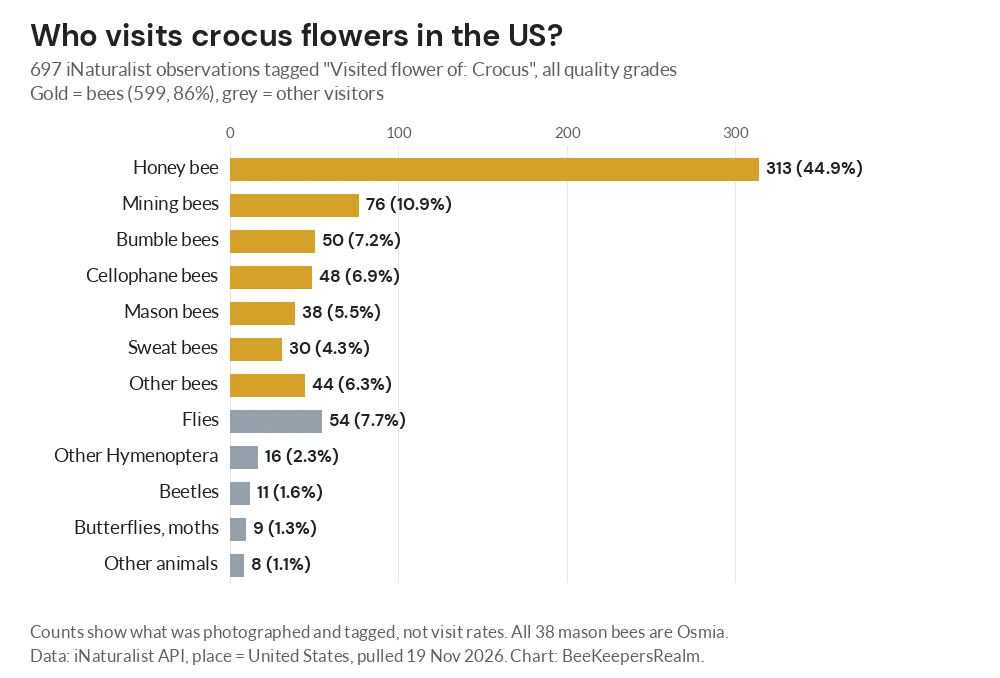
These are records of what people photographed and tagged, not measured visit rates, and easy-to-identify honey bees are probably overrepresented. The research-grade subset (514 records) leans further toward them: 310, or 60.3%. The native bees on the list are early-season species covered in our guides to mining bees and mason bees.
When and How to Plant Crocus Bulbs
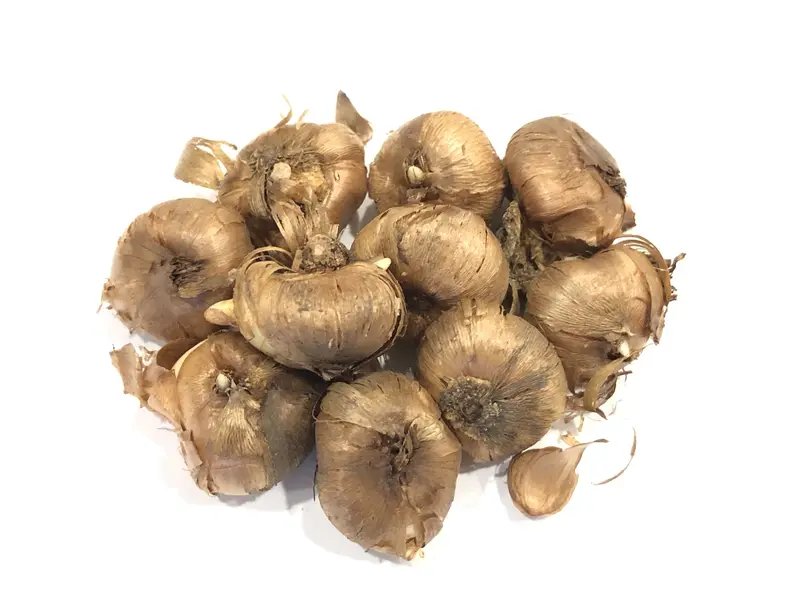
Plant spring crocuses in fall. Garden Design and The Old Farmer’s Almanac both give September to October for the northern US and October to November for the South. BHG says to plant when the soil is about 55°F. UW–Madison Extension’s Lisa Johnson says to start once the ground is about 50 to 55°F and continue until a couple of weeks before it freezes. NDSU Extension suggests six to eight weeks before the first frost, so roots can grow before winter.
- Depth: NC State’s genus page says about 2.5 inches deep and 2 inches apart. Its Tommasini’s crocus page and NDSU say 3 to 4 inches deep and 3 to 4 inches apart, pointed tip up. UW–Madison’s rule is two to three times as deep as the bulb is tall.
- Soil: Gritty and well drained. NC State says to avoid heavy clay, and UW–Madison’s Bruce Spangenberg calls poor drainage the biggest problem with spring bulbs.
- Light: Full sun to part shade (NC State).
- After bloom: Keep the foliage for about six weeks, since the leaves make food for next year’s flowers, and divide clumps about every four years (NC State).
- Fall species: Plant during the July and August dormant period, flattest side down, 3.5 to 4 inches deep (CSU Extension).
Warm-winter areas are the exception. UC Master Gardeners in Butte County, California, chill crocus corms in the refrigerator for 10 weeks, plant them in November or December and treat them as annuals. UF/IFAS Extension’s Osceola County office in central Florida says winters there are not cold enough for crocus to survive. For warm regions, our list of native plants for pollinators has better-suited options.
Growing Crocus in a Lawn
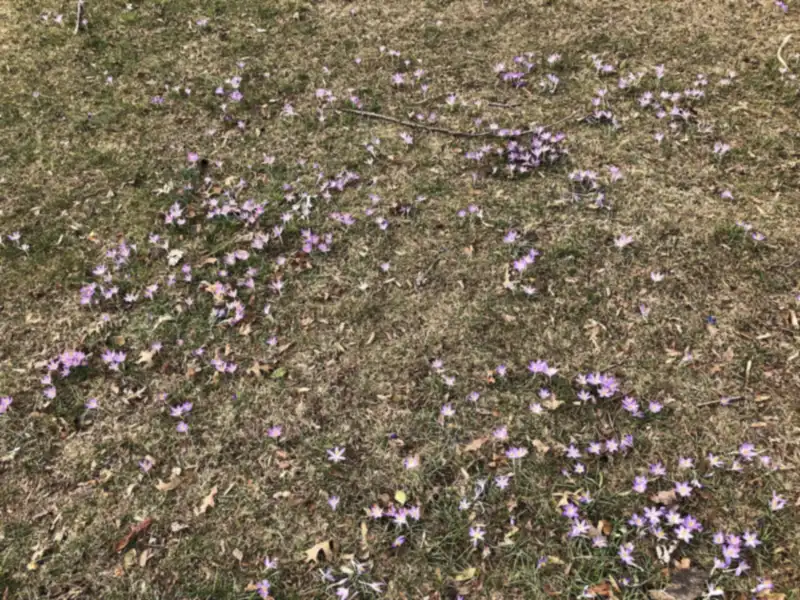
Crocus planted in grass feeds early bees without giving up the lawn, a simple first step in turning a lawn into pollinator habitat. The key is mowing. NC State’s Tommasini’s crocus page says to wait until the leaves turn yellow before you mow, and BHG warns that in some areas this means waiting until mid- to late June.
The Arkansas HortScience trial shows that species choice matters too. The researchers did not mow until the second week of May. Many bulbs flowered well in the first year, but flowering dropped in years two and three. Only five entries kept flowering in both grasses, and C. flavus ‘Golden Yellow’ was the only crocus among them. In cooler lawns, NC State lists tommies as tolerant of deer and black walnut.
Crocus in Containers and Forcing Indoors
Sources disagree on pots. BHG says crocuses are not suitable for containers, because potted corms go through freezing and thawing whatever the pot size. Epic Gardening says some species grow better in pots, where they get sharp drainage and warmth. The difference is mostly climate: freeze-thaw is a cold-winter problem.
Forcing crocus indoors needs a cold spell first, and two University of Wisconsin sources give different times. The Wisconsin Horticulture forcing guide lists 15 to 17 weeks at 35 to 45°F. Dane County Extension gives 12 to 14 weeks for Dutch crocus at 35 to 38°F, then 2 to 3 weeks of warmth to bloom. Plant the corms shallowly, under 1/2 to 1 inch of potting mix, and if you chill them in a refrigerator, keep them away from apples, which release ethylene.
Squirrels, Voles and Deer
Newly planted corms are most at risk. NC State says squirrels are adept at digging them up, and UNH Extension says freshly planted tulips, and to a lesser extent crocus, are regularly eaten by voles, chipmunks and deer. The Almanac’s crocus page gives mixed advice on squirrels, so physical steps are the safer bet:
- Choose tommies. NC State says Tommasini’s crocus is “reportedly resistant to foraging by squirrels as well.”
- Cover the bed. UW–Madison suggests chicken wire laid over the soil and weighted down, removed in spring, or chicken grit about 1/2 inch below the surface.
- Cage the corms. UNH suggests 1/2-inch galvanized hardware cloth cages buried at planting depth. For voles, NC State Extension in Beaufort County says the openings should be 1/4 inch or smaller.
- Skip bone meal. UNH notes it can attract rodents, and repellents must be reapplied after rain.
- Plant late. BHG suggests planting just before the ground freezes, giving animals less time to find fresh corms.
None of these puts a pesticide near the flowers bees will visit. NC State rates the genus as deer resistant, but UNH’s note shows that is not a guarantee.
Autumn Crocus vs Fall Crocus: Why the Difference Matters
This section is educational information, not medical or veterinary advice.
“Fall crocus” and “autumn crocus” sound alike but can be two different genera. Fall-blooming true crocuses, such as C. speciosus and saffron crocus, are in the iris family. The plant usually sold as autumn crocus in the US is Colchicum, which UW–Madison Extension says is not a true crocus, belongs to the lily family and is toxic. The ASPCA lists Colchicum autumnale as toxic to dogs, cats and horses because of colchicine and other alkaloids. Signs include bloody vomiting, diarrhea, shock, multi-organ damage and bone marrow suppression.
Spring crocus is much less dangerous, but not harmless:
“The spring Crocus can cause gastrointestinal upset like vomiting, diarrhea and drooling if any of the plant is ingested.”
An ASPCA toxicology brief says crocus ingestions usually cause no more than mild stomach upset, while Colchicum can be fatal. If an autumn-blooming “crocus” was eaten and nobody is sure which plant it was, the brief advises treating it as Colchicum. Colchicine is concentrated in the corm and seeds, but all parts are toxic.
| Feature | True crocus (Crocus) | Autumn crocus (Colchicum) |
|---|---|---|
| Family | Iris family | Lily family (as UW–Madison places it) |
| Stamens | 3 | 6 |
| Typical height | Generally 6 in or less | 8–12 in |
| Leaves | Narrow, with a pale central stripe | Broad, 8–14 in, up in spring and gone by summer; flowers emerge later on bare stalks |
| Main bloom in US iNaturalist records | February to April (93.2%) | September to November (92.7%) |
| Pet toxicity (ASPCA) | Gastrointestinal upset | Toxic to dogs, cats and horses; can be severe |
Heights from the ASPCA toxicology brief (Veterinary Medicine, 2002). Stamens and Colchicum leaves from UW–Madison Extension; crocus leaves from NC State.
If a pet eats any part of a Colchicum, call your veterinarian or ASPCA Animal Poison Control at (888) 426-4435 (a consultation fee may apply). If a person eats it, call Poison Control at 1-800-222-1222, which is free and confidential. This is a pet and human hazard; for plants that actually harm bees, see our guide to plants toxic to bees.
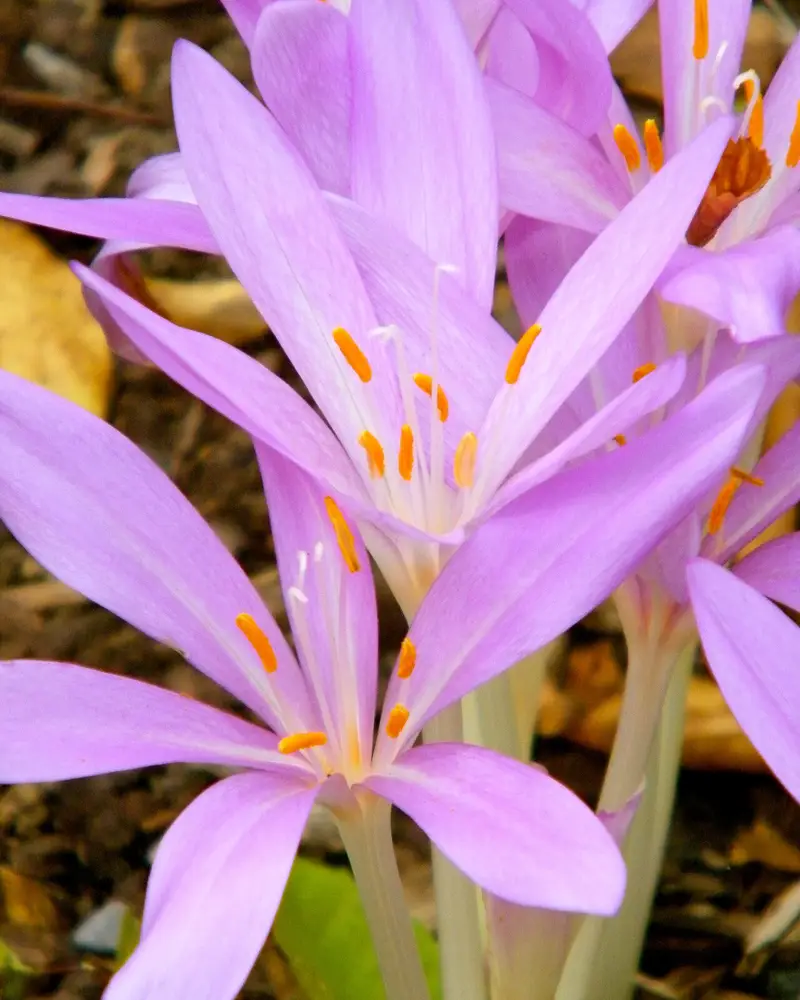
Saffron Crocus in Brief
Saffron comes from Crocus sativus, a fall bloomer that NC State says is unknown in the wild and the product of about 3,500 years of selective breeding. It is rated for zones 5a to 8b, grows 6 to 10 inches tall and flowers for one to two weeks. Plant the corms 4 inches deep and 4 inches apart (see the NC State saffron crocus page). Never use the look-alike instead:
“C. autumnale or C. speciosum should definitely not be used in place of saffron in cooking because eating any part of this plant can be fatal.”
Those are Colchicum species, not the true C. speciosus crocus in the table above.
Frequently Asked Questions
Do crocuses come back every year?
Yes, in zones 3 to 8 they are perennials; NC State advises keeping the foliage about six weeks after bloom to feed next year’s flowers. In mild Butte County, California, UC Master Gardeners treat them as annuals.
Do crocuses spread?
Yes. NDSU Extension says crocuses self-seed in undisturbed areas and gradually spread into clusters, and NC State suggests dividing clumps about every four years.
Do squirrels eat crocus bulbs?
They dig up newly planted corms, NC State says. Plant Tommasini’s crocus, which NC State reports as resistant, and cover new plantings with chicken wire or hardware cloth.
Are crocuses deer resistant?
Mostly. NC State rates the genus as deer resistant, but UNH Extension reports deer eating freshly planted crocus, though less than tulips.
Can crocus grow in shade?
Part shade works, according to NC State. The flowers close on cloudy days, so they open best in sun.
Are crocuses toxic to dogs and cats?
Spring crocus can cause vomiting, diarrhea and drooling, the ASPCA says. Autumn crocus (Colchicum) is far more dangerous; call your vet or ASPCA Poison Control at (888) 426-4435.
Are crocuses native to North America?
No. NC State gives their native range as the Mediterranean and eastern Europe to northwest China. The prairie crocus of North American pastures is a different plant, NDSU Extension notes.
Do crocuses grow in Florida?
Not reliably. UF/IFAS Extension in Osceola County says winters there are not cold enough for crocus to survive. Pre-chilled corms can be grown as annuals, as UC Master Gardeners do in mild California winters.
The Bottom Line
Plant crocus corms in fall, in sun and sharp drainage or in a lawn you can leave unmowed until the leaves yellow, and choose tommies where squirrels dig. They feed honey bees, bumble bee queens and early native bees on the first warm days. Follow them with creeping phlox, salvia and other plants for honey production, or browse our pollinator gardening section. Keep Colchicum away from pets and out of the kitchen.
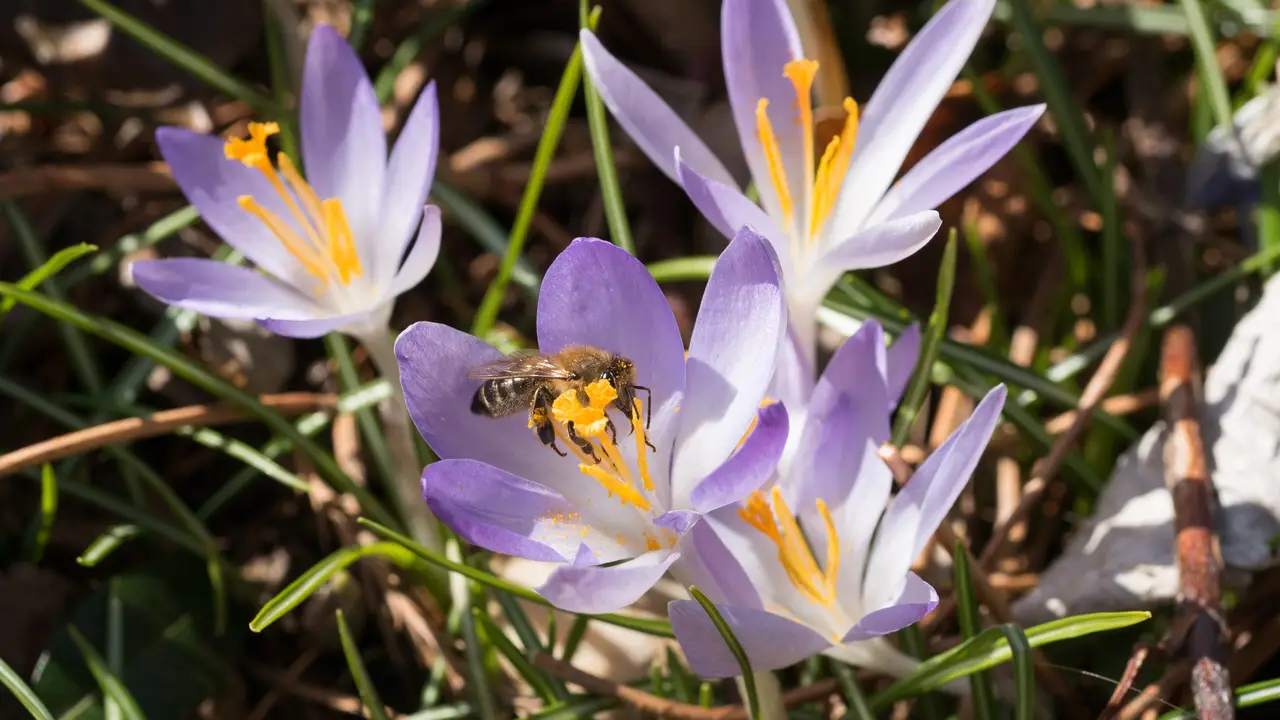
Image credits: featured photo of a honey bee on Tommasini’s crocus at Brooklyn Botanic Garden by Rhododendrites, via Wikimedia Commons, CC BY-SA 4.0, cropped and resized. Charts by BeeKeepersRealm from iNaturalist data.