
The Solitary Bee Life Cycle: From Egg to Next Spring
A solitary bee’s life cycle has no queen, no colony, and no honey: one female builds a nest alone, packs each cell with a ball of pollen and nectar, lays…

Gardening for honeybees, native bees, butterflies and other pollinators: plant choices, garden design, and habitat for the many bee species that are not honeybees. Most bees in a North American garden are solitary. The female provisions her own nest in the ground, a hollow stem or an old beetle hole, and dies long before her offspring emerge the following spring. Gardening for them is a different task from keeping honeybees.
One group profiles the native bees you are likely to meet: mason and leafcutter bees in orchards and stem bundles, squash bees in pumpkin flowers before sunrise, mining and sweat bees in bare ground, bumblebees, wool carder bees and cuckoo bees, plus an identification chart sorted by nesting behavior. A second group covers the garden itself: fall-blooming flowers, container gardens, companion planting, and what the research says about lavender, No Mow May and bumblebee nest boxes. A third looks at habitat: bee bricks, mason bee houses that do not become a disease trap, and pesticide-free lawn care.
It is for gardeners who want their planting to do real ecological work, for beekeepers wondering whether their hives compete with wild bees, and for anyone who has found an unfamiliar bee. For more on planting and pollination, see our guides to ground cover plants for apiaries, reforestation trees for pollinators and why vanilla needs a bee it does not have.
Start here:
A solitary bee’s life cycle has no queen, no colony, and no honey: one female builds a nest alone, packs each cell with a ball of pollen and nectar, lays…

Honeybees understandably get most of the public attention, but this site now covers well over a dozen distinct native North American bee species, each with genuinely distinct nesting behavior, foraging…

In the arid Southwest, prickly pear and other cactus flowers rely heavily on one group of hard-working specialists: cactus bees in the genus Diadasia. Genuinely well-adapted to a demanding desert…

Small, dark, mostly hairless, and easy to mistake for a wasp at a glance — yellow-faced bees in the genus Hylaeus break several of the visual rules most people use…

Every bumblebee queen most people picture starts her own colony from scratch — finding a nest site, laying eggs, and raising the first generation of workers herself. Cuckoo bumblebees, classified…

Almost every single bee covered on this site forages for essentially the same two basic things — nectar and pollen. Oil-collecting bees break that pattern entirely: certain native bees, most…

In the alfalfa seed-growing regions of Washington and Idaho, some farmers maintain something most beekeepers have never heard of: a deliberately engineered patch of salty, compacted soil called a “bee…
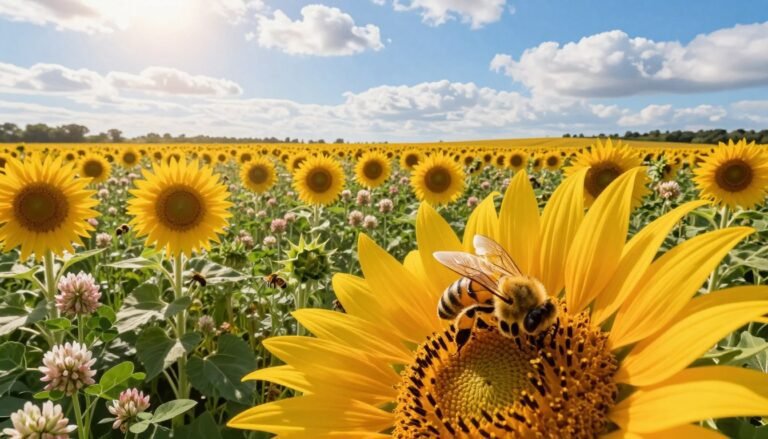
Look closely at a cluster of bees seemingly asleep on a wilted flower stem in the early morning, antennae draped well past their own body length, and there’s a good…
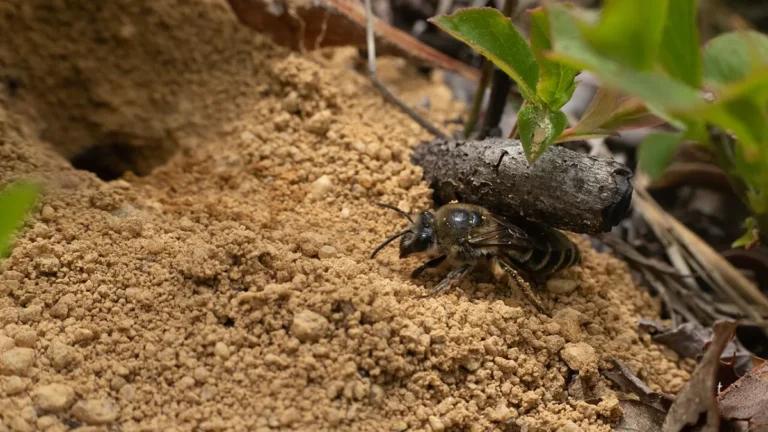
Few native bees have a nesting behavior quite as genuinely unusual as plasterer bees, which line the inside of their underground nest cells with a smooth, waterproof secretion that dries…
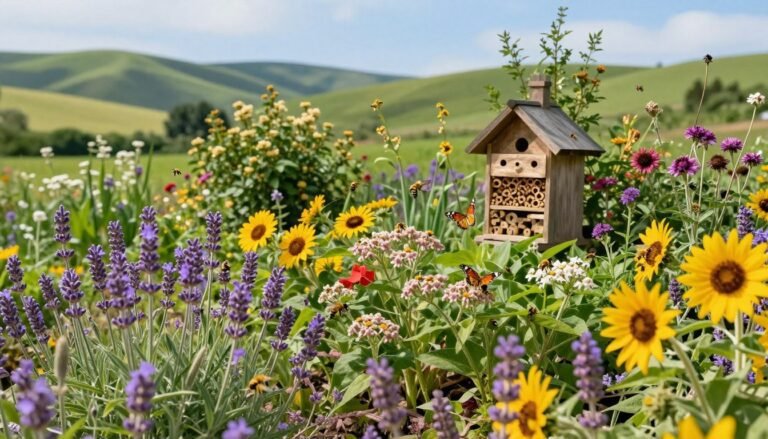
Despite sharing a name with the large, wood-boring bee already covered on this site, small carpenter bees are a genuinely different insect with an entirely different, far less concerning nesting…
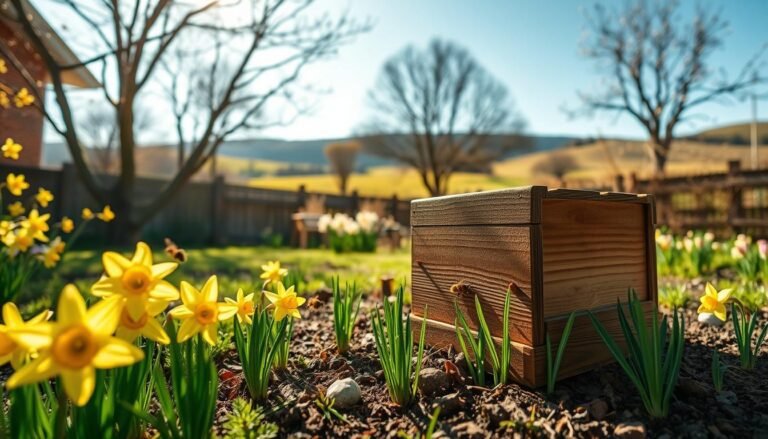
A fast, loudly buzzing bee that looks convincingly like a small bumblebee but disappears into a hole in a bare patch of sloped soil rather than a colony nest is…
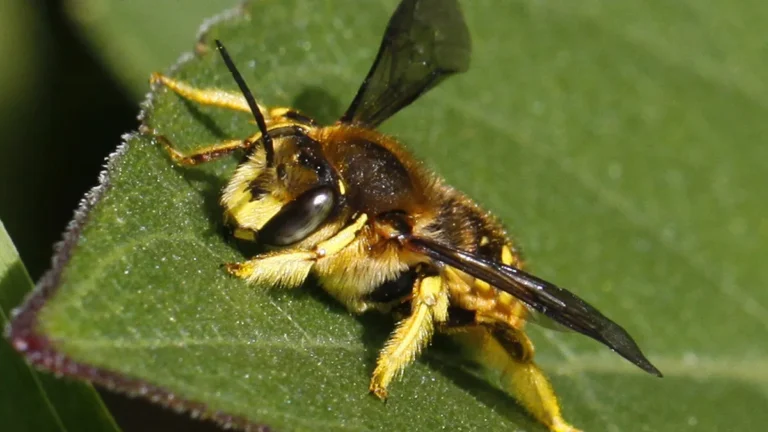
Most of the solitary bees covered on this site are gentle, docile creatures with no colony to defend and little reason to bother anyone. Wool carder bee males break that…

Every bee covered elsewhere on this site, from honeybees to mason bees to the ground-nesting mining bees, spends real effort building and provisioning a nest for its own offspring. Cuckoo…
If small mounds of excavated soil with a neat entrance hole have ever appeared in your lawn during the first warm weeks of spring, accompanied by low-flying bees that vanish…
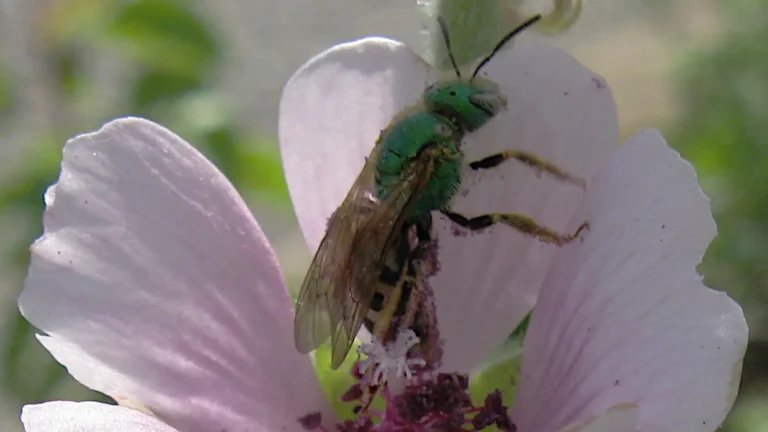
Sweat bees are small native bees in the family Halictidae that land on people to drink the salt in sweat. How to identify them, how mild their sting is, where they nest and why they are worth keeping around.
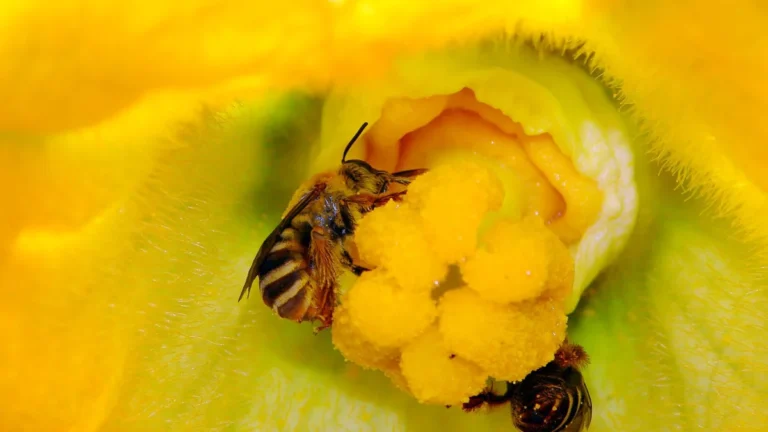
If you grow pumpkins, zucchini, or any other squash, there’s a good chance a specialist native bee is doing most of the pollination work in your garden before you’ve even…
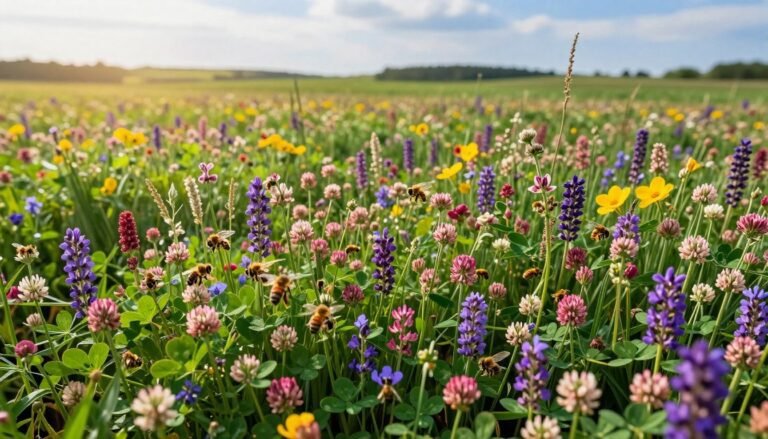
Every alfalfa hay farmer growing alfalfa for seed, rather than for hay, depends on a bee that most gardeners have never heard of: the alfalfa leafcutter bee. Value of this…
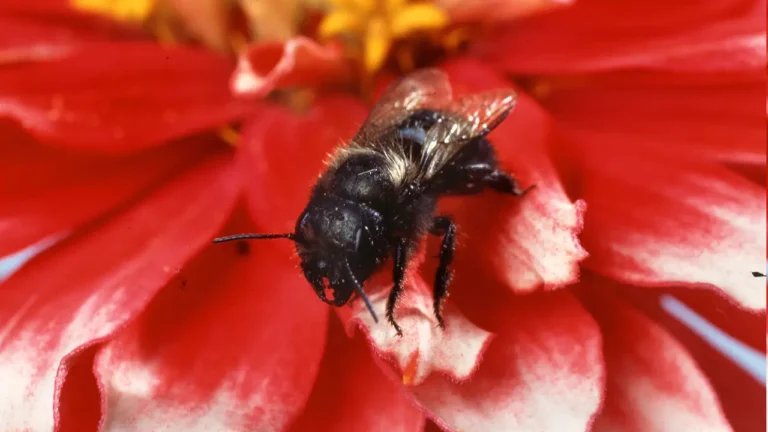
Mason bees are solitary native bees in the genus Osmia that seal their nest cells with mud. How to identify them, when they fly, whether they sting and how they pollinate orchards, with original iNaturalist data on US species.
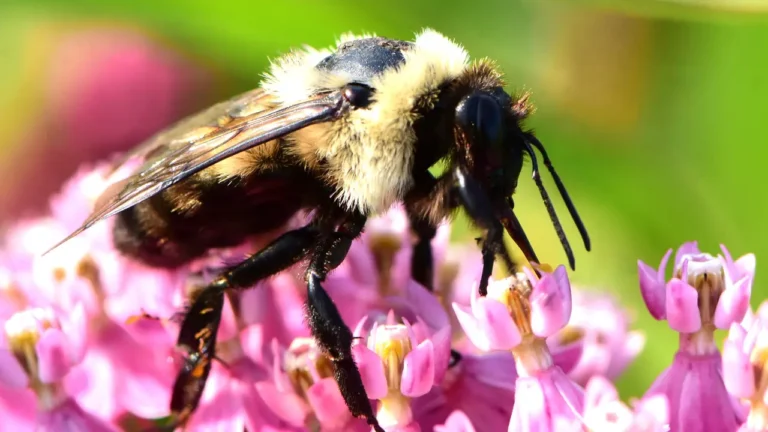
A bumblebee is a large, furry native bee (Bombus) that lives in a one-year colony. How to identify common US species, when they fly, stings, honey, nests and which are endangered, with original iNaturalist data.
Table of Contents An Important Clarification First What Bee City USA Actually Certifies Bee City USA’s Real Application Requirements What a Bee City USA Resolution Typically Includes Bee Campus USA:…
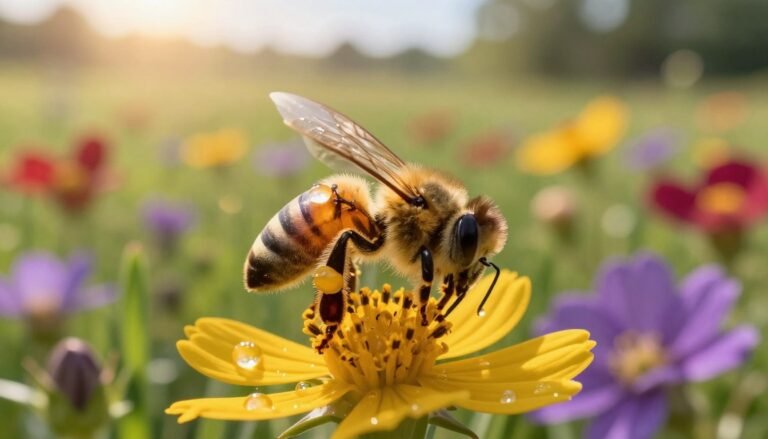
Table of Contents The Short Answer: It’s Rarer Than You’d Think Plants Genuinely Toxic to Bees Themselves Plants Where the Honey, Not the Bee, Is the Problem Plants Often Said…

Table of Contents What a Mason/Leafcutter Bee House Is Why Maintenance Isn’t Optional Correct Hole Sizes Materials: What to Use and What to Avoid Construction Basics Placement: Height, Sun, and…

Learn about the benefits of planting wildflower strips and follow our guide to improve soil health, support pollinators, and boost ecosystem services.
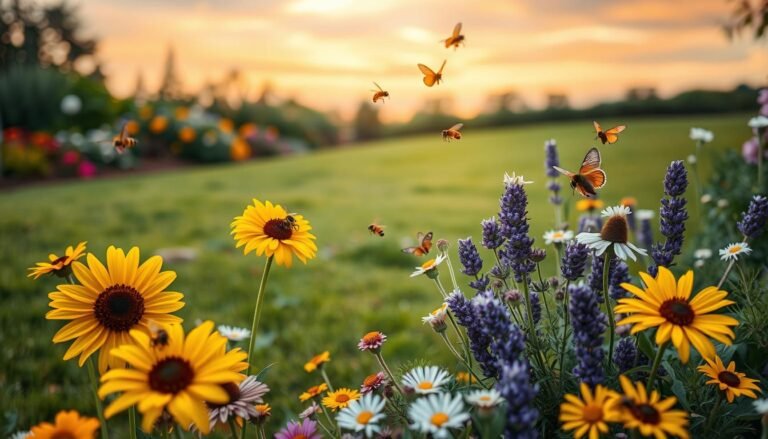
Protect existing habitat, fix mowing and spraying, then add native bloom for spring, summer and fall plus bare ground for nesting bees. A zone-by-zone NRCS plan.
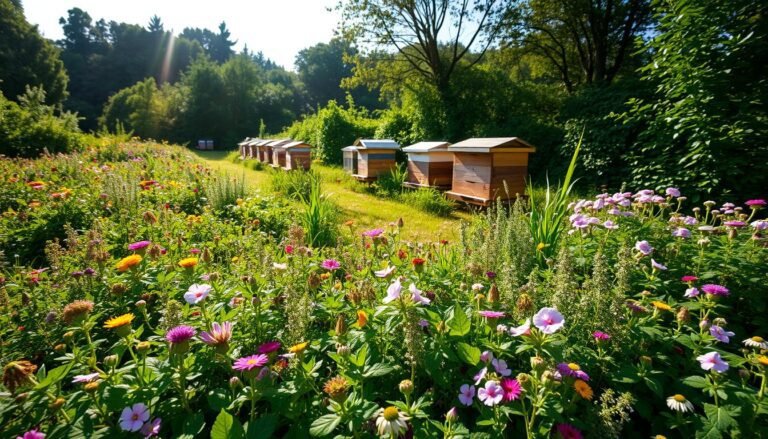
Discover the best ground cover plants for apiaries to support your bees. Top picks for healthy bee habitats and thriving ecosystems.