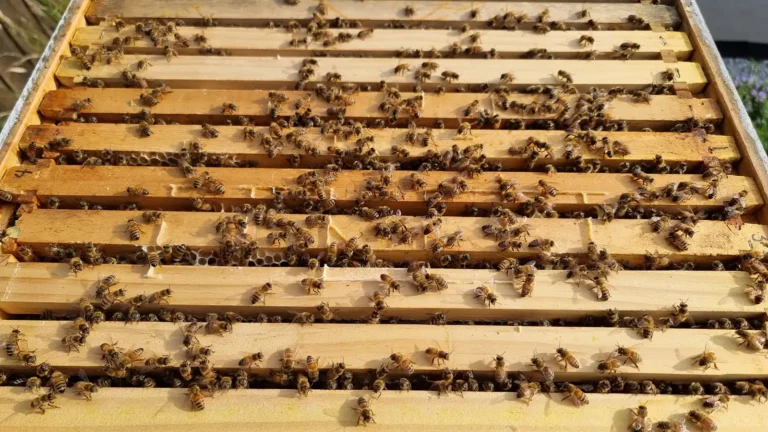
8 Frame vs 10 Frame Hive: Weights, Winter Survival and What Fits
An 8-frame hive is 2.5 in narrower and 11 to 17 lb lighter per full deep. Real weights, which parts fit both widths, and how each width winters up north.

An 8-frame hive is 2.5 in narrower and 11 to 17 lb lighter per full deep. Real weights, which parts fit both widths, and how each width winters up north.
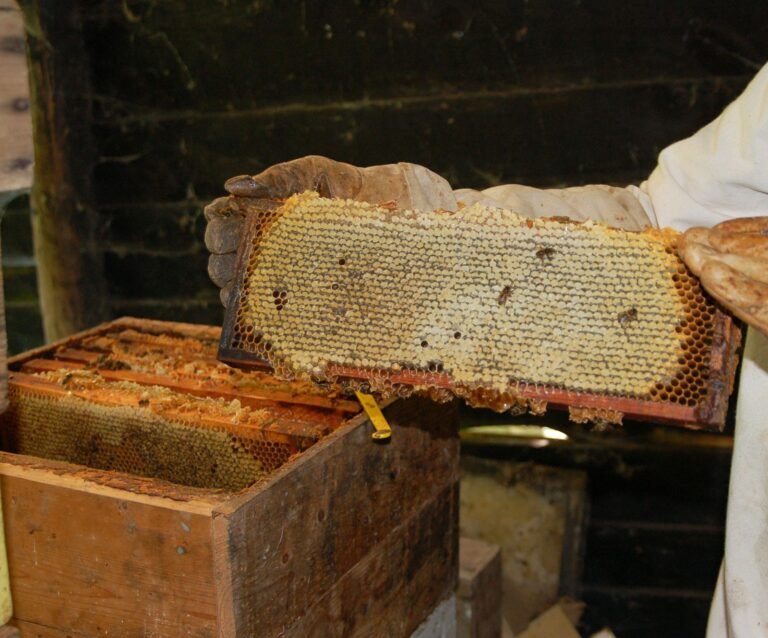
The USDA's newest national survey puts average U.S. honey yield at 48 lbs per hive in 2025 — down 7% from 2024. Here's what actually drives that number up or down.

A genuinely realistic bare-minimum first-year beekeeping budget runs about $350–$450 if you build your own hive, buy used protective gear, and start with a caught swarm instead of purchased bees…
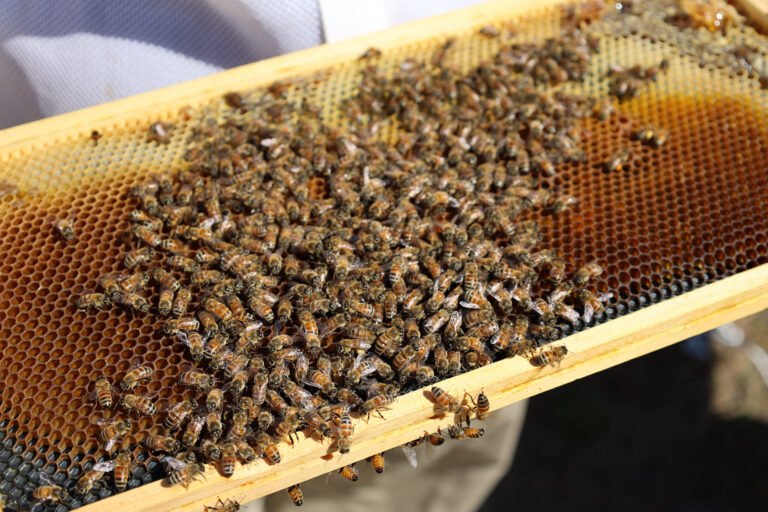
A condo or co-op board can ban beekeeping through its own house rules even in a city that explicitly allows it — this is a genuinely different situation from our…
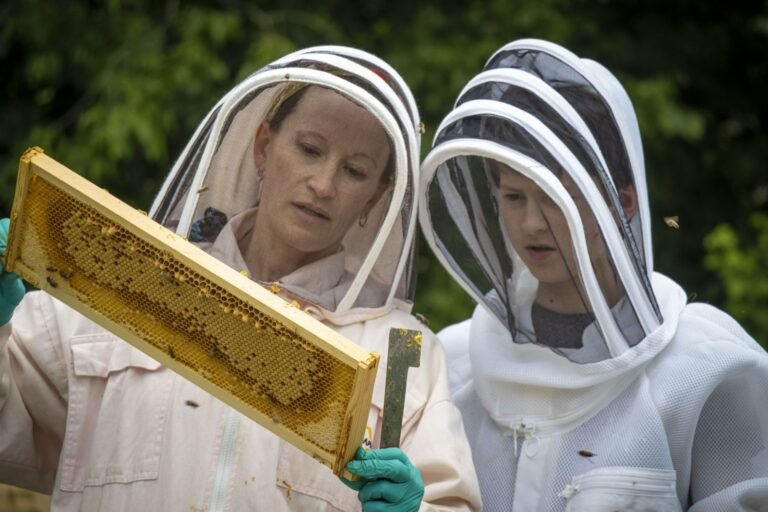
The question of whether to start beekeeping with young children in the house is genuinely different from the question of how to supervise a child at an active hive inspection.…
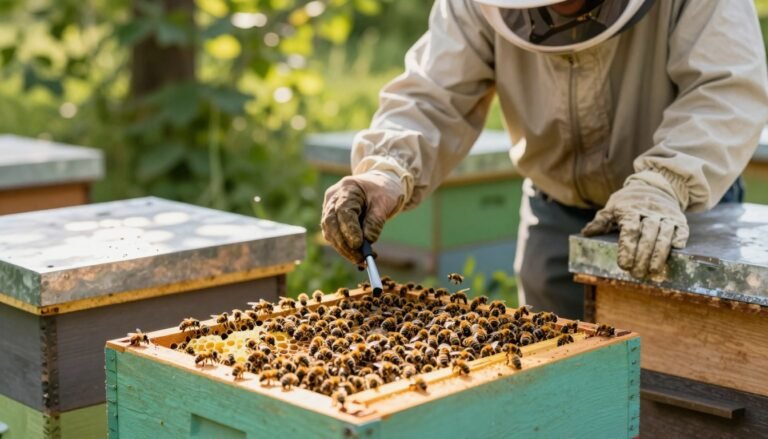
An honest, side-by-side comparison of the three ways to start a honey bee colony - packages, nucs, and swarms - covering real cost differences, success rates, timing, installation steps, and which option actually fits your situation.
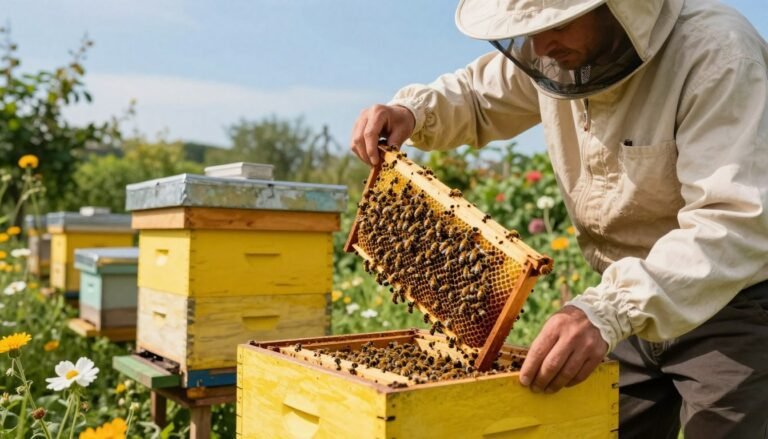
Learn how to move package bees from shipping cage to hive with our expert guide. We provide step-by-step instructions for a successful, safe bee installation.
Need help switching schools? Follow our step-by-step nuc transfer checklist for beginners to manage your requirements and deadlines with total confidence.
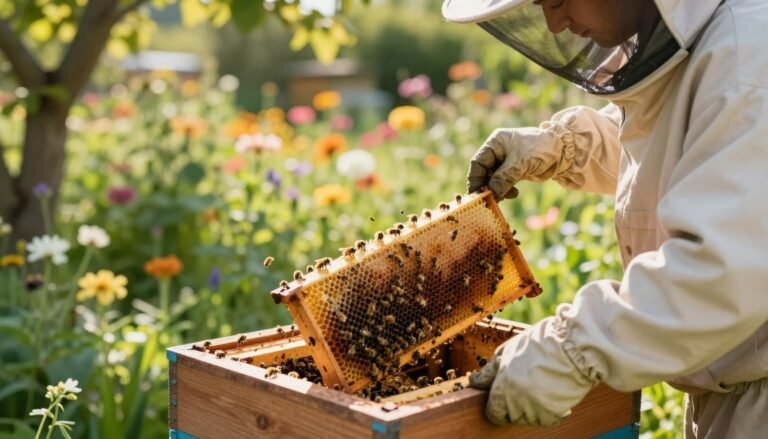
The first inspection after installing a nuc: when to open it, what eggs, brood and queen cells tell you, and the red flags to catch in the first week.
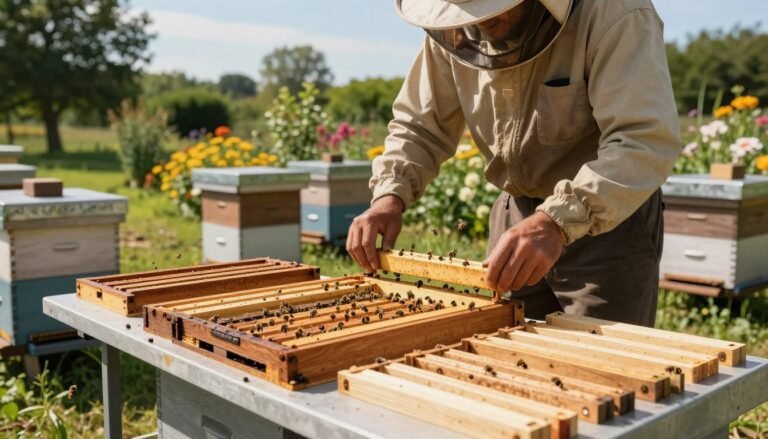
Discover the key differences between assembled vs unassembled frames for beginners. Learn which option is best for your needs with our comprehensive buyer's guide.

Get started with beekeeping safely with the best beekeeping gloves for beginners. Our buyer's guide provides expert insights and top product recommendations.
Explore the world of beekeeping as a side income in the USA. Our beginner's guide provides expert insights and practical tips for success.

The beginner beekeeping mistakes that actually kill first-year colonies — ignoring varroa, not feeding a colony drawing comb, inspecting too often or never, judging the queen by the entrance, poor placement, and taking honey the bees needed — with the fix for each, in the order you'll meet them.
How to start beekeeping in Texas: local rules, the optional $35 TAIS registration, the 5-to-20-acre ag valuation and its five-year history test, regional nectar flows and a first-year calendar.
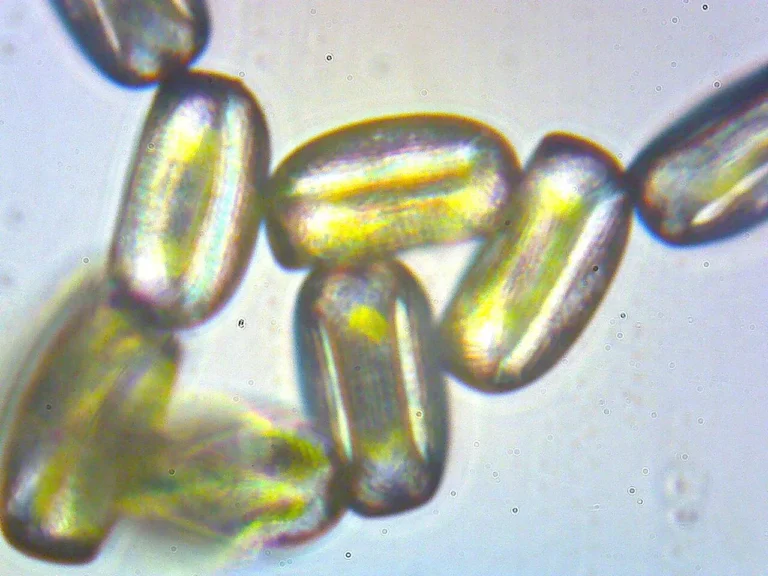
Melissopalynology for beginners: how pollen is extracted from honey and counted, how to read a lab pollen report, and where to get honey tested in the US.

Start a profitable Beekeeping business with our comprehensive guide. Learn the essentials for success in beekeeping today.
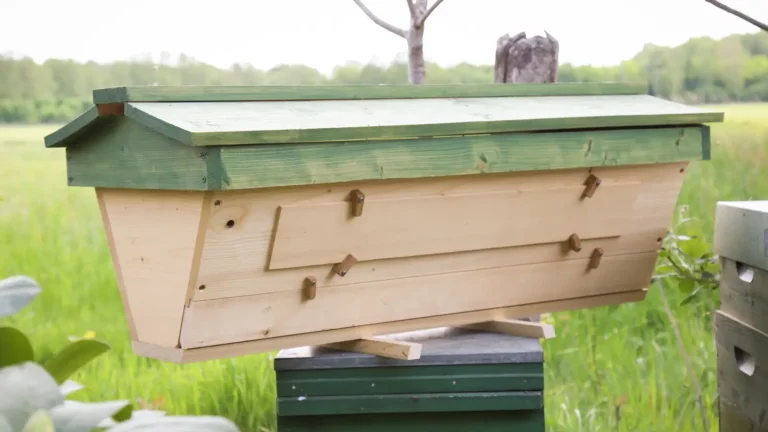
The three main types of beehives are the Langstroth, the top-bar and the Warré. This guide compares 11 designs side by side, with verified frame sizes and the state movable-comb rules that decide which hives you can keep.

Beekeeping gives you honey, wax, better garden pollination and a hobby that keeps teaching. This guide weighs those benefits against real 2026 costs and colony losses, using USDA and university data.