Reviewed by Daniel M. · How we review
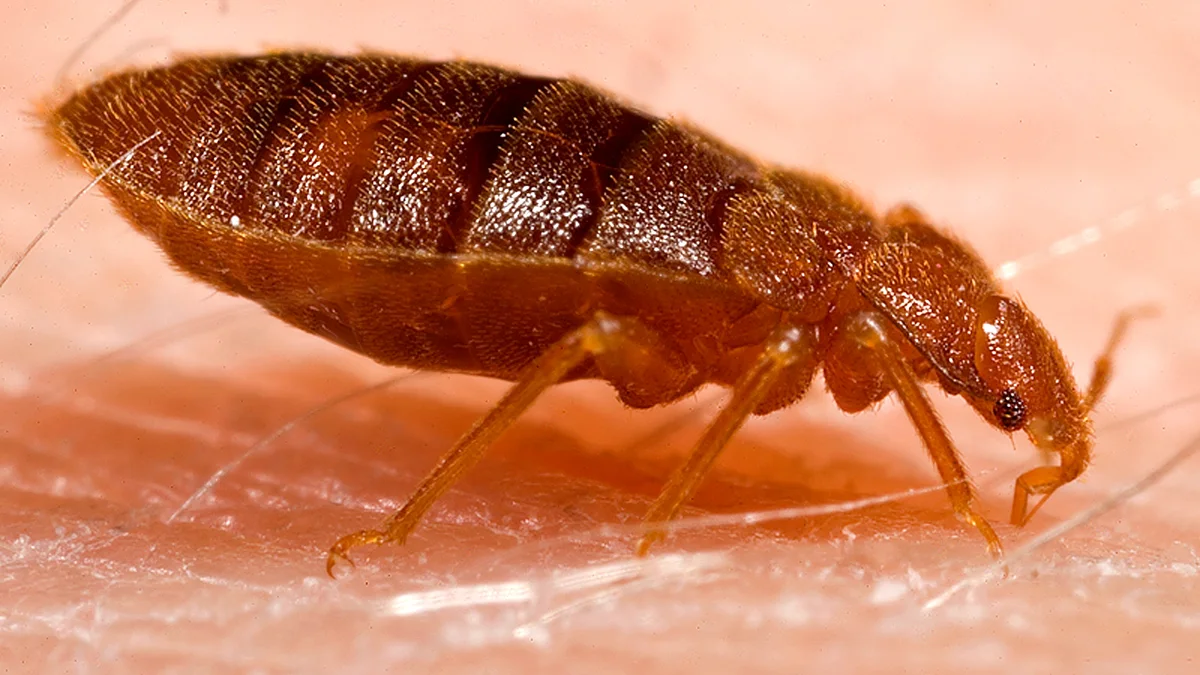
Bed bugs are small, flat, wingless insects that feed only on blood, mostly at night while people sleep. Adults are reddish-brown and about the size of an apple seed, 5 to 7 mm (3/16 to 1/4 inch) long, by EPA’s description. They hide in mattress seams, box springs, bed frames and headboards, and the surest signs are the bugs themselves, dark fecal spots, tiny white eggs and shed skins. They are not known to spread disease, and they die at 113°F, so heat, from a clothes dryer to a professional treatment, is a key tool against them.
Below: every life stage and the signs they leave, where they hide, how to tell them from bat bugs and other look-alikes, and a step-by-step plan from EPA and university extension guidance, plus our count of 1,044 US iNaturalist records of the bed bug family and a sourced table of the temperatures that kill them.
Key Takeaways
- Look for the bugs, black fecal spots, 1 mm white eggs and pale shed skins along mattress seams and the headboard. UC IPM says about 85% of bed bugs are found in or near the bed.
- Bites alone cannot confirm bed bugs. EPA calls them a poor indicator, and some people never react.
- Bed bugs die when their bodies reach 113°F (EPA). A clothes dryer on medium-to-high heat for 10 to 20 minutes kills them in fabrics (University of Kentucky).
- In our iNaturalist count, 122 of 1,044 US records in the bed bug family (11.7%) were something other than the common bed bug, mostly bat bugs and swallow bugs, which are controlled by dealing with the bats or birds.
- Skip bug bombs, bleach, alcohol and space heaters. Use encasements, interceptors, laundering, vacuuming and, for established infestations, a professional.
Table of Contents
- What Bed Bugs Are and Why Anyone Can Get Them
- The Signs of Bed Bugs to Look For First
- What Bed Bugs Look Like, From Egg to Adult
- Where Bed Bugs Hide
- Bat Bugs, Carpet Beetle Larvae and Other Look-Alikes
- Bed Bug Bites and Health Risks
- How Bed Bugs Get In and When They Turn Up
- What Kills Bed Bugs: Temperatures and Times
- What to Do If You Find Bed Bugs
- What Not to Use Against Bed Bugs
- How to Avoid Bringing Bed Bugs Home
- Frequently Asked Questions
What Bed Bugs Are and Why Anyone Can Get Them
The common bed bug, Cimex lectularius, belongs to the family Cimicidae. EPA classes it as a true bug, the same group as stink bugs and boxelder bugs, with a three-segmented beak and wings that are not used for flying. If the difference between an insect and a “bug” is new to you, our explainer on why a bee is an insect but not a bug covers it.
Bed bugs feed only on blood. EPA says they appear to prefer people but will feed on other mammals and birds, and the University of Kentucky’s ENTFACT-636 names dogs, cats, birds and rodents. A feeding takes 3 to 12 minutes (EPA). The same fact sheet makes the point that matters most to anyone embarrassed by a find: unlike cockroaches and flies, bed bugs have “often no relationship” to cleanliness. They arrive on luggage, clothing, used furniture and other belongings.
UC IPM says bed bugs have undergone a resurgence and now turn up even in the finest hotels, and that the reasons appear to involve increased global travel and commerce, the ease of moving infested items, widespread insecticide resistance and changes in the pesticides available.
The Signs of Bed Bugs to Look For First
“You can confirm a bed bug infestation only by detecting the pests themselves or their signs, which include fecal spots, blood spots, egg cases, and shed skins (exuviae).”
These are the signs, in the order most people find them:
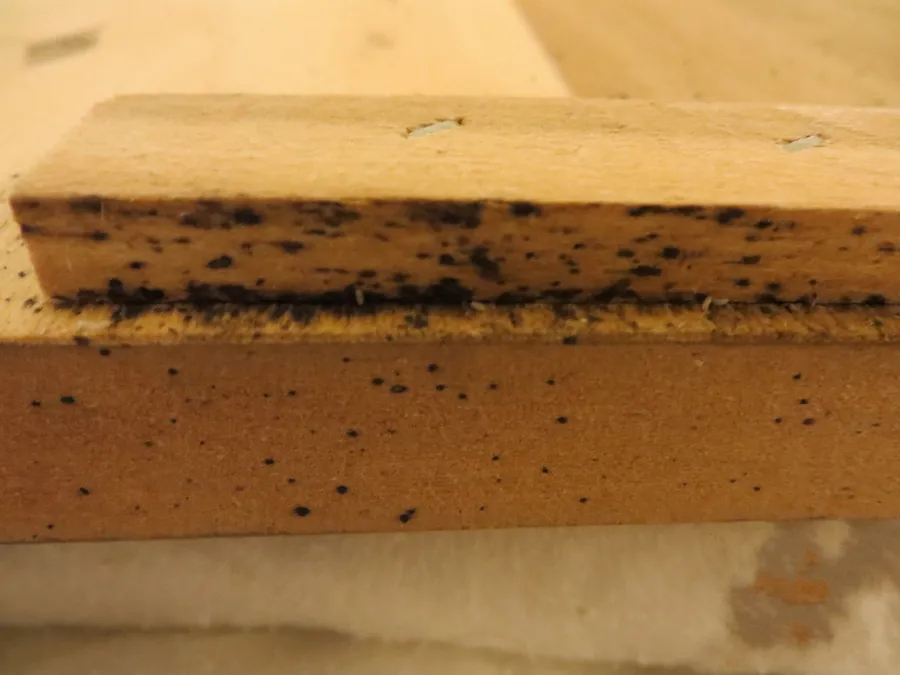
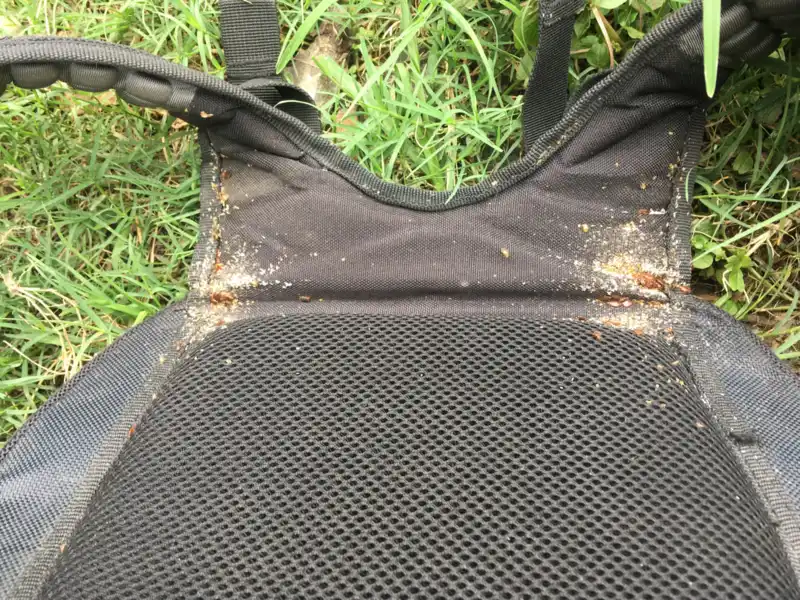
- Dark fecal spots. EPA describes them as dots about the size of a printed bullet point that may bleed into fabric like a marker. Cornell’s NYS IPM program suggests wiping one with a wet tissue: a rusty smear suggests bed bug droppings. Kentucky calls dark spots on the mattress and box spring a telltale sign.
- Rusty or reddish stains on sheets or the mattress, left when a fed bug is crushed (EPA).
- Eggs and eggshells. About 1 mm, pearl-white and glued in place; Cornell calls them bean-shaped and “very tiny (1 mm), yet visible.”
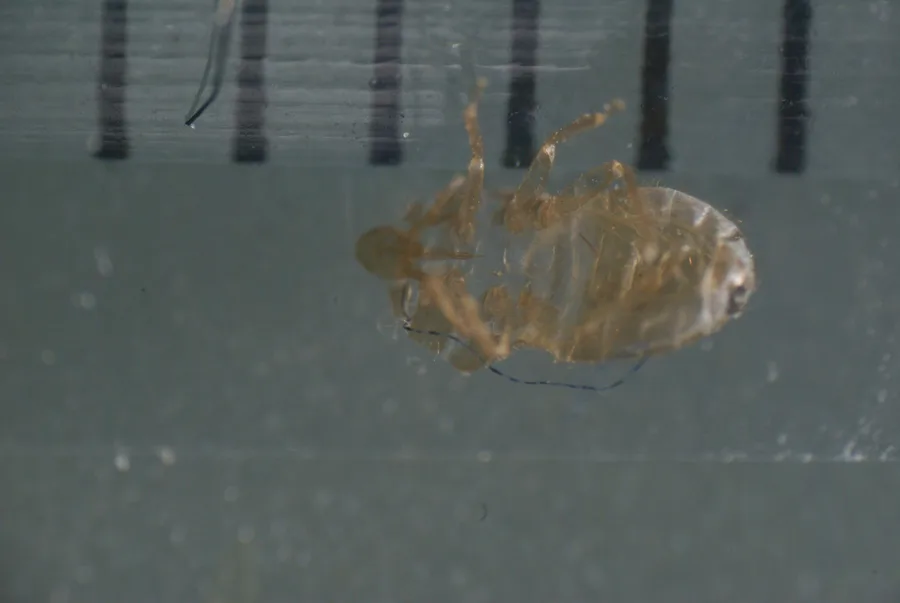
- Shed skins. Empty, pale yellow to tan casings that nymphs leave each time they molt (EPA, Kentucky).
- Live bugs. Kentucky says they most often gather along the seams and edges of mattresses and box springs.
- A “musty-sweetish” odor from glands on the underside of the body (EPA).

Video: UC IPM’s short video shows how to check a bed for these signs. Going by its official chapter list, it covers identifying bed bug bites, the signs of an infestation, inspection tools and tips, how to inspect your bed, and treatment and resources.
What Bed Bugs Look Like, From Egg to Adult
A bed bug goes through six stages after the egg: five nymph stages and the adult. Each nymph needs at least one blood meal before it can molt to the next (UC IPM, EPA). EPA lists the size of each stage:
| Stage | Length (EPA) | About, in inches* | What it looks like |
|---|---|---|---|
| Egg | 1 mm | 1/25 | Pearl-white, pinhead size; an eye spot shows after 5 days (EPA) |
| 1st nymph | 1.5 mm | 1/16 | Straw-colored, no bigger than a pinhead (Kentucky); nearly see-through until it feeds |
| 2nd nymph | 2 mm | 1/12 | Translucent or whitish-yellow (EPA) |
| 3rd nymph | 2.5 mm | 1/10 | As above |
| 4th nymph | 3 mm | 1/8 | As above |
| 5th nymph | 4.5 mm | 3/16 | Close to adult size, paler and with a thinner skin (UC IPM) |
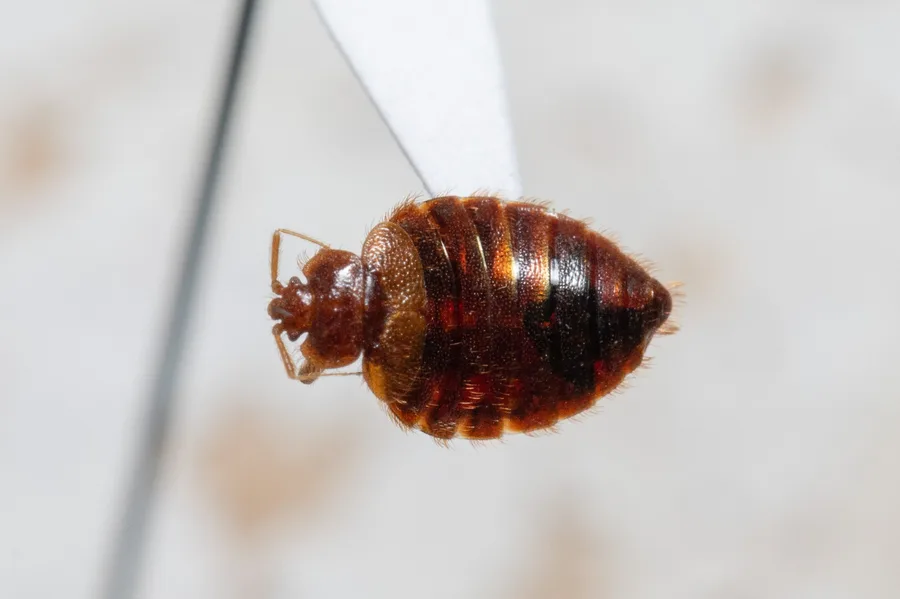
| Adult | 5 to 7 mm | 3/16 to 1/4 | Flat, oval and brown when unfed; swollen, longer and reddish after feeding (EPA) |
*Inch figures for the egg and nymph stages are our conversions of EPA’s millimeters, rounded; the adult range is EPA’s own. Sources describe adults slightly differently: UC IPM says about 1/5 inch and “rusty red or mahogany,” Kentucky says about 3/16 inch with “coloration similar to an apple seed although their size is closer to a lentil,” and Cornell says about 1/4 inch. Adults are wingless and flat enough to slip into a crack the width of a credit card.
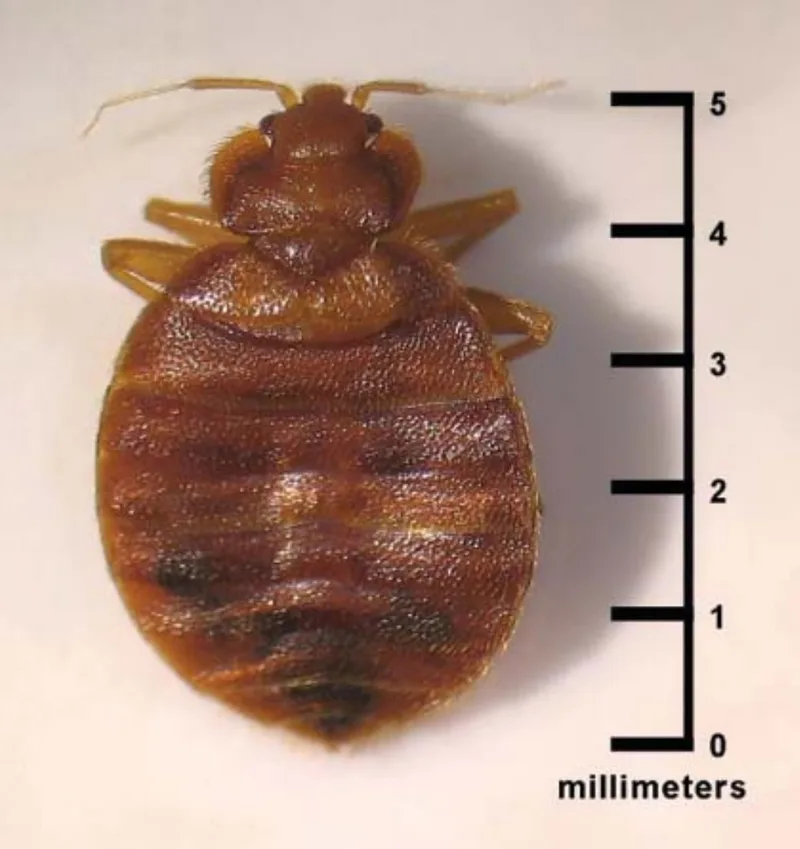
Feeding changes the shape. Cornell says an adult that has fed becomes “football-shaped,” and after the meal is digested a black spot shows in the belly. Unfed nymphs can be nearly invisible because of their color and size (EPA).
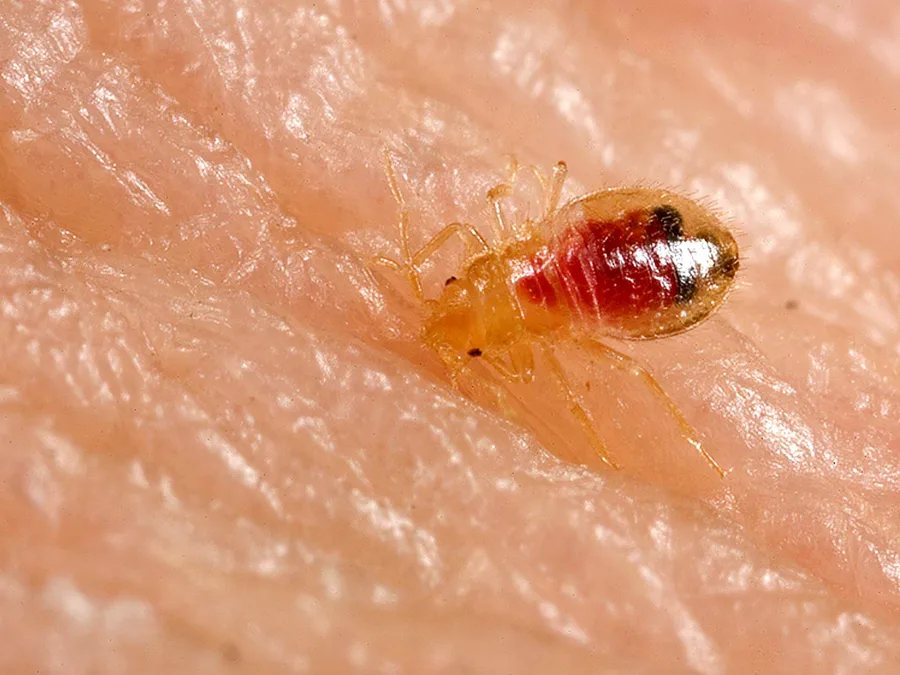
Development is fast in a warm home. UC IPM says a female lays 200 to 500 eggs in her life, usually two to five a day, and eggs hatch in about 10 to 15 days at room temperature (Kentucky says about a week). Egg to adult takes five weeks to four months, fastest between 70 and 82°F. EPA puts the egg-to-egg cycle at four to five weeks under good conditions, and Kentucky gives the average life span as about 10 months.
Where Bed Bugs Hide
Bed bugs live close to where people sleep or sit. UC IPM says current research puts about 85% of them in or near the bed, so start with the mattress, box spring, bed frame and headboard. CDC says they can travel more than 100 feet in a night but tend to live within 8 feet of where people sleep.
“If a crack will hold a credit card, it could hide a bed bug.”
Check, in this order:
- The mattress: the piping, seams, tufts and tags, especially at the head end (EPA, Kentucky).
- The box spring: the upper seams and underneath, where the bottom edge rests on the frame (Kentucky).
- The bed frame and headboard: cracks and joints. Kentucky notes that in hotels the area behind the headboard is often where bed bugs first settle.
- Upholstered furniture: seams, skirts and cushions of sofas, recliners and chairs.
- The rest of the room in heavy infestations: drawer joints, curtain folds, electrical outlets and appliances, loose wallpaper, picture frames, the wall-ceiling junction and even screw heads (EPA).
Bat Bugs, Carpet Beetle Larvae and Other Look-Alikes
EPA warns that many insects look like bed bugs and that correct identification is the first step to avoid paying to treat the wrong one. The closest look-alikes are the bed bug’s own relatives. To see how often they turn up, we pulled every research-grade US observation of the family Cimicidae from the iNaturalist API (“research grade” means at least two people agreed on the identification).
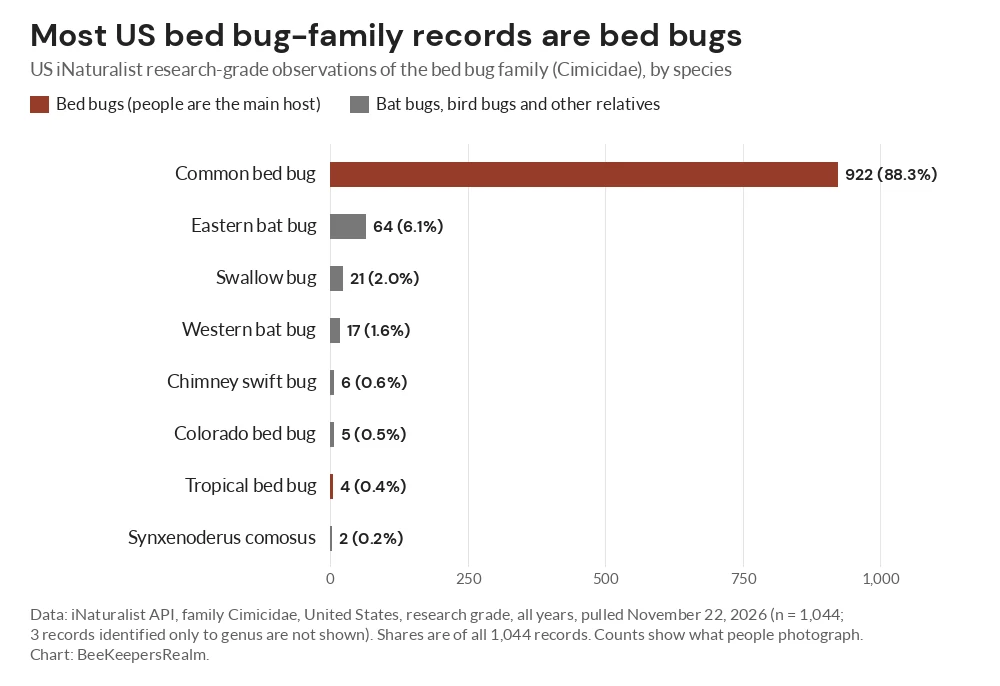
Of the 1,044 records, 922 (88.3%) are the common bed bug. The other 122 (11.7%) are mostly bat bugs (64 eastern, 17 western) and swallow bugs (21), plus a few chimney swift bugs, tropical bed bugs and others. These are uploaded photos, not a survey, but they show that a “bed bug” found upstairs or near an attic may be a relative. That matters because control differs. Colorado State University says bat bugs and bird-feeding bugs can bite people but cannot reproduce on human blood, and Kentucky says the bat roosts or bird nests should be the focus of treatment, along with keeping the animals out. Colorado State adds that bats are protected under federal law and recommends professional help to exclude them.
| Insect | How to tell it from a bed bug | Where it is found | Source |
|---|---|---|---|
| Bat bugs (Cimex adjunctus, C. pilosellus) | Nearly identical; the fringe hairs just behind the head are longer than the eye is wide (shorter on a bed bug). Needs a hand lens or microscope. | Near bat roosts: attics, wall voids, chimneys and upper floors; usually seen singly, not in clusters | Colorado State, UC IPM, Cornell |
| Swallow bug (Oeciacus vicarius) | Last two antenna segments nearly equal in length; on a bed bug the last is about half the one before it | Near cliff or barn swallow nests; bites people mostly in spring and autumn, when nests are empty | Colorado State |
| Kissing bug (conenose bug) | Larger, up to 3/4 inch, less rounded, and adults have wings | An occasional indoor visitor; our guide covers its US range | UC IPM; our kissing bug guide |
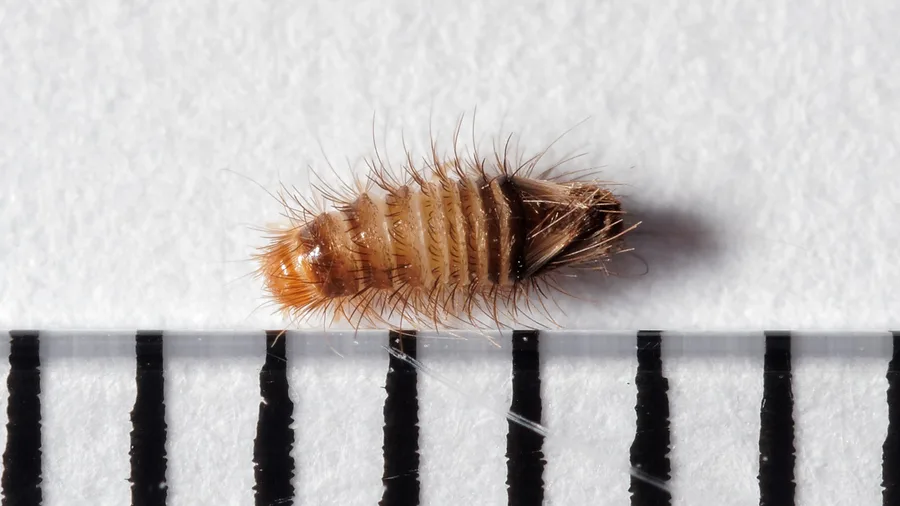
| Carpet beetle larva | A hairy, striped grub, not a smooth flat bug; it eats wool, fur, feathers and other animal materials, not blood | Wool rugs and clothing, lint and pet hair along baseboards and under furniture | EPA; our carpet beetle guide |
| Flea | Jumps; bed bugs crawl and do not jump | Jumps onto people and pets, which bed bugs do not do | University of Kentucky |
| Tropical bed bug (Cimex hemipterus) | A close relative that needs a higher average temperature than the common bed bug | Tropical and subtropical areas; only 4 US research-grade records in our count | EPA; iNaturalist |
If in doubt, collect a specimen in a sealed bag or jar. EPA says your state cooperative extension office may be able to help identify it, and Cornell asks New York residents to bring samples to their local office.
Tiny, fuzzy flies around sinks and showers are drain flies, not bed bugs; see our drain fly guide.
If the bugs you find are larger, fast-running and mostly in the kitchen or bathroom, see our cockroach guide instead.
Bed Bug Bites and Health Risks
The American Academy of Dermatology (AAD) says bite marks are the most common sign of bed bugs: itchy welts, often in clusters of 3 to 5 in a zigzag line, that can take as long as 14 days to start itching after the first bites. CDC says bed bugs are not known to spread diseases to people, though the bites can cause itching and loss of sleep, and intense scratching can lead to a secondary skin infection. Bites alone cannot confirm bed bugs: EPA says they can look like mosquito or chigger bites, rashes or even hives, and some people do not react at all. AAD lists difficulty breathing, an irregular or forceful heartbeat, a swollen tongue and large blisters among the signs of a serious, possibly life-threatening reaction.
This is educational information, not medical advice. For bites, a rash or any reaction, see a doctor or a board-certified dermatologist; for pest questions, see CDC’s bed bug page.
How Bed Bugs Get In and When They Turn Up
Bed bugs do not fly or jump; Kentucky says they crawl rapidly over floors, walls and ceilings. They spread by hitching rides on luggage, clothing, beds, furniture and other belongings. Kentucky calls this a particular problem for hotels and apartments, where occupants turn over constantly, names secondhand beds and furniture as another route, and says neglected infestations in multi-unit buildings are more likely to spread to other units.
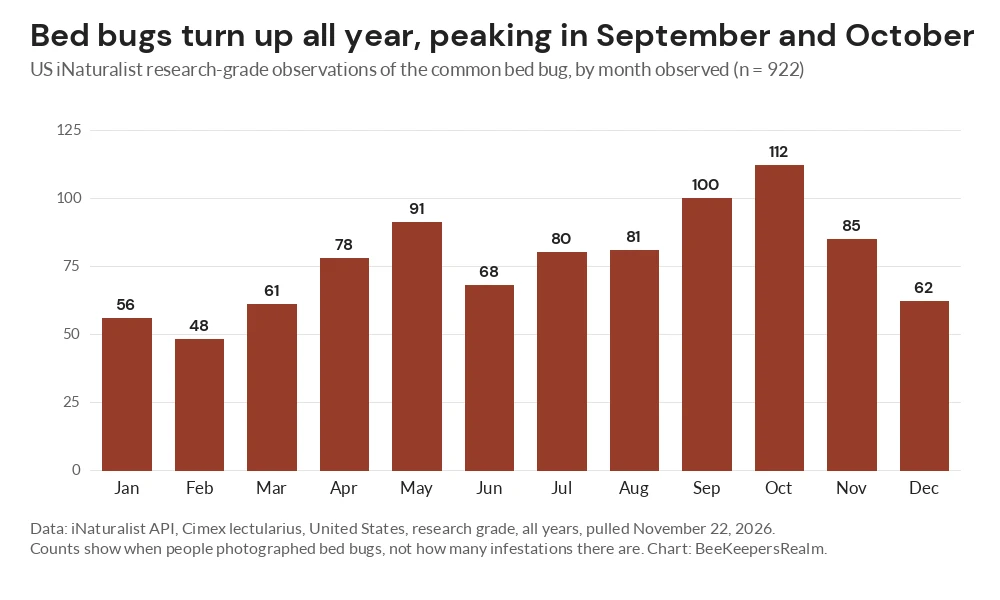
Because they live indoors, bed bugs are found in every month. In our count of 922 research-grade US observations, October has the most (112) and February the fewest (48); September and October together hold 23.0% of the year’s records. The pattern reflects when people find and photograph bed bugs, not a survey of infestations.
They are also hard to starve out. Kentucky says that in temperature-controlled buildings bed bugs typically survive about 1 to 4 months without feeding, and up to a year or longer at 55°F or below. UC IPM reports adults surviving more than 400 days without food in the lab at low temperatures. Leaving a home empty for a few weeks will not get rid of them.
What Kills Bed Bugs: Temperatures and Times
Heat and cold both kill bed bugs if they reach every hiding spot for long enough. The sources do not agree on cold-treatment times, so each row names its source.
| Method | Temperature and time | Source |
|---|---|---|
| Lethal body temperature | Bed bugs die when their bodies reach 113°F (45°C) | EPA; UC IPM (“minimum lethal temperature”) |
| Clothes dryer | Medium-to-high heat for 10 to 20 minutes; faster if items go in dry | University of Kentucky |
| Washing | Hot water (120°F), then the hottest dryer setting | UC IPM; Kentucky (120°F minimum) |
| Steam | At least 130°F at the tip, without forceful airflow that scatters bugs | EPA |
| Professional whole-room heat | At least 140°F for 2 hours, or 130°F for 3 hours | UC IPM |
| Hot car or sun | Items sealed in plastic, in a hot sunny spot for at least a day; check with a thermometer that it reaches 120°F | University of Kentucky |
| Home freezer | 0°F in a sealed bag for 3 days; check the freezer with a thermometer | EPA |
| Chilling | 32°F or lower for several days (UC IPM), or below 32°F for 1 to 2 weeks (Kentucky) | UC IPM; University of Kentucky |
| Not lethal | Bed bugs stay active down to 46°F (7°C) | EPA |
| Does not work | Raising the thermostat or using a space heater or fireplace; also dangerous | EPA |
What to Do If You Find Bed Bugs
EPA says treating bed bugs is complex and can take weeks to months. UC IPM recommends that confirmed infestations be managed by trained professionals, but the steps below, drawn from EPA and extension guidance, apply whether you hire help or not.
- Confirm the insect. Keep a specimen and get it identified, so you do not treat for bat bugs or carpet beetles by mistake.
- Tell your landlord if you rent, and inspect nearby rooms to see how far it has spread (EPA).
- Bag, then launder. Put bedding and clothing in plastic bags before carrying them through the house, then wash and dry them hot or run them through the dryer (Kentucky, UC IPM).
- Vacuum seams and edges of the mattress, box spring, carpet edges and baseboards with the suction wand. Bed bugs survive vacuuming, so seal the bag or contents and put them in an outdoor trash container (Kentucky, EPA). UC IPM says one pass rarely gets them all.
- Encase the mattress and box spring in covers made for bed bugs. UC IPM says bugs trapped inside die of starvation; Kentucky notes that covers will not stop bugs from crawling onto the bed from elsewhere.
- Install interceptors under the bed legs, pull the bed a few inches from the wall and keep bedding off the floor (Kentucky). UC IPM cites research in which interceptors trapped six times more bed bugs than visual searches found.
- Clear clutter under and around the bed, which gives bed bugs more places to hide and gets in the way of treatment (Kentucky).
- Use heat or cold from the table above on what you can treat.
- If you use a pesticide, choose an EPA-registered product with bed bugs on the label and follow the label. EPA has registered more than 300, but some populations resist pyrethrins and pyrethroids, so EPA suggests switching to a different chemical class if one fails. Desiccant dusts work by drying the bug out, so bed bugs cannot become resistant to them; use only EPA-registered ones.
- Keep monitoring. EPA says to check at least every 7 days for eggs that hatch and to keep checking for a year.
UC IPM notes that the most effective bed bug insecticides are available only to commercial pesticide applicators, and Kentucky says professional heat treatments work quickly but may cost more than conventional methods.
What Not to Use Against Bed Bugs
“Bleach, alcohol, cigarette lighters, and ‘bug bombs’ (foggers) should NOT be used to control bed bugs.”
- Foggers (bug bombs). UC IPM says over-the-counter total-release foggers have been shown to be ineffective against bed bugs and potentially harmful to residents. EPA says foggers should never be the only control method because the spray does not reach the cracks where bed bugs hide, and that using more than the label calls for can cause an explosion.
- Space heaters or a turned-up thermostat. EPA says this does not work and is dangerous.
- Throwing everything out. Kentucky says most belongings need not be discarded. If you do discard a mattress or sofa, wrap it in plastic and mark it so no one else takes it home (EPA, Kentucky).
How to Avoid Bringing Bed Bugs Home
- In hotels, check the sheets and mattress seams at the head of the bed before unpacking, and keep luggage on a rack or hard surface rather than the floor or another bed (Kentucky).
- After a trip where you suspect bites, put all clothing straight into the washer or dryer when you get home (Kentucky).
- With secondhand items, never bring home a discarded mattress or sofa, inspect used furniture for fecal spots, and run used clothing and fabrics through the washer or dryer before storing them (Kentucky).
- At home, encasements on a new bed make any later bugs easier to spot, and interceptors under the bed legs make inspections more reliable (Kentucky).
For what the bites look like on different skin tones, how long they last and when to see a doctor, see our bed bug bites guide.
Cleanliness is no cure-all for cockroaches either: NC State notes that even a strict cleaning regimen cannot keep German cockroaches out of every building.
Frequently Asked Questions
What are the first signs of bed bugs?
Dark fecal spots along mattress seams, rusty stains on sheets, tiny white eggs, shed skins and live bugs. Itchy bites are often noticed first, but bites alone do not prove bed bugs.
What kills bed bugs immediately?
Heat. Bed bugs die when their bodies reach 113°F (EPA), and Kentucky says steamers used correctly kill bugs and eggs on contact. For bedding and clothes, 10 to 20 minutes in a dryer on medium-to-high heat works.
What causes bed bugs?
They are carried in, usually in luggage, clothing or used furniture. They do not come from dirt; Kentucky says there is often no relationship between bed bugs and cleanliness.
What can be mistaken for bed bugs?
Bat bugs and swallow bugs, which look almost identical, plus carpet beetle larvae, kissing bugs and fleas. Telling a bat bug from a bed bug takes a hand lens.
Do bed bugs fly or jump?
No. Their wings are tiny pads (Clemson), and Kentucky says they neither fly nor jump like fleas; they crawl, and quickly.
Do bed bugs carry diseases?
CDC says they are not known to spread diseases to people. The harm is itching, lost sleep and, with heavy scratching, possible skin infection.
Can bed bugs bite pets?
Yes. Kentucky says the common bed bug prefers people but will bite dogs, cats, birds and rodents.
How long can bed bugs live without feeding?
Usually about 1 to 4 months in a heated home, by Kentucky’s figures, and much longer in the cold; UC IPM reports adults surviving more than 400 days in the lab at low temperatures.
The Bottom Line
Confirm what you have before you treat: a flashlight along the mattress seams and headboard usually settles it, and a hand lens separates bed bugs from bat bugs. Then rely on heat, encasements and interceptors, and call a professional for anything beyond a small, early infestation. For other insects found indoors, see our garden and household insects guides.
Image credits: featured photo of an adult bed bug feeding by Piotr Naskrecki for CDC/Harvard University (CDC Public Health Image Library 9820), Wikimedia Commons, public domain, cropped and resized. Other photos are credited in their captions, with links to each file page and licence; all were resized. Charts by BeeKeepersRealm from iNaturalist API data pulled November 22, 2026.