Reviewed by Daniel M. · How we review
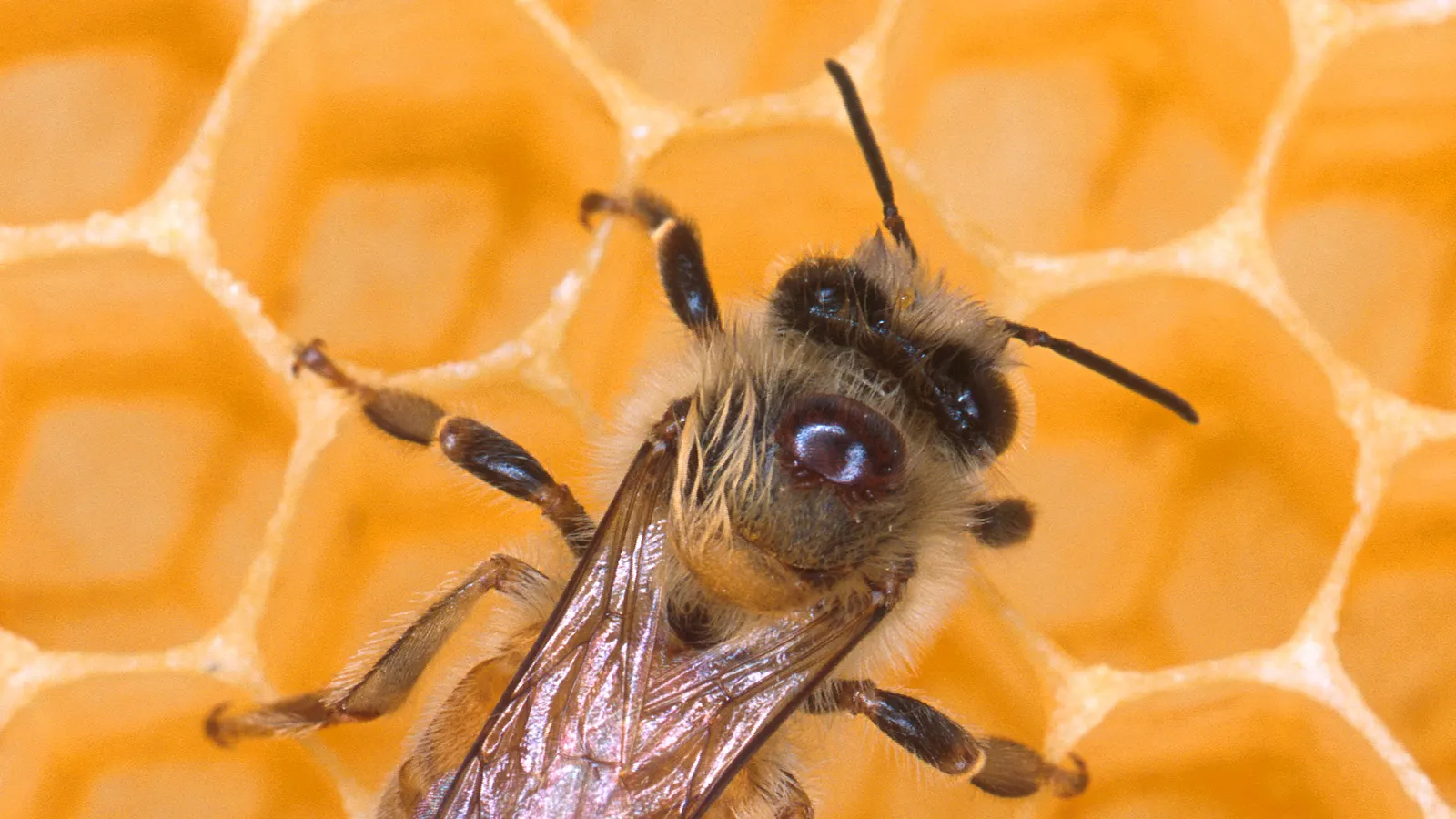
Yes, bees are insects. Every bee, from the honey bee to the bumble bee to the tiny sweat bee, belongs to the class Insecta and the order Hymenoptera, the group that also holds wasps and ants. Bees are not “true bugs,” though, and they are not flies or spiders. Everyday speech calls almost any small crawler a bug, so whether a bee is a “bug” depends on which meaning you use.
This page answers the classification question. For the body parts themselves, see our guide to honeybee anatomy.
Key Takeaways
- A bee has the three marks of an insect: a body in three regions, six legs and one pair of antennae. Most also have four wings.
- Insects are one class inside the phylum Arthropoda, so a bee is also an arthropod, an animal and an invertebrate.
- Scientists reserve “bug” for the order Hemiptera. Bees are Hymenoptera, so they are insects but not true bugs.
- Spiders are arachnids, with eight legs, two body regions and no antennae. Bee-mimicking hoverflies are flies with one working pair of wings.
The Insect Test: What a Bee Has to Pass
An animal counts as an insect if its body ticks a short list of boxes. A bee ticks all of them:
- Three body regions: head, thorax and abdomen.
- Six jointed legs, all attached to the thorax.
- One pair of antennae on the head.
- Wings, also on the thorax. Bees have two pairs.
- An exoskeleton, a hard outer shell in place of internal bones.
“Like all insects, bees have three pairs of legs, antennae, and three body segments called a head, thorax and abdomen.”
Bees also develop like most insects do. According to the same Colorado State page, all bees go through complete metamorphosis with four life stages: egg, larva, pupa and adult. Our bee life cycle guide shows each stage in a honey bee colony.
Where Bees Sit in the Classification Tree
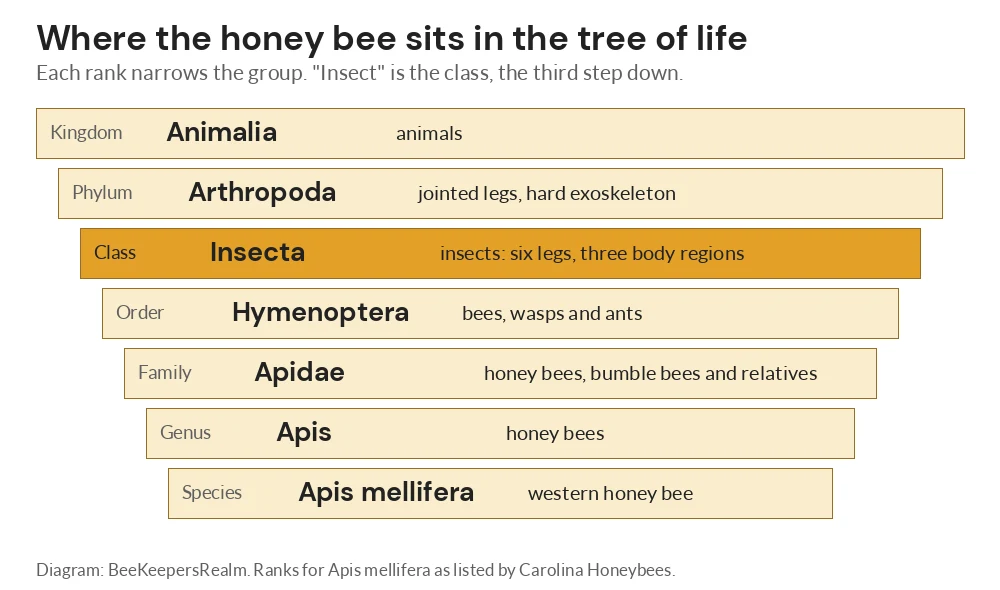
Bees belong to the kingdom Animalia, the phylum Arthropoda and the class Insecta. Inside Insecta they form part of the order Hymenoptera, alongside wasps and ants. The western honey bee, Apis mellifera, sits in the family Apidae.
“Bee” names a very large group, not one animal. Colorado State counts at least 20,000 described bee species worldwide and about 3,500 in North America. Our guide to the types of bees you will see in the US sorts the common ones.
The family tree has a twist. A 2018 genome study in BMC Evolutionary Biology places bees inside the apoid wasps and estimates that bees began to diverge in the Early Cretaceous, about 128 million years ago. So bees did not just sit beside wasps on the tree. They arose from within one wasp group. To tell the two apart today, see bees vs. wasps vs. hornets.
Are Bees Bugs? The Casual Word vs. the Scientific One
In casual talk, a “bug” is nearly any small crawling or flying creature, and nobody will correct you for calling a bee one. Entomologists use the word more narrowly, for the true bugs of the order Hemiptera. Wizzie Brown, a program specialist with the Texas A&M AgriLife Extension Service, described them to the Texas Standard in July 2025:
“And that is essentially, they have piercing sucking mouth parts, they have an incomplete life cycle.”
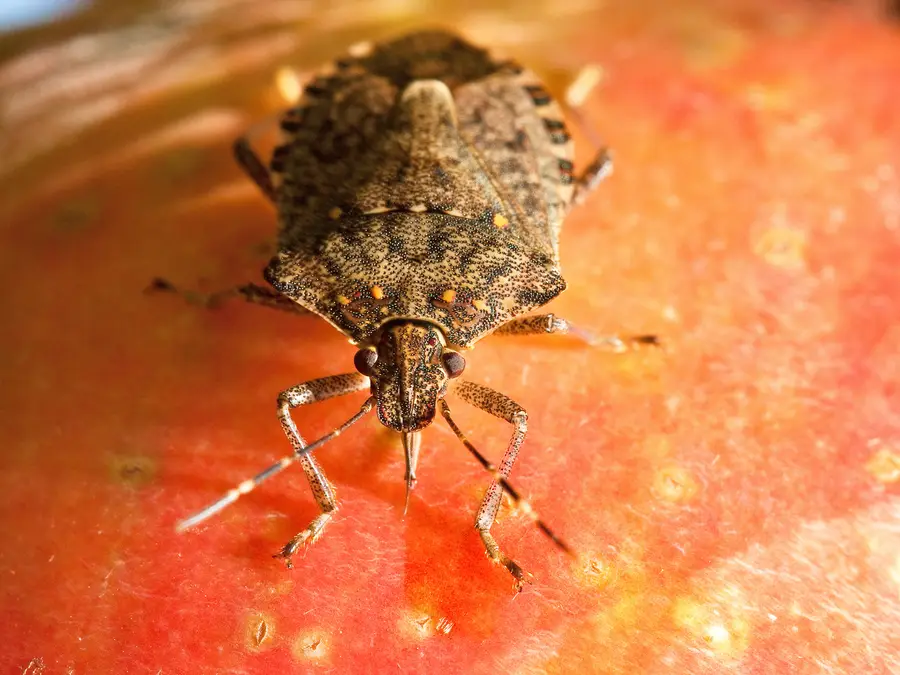
A bee fails both tests. Its mouthparts are built for chewing and lapping nectar, not for piercing and sucking, and it develops through complete metamorphosis, not the incomplete kind. Stink bugs, bed bugs and leaf-footed bugs are true bugs. Lightningbugs are beetles, and so are ladybugs and June bugs, so the word “bug” in a name proves nothing.
Bee, Fly, True Bug or Spider: A Quick Comparison
Four animals people often mix up, side by side. All of them except the spider are insects.
| Animal | Legs | Body regions | Wings | Antennae | Group |
|---|---|---|---|---|---|
| Honey bee | 6 | 3 | Two pairs | One pair | Insect; order Hymenoptera |
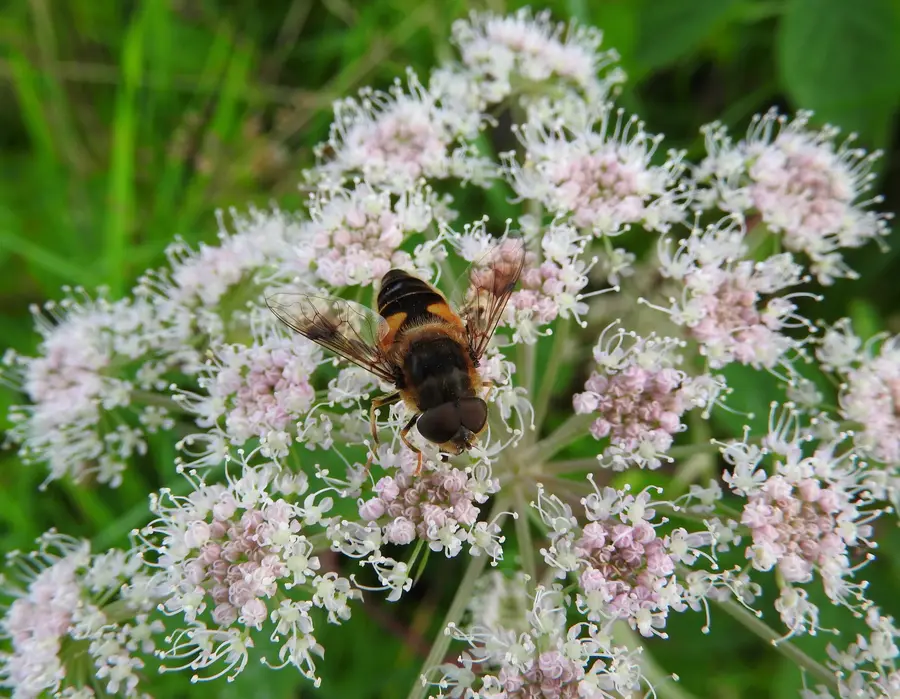
| Hoverfly | 6 | 3 | One working pair | One pair, short | Insect; order Diptera (true flies) |
| Stink bug | 6 | 3 | Two pairs; front pair tough at the base | One pair | Insect; order Hemiptera (true bugs) |
| Wolf spider | 8 | 2 | None | None | Arachnid, not an insect |
The spider row follows Wikipedia’s entry on arachnids, which says they have no antennae or wings and, as adults, almost always eight legs. The hoverfly row follows its entry on flies, which lists large eyes, small antennae and a single pair of flying wings.
Hoverflies are the lookalike that fools people most. They wear a bee’s stripes but are true flies, so count the wings and look at the eyes. Our guide to hover flies covers the field marks.
For more about how bees live, see bee facts that someone actually measured.
Frequently Asked Questions
Are bees an insect or a bug?
Insects, and not true bugs. In casual speech “bug” covers almost anything small, but in entomology it means the order Hemiptera, which bees are not part of.
Are bees animals?
Yes. All insects are animals, and bees are invertebrates, meaning they have no backbone.
Are bees arthropods or insects?
Both. Insects are a class inside the phylum Arthropoda, so every bee is an insect and an arthropod.
Are bees arachnids?
No. Arachnids such as spiders have eight legs, two body regions and no antennae. Bees have six legs, three body regions and antennae.
Is a bee a type of wasp?
Not quite, but they are close kin. Bees and wasps are separate groups in the order Hymenoptera, and genome work places bees inside the apoid wasps.
Are honey bees and bumble bees both insects?
Yes. Honey bees, bumble bees, carpenter bees and the other 20,000-plus bee species all belong to the class Insecta.
Are hoverflies bees?
No. Hoverflies are true flies that mimic bees. They have one working pair of wings, big eyes and short antennae.
Where to Go Next
Classification is only the start. The honeybee anatomy guide takes each body region apart, from the five eyes to the sting.
Image credits: Hero photo: Scott Bauer, USDA Agricultural Research Service, public domain via Wikimedia Commons, cropped. Stink bug photo: U.S. Department of Agriculture, public domain via Wikimedia Commons, cropped. Hoverfly photo: Rob Mitchell, CC0, via Wikimedia Commons. Diagram: BeeKeepersRealm.