Published September 1, 2026
Table of Contents
- The Short Answer
- Just How Big Is This Problem?
- Popular Home Tests That Don’t Actually Work
- Home Signs That Are Somewhat More Useful
- What Actually Reliably Detects Fake Honey
- How to Read a Honey Label Like a Skeptic
- Your Best Practical Buying Strategy
- Common Mistakes
- Why Honey Gets Adulterated in the First Place
- The Special Case of Manuka Honey Fraud
- Certifications and Seals Worth Looking For
- A Note for Readers Concerned About Purity During Pregnancy
- A Beekeeper’s Perspective on This Problem
- Raw Honey Isn’t Automatically Genuine
- Understanding Country-of-Origin Labeling Loopholes
- Price as a Genuine Warning Signal
- Practical Tips for Buying at Farmers Markets
- Why Social Media Tests Keep Spreading Despite Being Unreliable
- How the Problem Varies by Country of Origin
The Short Answer
Most viral home tests for detecting fake honey, the water test, the thumb test, the flame test, don’t reliably work against modern adulteration, which uses sophisticated filtered plant syrups specifically engineered to pass these simple checks. The only genuinely reliable methods are laboratory testing and buying from sources trustworthy enough that you don’t need to test at all.
Just How Big Is This Problem?
Honey adulteration is a genuinely substantial global problem, not a fringe concern: estimates suggest 30 to 40% of global honey may be adulterated or fraudulent in some way, making honey one of the most commonly counterfeited food products worldwide. The FDA found roughly 10% of imported honey samples adulterated in testing conducted in 2021 and 2022, while EU testing found about 14% of samples showed signs of adulteration, with certain source countries showing considerably higher rates in various studies.
Popular Home Tests That Don’t Actually Work
The water test, dropping honey into water and checking whether it dissolves, is probably the most widely shared honey-authenticity test online, but it has a real, well-documented limitation: modern adulterants made from filtered rice, corn, or sugar cane syrup are specifically processed to behave similarly to real honey in water, meaning this test can pass fraudulent product. Similarly, the thumb test (checking whether honey spreads on skin), the flame or wick-burning test, and the “honey sinks in water” test are all popularly repeated online without solid scientific backing, and none reliably distinguish real honey from a well-made fake.
Home Signs That Are Somewhat More Useful
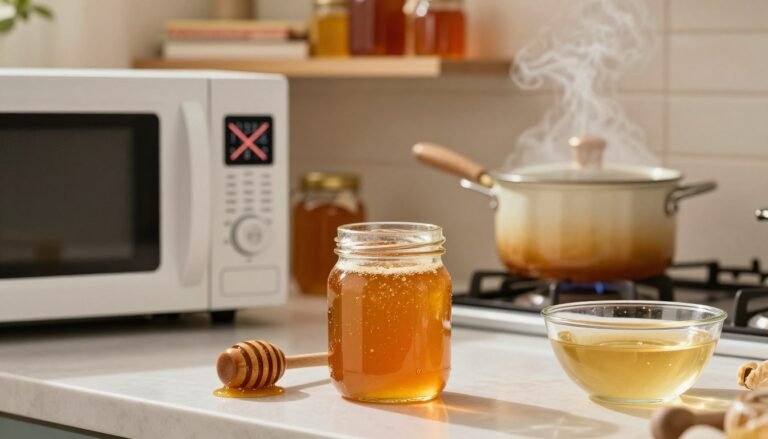
Genuine honey typically crystallizes over time when stored in a cool, dark place, while some (though not all) adulterated products remain suspiciously liquid indefinitely, making crystallization behavior a somewhat more informative sign than the water test, though still not a foolproof, scientifically validated method on its own. A microwave heating test, where genuine honey is said to caramelize while adulterated honey bubbles, is another commonly cited home check, though like the other home tests it lacks the rigorous validation that would justify treating it as definitive proof either way.
What Actually Reliably Detects Fake Honey
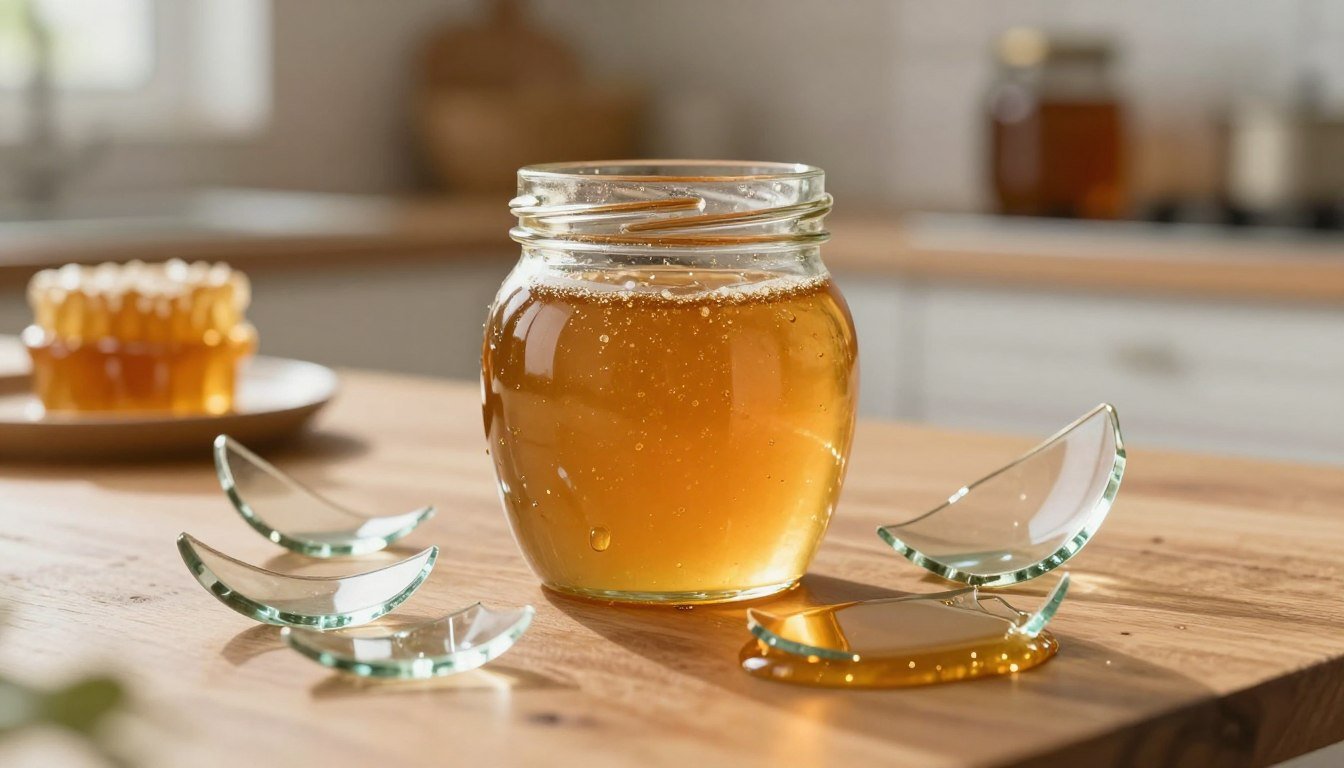
Genuinely reliable honey authentication relies on laboratory methods unavailable to home consumers: spectroscopy, chromatography, and pollen analysis (melissopalynology) can identify a honey’s actual composition and geographic origin, while moisture content testing with a refractometer checks whether water content falls within the roughly 18% or lower range typical of genuine, properly ripened honey. These methods require specialized equipment and training, which is exactly why buying from a source you trust matters more than any home test you could perform yourself.
How to Read a Honey Label Like a Skeptic
Check whether a label specifies a single country or region of origin rather than a vague “blend of EU and non-EU honeys” or similar wording, since single-origin honey is generally easier to trace and verify than honey blended from multiple, unspecified international sources. Genuine transparency about where and how the honey was produced, including a specific producer or brand willing to stand behind sourcing claims, is a meaningfully better signal than any ingredient-list wording alone, since fraudulent honey is still technically labeled “honey” on most packaging regardless of its actual purity.
Your Best Practical Buying Strategy
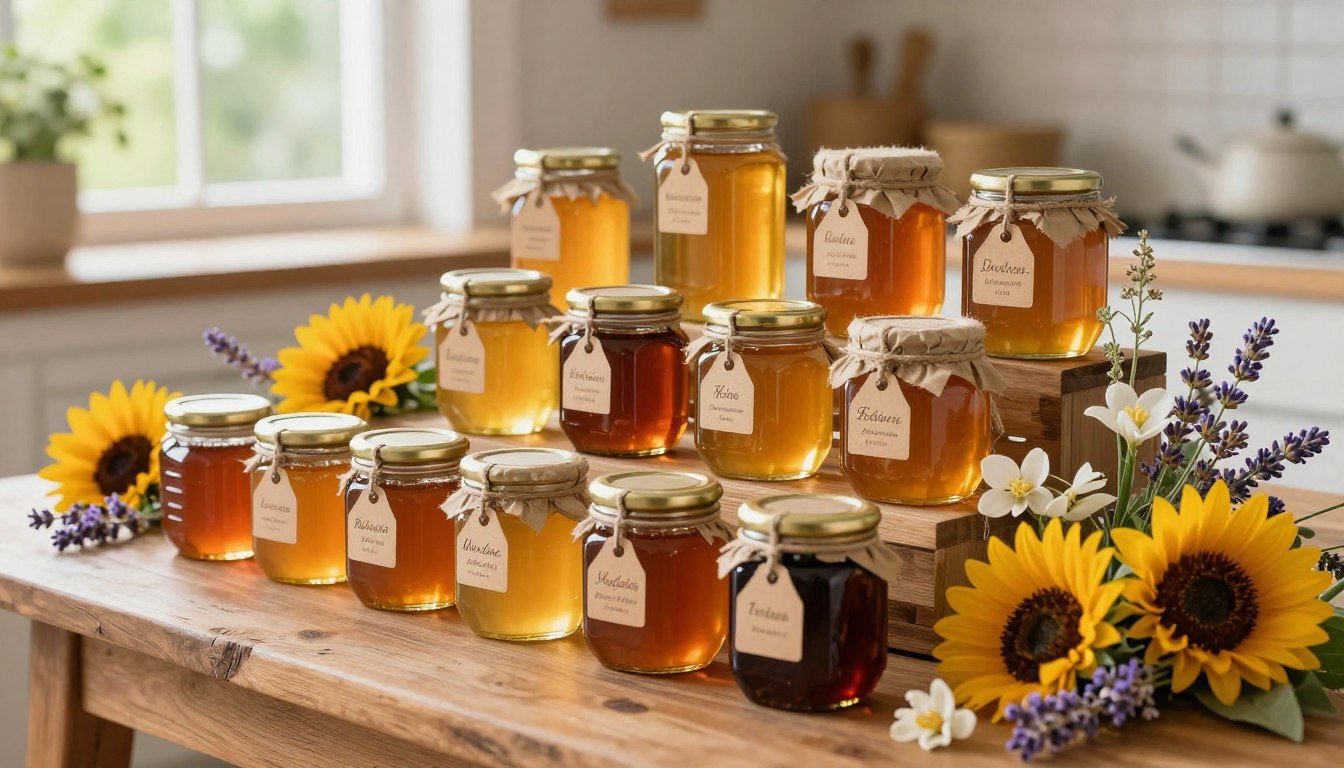
The single most reliable practical strategy for avoiding fake honey is buying directly from a local beekeeper or a small-scale producer you can actually ask questions of, rather than relying on any home test to verify a product after the fact. Local honey purchased this way carries essentially none of the large-scale international supply-chain fraud risk that drives most documented adulteration cases, since the entire chain of custody, from hive to jar, stays short, direct, and verifiable.
Why Honey Gets Adulterated in the First Place
Honey adulteration is fundamentally an economically motivated fraud: cheap sugar syrups cost a fraction of what genuine honey does to produce, and diluting real honey with these syrups, or replacing it entirely, lets fraudulent sellers sell a much cheaper product at prices that undercut honest producers while still calling it “honey.” This economic incentive, rather than any technical necessity, is the actual root cause behind the scale of adulteration documented in FDA and EU testing.
The Special Case of Manuka Honey Fraud
Manuka honey, covered in our dedicated guide, represents a particularly severe version of this same problem: global sales volumes of “manuka honey” far exceed genuine New Zealand production capacity, meaning a large share of manuka-labeled product on shelves worldwide isn’t authentic at its claimed grade. This is the same underlying economically-motivated fraud discussed throughout this article, just concentrated in a premium product category where the price gap between genuine and fraudulent product creates an especially strong incentive.
Certifications and Seals Worth Looking For
True Source Honey certification and similar third-party verification programs exist specifically to audit honey supply chains and confirm authenticity claims, offering a more concrete signal than unverified label language alone. While no certification system is completely immune to fraud, a genuine third-party audit trail is meaningfully more trustworthy than simply taking a package’s marketing claims at face value.
A Note for Readers Concerned About Purity During Pregnancy
As covered in our guide to honey safety during pregnancy, genuine honey itself poses no special pregnancy risk, but buying authentic, unadulterated product remains good general practice during pregnancy specifically because fraudulent honey may contain unknown syrups or contaminants that fall entirely outside what pregnancy-safety research on actual honey has ever studied. This is a general honey-quality consideration that applies to everyone, simply worth extra attention during pregnancy alongside other food-quality mindfulness.
A Beekeeper’s Perspective on This Problem
Honey adulteration is a genuine, significant problem for honest beekeepers and small producers too, not just consumers, since fraudulent product sold at artificially low prices undercuts legitimate producers who can’t compete with syrup-diluted “honey” priced far below what real production actually costs. Supporting verified, local, small-scale honey production isn’t just a consumer-protection choice; it’s also a way of supporting the beekeeping community actually working to produce genuine honey.
Raw Honey Isn’t Automatically Genuine
It’s worth clearing up a common misconception: labeling something “raw honey” describes a processing method (unpasteurized, minimally filtered), not a guarantee of authenticity, and raw-labeled products can still be adulterated with added syrups the same way any other honey can be. Don’t assume “raw” on a label automatically means genuine and unadulterated; that specific claim addresses a completely different question than the purity question this article focuses on.
Understanding Country-of-Origin Labeling Loopholes
Some honey undergoes a process sometimes called “honey laundering,” where honey is shipped through an intermediate country and repackaged before reaching its final market, technically satisfying country-of-origin labeling requirements while obscuring the honey’s actual original source and any adulteration that may have occurred earlier in the supply chain. This is a real, documented practice in the honey trade, part of why single, clearly-traceable-origin honey from a source you can directly verify remains more trustworthy than a label technically meeting minimum legal requirements.
Price as a Genuine Warning Signal
A price significantly below what local, small-scale beekeepers in your region typically charge for genuine honey is a real, practical warning sign worth taking seriously, since actual honey production costs (equipment, labor, colony management, extraction) set a realistic floor that legitimate producers can’t undercut by very much without losing money. This doesn’t mean every inexpensive honey is fraudulent, but an unusually large price gap compared to known-genuine local sources deserves real skepticism rather than being treated as simply a great deal.
Practical Tips for Buying at Farmers Markets
When buying honey directly from a beekeeper at a farmers market or roadside stand, asking a few genuine questions, where their hives are located, how many colonies they keep, roughly how much honey they harvest annually, tends to reveal quickly whether you’re talking to an actual small-scale producer or a reseller of unknown-origin product. A beekeeper who can answer these questions naturally and specifically is a far more reliable authenticity signal than any packaging claim could ever be.
Why Social Media Tests Keep Spreading Despite Being Unreliable
Simple visual home tests like the water test spread widely on social media precisely because they’re easy to demonstrate, visually satisfying, and give viewers a sense of empowered control over a genuinely worrying problem, even though the underlying science doesn’t actually support their reliability against modern, sophisticated adulteration. This is a common pattern with viral health and consumer-safety content generally: an appealingly simple solution tends to spread faster than the more accurate, but less satisfying, answer that real authentication requires laboratory equipment or a genuinely trustworthy source. Recognizing this pattern doesn’t mean dismissing every piece of viral food-safety advice outright, but it does mean applying the same healthy skepticism to a satisfying five-second video test that you would to any other unverified claim before treating it as reliable guidance for something as basic as a household grocery decision.
How the Problem Varies by Country of Origin
Documented adulteration rates vary meaningfully by source country in published testing, with some major honey-exporting nations showing notably higher rates of detected fraud than others in various studies, though this reflects supply-chain and regulatory-enforcement differences rather than any single country’s beekeepers being inherently less honest than another’s. This variation is precisely why single, traceable, domestic or local sourcing tends to carry lower documented fraud risk than honey moving through longer, more opaque international supply chains before reaching a store shelf. Consumers genuinely interested in this dimension of the problem can find more detailed, country-specific breakdowns in the published FDA and EU testing reports cited throughout this article, rather than relying on secondhand summaries that sometimes flatten real regulatory nuance into a much more oversimplified story than the actual data really supports.
Common Mistakes
Trusting a viral water test or thumb test as definitive proof of honey’s authenticity overlooks that modern adulterants are specifically engineered to pass these simple, unvalidated home checks. Assuming a low price on imported honey is simply a good deal rather than a potential red flag ignores the real, well-documented adulteration rates found in international honey testing. Buying honey based solely on attractive packaging or marketing language without checking for genuine origin transparency misses the more meaningful signal that actually correlates with authenticity.
Sources
Findings reflect published food-fraud research, FDA and EU honey adulteration testing data, and peer-reviewed studies on honey authentication methods including spectroscopy, chromatography, and pollen analysis.
FAQ
Does the water test actually detect fake honey?
Not reliably. Modern adulterants made from filtered rice, corn, or sugar cane syrup are specifically processed to behave like real honey in water, meaning fraudulent honey can pass this popular home test.
How common is fake or adulterated honey?
Genuinely common – estimates suggest 30 to 40% of global honey may be adulterated in some way, with FDA testing finding roughly 10% of imported honey samples adulterated in recent years.
What’s the most reliable way to avoid fake honey?
Buying directly from a local beekeeper or small-scale producer you can ask questions of is more reliable than any home test, since it keeps the supply chain short, direct, and verifiable.
Is crystallized honey proof that it’s real?
It’s a somewhat more useful sign than other home tests, since genuine honey typically crystallizes in cool storage, but it isn’t scientifically definitive proof on its own since some adulterated products can also crystallize.