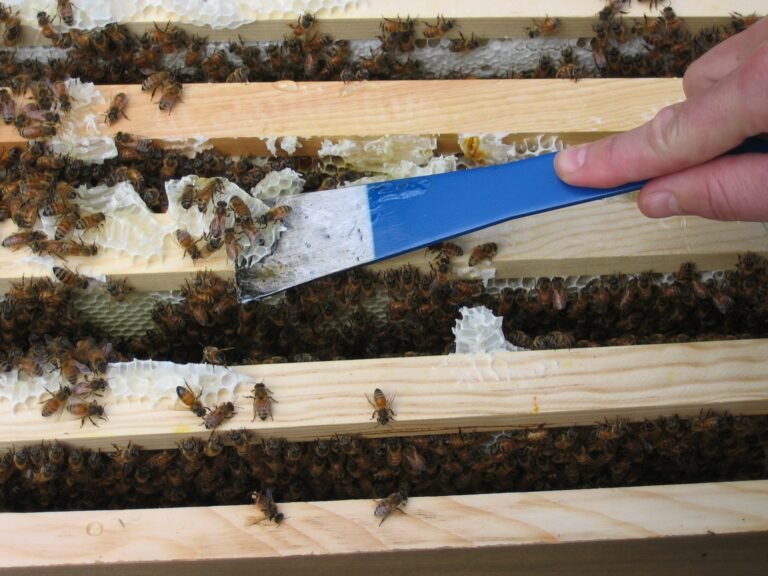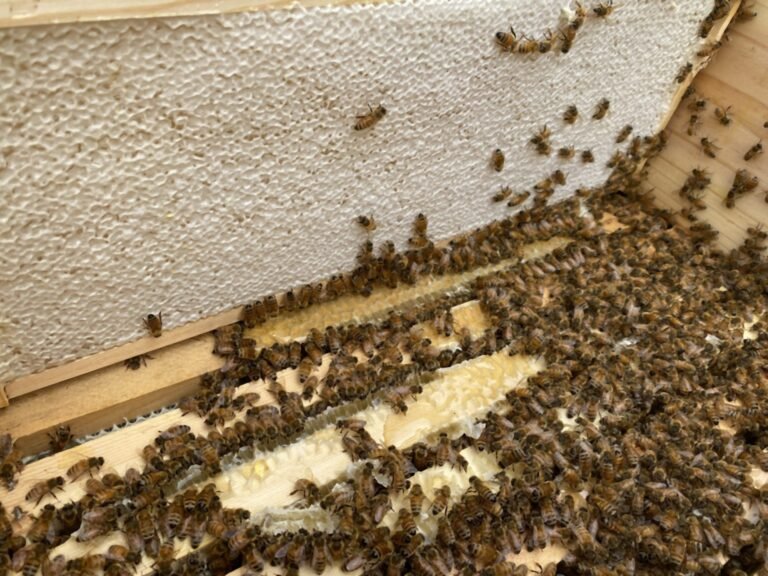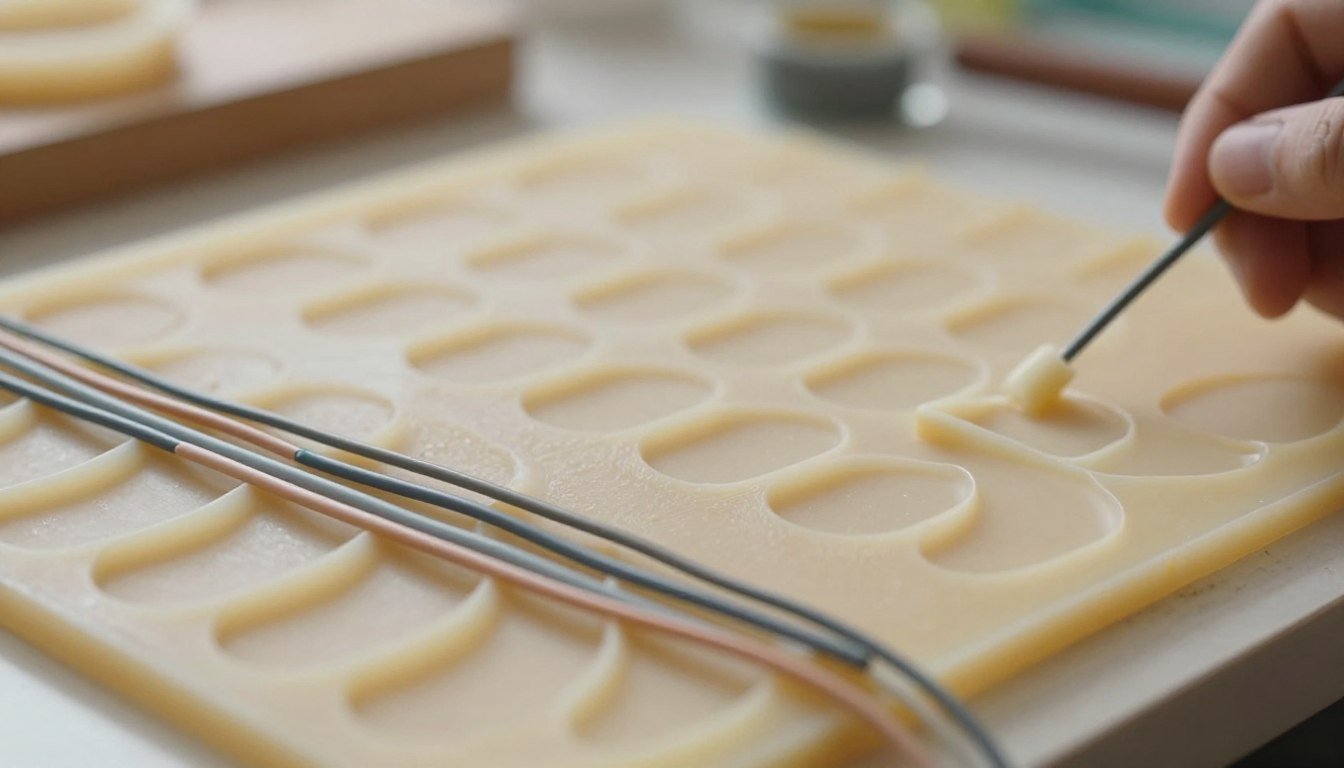
Reviewed by Elena P. · How we review
Installing foundation is one of the first skills every beekeeper needs. Dr. Leo Sharashkin, editor of Keeping Bees With a Smile, notes in his foundation installation guide that the task is straightforward and well within reach for hobbyists and pros alike.
Using a 12-volt direct current can secure a sheet inside a frame in roughly 15 seconds. This fast method gives a firm anchor for comb and helps colonies build straight, productive comb during nectar flow.
Proper wiring stops sag and keeps foundation sheets steady in the hive. That stability matters for healthy bees and for maximizing honey yields over time.
For detailed assembly steps and tools, consult the official wiring kit guide from Betterbee, and for tips on trimming sheets and sizing, see this practical guide at Beekeepers Realm.
Key Takeaways
- Installing foundation is a basic beekeeping skill that improves comb alignment.
- A 12-volt current speeds embedding and secures sheets quickly.
- Good wiring prevents sag and protects honey production.
- Use proper tools and follow stepwise instructions for best results.
- Refer to manufacturer and craft guides for kit assembly and sheet sizing.
Table of Contents
- Essential Tools and Preparation for Beekeeping Frames
- How to Wire Wax Foundation into Frames
- Ensuring Long-Term Comb Stability and Hive Health
- Conclusion
- FAQ
Essential Tools and Preparation for Beekeeping Frames
A tidy workbench and the right tools set the stage for durable comb support in every hive.
Selecting Quality Wax Foundation
Choose aromatic, clean sheets that invite bees to build healthy comb. High-grade wax foundation reduces debris and helps colonies accept new material faster. For practical setup notes, consult this adding foundations guide.
Inspect each wooden frame for straight side bars and a fitted bottom bar. Pre-drilled holes on the side allow stainless steel wires to pass and form a supportive grid.
- Keep frames clean and aligned before inserting sheets.
- Use stainless steel wire for strength under heavy honey loads.
- A wiring board is an essential tool for pulling wires tight and keeping foundation flat.
Proper prep prevents split wood and secures the foundation through the season. If acceptance stalls, review common causes at reasons bees won’t draw comb.
How to Wire Wax Foundation into Frames
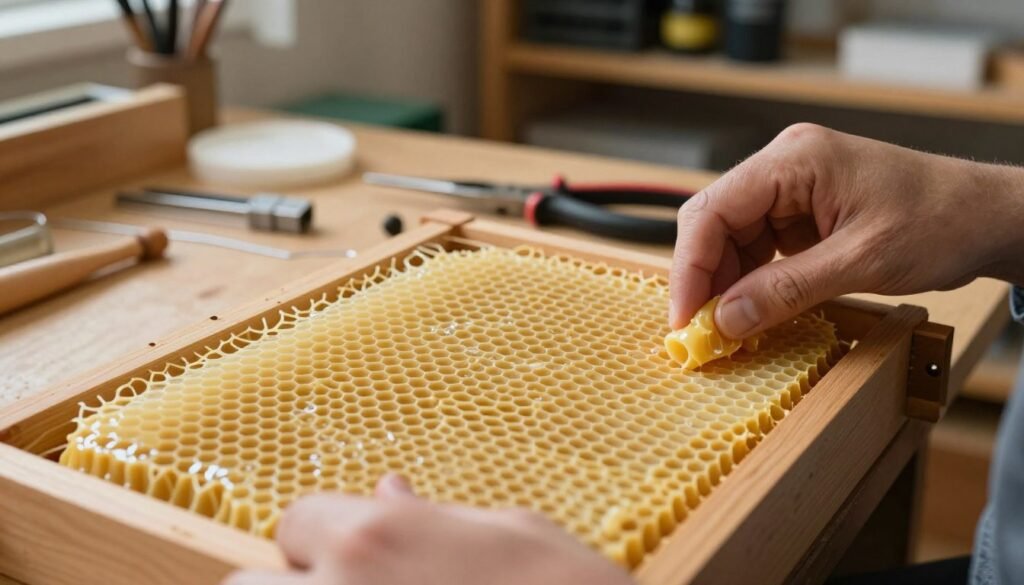
Begin by seating the sheet firmly under the top bar and over the bottom bar so it sits flush.
Place the sheet against the top bar and bottom bar so edges align. Check that side bars and pre-drilled holes match the sheet holes.
Use a 130-watt Dell laptop adapter as a steady heat source. Heat stainless steel wire briefly; the small current will melt the wax just enough for embedding. Manage the power carefully so the wire does not cut through the sheet.
- Keep wires taut across side bars for strong support.
- Embed each wire in about ten seconds for fast, consistent results.
- Verify that wood bars are square and the sheet stays centered.
Result: Proper wiring helps bees build comb faster and supports heavy honey loads during harvest. This traditional way of wiring keeps frames stable for easy hive inspection and long-term comb stability.
| Step | Action | Timing / Note |
|---|---|---|
| 1 | Seat sheet under top bar and over bottom bar | Ensure edges align with side holes |
| 2 | Heat stainless steel wire with 130-watt adapter | Embed in ~10 seconds; avoid cutting through sheet |
| 3 | Check wire tension across side bars | Taut wires give strength for heavy honey |
| 4 | Inspect frame and place in hive | Bees build comb faster; monitor acceptance |
For detailed installation notes and alternative methods, consult this guide on installing Layens sheets: install Layens wax foundation frame.
Ensuring Long-Term Comb Stability and Hive Health
When internal hive heat climbs, unsupported beeswax may droop under heavy honey. This weakens comb and adds stress during inspections.
Keep stores and gear cool. Store prepared frames in a dry, shaded area. Proper storage prevents sheets from becoming brittle or warped before use. For pest-safe storage methods, see frame storage tips.
Use stainless steel wire for cross-support. Taut wires give rigid backing that helps bees build comb straight and resist sagging when temperatures spike.
- Inspect wire tension regularly; loose wires often mean future warping.
- If sheets bulge, check hive ventilation and wire tightness.
| Risk | Sign | Remedy |
|---|---|---|
| High temperature | Slumped comb under honey | Improve ventilation; tighten cross wires |
| Storage damage | Brittle or warped sheets | Move to cool, dry storage; handle gently |
| Weak support | Irregular comb build | Use stainless steel cross-wiring; inspect often |
For product choices and sheet details, review foundation sheets guide.
Conclusion
Consistent attention to wire tension and clean bars pays off in stronger comb and steadier honey yields. Mastering installation of wax foundation rewards your beekeeping efforts and supports hive health. A well-wired frame is the backbone of harvests and protects comb during inspections and hot weather.
Choose quality materials and the right tool—an electric embedder or a hand tensioner—and practice regularly. For a practical reference on wiring a beehive frame, see wiring a beehive frame. With steady technique, preparing frames becomes a quick, reliable part of seasonal apiary work.
FAQ
What is the best top bar and bottom bar setup for installing pre-formed comb sheets?
Use a sturdy top bar with a notch or groove designed for foundation. A solid bottom bar that sits square in the frame prevents sagging. Stainless steel or galvanized wire run vertically from the top bar down through the foundation to the bottom bar gives the best long-term support for honey and brood combs.
Which tools are essential when preparing frames and a wiring board?
A proper wiring board, steel or brass wires, a hand-crimper or staple gun, a center punch for pilot holes, and a hot knife or thawing plate for embedding sheets are essential. Include a small mallet and a frame jig to keep frames square while you work.
What should I look for when selecting quality wax foundation sheets for my hive?
Choose sheets with even cell patterns and appropriate cell size for your bees. Look for clear, food-grade beeswax or coated plastic foundations from reputable suppliers such as Mann Lake or Dadant. Sheets should be flat, not warped, and free of contaminants.
How can I prevent comb sag and breakage during heavy honey flows?
Use multiple horizontal wires or thicker gauge vertical wires and embed them well into the wax or plastic. Ensure frames fit tightly in the hive so bees can draw comb with side support. Regular inspections and using queen excluders strategically also help reduce heavy, unsupported brood combs.
Is stainless steel or galvanized wire better for long-term use?
Stainless steel resists rust and lasts longer in humid conditions, but galvanized wire is less expensive and still effective if properly tensioned and coated. Choose stainless steel for longevity in coastal or wet climates.
What temperature is ideal for embedding sheets without damaging the wax?
Warm the foundation gently—typically between 100°F and 130°F—so it becomes pliable but does not melt. A controlled embedding iron or hot plate works well. Avoid direct open flames and rapid heating that can discolor or crack the wax.
How often should I replace wires and frames in active hives?
Inspect frames annually. Replace wires showing rust, fraying, or loss of tension. Wooden frames last several years but check for rot or splits at joints. Replace frames when they no longer hold tight comb or if the wood is damaged.
Can I retrofit old frames with new foundation and wiring?
Yes. Remove old comb, clean the frame, add new wires or replace them, and mount fresh foundation. Use a wiring jig and proper tensioning tool to keep wires straight and taut during the retrofit.