
Reviewed by Elena P. · Last Updated September 23, 2026 · How we review
For most beekeepers, especially beginners and anyone in a short-season northern climate, yes: put foundation in the brood box, or at least in most of it. Foundation gets a colony building straight, all-worker comb fast. That means straight frames you can lift and inspect, and less of the colony’s season spent raising drones. Going foundationless in the brood box works for experienced beekeepers who keep hives dead level and inspect weekly while comb is drawn. The cost is more drone comb and more mite pressure. The best setup for many hives is a hybrid: foundation in most frames, plus one foundationless frame placed deliberately as a drone frame you control.
This guide looks at the brood box specifically. It covers what the research says about drone comb and honey yield, what’s actually in commercial foundation wax, and how to set up a hybrid box. For supers, see our separate guide to foundationless frames for honey supers. The trade-offs there are different.
Key Takeaways
- Foundation in the brood box gives straight, mostly worker comb and faster buildup. It’s the safer default for new beekeepers.
- Given blank frames, colonies build more drone comb. Betterbee estimates it can be up to two mostly-drone frames per brood box.
- That drone comb isn’t free. In Thomas Seeley’s study, colonies with a natural amount of drone comb gained about half the weight over a summer of colonies kept without it.
- Varroa mites prefer to breed in drone brood, so extra drone comb can mean faster mite growth unless you manage it.
- The real advantage of foundationless comb is clean, new wax. Commercial foundation wax often carries miticide residues.
- A hybrid brood box captures most of the benefits of both.
Table of Contents
What Foundation Does in a Brood Box
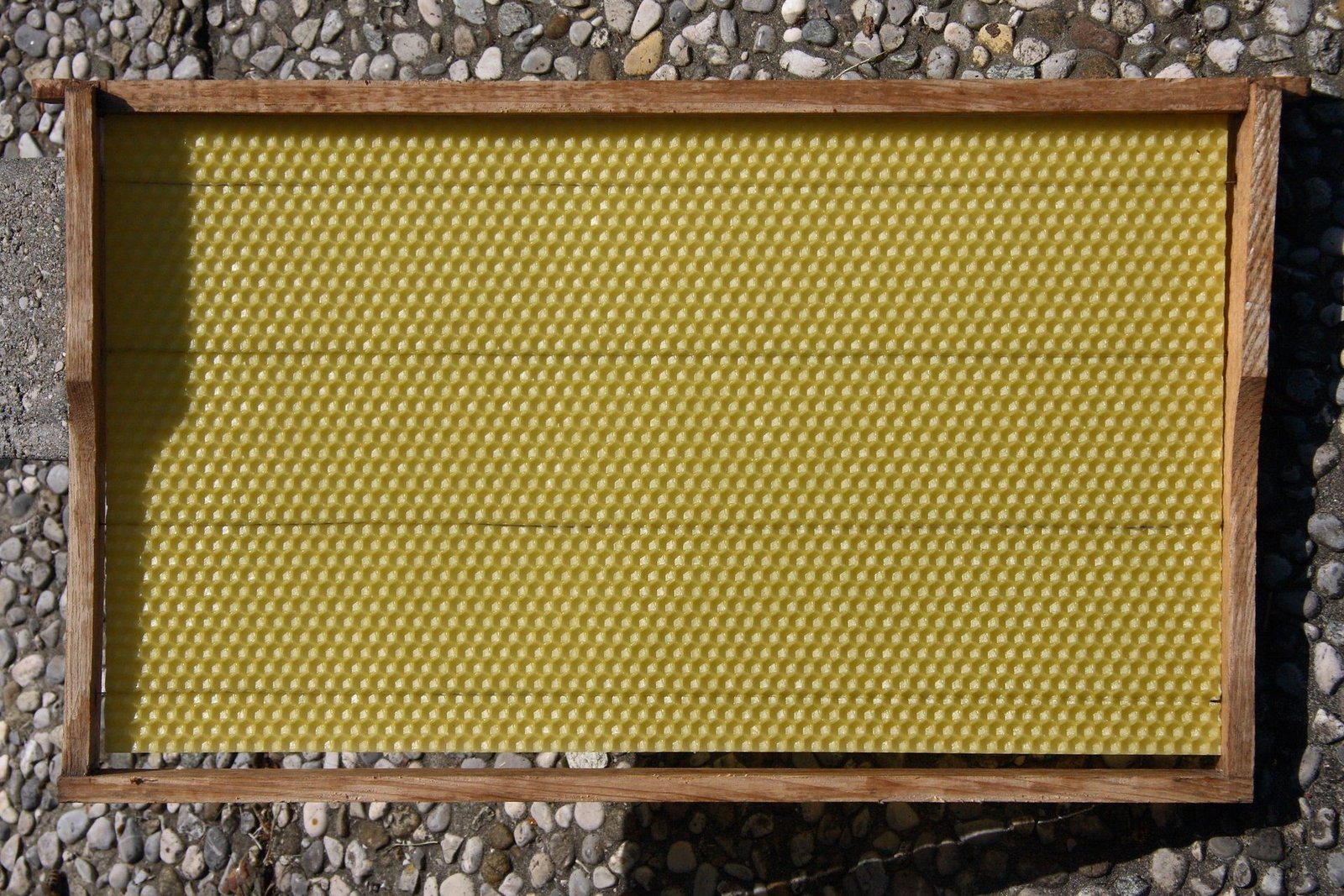
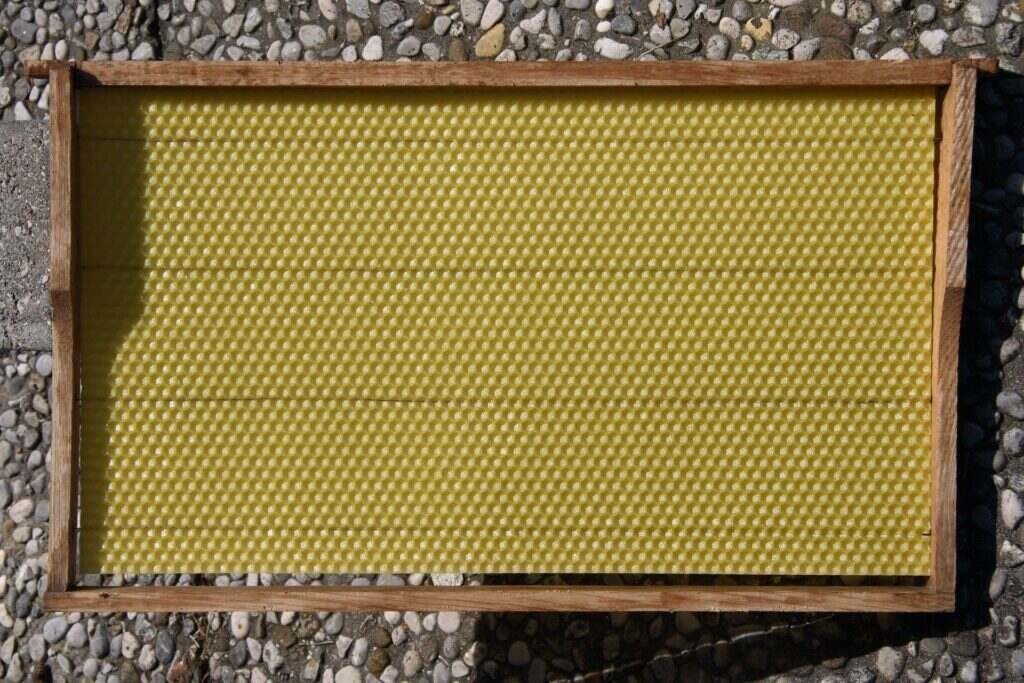
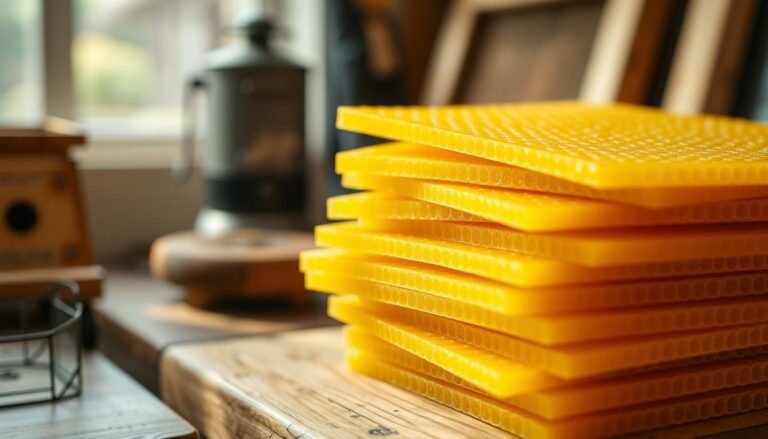
Foundation is a thin sheet of beeswax or wax-coated plastic embossed with the bases of hexagonal cells. The bees draw those bases out into full comb. Two things make it valuable in the brood box specifically:
- Cell size. Most foundation is embossed at worker-cell size. The queen lays fertilized, worker eggs in worker-sized cells and unfertilized, drone eggs in the larger drone cells. So foundation steers the brood nest toward workers, and workers are the bees that forage, build and defend the colony.
- Straight, removable comb. Brood frames are the ones you pull most often: for queen checks, disease checks, mite checks, splits and requeening. Comb that runs straight down the center of each frame keeps those jobs routine.
One correction to a figure that often gets muddled: in standard Langstroth equipment, a deep box is 9 5/8 inches tall and holds a 9 1/8-inch frame. A medium box is 6 5/8 inches and holds a 6 1/4-inch frame (Carolina Honeybees’ Langstroth dimensions). Buy foundation for the frame size, not the box size.
Foundation vs Foundationless in the Brood Box
| Factor | Foundation (wax or plastic) | Foundationless (starter strip or comb guide) |
|---|---|---|
| Comb shape | Straight, guided by the sheet | Straight only if the hive is level and comb is checked weekly |
| Drone comb | Low; mostly worker cells | Higher; bees build what they choose |
| Speed of buildup | Faster, since the bees start from a base | Slower, since the bees build every cell from scratch |
| Wax purity | Depends on the wax source; commercial wax often carries residues | All-new wax made by your own colony |
| Frame handling | Robust, especially plastic or wired wax | New comb is fragile; hold frames vertically |
| Cost | Foundation is an extra cost per frame | Cheaper up front |
| Beginner-friendly | Yes | Only with close supervision |
For the narrower question of starter strips versus full sheets, see starter strips vs full sheets of foundation. If you’re choosing between wax and plastic for the sheets, see plastic vs wax foundation.
The Drone Comb Cost Most Guides Skip
Left to itself, a colony builds a meaningful share of drone comb. Betterbee’s guide to foundationless frames puts it plainly:
“Left to their own devices, the bees will make a higher proportion of drone cells.”
Betterbee, “Foundationless Frames”
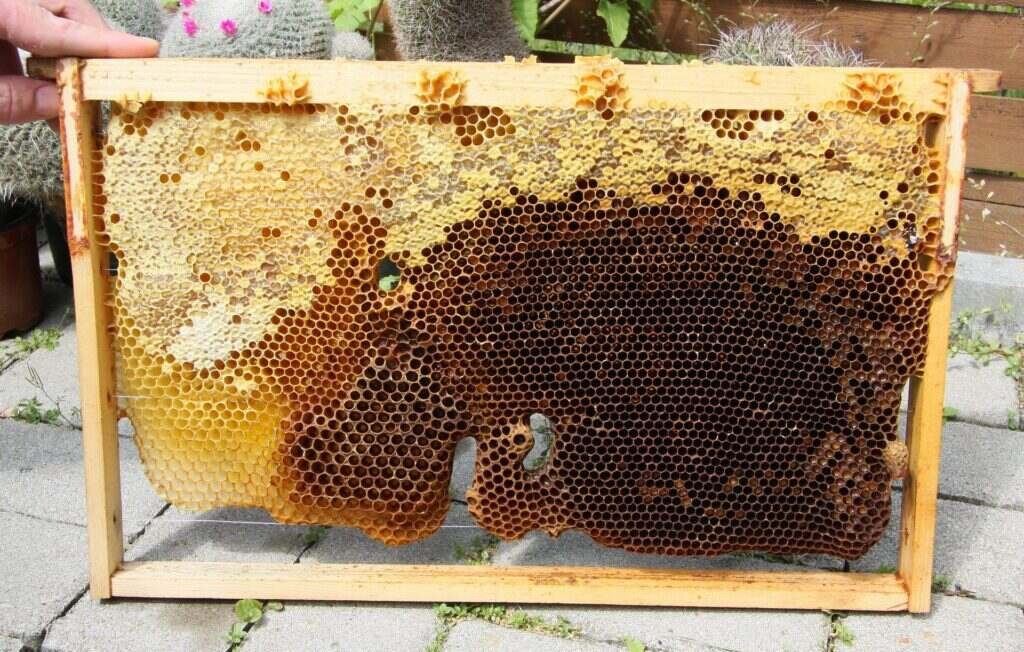
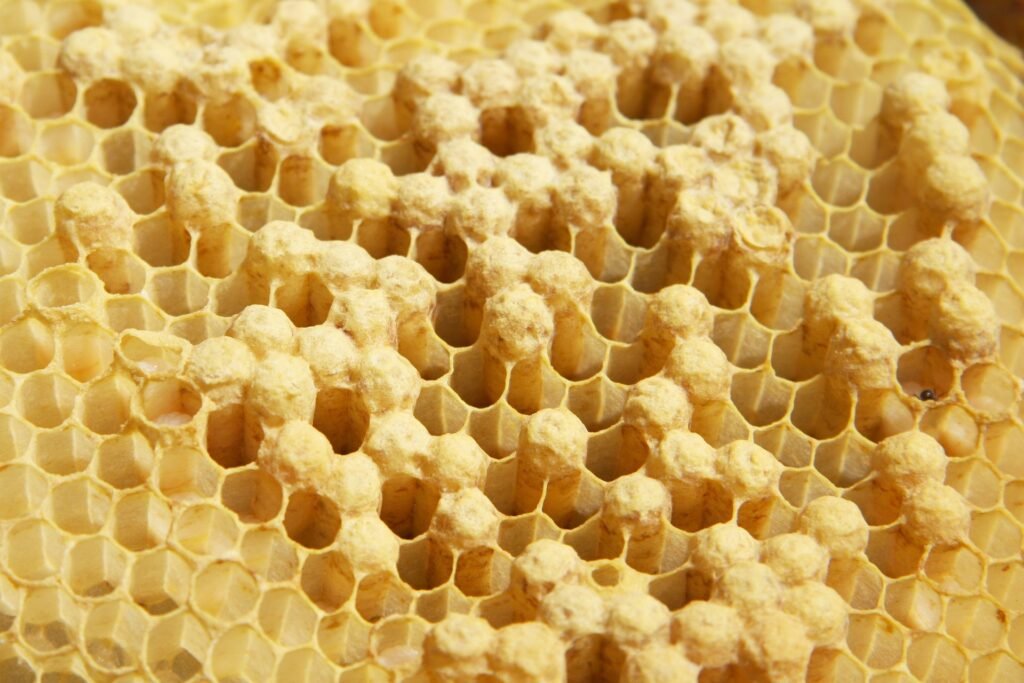
That guide estimates colonies want 10–15% of their cells as drone cells. In a foundationless brood box, that can mean as many as two mostly-drone frames per box.
What does that drone comb cost? Cornell biologist Thomas Seeley measured it. In a study published in Apidologie in 2002, he gave five colonies a natural amount of drone comb (about 20%) and kept five without it. He then weighed them from mid-May to late August over three summers. The colonies with drone comb gained 25.2 ± 16.0 kg on average. Those without gained 48.8 ± 14.8 kg (abstract). Raising and feeding drones takes food and labor that would otherwise go into stores.
Mites add a second cost. Varroa reproduces preferentially in drone brood, so a brood box with two frames of drone cells gives mites more of the brood they prefer. That doesn’t mean drones are bad. Colonies need them, and a few are part of a healthy colony. It means drone comb is worth placing on purpose rather than accepting wherever the bees happen to build it.
In the Northern Plains that trade-off matters even more. Our main flows from sweet clover, alfalfa and sunflower come in a relatively short summer window. A colony that spends early summer raising extra drones has fewer workers foraging when those flows arrive.
The Case for Foundationless: Clean Wax
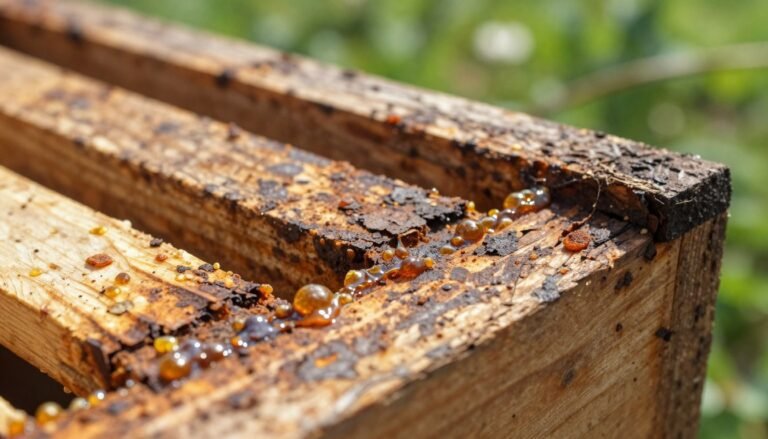
The strongest argument for foundationless brood comb isn’t cell size. It’s wax purity. Beeswax absorbs the oil-soluble miticides used in hives, and commercial foundation is made from recycled beeswax. In a broad survey of North American apiaries, Christopher Mullin and colleagues found that almost all comb and foundation wax samples, 98%, contained the miticides fluvalinate and coumaphos (PLOS ONE, 2010). A foundationless frame gives you comb made entirely from wax your own bees produced.
There are other ways to limit residues without giving up foundation. You can use plastic foundation coated with clean wax, rotate old brood comb out on a schedule (many extension educators suggest every four to six years), and avoid building up residues from your own treatments. Our comparison of waxed vs unwaxed plastic foundation covers the coating question.
A Hybrid Brood Box, Step by Step
This setup keeps the brood box predictable while getting clean wax and controlled drone comb:
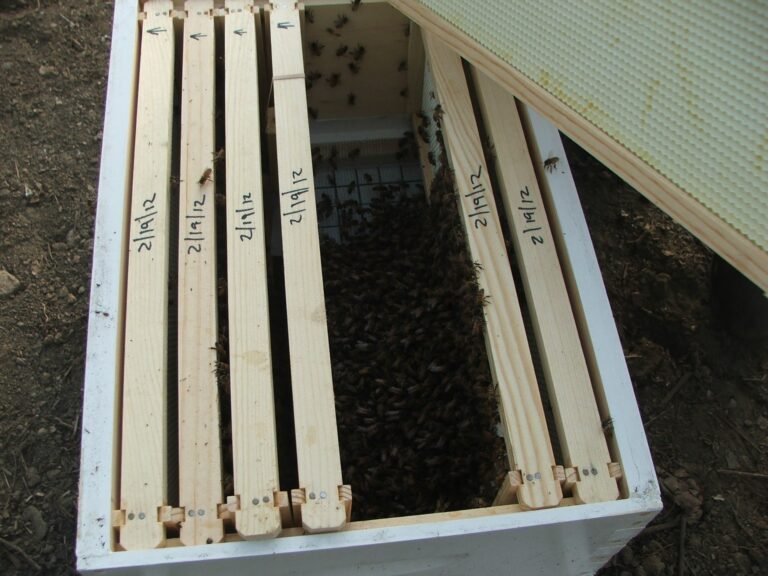
- Start with foundation in most frames. For a new package or nuc, use foundation in every frame of the first brood box. Our starter strips vs full foundation for new packages guide covers that first-season choice in detail.
- Level the hive side to side. Use a real level, not your eye. Bees build comb straight down, so a tilted hive gets comb that drifts off the frame.
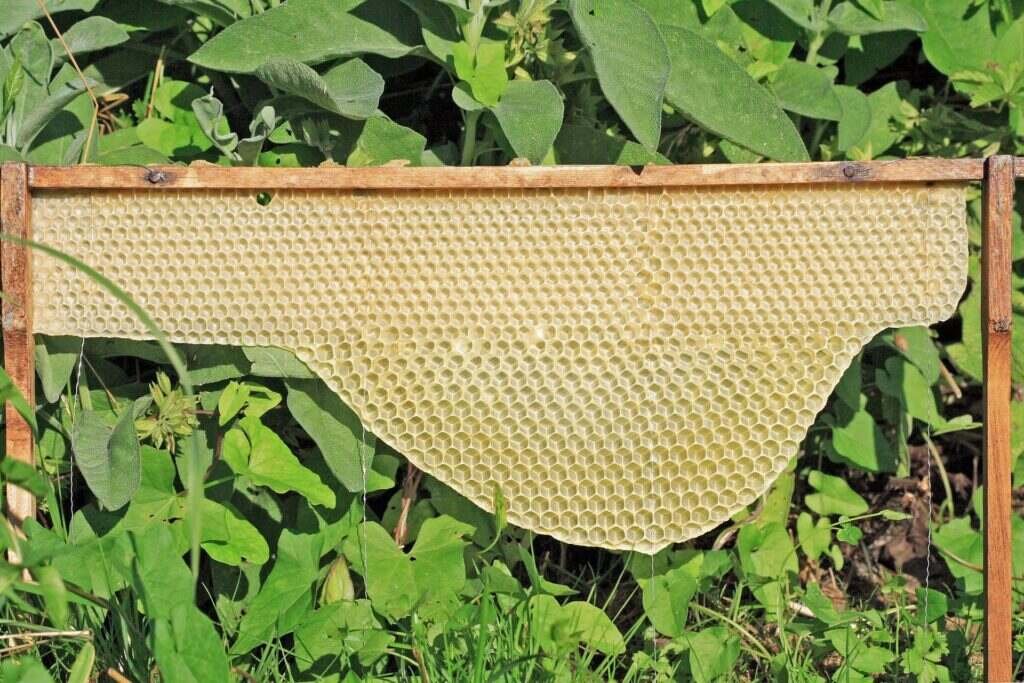
- Add one foundationless frame at a time, between two drawn combs. The neighboring combs keep the new one straight. David Evans of The Apiarist describes using foundationless frames one at a time between drawn frames without brace-comb problems.
- Make one outer frame your drone frame. Expect the colony to fill a foundationless frame with drone cells. Keep it near the edge of the brood nest, check it, and remove or freeze the capped drone brood as part of your mite plan. See drone comb placement for mite management.
- Check every 7–10 days while comb is being drawn. Gently push any wandering comb back into line while it’s still soft. If it has already gone wrong, see what causes cross comb in foundationless hives.
If you do use full foundation, install it well. A crooked or unwired sheet cancels out most of the advantage. Our list of foundation installation mistakes and our guide to wiring wax foundation cover the details. If bees are ignoring sheets you’ve already installed, see when bees refuse to draw foundation.
Who Should Go Fully Foundationless
A fully foundationless brood box makes sense if you:
- Have at least a season or two of inspection experience, and can handle heavy, unwired new comb without snapping it.
- Can check the hive weekly during comb building and keep it dead level.
- Have a mite-monitoring plan that accounts for more drone brood.
- Value clean wax enough to accept slower buildup and some lost honey.
If that’s you, our guide to package bees with foundationless frames covers starting from scratch. If it isn’t, start with foundation in the brood box and try one foundationless frame this season. You’ll learn how your bees build with far less at stake.
Frequently Asked Questions
Do bees need foundation in the brood box?
No. Bees build comb without it, as wild colonies do. Foundation makes brood comb straighter, mostly worker-sized and faster to build, which is why most beekeepers use it.
Will bees build drone comb on foundationless brood frames?
Yes, more than on foundation. Betterbee estimates colonies want 10–15% of their cells as drone cells, which can mean up to two mostly-drone frames per brood box.
Can I mix foundation and foundationless frames in one brood box?
Yes, and it’s the easiest way to try foundationless. Put each foundationless frame between two drawn or foundation frames so the neighbors keep it straight.
Does foundationless comb need wire in the brood box?
Usually not. Brood comb isn’t spun in an extractor, so it doesn’t need wire for that. Handle new comb vertically and gently, since it’s soft until the bees add cocoons and propolis.
Is foundationless better for varroa control?
Not on its own. The claim that natural cell size controls mites isn’t well supported, and extra drone comb can raise mite numbers. The foundationless frame helps with mites only if you use it deliberately as a drone-brood trap.
Should a new package go on foundation or foundationless frames?
Foundation is the safer choice for a package’s first brood box, especially in a short northern season. Once the colony has drawn comb, you can add foundationless frames one at a time.
The Bottom Line
Put foundation in the brood box unless you have a clear reason not to and the time to manage it. Foundationless comb gives you clean wax, but it brings more drones, more mite pressure and some lost honey. A hybrid box gets most of the benefit with little risk: foundation throughout, plus one foundationless frame you manage as a drone frame.

.jpg)
.jpg)
