Utah’s beekeeping laws are older than most people expect — beekeepers lobbied the territorial legislature to pass the state’s first bee inspection act in 1892, four years before Utah even became a state. That law existed to fight rampant foulbrood outbreaks by letting beekeepers elect a county honey bee inspector, and while the details have evolved, the core idea — registration and inspection working together to catch disease early — still defines Utah’s approach to beekeeping regulation well over a century later.
This guide covers Utah’s mandatory hive registration through the Department of Agriculture and Food, the apiary signage requirement, how the state’s inspection program actually works day to day, and the two very different legal paths Utah beekeepers can use to sell honey. Utah’s beekeeping industry also sits in a genuinely unusual position nationally: the state’s arid climate and diverse native flora, from high-desert rabbitbrush to mountain wildflower blooms, make it a significant summer destination for commercial migratory beekeepers trucking colonies in from out of state for pollination and honey production, which is part of why the state’s registration and interstate-movement framework carries real practical weight beyond its hobbyist beekeeping community.
Key Takeaways
- Every person who comes into possession of one or more bee colonies in Utah must register with the Department of Agriculture and Food within 15 days, and the registration must be renewed annually.
- Each apiary must display a sign showing the registration number, at least one inch tall and posted somewhere conspicuous in the apiary.
- Utah’s bee inspection tradition dates to 1892, when beekeepers themselves lobbied for the territory’s first bee inspection act to fight foulbrood.
- Registration fees directly fund county bee inspectors, sanitation supplies, abandoned-equipment disposal, and American foulbrood treatment or destruction.
- Utah offers two distinct legal paths for selling honey: traditional UDAF Cottage Food registration, or the newer Home Consumption and Homemade Food Act, which requires no UDAF registration at all but limits sales to in-person, in-state transactions.
Table of Contents
- A Beekeeping Law Older Than Statehood
- Registering Your Hives With UDAF
- The Apiary Sign Requirement
- Local City and County Ordinances
- How Utah’s Inspection Program Works
- Where Registration Fees Actually Go
- Two Paths for Selling Honey in Utah
- Frequently Asked Questions
A Beekeeping Law Older Than Statehood
In 1892, beekeepers successfully lobbied the Utah territorial legislature to pass the first bee inspection act — four years before Utah achieved statehood in 1896. The law was a direct response to rampant foulbrood outbreaks devastating colonies across the territory, and it allowed beekeepers in each county to elect their own honey bee inspector. That structure significantly reduced the spread of foulbrood in the decades that followed. More than 130 years later, and despite the advent of antibiotics and modern treatment methods, American foulbrood remains a genuine threat to Utah’s honey industry, which is exactly why the state’s current registration and inspection framework — administered today by the Utah Department of Agriculture and Food (UDAF) — still traces its core logic directly back to that original 1892 act.
Registering Your Hives With UDAF
Every owner or person who comes into possession of one or more colonies of bees in Utah must register with the Department of Agriculture and Food within 15 days of acquiring the bees. Registration isn’t a one-time formality — licenses must be renewed annually, with a fee of roughly $10 per year. Registering isn’t just a legal box to check, either: it’s what puts a beekeeper on UDAF’s radar for health inspection and lab testing services, alerts about American foulbrood or other disease outbreaks nearby, and warnings if Africanized honey bees are detected moving through the state. An unregistered apiary gets none of these protections and, practically speaking, is invisible to the county inspector who might otherwise catch a developing problem early.
The Apiary Sign Requirement
Utah takes hive identification seriously: each apiary location, whether permanent or temporary, must be identified by a sign displaying the owner’s UDAF-issued registration number. The sign’s lettering must be at least one inch in height, easily readable, and posted somewhere conspicuous within the apiary. This requirement exists for the same reason registration itself does — it lets a county inspector, a neighboring landowner, or another beekeeper immediately identify whose bees are on a given site without having to track down the owner first, which matters in a disease-outbreak scenario where speed of contact tracing genuinely affects outcomes.
Local City and County Ordinances
State registration and signage requirements are only part of the picture for Utah beekeepers living within an incorporated city, since Utah municipalities retain their own zoning authority over beekeeping on top of the state framework. Cities across the Wasatch Front and beyond have each adopted their own beekeeping ordinances: some cap the number of hives allowed per residential lot, require a minimum setback from property lines, mandate a water source on-site so bees aren’t drawn to a neighbor’s pool or pet bowl, or require a flyway barrier where a hive sits close to a shared property line. A handful of cities require their own separate local registration or permit in addition to the state UDAF registration. Because these ordinances vary considerably from one Utah municipality to the next, a beekeeper moving even a short distance — say, from unincorporated county land into a city limit — should check their specific city or county code before assuming their existing setup is automatically compliant.
How Utah’s Inspection Program Works
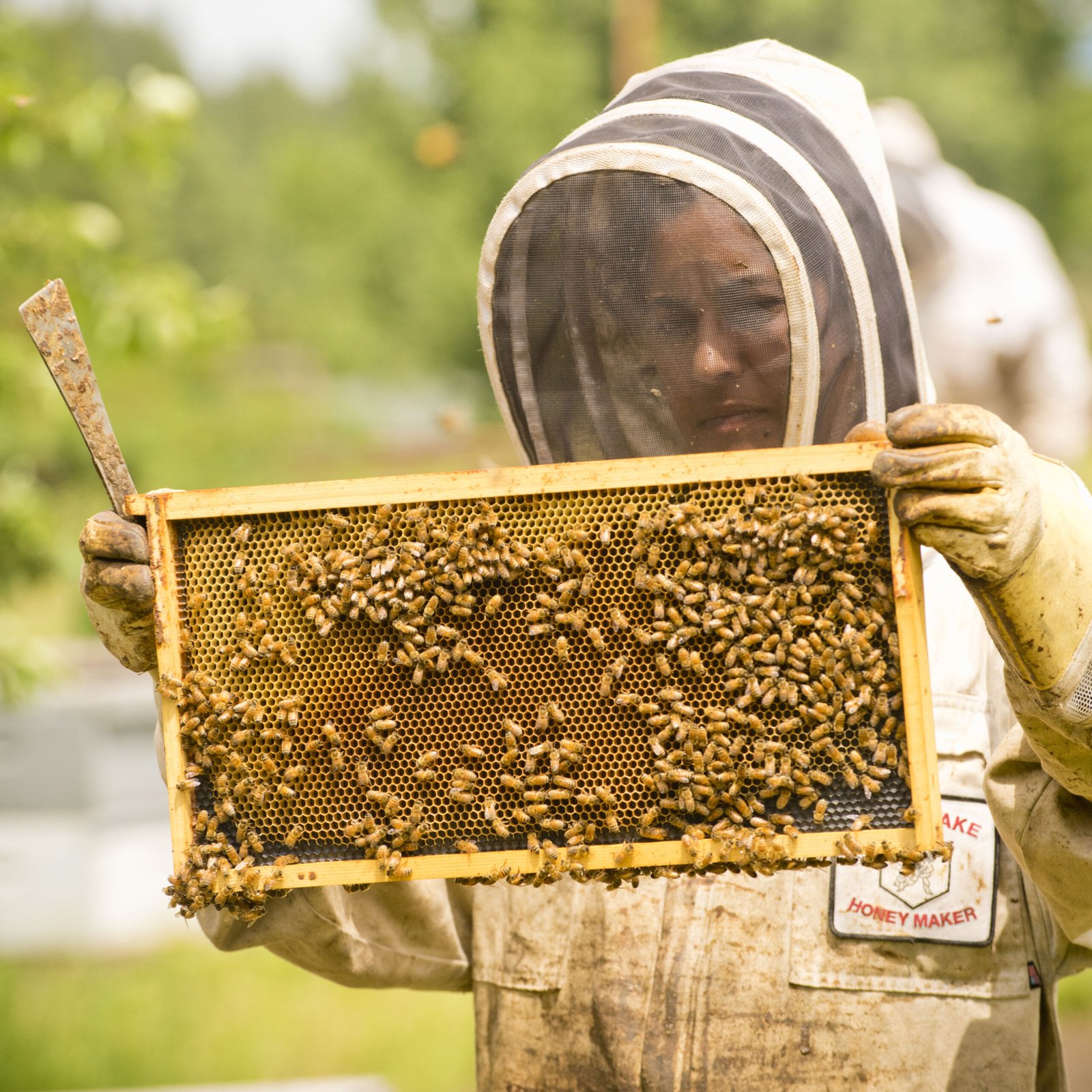
The Utah Apiary Program, run through UDAF, conducts apiary inspections specifically to help beekeepers diagnose pest and disease issues — the program frames itself explicitly as there to help, not hinder, beekeepers in their work. UDAF uses its registration database to reach out to local beekeepers and arrange precautionary inspections checking for signs of infection, offering advice on next steps where needed. Beekeepers aren’t limited to waiting for UDAF to reach out, though: it’s every beekeeper’s own responsibility to register their hives and to contact their county bee inspector directly whenever they have a concern, rather than waiting for a scheduled visit. UDAF maintains a county-by-county inspector contact list alongside its central Apiary Program line, making it straightforward to reach a real, locally-assigned inspector rather than a general state office.
Where Registration Fees Actually Go
Utah is unusually transparent about what its modest registration fees fund. The money goes toward sanitation supplies for bee inspectors, disposal of abandoned beekeeping equipment (a known disease vector when left unaddressed), and the treatment or destruction of colonies found infected with American foulbrood. Fees also support statewide honey bee health surveys and ongoing monitoring for Africanized honey bee movement into the state. In effect, every beekeeper who registers is directly funding the same inspection infrastructure that protects their own colonies — a more direct fee-to-benefit relationship than the flat registration fines found in some other states’ beekeeping laws. It’s a structural echo of the original 1892 act, which was funded and staffed at the county level by beekeepers themselves rather than imposed from outside — Utah’s modern registration fee essentially continues that same beekeeper-funds-beekeeper-protection model, just administered through a state agency rather than a county election.
Two Paths for Selling Honey in Utah
Utah gives beekeepers two genuinely distinct legal routes for selling honey, and the right one depends on how and where the beekeeper wants to sell. The first is traditional UDAF Cottage Food registration, which allows an individual with a valid Food Handlers Permit to make and package non-potentially-hazardous foods, honey included, in a home kitchen under a formal cottage food registration. The second, newer option is the Home Consumption and Homemade Food Act, which requires no registration with UDAF at all — only a standard local business license. Honey isn’t on the Act’s short list of prohibited foods (which covers meat, meat-containing products, and raw dairy), so it qualifies. The tradeoff is real restrictions: sales must happen within Utah, in person, directly to the end consumer at a prearranged location for personal consumption, never for resale to a store or restaurant, and the product must carry a specific disclaimer label stating it was “processed and prepared without the benefit of state or local inspection,” along with an allergen list. A beekeeper selling at a farmers market under this Act can only do so at a direct-to-sale market or within a section specifically signed as homemade, uninspected food — they can’t simply set up next to a UDAF-licensed vendor’s table without that distinction being clearly marked. In practice, the choice between the two paths usually comes down to scale and sales channel: a beekeeper who wants to sell wholesale to a local grocery store or supply a restaurant needs the formal UDAF Cottage Food registration, since the Homemade Food Act explicitly excludes resale. A hobbyist beekeeper who just wants to sell a few dozen jars a year directly to friends, neighbors, and farmers-market customers, without the paperwork of a formal state registration, is generally better served by the Homemade Food Act route, provided they’re comfortable with the in-person, in-state-only restrictions and the required disclaimer labeling.
Frequently Asked Questions
How soon do I need to register my bees in Utah?
Within 15 days of coming into possession of one or more colonies, and the registration must be renewed annually.
Do I need to post a sign at my Utah apiary?
Yes, a sign showing your UDAF registration number, at least one inch tall and conspicuously posted, is required at every apiary location.
How old is Utah’s beekeeping inspection law?
Utah’s first bee inspection act dates to 1892, four years before Utah became a state, and was passed specifically to fight foulbrood outbreaks.
Can I sell honey from my home in Utah without registering with the state?
Yes, through the Home Consumption and Homemade Food Act, which requires only a local business license, though it restricts sales to in-person, in-state transactions with specific labeling requirements.
What do Utah’s beekeeping registration fees pay for?
County bee inspectors, sanitation supplies, abandoned-equipment disposal, American foulbrood treatment or destruction, and statewide bee health surveys.
FAQ
How soon do I need to register my bees in Utah?
Within 15 days of acquiring bees; renew annually.
Do I need to post a sign at my Utah apiary?
Yes, showing your registration number, at least one inch tall.
How old is Utah’s beekeeping inspection law?
Dates to 1892, four years before Utah statehood.
Can I sell honey from my home in Utah without registering with the state?
Yes, via the Home Consumption and Homemade Food Act with a local business license.
What do Utah’s beekeeping registration fees pay for?
Inspectors, sanitation supplies, equipment disposal, and foulbrood treatment.