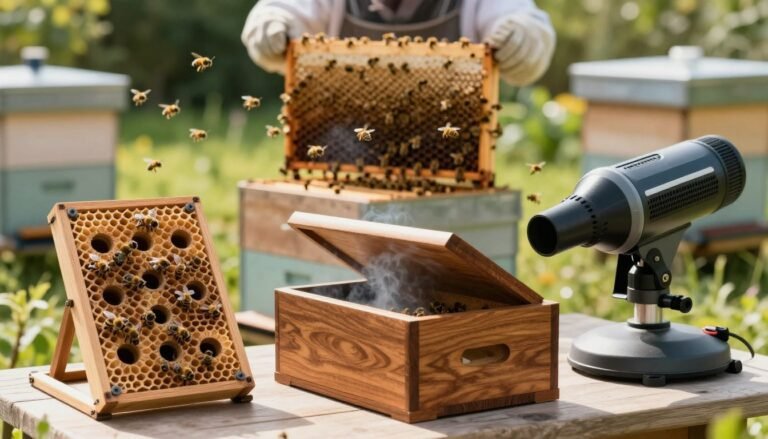
Bee Escape Board vs Fume Board vs Blower: Which is Best?
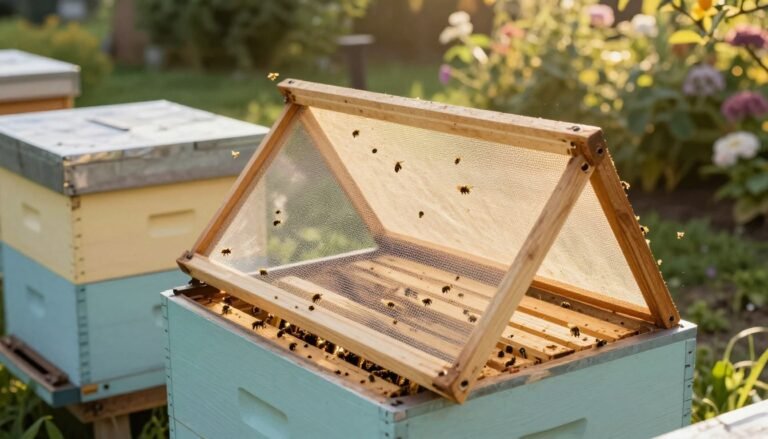
Compare bee escape board vs fume board vs blower to find the ideal beekeeping solution. Learn about the advantages and disadvantages of each.

Most of the hardware that goes on or under a hive is cheap, and most of it is only useful for part of the year. This section compares those pieces: quilt boxes against moisture boards, solid against screened bottom boards, candy boards against sugar bricks, escape boards against fume boards and blowers at harvest, and how high a stand should sit. Each comparison covers cost, climate fit, and when the item goes on and comes off.
The winter pieces deserve the most attention. A cluster burns a great deal of honey over winter, and the water vapor from that metabolism condenses on a cold lid and drips back onto the bees. What sits above the cluster matters more than the wrap on the sides: a quilt box of pine shavings absorbs and vents that moisture, a moisture board wicks it, and a thick insulated inner cover stops it condensing there at all. On the floor, a screened bottom board is a mite monitoring tool rather than a treatment, and whether to close it for winter depends on your climate.
Pick by your winters and your mite plan, not by what looks clever in a catalog.
Start here:
Compare bee escape board vs fume board vs blower to find the ideal beekeeping solution. Learn about the advantages and disadvantages of each.
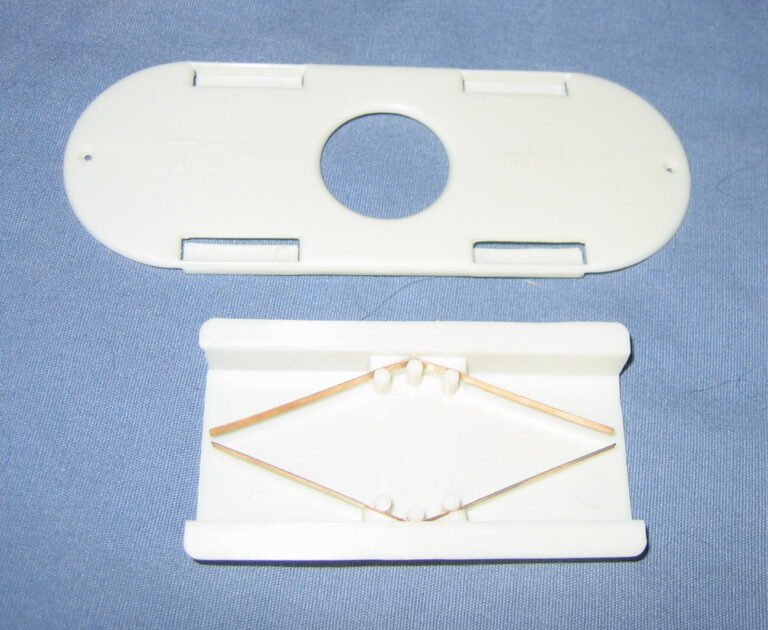
Escape cone vs escape board: how cone, Porter, triangle and rhombus escapes compare for clearing honey supers, why moving parts jam, and the 24-48 hour rule.
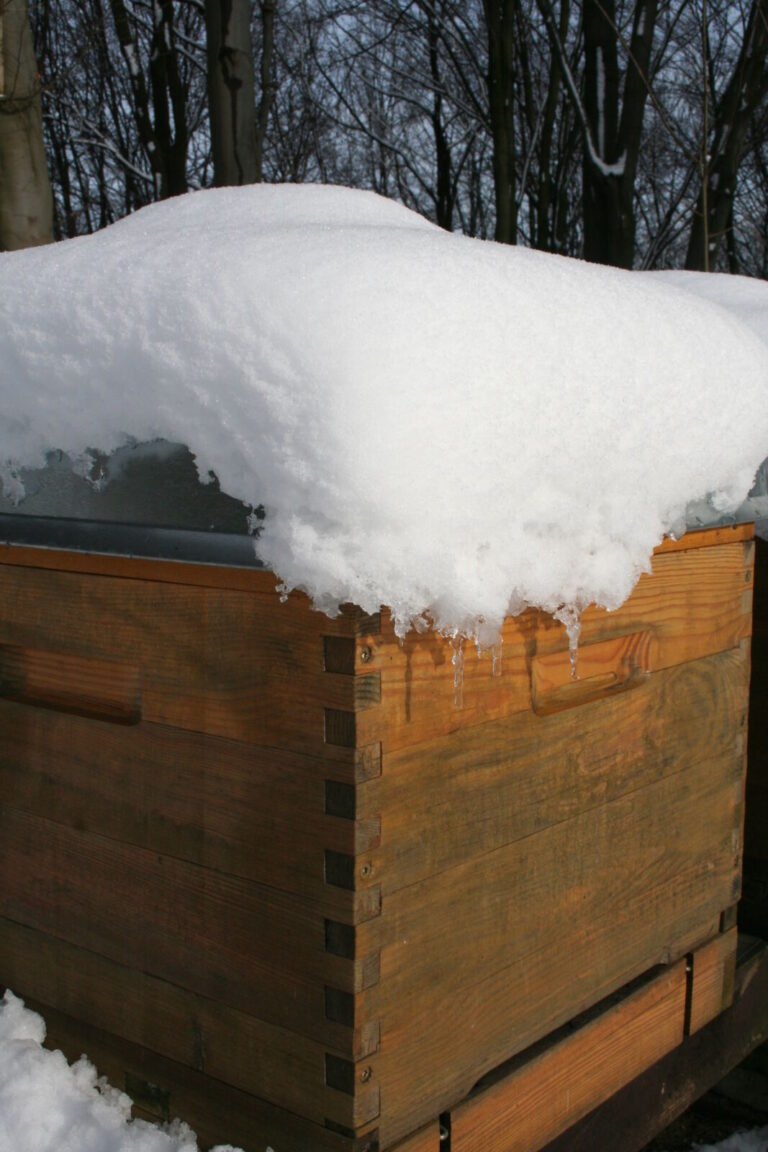
Metal-topped vs painted wood beehive covers compared: durability, summer heat, winter condensation, cost, weight, and stacking for migratory use.

Learn about effective hive shade cover options for hot climates. Our how-to guide provides expert advice on keeping your beehives cool.

Learn how to protect your beehives with our comprehensive guide on anti-ant moat hive stand design for beekeepers.
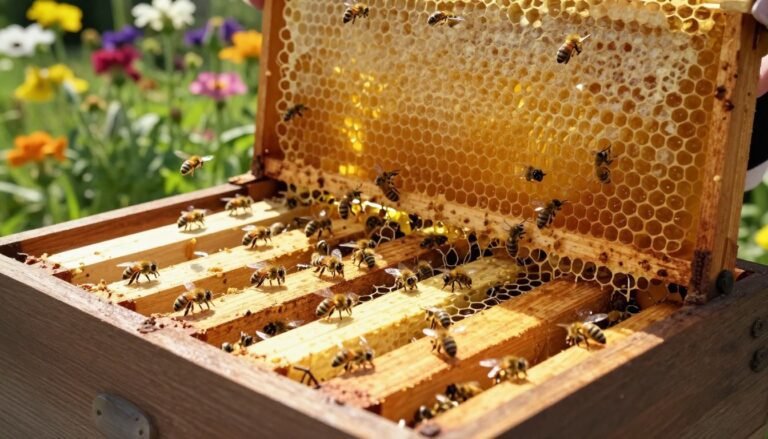
Add a queen excluder after bees start storing nectar in the first super, never over foundation, and remove it with the last super. Timing, checklist and research.
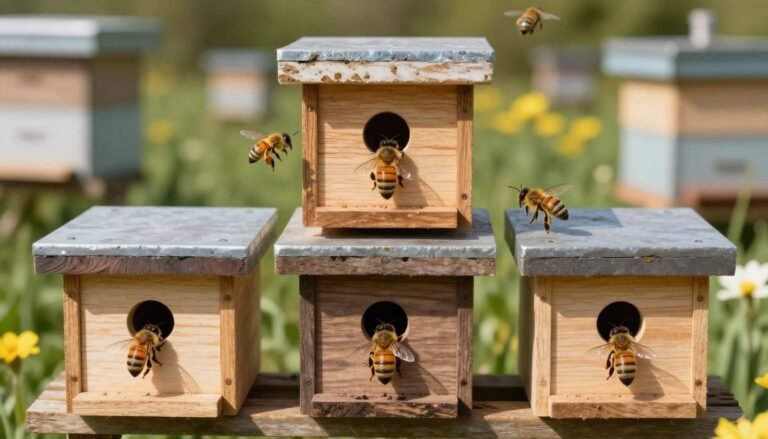
Mouse guard holes should be 3/8 inch (9.5 mm): wide enough for drones, at the limit mice can squeeze through. See the size math, sources and DIY mesh advice.
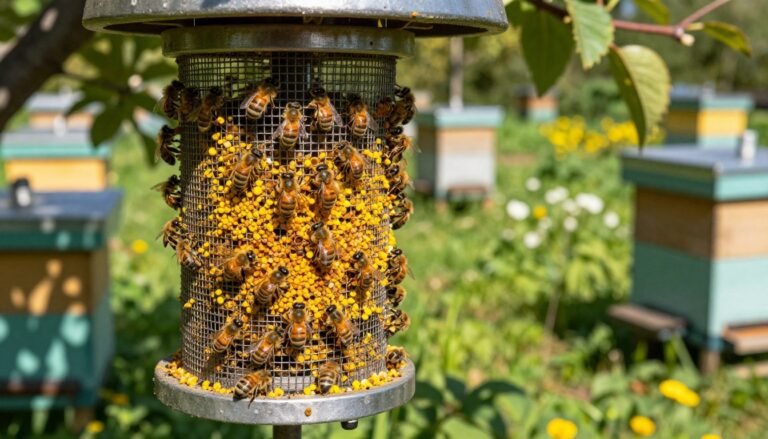
Discover the best pollen trap types for small apiaries with our comprehensive buyer's guide. Learn how to choose the right pollen trap for your beekeeping needs.
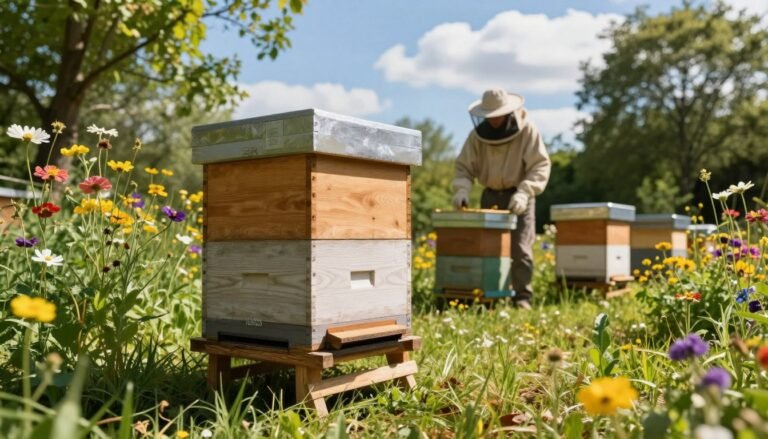
Learn the ideal hive stand height best practices for beekeepers. Discover how to set up your beehive for optimal health and productivity.
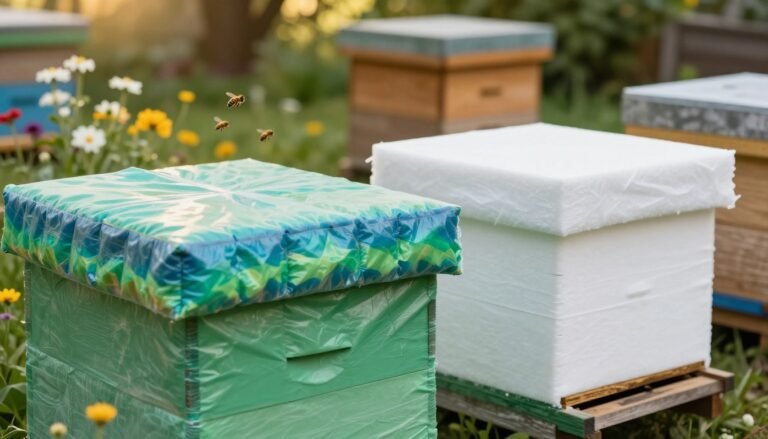
Compare insulated hive wraps vs foam board wraps to determine the best beehive insulation solution for your needs and climate.
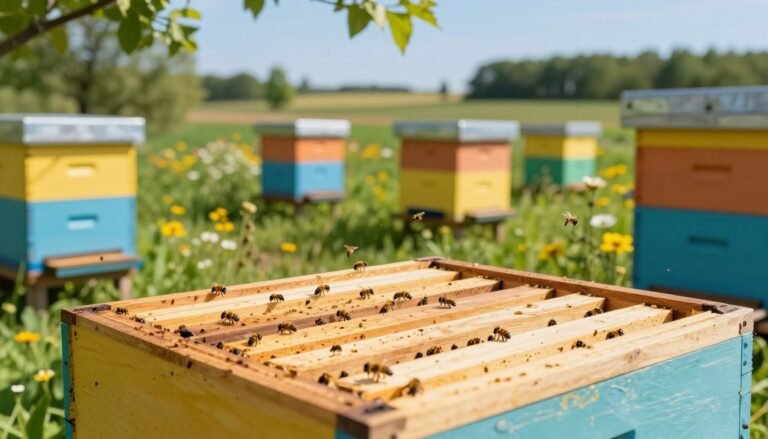
Improve your beekeeping with slatted racks this summer. Understand the slatted rack benefits for summer hives and enhance your hive's health.

Find out how many entrances should a hive have for maximum bee health and productivity. Expert beekeeping tips for a thriving colony.
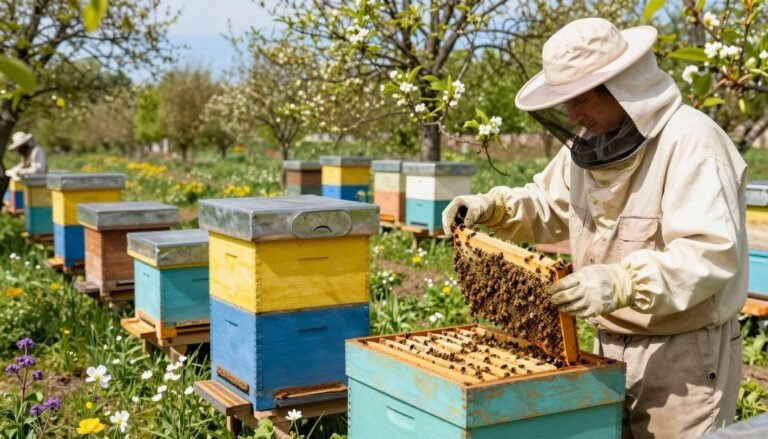
Learn about creating an entrance disk for NUC boxes explained in our comprehensive guide. Discover the steps and best practices for a successful setup
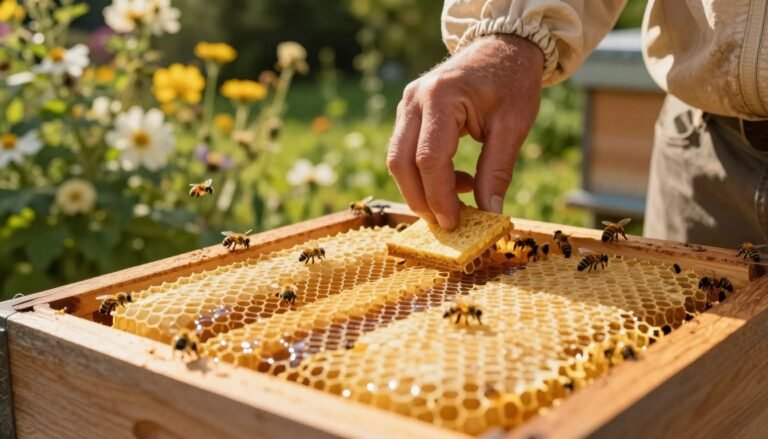
Understand the purpose of hive shims in modern beekeeping. Find out what hive shims are used for and get step-by-step guides on their application and benefits.
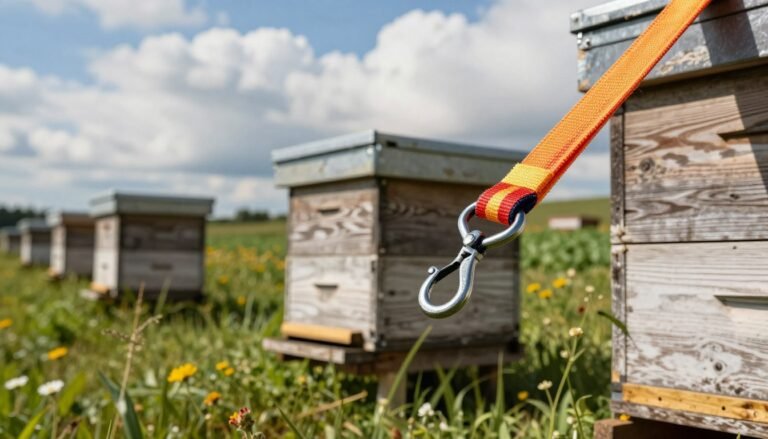
Get expert guidance on using ratchet straps for windy apiaries to keep your beehives safe. Follow our step-by-step guide for reliable anchoring solutions.
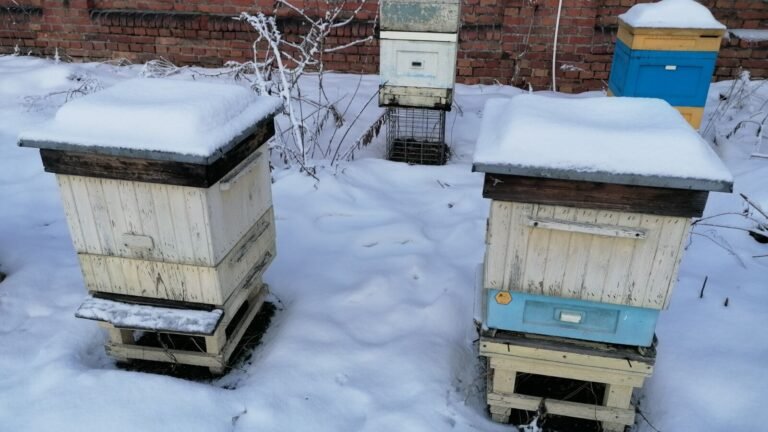
A quilt box absorbs and vents the 3+ gallons of water a wintering colony breathes out; a moisture board wicks it away. Compare cost, insulation and climate fit.
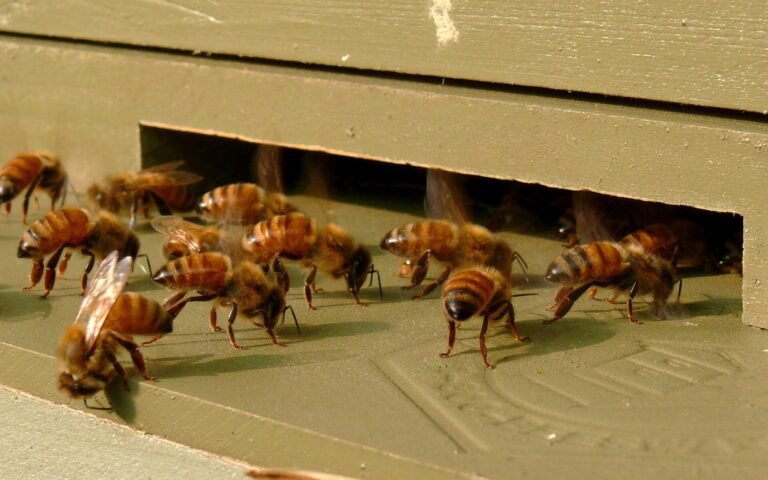
Weigh the benefits and drawbacks of ventilated bottom boards in hot climates. Understand ventilated bottom board pros and cons in hot climates for optimal beekeeping results.
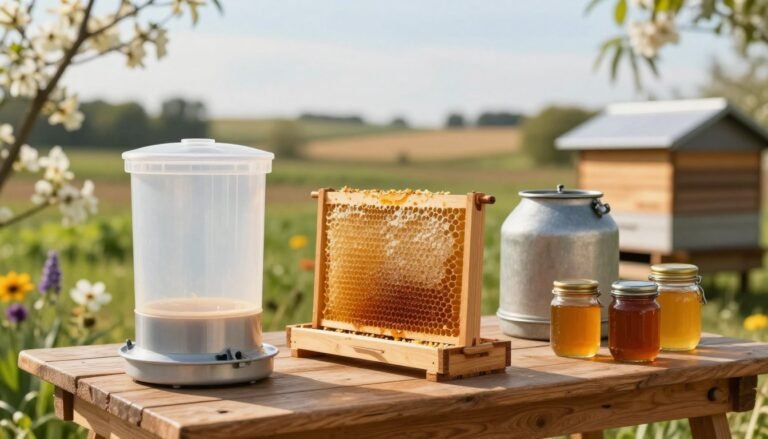
Learn about top feeder vs frame feeder vs pail feeder differences. Our comparison guide helps you choose the right feeder for your specific requirements.

Candy board vs sugar bricks for winter: A comprehensive comparison guide to help you choose the right winter traction aid
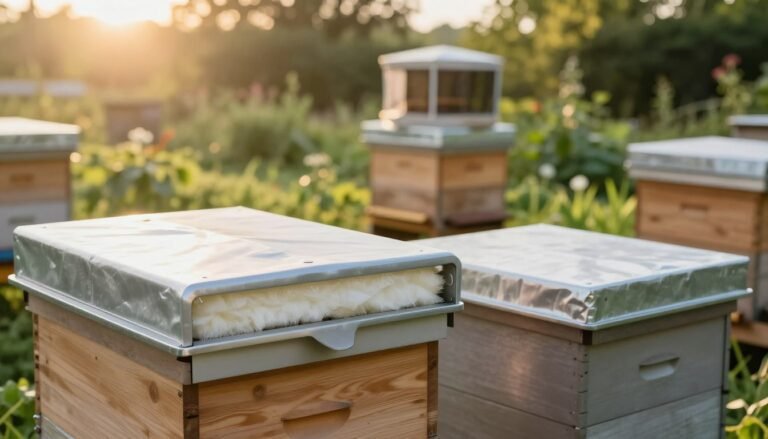
Discover the key differences between insulated hive top and plain telescoping cover. Make an informed choice for your beekeeping needs with our comparison.
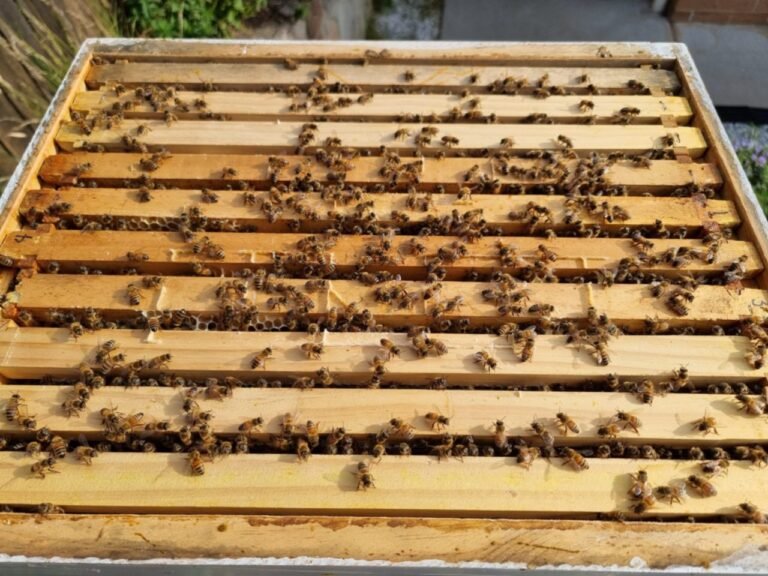
Inner cover notch up or down? Down at the front for winter exits and strong-flow top entrances, closed otherwise. How rim depth decides where burr comb forms.
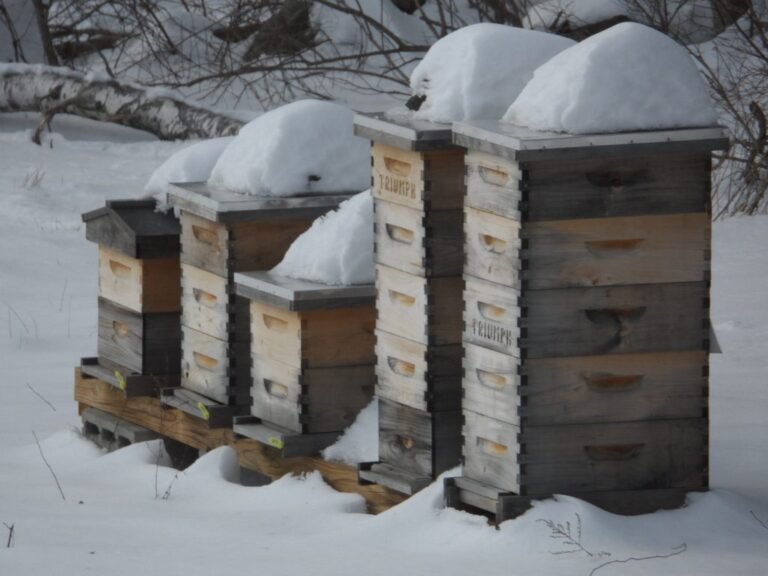
Discover the best approach for winter access: 'upper entrance vs lower entrance in winter'. Learn which entrance is safer and more efficient in snowy conditions.
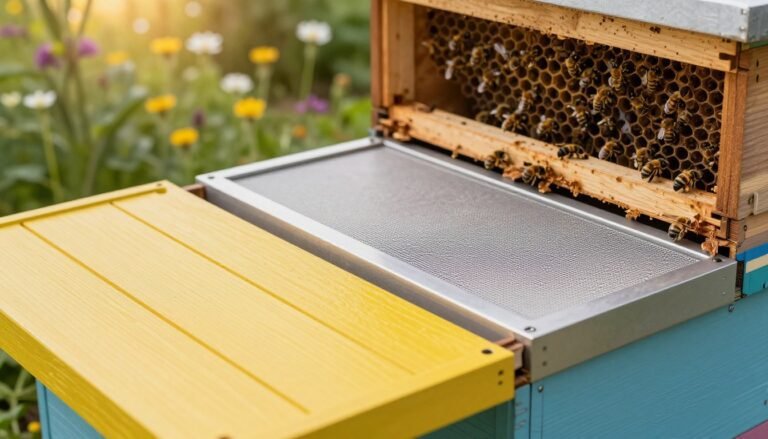
Solid bottom board vs screened bottom board: which is better for beekeeping? Explore the advantages and disadvantages of each option.
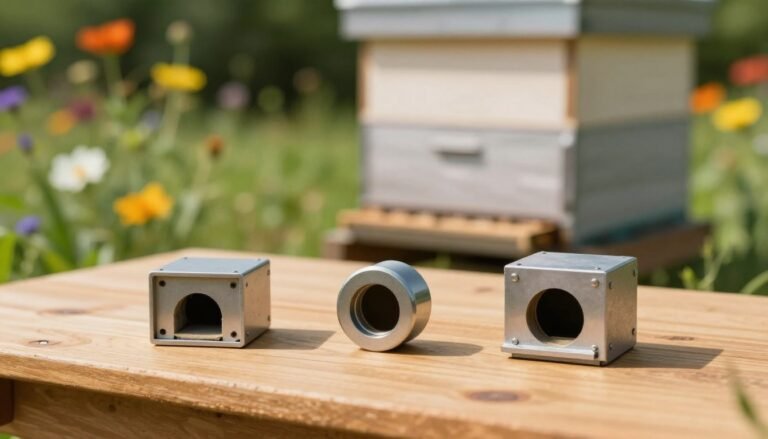
Get the best entrance reducer sizes for beehives with our expert buyer's guide. Compare features, benefits, and more to make an informed decision.
Learn how to protect your beehives with a robbing screen for beehives effectively. Discover the best practices for installation and maintenance today.