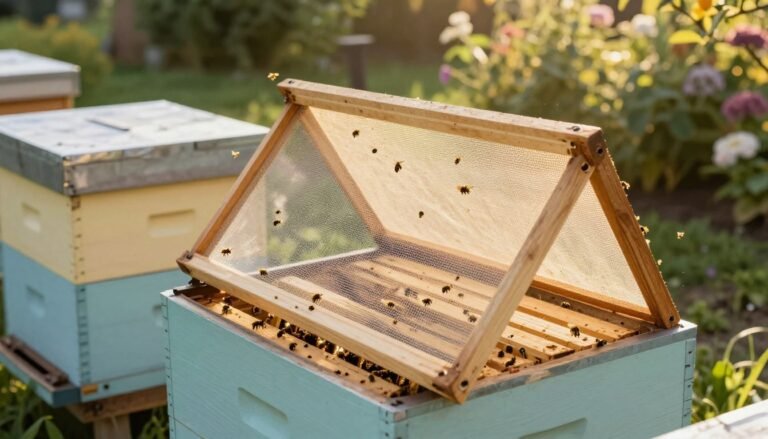
Robbing Screens for Beehives: Effective Protection
Learn how to protect your beehives with a robbing screen for beehives effectively. Discover the best practices for installation and maintenance today.

Most of the hardware that goes on or under a hive is cheap, and most of it is only useful for part of the year. This section compares those pieces: quilt boxes against moisture boards, solid against screened bottom boards, candy boards against sugar bricks, escape boards against fume boards and blowers at harvest, and how high a stand should sit. Each comparison covers cost, climate fit, and when the item goes on and comes off.
The winter pieces deserve the most attention. A cluster burns a great deal of honey over winter, and the water vapor from that metabolism condenses on a cold lid and drips back onto the bees. What sits above the cluster matters more than the wrap on the sides: a quilt box of pine shavings absorbs and vents that moisture, a moisture board wicks it, and a thick insulated inner cover stops it condensing there at all. On the floor, a screened bottom board is a mite monitoring tool rather than a treatment, and whether to close it for winter depends on your climate.
Pick by your winters and your mite plan, not by what looks clever in a catalog.
Start here:
Learn how to protect your beehives with a robbing screen for beehives effectively. Discover the best practices for installation and maintenance today.

Discover expert hive painting tips for better insulation. Learn how to boost efficiency and save on energy costs with our comprehensive guide.

Which hive entrance reducer alternative fits your problem? Compare robbing screens, fixed mouse guards, propolis and hardware cloth, with evidence from Nebraska Extension and Randy Oliver.

Rule out foulbrood, then fix loose corner joints, shallow rot, broken frame rests and holes with glue, screws and epoxy. Plus when to retire a box instead.
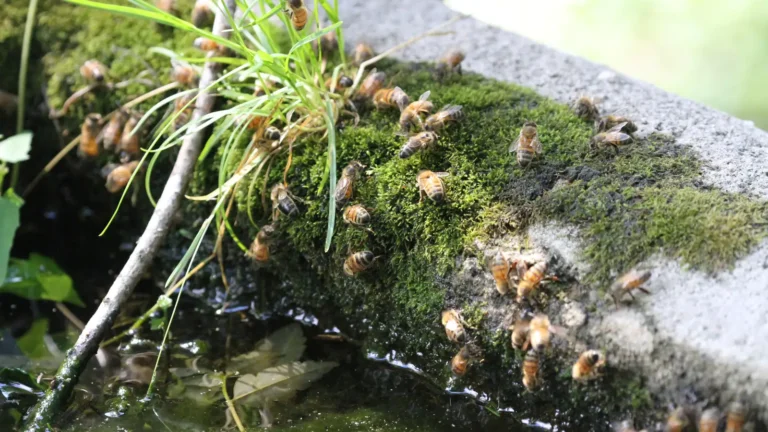
A bee waterer is a shallow dish of stones with water kept just below the stone tops, so bees can stand and drink. Sizes, costs, a self-filling version and upkeep.
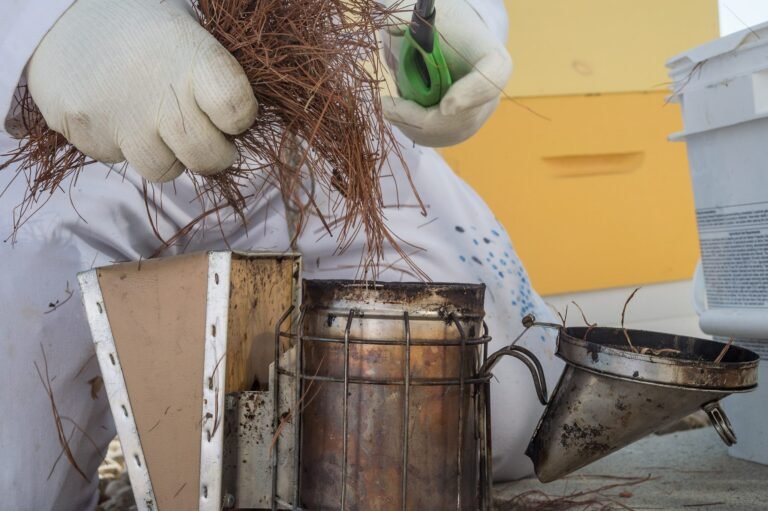
Best smoker fuel for beekeeping: pine needles, burlap, cotton and pellets compared on cost, smoke and burn time in a controlled test, plus what never to burn.
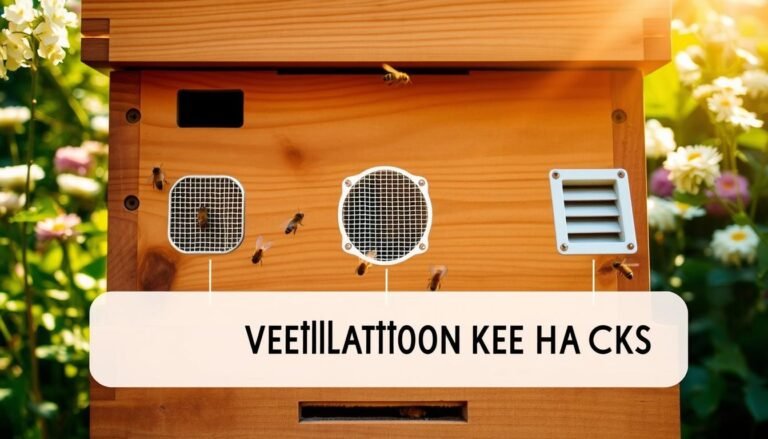
Discover expert beehive ventilation hacks to boost hive health. Learn effective techniques for optimal ventilation in our latest guide.
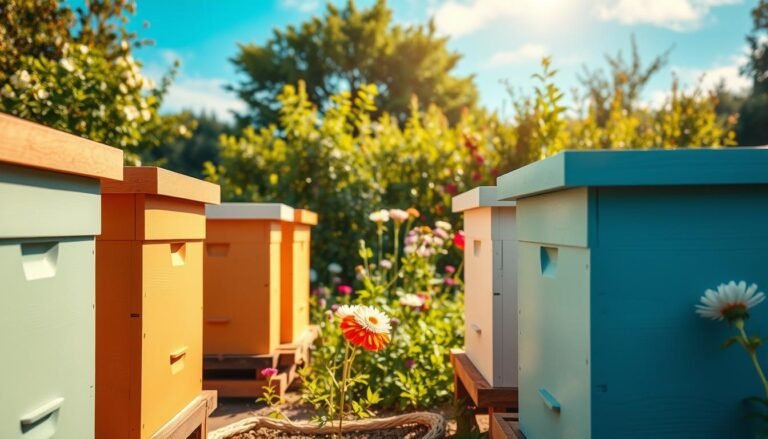
Discover the benefits of using Eco-friendly hive paints and coatings with our expert guide. Learn how to protect your beehives sustainably.

Upgrade your apiary with 3D-printed hive components. Follow our how-to guide for a seamless integration and improved bee welfare
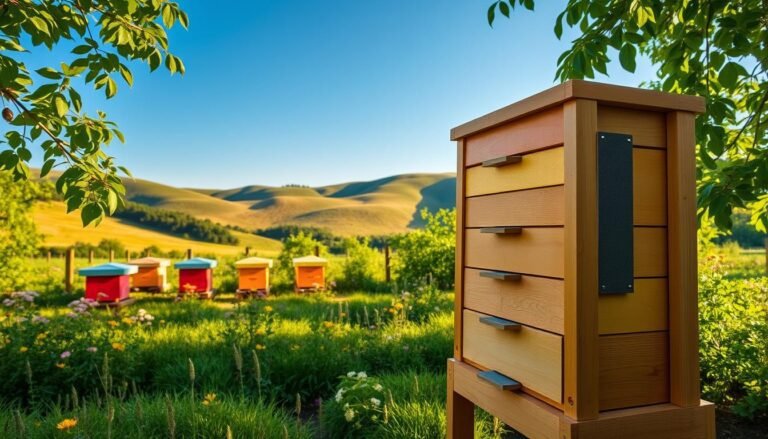
Improve your beekeeping with Noise-reducing hive stands. Our how-to guide covers the benefits, installation, and best practices for professionals.

Discover the efficiency of Solar-powered pollen traps. Learn how they enhance beekeeping and improve apiary monitoring effectively.
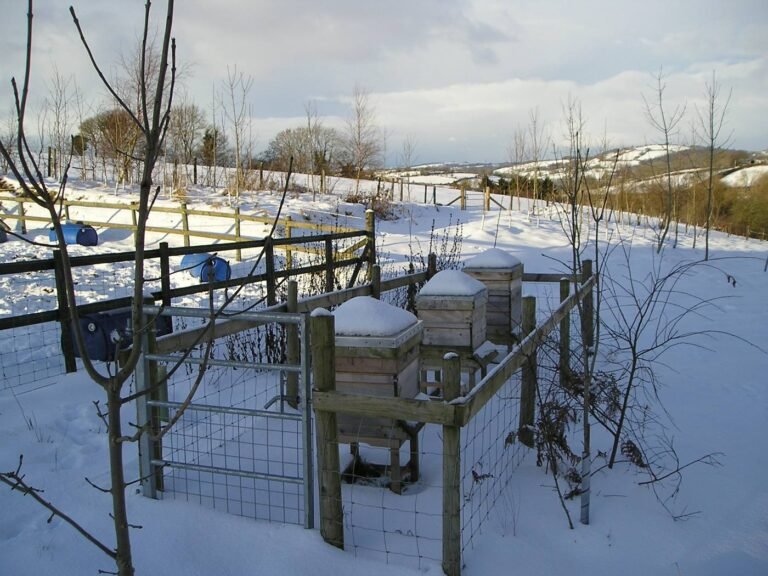
Compare the insulation materials beekeepers use to winterize hives, from rigid foam board and hive wraps to moisture-managing quilt boxes, and find the right fit for your climate.
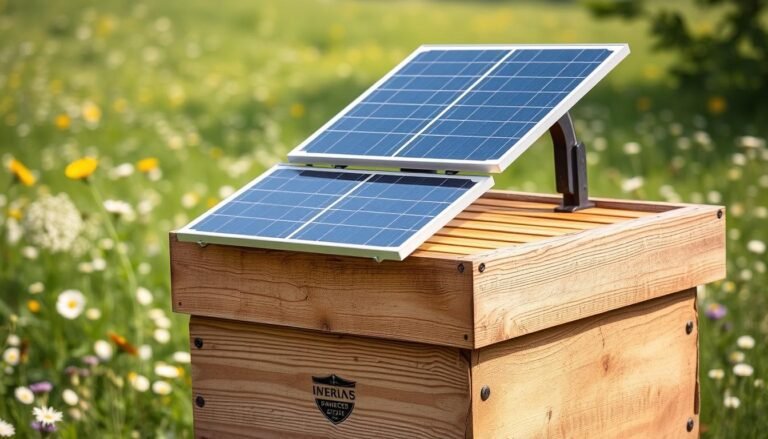
Learn how to enhance hive health using Solar-powered hive ventilators. Get expert insights and tips in our comprehensive guide.

A hive tool left caked in old propolis and wax doesn’t just get harder to use – dried residue can help carry pests and pathogens between hives if the same…