Reviewed by Thomas B. · Last Updated September 24, 2026 · How we review
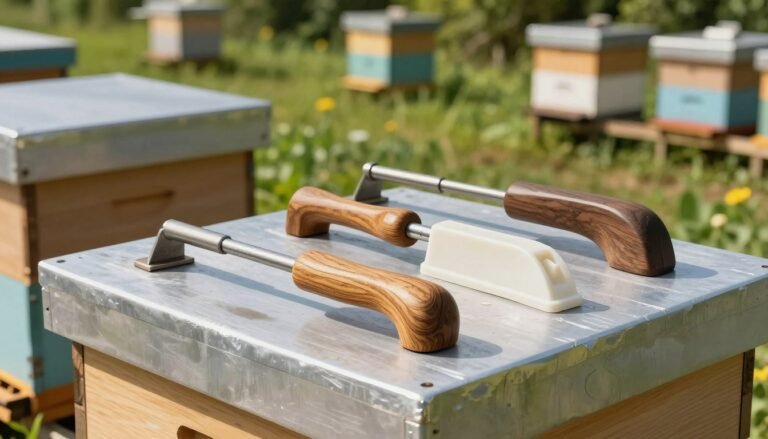
An escape cone and an escape board are not really rival tools. Cone escapes are almost always mounted in a board, so the real choice is which one-way mechanism the board uses. For most hobby beekeepers, a board with no moving parts, such as a triangle (maze) or rhombus design, is the most reliable way to clear a honey super, usually within 24 to 48 hours. Cone boards are cheap and easy to build. Porter-style spring escapes are the least forgiving, because propolis or a drone can jam them.
This guide compares escape mechanisms. For escape boards against fume boards and leaf blowers, see bee escape board vs fume board vs blower. For specific products, see our best bee escape board for honey harvest.
Key Takeaways
- “Escape board” is the carrier. The cone, Porter, triangle or rhombus is the valve. Compare the valves.
- No moving parts is the safest choice. Triangle and rhombus escapes can’t jam. Porter escapes can.
- Allow 24-48 hours. UF/IFAS Extension notes that escape boards are most effective after 24-48 hours. Cool weather is slower.
- Brood in the super defeats any escape. Nurse bees won’t leave brood, so check the supers first.
- Seal every other gap. Once a super has few bees guarding it, a hole or crack becomes a door for robbers.
On this page
Escape Cone, Escape Board, Porter: Sorting Out the Terms
An escape board, also called a clearer board, is a board the size of the hive that goes between the brood boxes and the honey supers. It contains one or more bee escapes: one-way passages that let bees go down but make it hard to come back up. The escape types you will meet are:
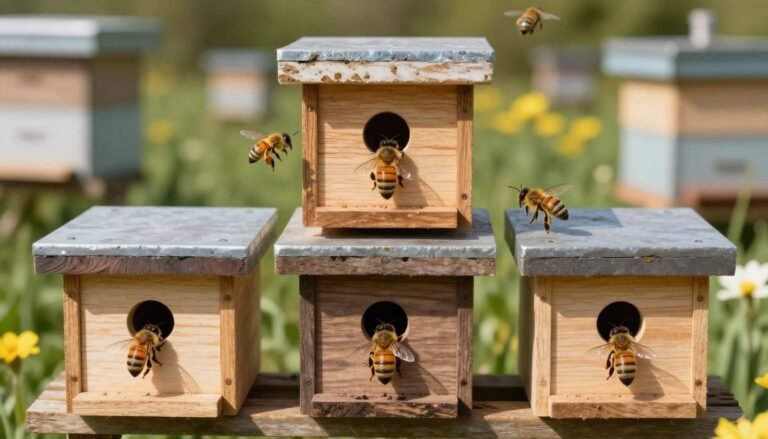
- Cone escapes. These are small cones of plastic, metal or wire mesh with a hole at the tip just big enough for a bee. Dave Cushman’s reference page on cone escapes describes common designs with exit holes of roughly 6-8 mm. They are set into a board, often several per board.
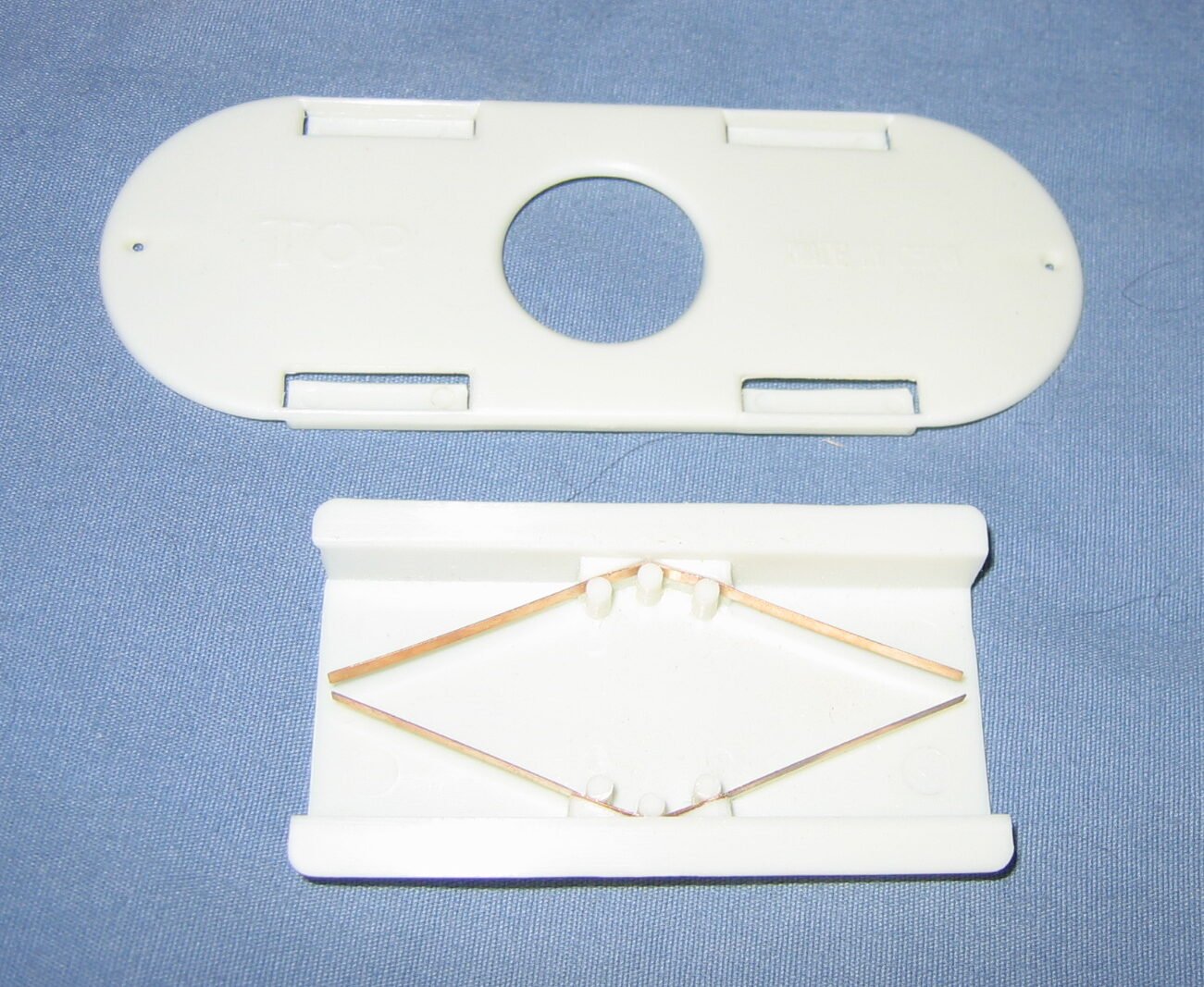
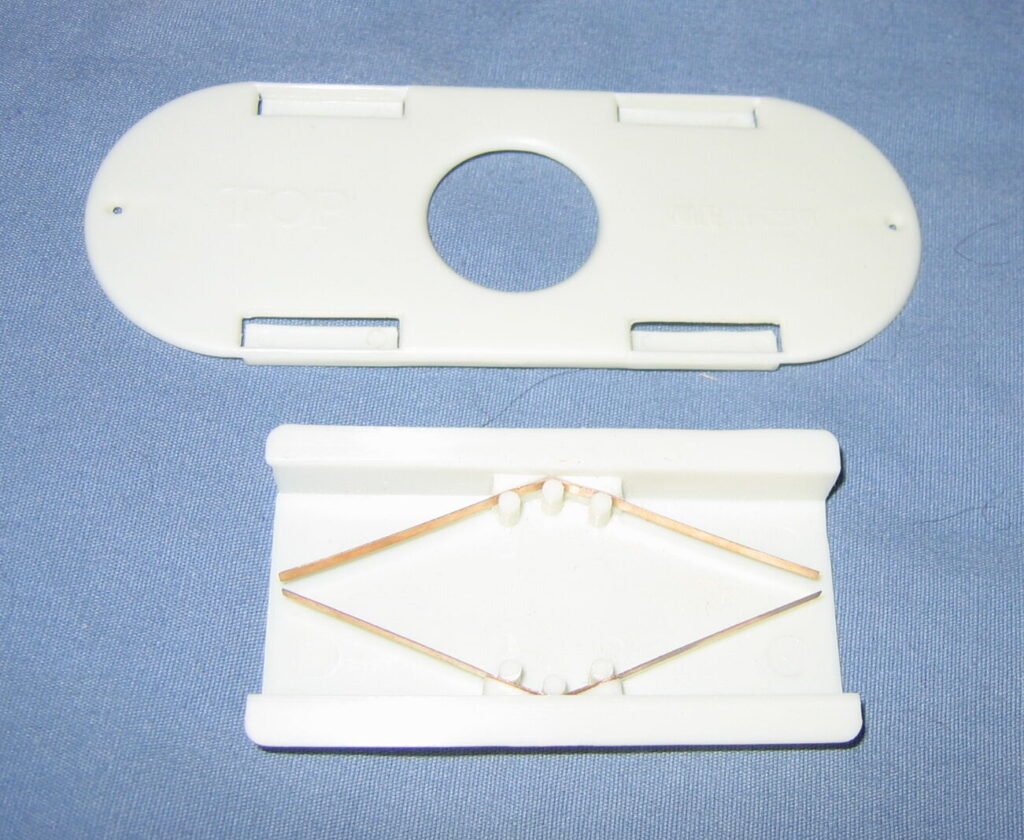
- Porter escapes. These are a small insert with two thin spring strips that bees push apart to leave. They usually fit the centre hole of an inner cover.
- Triangle (maze) escapes. These are a screened triangular maze on the underside of the board. Bees find the exits easily going out and struggle to find them coming back.
- Rhombus (Canadian) and multi-way escapes. These are larger, open designs with several widely spaced exits and no moving parts.
One more “escape cone” has a completely different job. A cone fixed over the entrance of a colony living in a wall or tree is used for trap-outs. That is colony removal, not honey harvest, and this guide doesn’t cover it.
How the Mechanisms Compare
| Escape type | Moving parts | Typical clearing | Main failure | Cost / DIY |
|---|---|---|---|---|
| Cone board | None | Overnight to 48 h, depending on how many cones | Too few cones make a bottleneck, and bees start to find the way back if the board is left too long | Very cheap and easy to build |
| Porter escape | Spring strips | Often slow, and sometimes stalls | Propolis or a large drone can jam the springs | Cheap insert |
| Triangle (maze) board | None | Usually within 24 h | Fitted upside down, so bees are trapped | Moderate. Buy or build. |
| Rhombus / multi-way | None | Often hours to overnight | Gaps elsewhere in the stack | Moderate. Buy or build. |
On Porter escapes, The Apiarist’s guide to clearer boards makes the key point: moving parts can be blocked by propolis or a fat drone. That is why many beekeepers prefer rhombus-style clearers, which have none.
Cone Escapes: Strengths and Weak Points
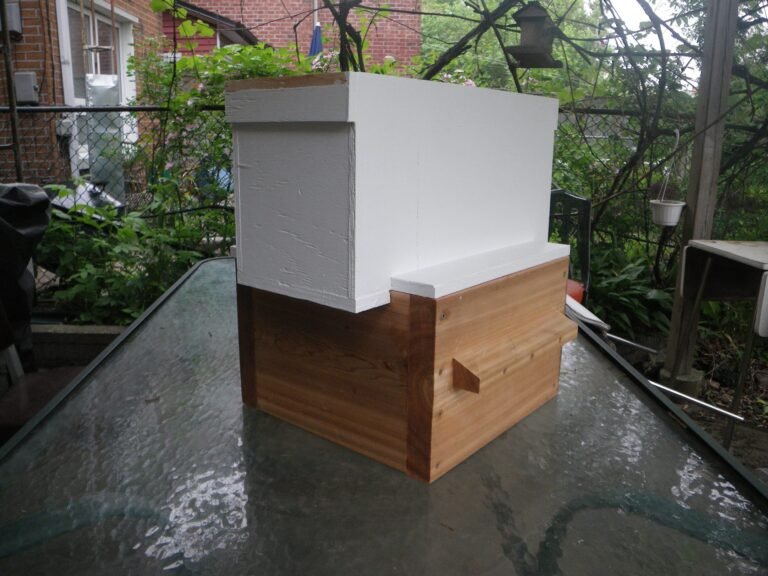
Strengths. Cones are the cheapest escape to make. A sheet of plywood, a rim and a few cones or hand-formed mesh cones will do. There is nothing to jam. They are also easy to fit anywhere on a board, so you can put several near the edges, where bees tend to gather.
Weak points. Each cone passes bees one at a time, so a board with only one or two cones clears a full stack slowly. As with any escape, if you leave the board on too long, some bees find their way back up. Harvesting within the 24-48 hour window matters as much as the design. A cone board also has to be built accurately, with a bee-space below it and no gaps around the rim.
Triangle and Rhombus Boards
These are the usual recommendations for small apiaries, because they combine passive clearing with no moving parts. Rusty Burlew of Honey Bee Suite, in her article on separating bees from honey with escape boards, rates the triangle board well above the Porter escape. She stresses one detail: the side with the triangle and screen goes down. Fitted upside down, a triangle board traps bees in the super.
Rhombus and multi-way boards spread several exits across the board. That means less queueing and usually faster clearing on a strong colony with multiple supers.
Step by Step: Clearing Supers With Any Escape
Step 1: Confirm there is no brood in the supers. Nurse bees won’t leave brood, however good the escape. A queen excluder under the supers during the flow prevents the problem.
Step 2: Check that the honey is ready. Frames should be mostly capped. See how honey matures in the comb.
Step 3: Fit the board in the late afternoon. Lift the supers off, put the board on the top brood box with the escape side facing down, and restack the supers above it.
Step 4: Seal the supers. Close handholds with holes in them, cracks, and any upper entrance above the board. The inner cover notch should face down or be blocked. Few bees will be left to defend the honey, so any gap invites robbers.
Step 5: Wait 24-48 hours. UF/IFAS Extension notes that escape boards are most effective after 24-48 hours of use. Allow the longer end when nights are cool.
Step 6: Remove the supers promptly. Brush off the few stragglers, take the supers inside quickly and remove the board. Our guide to frame grips for heavy supers helps with handling. Once the honey is extracted, see honey bottling temperature best practices and storing supers with drawn comb.
For a visual walk-through of how a board works, the Beekeeping For Newbies video What Is A Bee Escape Board shows one being fitted.
Which Should You Choose?
| Your situation | Good fit | Why |
|---|---|---|
| 1-5 hives, want minimal fuss | Triangle board | No moving parts, forgiving, usually clears overnight |
| Building your own gear on a budget | Cone board with several cones | Cheapest to make, nothing to jam |
| Strong colonies with 2-3 supers | Rhombus or multi-way board | More exits, less queueing |
| Only have a Porter escape | Clean it and check for jams before fitting | Works, but check the springs first |
| Dozens of hives, one-visit harvest | Fume board or blower | Minutes, not a day, per hive |
In the Red River Valley, supers usually come off in late summer, when nights can already be cool and the flow is ending. Cool nights slow the bees’ move downward, so plan on the 48-hour end of the window. Robbing pressure is also rising at that time of year. Sealing the stack and removing supers promptly matters more than which escape you use.
Frequently Asked Questions
What is the difference between an escape cone and an escape board?
An escape board is the whole board placed between the brood boxes and the honey supers. An escape cone is one type of one-way valve set into such a board. Other valve types include Porter, triangle and rhombus escapes.
How long does an escape board take to clear a honey super?
Usually 24-48 hours. UF/IFAS Extension notes that escape boards are most effective after 24-48 hours. Boards with more exits can be faster, and cool weather slows clearing.
Which way up does a triangle escape board go?
The side with the triangle maze and screen faces down, toward the brood boxes. Upside down, it traps bees in the super instead of letting them out.
Why are there still bees in my super after using an escape?
The most common causes are brood in the super, a gap or upper entrance that lets bees back in, a jammed Porter escape, too few exits, or a board left on long enough for bees to find a way back.
Can I leave an escape board on too long?
Yes. After a couple of days, bees start finding their way back into the supers, and a lightly guarded super is exposed to robbers. Plan to remove supers within the 24-48 hour window.
The Bottom Line
Compare the valve, not the board. A triangle or rhombus board with no moving parts is the most reliable choice for most hobby beekeepers. A cone board is a cheap alternative that works well with enough cones. Whatever you use, make sure there is no brood in the supers, seal the stack, and harvest within 24-48 hours.